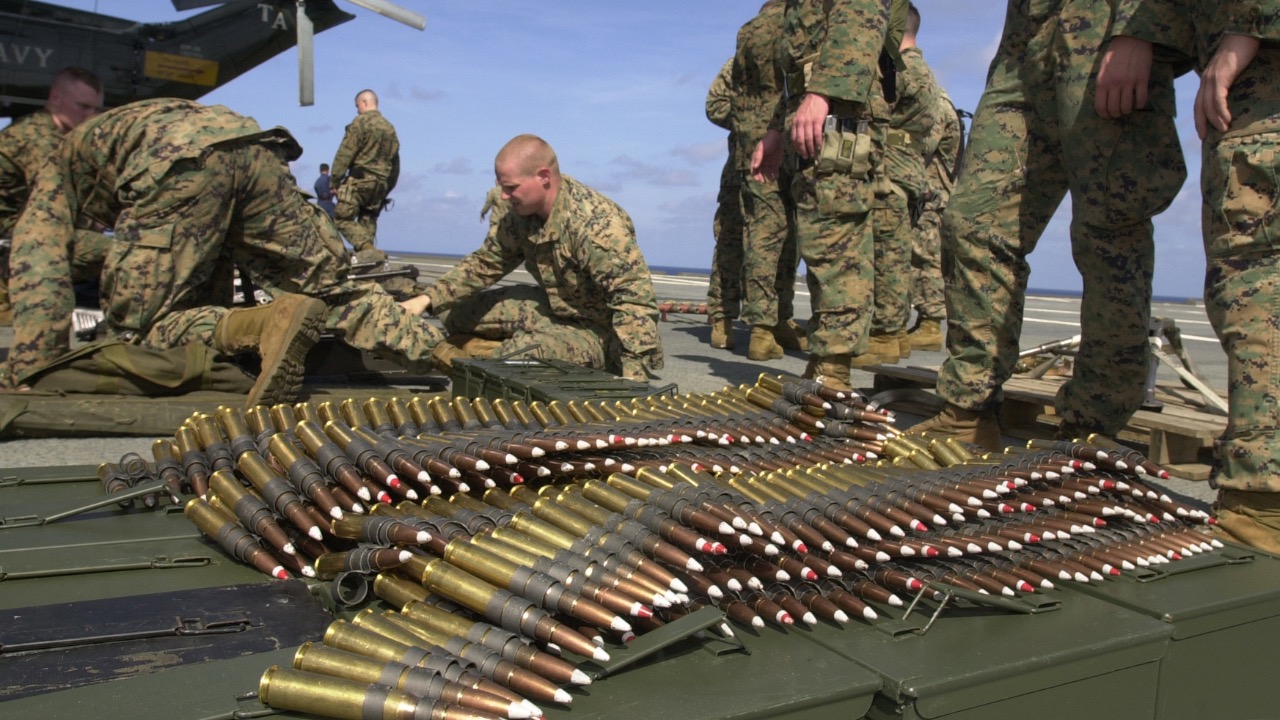
47,000 Rounds of Ammunition Bound for Mexico Seized by Authorities
Authorities in southern Arizona intercepted more than 47,000 rounds of ammunition hidden in a pickup truck headed toward the Mexican border, halting a shipment that investigators say was likely destined for cartel gunmen. The seizure underscores how industrial quantities of American-made bullets continue to feed Mexico’s conflict, even as both governments tout joint efforts to slow the flow.
The Nogales bust, carried out by a cross‑agency task force, fits into a broader pattern of large ammunition loads moving south through remote ports of entry. It also comes amid fresh scrutiny of how rounds manufactured in the United States, from 7.62 x 39mm cartridges to 50-caliber sniper ammunition, keep turning up in Mexican crime scenes and government stockpiles.
How investigators found 47,000 hidden rounds
According to a federal account of the operation, a task force based near Nogales in southern Arizona stopped a pickup that appeared to be heading toward Mexico and directed it to a secondary inspection area. Officers from a Contraband Enforcement Team, often referred to as a Nogales CET unit, focused on the bed of the vehicle, where the driver had installed what looked like a standard toolbox.
When inspectors tapped the metal, they heard an inconsistent echo that suggested a false compartment. The team used tools and pliers to pry open a concealed space, revealing thousands of boxed cartridges stacked tightly together. Officials later tallied more than 47,000 rounds of ammunition hidden under the truck bed.
Much of the ammunition was rifle caliber, packed in a way that suggested professional loading rather than a casual gun owner’s stash. Investigators linked the load to a broader smuggling pattern that has used everyday work vehicles, including pickups with toolboxes and commercial trucks with modified beds, to move heavy cargo without attracting attention.
Reporting on the case identifies Mar as the month when the bust took place and notes that the federal task force involved agencies with authority on both sides of the border. The driver was detained for questioning, and the truck was seized along with the ammunition as evidence in an ongoing investigation. Unverified based on available sources whether formal charges have been filed.
What kind of ammunition was seized
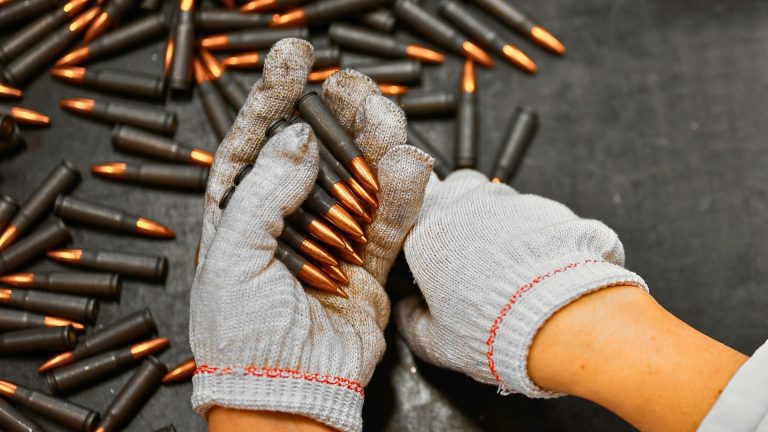
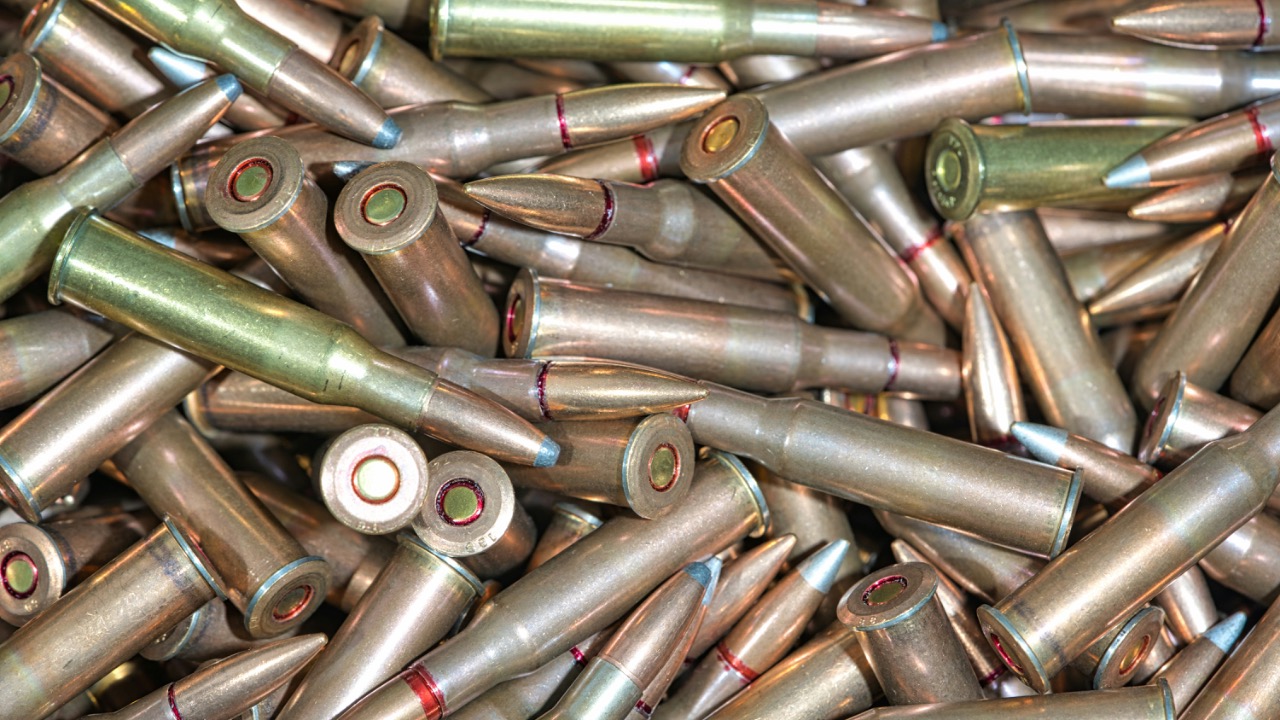
Law enforcement officials who inventoried the load said that Ninety percent of the bullets were 7.62 x 39mm shells, a caliber closely associated with AK-47-style rifles. Those 7.62 cartridges are the workhorse rounds for many of the assault rifles used in conflicts worldwide and are favored by the Mexican drug cartels because of their stopping power and reliability.
Such rifles, often described as AK-47-style platforms, have become a symbol of cartel firepower in Mexico. The remaining portion of the seized ammunition reportedly included other rifle calibers and some handgun rounds, although the detailed breakdown has not been fully disclosed. The dominance of 7.62 x 39mm in the load suggests that the shipment was tailored to supply specific weapons already in cartel arsenals rather than a random assortment of calibers.
Investigators noted that the ammunition appeared to be new, with factory packaging intact and lot numbers visible. That detail matters because it can allow authorities to trace the rounds back to distributors or manufacturers inside the United States. Unverified based on available sources whether any of the seized boxes have yet been linked to a particular plant or wholesaler.
Why Nogales and Arizona keep surfacing in ammo smuggling cases
The Nogales region has long been a favored corridor for smugglers who want to move contraband south without the intense scrutiny found at larger ports of entry. Federal officers in Arizona have reported a series of ammunition seizures in recent months, including the Nogales CET operation that netted more than 47,000 rounds and an earlier bust that was even larger.
Four weeks before the latest seizure, the same agency credited Nogales CET members with intercepting a separate shipment of ammunition that surpassed the current load in size. In that earlier case, officers again set up targeted inspections of vehicles heading toward the border and uncovered boxes of cartridges concealed in modified compartments. The agency later highlighted the work of the Nogales CET and its Office director of field operations in a public statement on the series of busts.
Another account of the Arizona operations describes how a Federal task force in the state has focused on outbound inspections, looking for contraband in the bed of a vehicle rather than only checking for drugs and migrants coming north. That task force has emphasized coordination among border officers, local police, and federal investigators who specialize in firearms trafficking linked to Mexican criminal groups.
Geography plays a role. Highways from PASO and other parts of Texas feed into Arizona routes that lead directly to the Nogales crossing. Smugglers can load ammunition in interior cities, then drive west and south, hoping to blend in with cross-border traffic that includes legitimate trade and tourism.
CBP tools and tactics at the border
The Nogales case also illustrates how U.S. border officers are adapting their methods to catch southbound weapons and ammunition. Customs and Border Protection teams have traditionally focused on northbound traffic, but in recent years they have increased outbound inspections to intercept guns, bullets, and cash heading to Mexico.
In the 47,000-round seizure, a CBP Contraband Enforcement Team relied on a mix of experience and technology. Officers used inspection lanes designed for secondary checks, along with handheld tools and sometimes nonintrusive imaging equipment, to spot anomalies in vehicle structures. When those tools suggested that a compartment might have been altered, officers used pliers and other instruments to force the compartment open and confirm the presence of contraband, according to reporting linked to Mar and the account by Julian Resendiz on the CBP operation.
Video coverage of related cases shows how Customs and Border Protection officers at the Ngalas port of entry (a reference to Nogales) have stopped large quantities of ammunition from going into Mexico by studying driver behavior, running license plate checks, and coordinating with intelligence units that flag suspicious vehicles. In some incidents, K-9 units trained to detect firearms residue have also been deployed, although available sources do not specify whether dogs were used in the 47,000-round bust.
Officials describe outbound checks as labor intensive because every minute spent inspecting a southbound vehicle can add to wait times and strain resources at already busy crossings. That reality has forced CBP to rely on targeted inspections rather than blanket searches, which in turn makes intelligence sharing and pattern analysis central to catching large shipments.
How this fits into a pattern of rising seizures
The Nogales interception is not an isolated event. Over the past year, border officers have reported multiple cases in which tens of thousands of rounds were discovered hidden in vehicles heading to Mexico. One account from El Paso describes a Federal task force in Arizona that intercepted large shipments of ammunition bound for Mexican drug cartels, including loads concealed in the bed of a vehicle and in other modified compartments.
In the Nogales region alone, officers have linked several seizures in a short period, including the 47,000-round case and the larger bust four weeks earlier. Another report notes that Ninety percent of the bullets in the Nogales load were 7.62 x 39mm shells used in AK-47-style rifles, which matches patterns seen in earlier seizures where cartels favored the same caliber. Such consistency suggests that smugglers are working from specific shopping lists provided by armed groups in Mexico, rather than simply moving whatever ammunition they can find.
Officials have also pointed out that the recent busts involve not just individual smugglers but organized networks that coordinate purchases, storage, and transportation across several U.S. states. The scale of the loads, often measured in tens of thousands of rounds, indicates access to wholesale suppliers or straw purchasers who can buy in bulk without immediately raising suspicion.
Mexico’s struggle with U.S. sourced bullets
While U.S. agents focus on intercepting ammunition before it crosses the border, Mexican authorities are dealing with the consequences when shipments get through. A recent statement by a Mexican defense minister drew attention to the origin of high caliber rounds recovered inside the country. According to that account, almost half of all 50-caliber rifle rounds seized by Mexican authorities in recent years came from a single United States Army ammunition plant.
The plant, often identified as a government facility operated by a private contractor, supplied 50-caliber ammunition that later showed up in Mexican crime scenes and stockpiles. The Mexican government said that nearly half of the powerful sniper rounds it seized could be traced back to that source, raising questions about how such specialized ammunition left controlled channels and entered illicit markets. The minister’s comments, which highlighted the role of a United States Army plant in arming criminals, were reported in detail in an investigation into 50-caliber rounds seized in Mexico.
For Mexican security forces, the spread of 50-caliber rifles and ammunition has changed the balance of power in confrontations with cartels. These weapons can penetrate armored vehicles and aircraft, and their presence has forced police and soldiers to adapt tactics and equipment. Combined with the steady flow of 7.62 x 39mm and other rifle calibers from the north, the result is a heavily armed criminal ecosystem that challenges state authority in several regions.
Mexican officials have repeatedly urged the United States to tighten controls on firearms and ammunition exports, arguing that domestic gun laws and production practices north of the border have direct consequences for violence in Mexican communities. The revelation about the United States Army plant has added a new layer to that debate by suggesting that even government-linked facilities can become indirect sources of cartel firepower if oversight fails.
Tracing responsibility along the supply chain
The Nogales seizure and the Mexican findings about 50-caliber ammunition both point to a complex supply chain that spans manufacturers, wholesalers, retailers, and smugglers. In the case of the 47,000-round load, investigators are examining purchase records and distribution channels to determine who originally bought the ammunition and whether any U.S. laws were broken before the bullets reached the border.
Tracing ammunition can be more difficult than tracing firearms because individual rounds often lack unique serial numbers. However, lot numbers, packaging labels, and shipping records can still provide clues. When combined with surveillance footage from stores, shipping manifests, and financial records, those clues can help agents identify straw purchasers or corrupt dealers who supply smuggling networks.
The report on Mexican seizures of 50-caliber rounds linked to a United States Army plant has already prompted calls for stricter oversight of contracts and export controls. Critics argue that government-run or government-affiliated facilities should have the tightest possible safeguards to prevent diversion of high powered ammunition. Supporters of the current system counter that most production is properly accounted for and that criminal networks often obtain rounds through theft or secondary markets rather than direct purchases.

Leo’s been tracking game and tuning gear since he could stand upright. He’s sharp, driven, and knows how to keep things running when conditions turn.