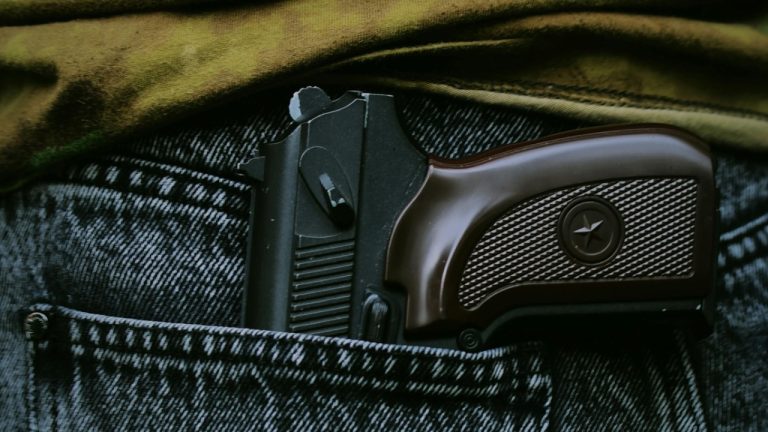
5 carry mistakes that get new gun owners into trouble
Carrying a handgun for the first time changes the way you move through the world. It brings responsibility, awareness, and a few lessons that many people only learn after they’ve already made mistakes. Most new carriers focus heavily on choosing a gun and holster, but the real challenges show up in daily habits, decision-making, and understanding how a concealed firearm fits into normal life.
You can avoid a lot of headaches by paying attention to the mistakes experienced shooters see over and over again. These aren’t dramatic failures. They’re small habits that slowly build into bigger problems. If you carry long enough, you’ll probably see them yourself. Avoiding them early will make you a safer, more confident gun owner.
Treating Concealed Carry Like a Fashion Choice

One mistake new gun owners make is choosing carry methods based on comfort or appearance rather than practicality. You’ll see people experimenting with soft holsters, loose waistband carry, or trendy setups that look good online but don’t support the firearm properly.
When the holster doesn’t anchor securely or protect the trigger guard, problems start showing up fast. The gun shifts when you move, printing becomes obvious, and drawing safely gets harder than it should be. Over time, that discomfort leads people to leave the gun at home. A proper belt and a well-designed holster may not be flashy, but they keep the gun stable and accessible when you actually need it.
Ignoring the Importance of Dry Practice
Many new carriers assume that range time alone will prepare them for defensive situations. They load up magazines, fire a few boxes of ammo, and feel confident walking out the door with a concealed pistol. What they skip is the quiet work that happens at home.
Dry practice builds familiarity with your draw stroke, trigger press, and sight picture. Without it, even experienced shooters can fumble when drawing from concealment. Clothing gets caught, grip placement is off, and the gun doesn’t come up naturally. A few minutes of structured dry practice several times a week builds muscle memory that range shooting alone rarely provides.
Carrying Without Adjusting Your Daily Habits
Carrying a handgun changes small parts of your routine, but new gun owners often overlook that. Sitting, bending, reaching, and even hugging someone can shift the gun or expose it if you’re not paying attention.
You learn quickly that certain chairs, tight spaces, or crowded situations require more awareness. Experienced carriers naturally position their body to protect the firearm and avoid unnecessary exposure. When you first start carrying, those instincts aren’t there yet. Paying attention to how the gun moves during everyday activities keeps you from creating awkward moments or drawing attention where none is needed.
Letting Overconfidence Replace Situational Awareness
Some new gun owners feel a surge of confidence once they start carrying. The pistol becomes a safety blanket, and they begin moving through questionable environments with less caution than before.
The truth is that carrying a gun doesn’t replace awareness. If anything, it raises the standard for how you move through public spaces. You still avoid trouble whenever possible, keep distance from suspicious situations, and trust your instincts when something feels off. Experienced carriers understand that the firearm is a last resort. Awareness and good judgment solve far more problems than a drawn gun ever will.
Forgetting That Concealment Is an Ongoing Skill
Concealed carry isn’t something you set up once and forget. Your clothing changes, the weather shifts, and your body position varies throughout the day. Many new carriers assume their setup works because the gun looks hidden when they check the mirror at home.
Once you start moving around in public, though, the picture changes. Jackets ride up, shirts cling differently, and bending over can reveal more than expected. Experienced carriers regularly adjust their clothing choices and holster positions to maintain concealment. It becomes part of the routine, like checking your wallet or keys before leaving the house. The people who avoid problems treat concealment as a skill they keep refining.

Asher was raised in the woods and on the water, and it shows. He’s logged more hours behind a rifle and under a heavy pack than most men twice his age.