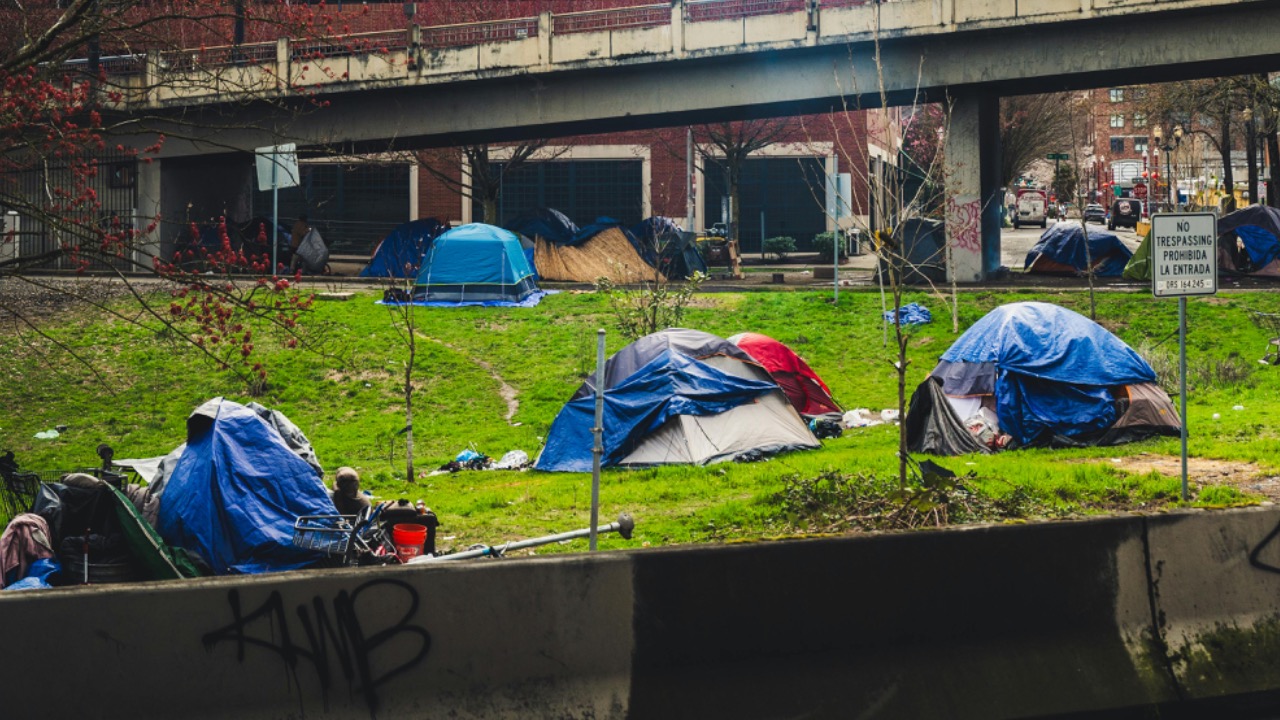
6 U.S. states with low approval ratings according to public opinion rankings
You can learn a lot about a place by listening to the people who live there. Not the brochures or the tourism push—but the folks dealing with the day-to-day reality. Public opinion rankings tend to pull from things like infrastructure, cost of living, safety, and overall satisfaction. When those numbers dip, there’s usually a reason behind it.
These states show up consistently near the bottom in national rankings tied to livability and resident sentiment. That doesn’t mean they don’t have strong communities or good hunting and fishing—it means people are feeling pressure in ways that are hard to ignore.
Louisiana
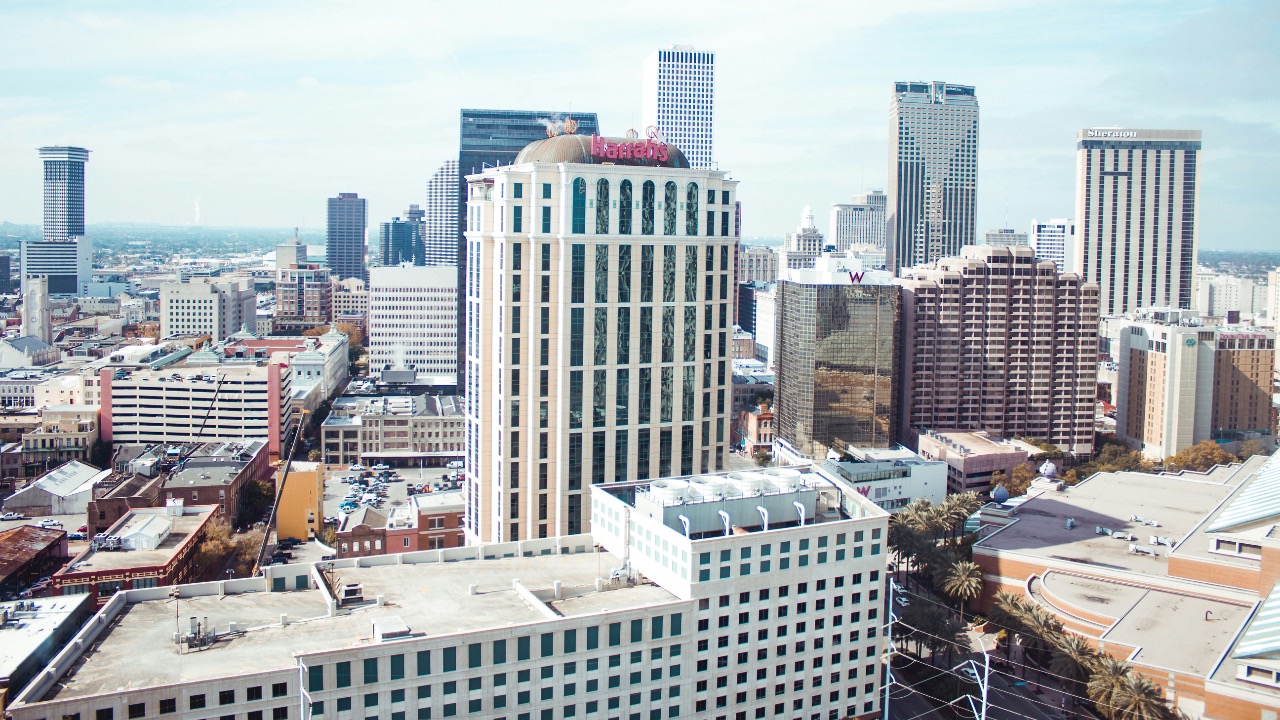
You hear it from residents more than anywhere else—things feel tough across the board. Louisiana often ranks low in healthcare access, education outcomes, and economic stability. When you stack those issues together, it wears people down over time.
There’s also the reality of infrastructure and storm recovery. Hurricanes hit hard and often, and rebuilding isn’t quick or easy. Even outside of storm season, roads, utilities, and public services can lag behind. Folks there are resilient, no question, but the day-to-day grind shows up in how they rate their state.
New Mexico
New Mexico’s wide-open country is hard to beat, but living there comes with tradeoffs. Crime rates and poverty levels have been persistent concerns, and those weigh heavily in public opinion surveys.
Healthcare access is another sticking point, especially in rural areas where distances are long and services are thin. You can cover a lot of ground just to see a doctor. That kind of strain affects how people view where they live, even if they value the land and the pace of life.
Mississippi
Mississippi shows up near the bottom of a lot of national lists, and it’s usually tied to economic factors. Lower household income, limited job growth in some areas, and ongoing education challenges all factor in.
That said, people there tend to have strong ties to family and place. But when you’re dealing with fewer opportunities and underfunded systems, it’s hard to ignore. Over time, those conditions shape how residents respond when asked if things are moving in the right direction.
Alaska
Alaska’s issues are a different kind of problem. It’s not about crowding or overdevelopment—it’s distance, cost, and isolation. Living there means paying more for basics and dealing with limited access to services.
Mental health and substance abuse concerns also show up in statewide data. Long winters and remote living can take a toll. It’s a place people love for its wildness, but that same wildness creates challenges that show up in how residents rate their quality of life.
Nevada
Nevada’s rapid growth has outpaced some of its systems. Schools, healthcare, and housing have struggled to keep up, especially in areas like Las Vegas.
Cost of living has climbed, and access to quality public services hasn’t always followed. When a state grows fast, cracks tend to show. Residents feel that in traffic, crowded schools, and stretched resources, and it reflects in lower approval ratings despite the state’s economic activity.
West Virginia
West Virginia has been dealing with long-term economic decline tied to shifts in energy and industry. When jobs leave, communities feel it for generations.
Health outcomes are another major factor. Chronic illness rates are high, and access to care can be limited in rural areas. People there are deeply connected to the land and their communities, but the challenges are persistent. When folks are asked how things are going, those realities tend to outweigh the positives.
When you look at these states, the pattern is clear. It’s not one issue dragging things down—it’s a combination that builds over time. People notice when systems don’t keep up, when costs rise faster than wages, and when access gets harder instead of easier.

Asher was raised in the woods and on the water, and it shows. He’s logged more hours behind a rifle and under a heavy pack than most men twice his age.