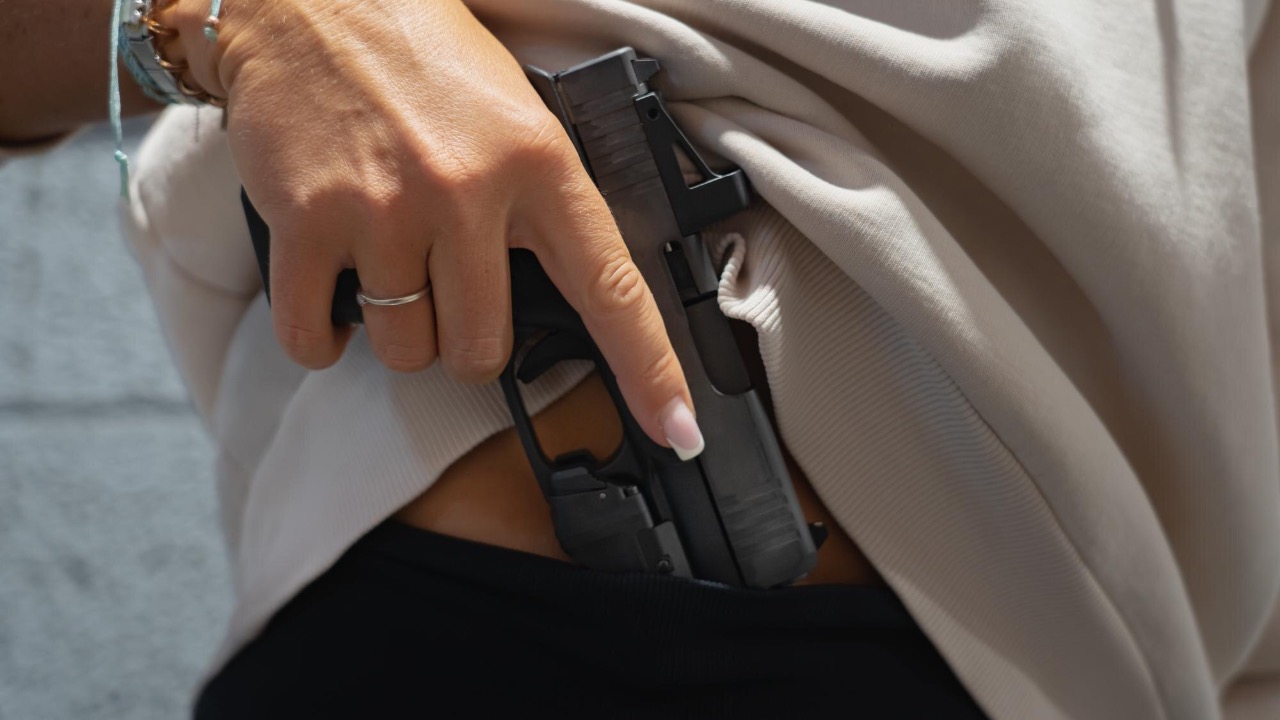
Experts outline less-lethal options for self-defense in urban areas
You don’t have to spend long in a city to understand how fast things can turn. Tight spaces, close crowds, and limited escape routes change the way you think about personal safety. Most folks aren’t looking for a fight—they’re looking for a way out. That’s where less-lethal options come into play.
These tools and tactics aren’t about winning a confrontation. They’re about buying time, creating space, and getting clear. The key is understanding what works, what doesn’t, and how each option fits into real-world situations. Here’s how experienced trainers tend to break it down.
Pepper Spray Still Leads the Pack for a Reason
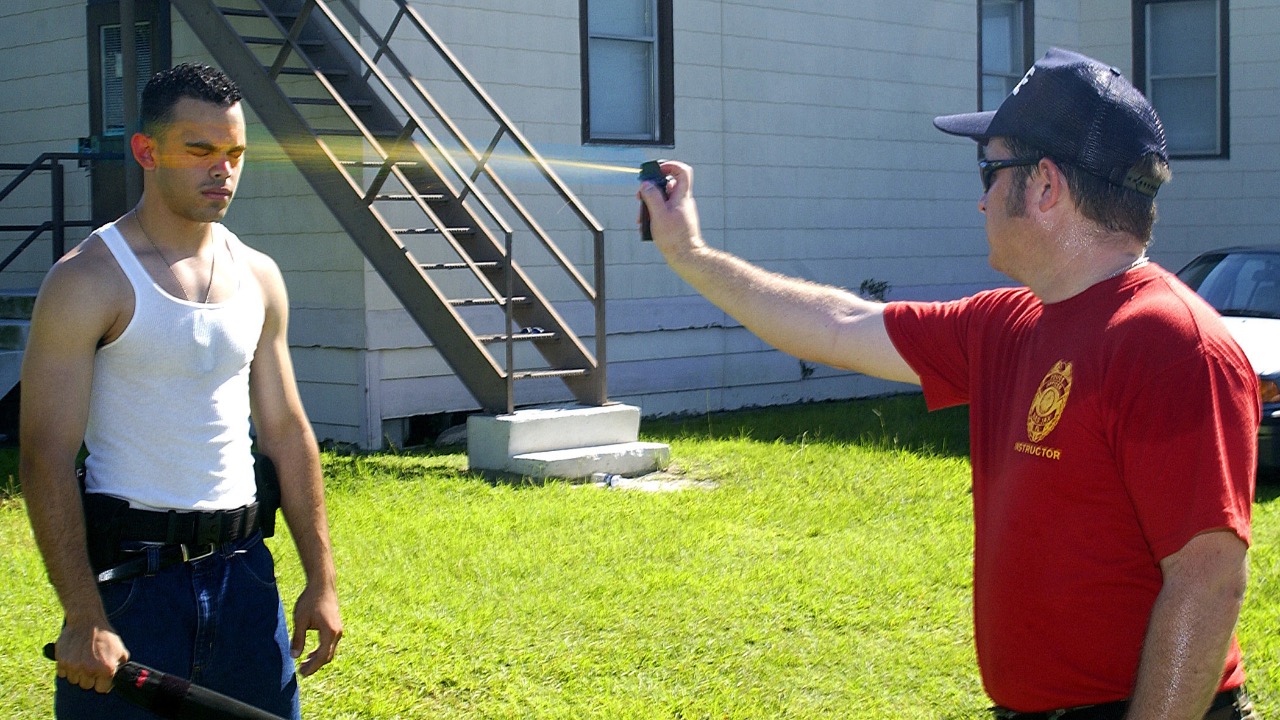
You’ll hear it again and again—pepper spray remains one of the most effective less-lethal tools you can carry. It’s compact, affordable, and doesn’t require much strength to deploy.
What makes it work is how quickly it disrupts vision and breathing. In a close encounter, that’s often enough to stop someone in their tracks and give you a window to move. You do need to train with it. Wind, distance, and timing matter. If you don’t know your range or hesitate under pressure, you lose its advantage. Carried right and practiced, it’s one of the few tools that consistently earns its place.
Personal Alarms Draw Attention When You Need It
A small alarm clipped to your keys doesn’t look like much, but it can shift a situation fast. These devices put out a sharp, high-decibel sound that cuts through street noise.
The value here isn’t physical force—it’s attention. Most confrontations rely on isolation. Noise breaks that. It can startle someone, draw eyes your way, and make you a harder target. It’s also a solid option in places where other tools aren’t allowed. You don’t need aim or strength, and there’s no close contact required. It won’t stop someone on its own, but paired with movement, it can help you get out of a bad spot.
Flashlights Give You Control in Low Light
A good handheld flashlight does more than help you see. In low-light conditions, it gives you a way to identify threats and control distance.
A bright beam directed at someone’s eyes can disorient them for a moment, especially in dark environments. That moment matters. It buys you time to change direction or create space. It also helps you avoid trouble in the first place by spotting it early. This is one of the more overlooked tools because it doesn’t look tactical, but in real-world use, it earns its keep.
De-Escalation Skills Matter More Than Gear
You can carry all the tools in the world, but if you don’t know how to read a situation, you’re already behind. Most experienced folks will tell you the same thing—awareness and communication carry more weight than equipment.
That means recognizing body language, keeping distance, and using your voice with purpose. A calm, firm tone can shut things down before they start. It won’t work every time, but when it does, you avoid a physical encounter altogether. Less-lethal tools back you up, but they don’t replace judgment. You’ve got to know when to disengage and move.
Tasers and Stun Devices Have Limits You Should Know
Electronic devices get a lot of attention, but they come with trade-offs. Some require close contact, others rely on probes hitting their mark. Either way, they’re more complicated than they appear.
In an urban setting, clothing, movement, and distance can all affect performance. If it doesn’t connect properly, it won’t do much. That doesn’t make them useless—it means you need to understand their limitations. They can be effective in the right conditions, but they demand more practice and come with a higher margin for error compared to simpler tools.
Everyday Objects Can Work in a Pinch
You won’t always have dedicated gear on hand. That’s where everyday items come into play. A set of keys, a pen, even a bag can be used to create space or disrupt an approach.
The goal isn’t to fight—it’s to break contact and move. A quick strike to create distance or using an object as a barrier can buy you that moment. It’s situational and not something you want to rely on as your primary option, but it’s worth understanding. When things happen fast, you work with what you have.
Training and Familiarity Make the Difference
Carrying a tool without knowing how to use it is a common mistake. Under stress, fine motor skills drop off, and hesitation creeps in. That’s where training shows up.
You don’t need anything extreme, but you do need repetition. Practice accessing your gear, understand its range, and think through scenarios. The more familiar it feels, the more likely you are to use it effectively. Confidence doesn’t come from owning equipment—it comes from knowing what to do when it matters.
At the end of the day, less-lethal options are about giving yourself a way out. You’re not looking to stand your ground in a city street—you’re looking to break contact and get home. The right tools, paired with awareness and a clear head, give you that chance.

Asher was raised in the woods and on the water, and it shows. He’s logged more hours behind a rifle and under a heavy pack than most men twice his age.