Veterinarian Names 10 Dog Breeds Known for Staying Healthy With Fewer Vet Visits
When veterinarians talk about breeds that tend to stay healthy, the focus quickly shifts from trendy looks to genetics, lifestyle fit, and realistic expectations. No dog is immune to illness, yet some breeds consistently show fewer inherited problems and longer working lives, which often translates into fewer emergency vet visits and more routine checkups instead of crises.
Drawing on recent veterinary guidance and longevity data, ten breeds stand out for strong constitutions, efficient body types, and careful breeding histories. Each still needs good food, exercise, and preventive care, but for owners who plan ahead, these dogs can offer many years of active companionship with relatively modest medical drama.
Why Some Breeds Visit the Vet Less
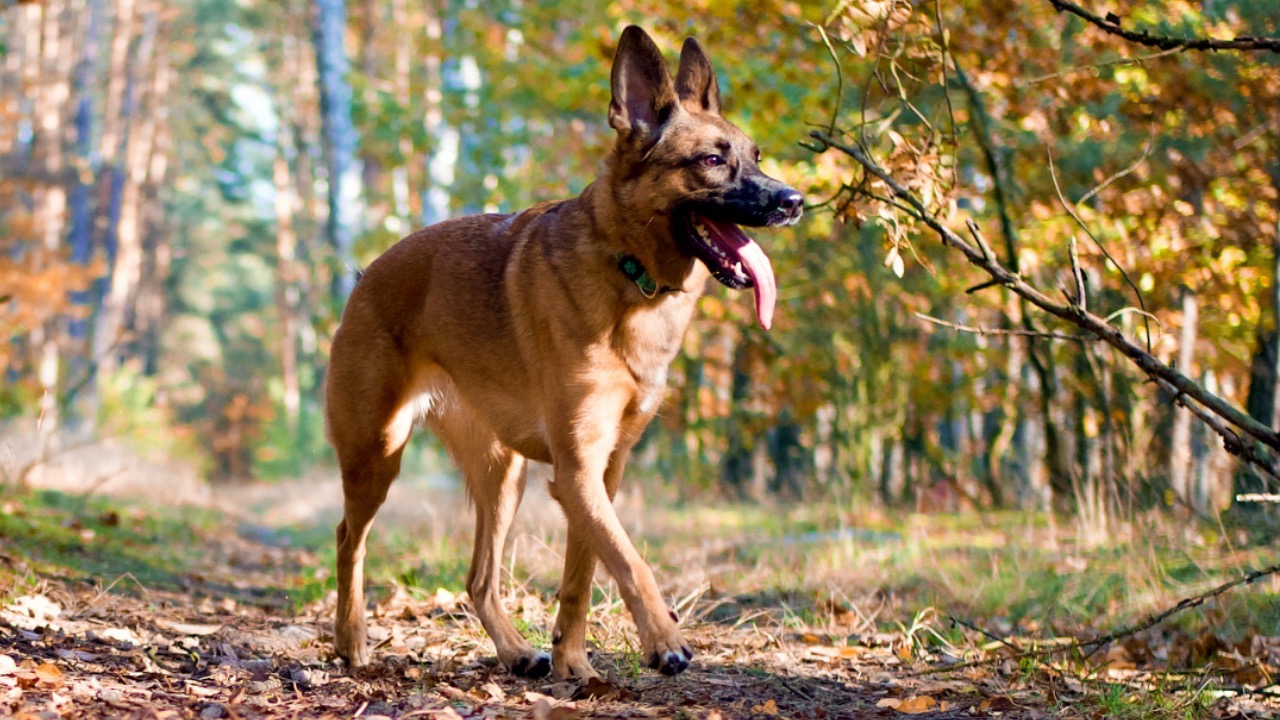
Veterinarians who discuss “healthiest breeds” tend to highlight three themes. First, overall structure matters. Dogs with moderate builds, good limb alignment, and natural muzzles usually have fewer breathing and joint issues than flat-faced or extremely long-backed breeds. Second, a diverse gene pool and responsible breeding reduce the risk of inherited disease clusters that can plague very popular or heavily inbred lines. Third, energy level and lifestyle match influence how often dogs get injured or overweight, both major drivers of vet bills.
Several veterinary and insurance analyses point to the same core group of healthy breeds, including Australian Cattle Dogs, Beagles, Border Collies, Basenjis, Shiba Inus, Poodles, and others that combine athleticism with relatively low rates of chronic disease. These lists stress that “healthiest” does not mean “maintenance free.” Owners still need to budget for vaccinations, parasite control, dental care, and age related screening. The advantage is that these breeds are statistically less likely to develop multiple serious conditions early in life if they are well cared for.
Australian Cattle Dog
Many veterinarians place the Australian Cattle Dog at the top of healthy breed rankings. This compact herder was developed for hard work in harsh conditions, so breeders historically selected for stamina, sound joints, and mental toughness. Modern assessments describe the Australian Cattle Dog as one of the healthiest dog breeds, with relatively few inherited disorders when compared with many large or toy breeds.
Insurance and longevity reports echo that reputation, noting that Australian Cattle Dogs frequently appear among the longest living dogs, with some individuals working well into their teens. Their medium size and muscular frame help protect joints, and their high drive keeps them lean if owners provide enough exercise. That same drive can create problems in sedentary homes, since boredom may lead to destructive behavior or repetitive injuries. Families who choose this breed need to be ready for daily physical and mental work, not just occasional walks.
Breed guides describe the Australian Cattle Dog as tough and energetic, and multiple healthy breed lists repeat that these dogs are sturdy and resilient when responsibly bred. Owners still need to monitor for hip and elbow issues and to protect their hearing, since noise exposure around livestock and machinery can accumulate over years. Overall, this is a classic example of a working dog whose body has been shaped by function rather than fashion.
Australian Shepherd
The Australian Shepherd, despite its name, was refined in North America as a versatile ranch dog. Like the cattle dog, it is a medium sized herder built for long days of movement rather than short bursts of power. Analyses of breeds with the fewest health problems often highlight the Australian Shepherd for its solid structure and relatively low incidence of severe hereditary disease compared with some other popular family dogs.
Veterinary insurance reviews describe Australian Shepherds as generally healthy when bred from tested parents, with the main concerns involving eye conditions and hip dysplasia that can be screened before breeding. Their athletic frame and thick coat equip them for outdoor work, and their intelligence makes them highly trainable. That combination can keep them physically and mentally fit well into middle age if owners commit to activities such as agility, herding trials, or long hikes.
Standard breed references portray the Australian Shepherd as an energetic, people focused dog that thrives on having a job. Lists of dogs with the least health issues point out that this breed benefits from a diverse gene pool in working lines, which can help maintain overall resilience. Prospective owners are advised to seek breeders who screen for common eye and joint problems and to be realistic about the breed’s exercise needs.
Other summaries of healthy breeds repeat that the Australian Shepherd dog tends to stay in good condition with regular activity and a balanced diet. When those basics are in place, veterinarians often see these dogs mainly for preventive visits rather than chronic disease management in early life.
Basenji
The Basenji is frequently singled out as a particularly hardy breed. Originating from hunting dogs in central Africa, the Basenji developed in a tough environment where only agile, efficient animals could succeed. Modern breed profiles describe the Basenji as one of the oldest dog types and often highlight its reputation for good general health.
Veterinary focused lists of healthy breeds include the Basenji among dogs with relatively few common orthopedic problems, largely because of its moderate size and balanced build. The breed’s short coat and lean frame reduce some skin and joint stresses seen in heavier or heavily wrinkled dogs. Commentators on canine fitness describe the Basenji as an example of a dog that has stayed close to its original functional design, which can help limit extreme conformation related disease.
That does not mean the breed is free of inherited risks. Responsible breeders screen for kidney and eye conditions that can appear in some lines. Owners also need to be ready for a high energy, independent personality that requires secure fencing and consistent training. When those needs are met, veterinarians often see Basenjis as active, healthy companions well into their senior years.
Beagle
The Beagle appears on multiple lists of healthy and long lived dogs. Originally bred as a scent hound for rabbit hunting, the Beagle has a compact, muscular body and moderate size that help protect its joints. Insurance analyses that track claims by breed often show Beagles with fewer severe orthopedic and respiratory issues than many larger or more extreme looking dogs.
Breed references note that the Beagle’s main health challenges involve weight gain and ear problems, both of which are manageable with attentive care. Their strong appetite and pleading expression can lead to overfeeding, which then increases the risk of diabetes and joint disease. Their long, floppy ears can trap moisture, so regular cleaning helps prevent infections. When owners stay ahead of those issues, Beagles typically enjoy active lives with relatively few serious conditions early on.
Standard descriptions of the Beagle dog emphasize a friendly temperament and sturdy build, which make the breed popular with families. Healthy breed lists that include Beagles often stress that their resilience depends heavily on keeping them lean and exercised, since extra weight quickly erodes the structural advantages they start with.
Border Collie
The Border Collie is widely regarded as one of the most athletic and intelligent breeds. Developed for intensive herding work, Border Collies have a lean, medium sized frame and remarkable stamina. Analyses of healthy breeds often mention Border Collies as dogs that, when bred responsibly, can stay active for many years with relatively few systemic health issues.
Veterinary resources caution that Border Collies can be prone to specific inherited conditions such as collie eye anomaly and certain neurological disorders, which is why health testing is essential. However, these risks are usually concentrated in poorly screened lines. In well managed breeding programs, the breed’s overall structure and fitness focused selection help maintain good general health.
Breed guides that profile the Border Collie highlight its need for intense mental and physical stimulation. Owners who provide that level of engagement often report that their dogs remain lean, muscular, and mentally sharp well into old age. From a veterinary perspective, that translates into more routine wellness visits and fewer obesity or inactivity related diseases.
Shiba Inu
The Shiba Inu, a small to medium spitz type from Japan, consistently appears in discussions of healthy, long lived breeds. Its foxlike build, curled tail, and thick double coat reflect a background in rugged terrain and cold weather, where only agile, efficient dogs could thrive. Breed health profiles describe Shiba Inus as generally sturdy, with relatively low rates of severe joint disease compared with some larger breeds.
Insurance and wellness lists that include Shiba Inus often point to their moderate size and natural body shape as advantages. They have a normal length muzzle, which avoids many of the breathing problems seen in flat faced dogs, and their balanced frame supports good mobility. Common concerns involve allergies and certain eye issues, but these are usually manageable with regular veterinary care.
Standard references to the Shiba Inu stress that this breed can be independent and reserved, which may surprise first time owners drawn in by its appearance. For families prepared for that temperament and committed to socialization, the Shiba Inu often proves to be a clean, relatively low maintenance companion with solid overall health.
Poodle (Standard, Miniature, and Toy)
Poodles of all sizes are frequently cited as among the healthiest purebred dogs when sourced from responsible breeders. Analyses of canine longevity and disease burden describe Poodles as athletic, intelligent, and generally resilient, with many individuals living well into their teens. Their curly coat requires regular grooming but provides protection from sun and minor abrasions.
Veterinary reviews of healthy breeds specifically mention that Poodles, whether Standard, Miniature, or Toy, tend to have fewer severe breathing issues because they retain a normal muzzle shape. The main inherited concerns involve hip dysplasia in larger Poodles and certain endocrine or eye conditions, which can be managed with screening and early treatment. Their high trainability also makes it easier for owners to maintain good dental care and cooperative vet visits, which indirectly supports long term health.
Breed references that profile the Poodle highlight that there are three delightful types and that all three share a similar reputation for intelligence and eagerness to please. Healthy breed lists that rank Poodles highly often point to their combination of athleticism and hypoallergenic coat, which makes them attractive to active families who also need a lower shedding dog.
Chihuahua
The Chihuahua is one of the smallest dog breeds, yet it often enjoys a surprisingly long lifespan. Longevity rankings that group breeds by average age at death frequently place Chihuahuas near the top, with many individuals reaching their mid to late teens. Their tiny size means lower absolute stress on joints and internal organs, provided they are not overfed or injured.
Veterinary sources describe Chihuahuas as generally hardy when bred for sound structure. Common issues involve dental disease, due to their small jaws and crowded teeth, and patellar luxation in poorly bred lines. Both problems can be reduced through careful breeding and early dental care. Owners also need to protect Chihuahuas from falls and rough handling, since their small bones are more vulnerable to trauma.

Leo’s been tracking game and tuning gear since he could stand upright. He’s sharp, driven, and knows how to keep things running when conditions turn.