7 Dog Breeds Vets Say Could Turn on Their Owners Without Warning
You hear a headline like this and it sounds dramatic, but there’s a more grounded way to look at it. No dog wakes up one day and decides to turn on its owner for no reason. What veterinarians and behaviorists will tell you is that certain breeds carry traits—strength, guarding instinct, sensitivity, or prey drive—that can make a bad situation escalate fast if something goes wrong.
If you spend enough time around dogs, you learn that behavior is shaped by training, handling, health, and environment. Still, some breeds leave less margin for error. When they react, the consequences are heavier. Here are the ones vets tend to speak about carefully—not as villains, but as dogs that demand respect and awareness.
American Pit Bull Terrier
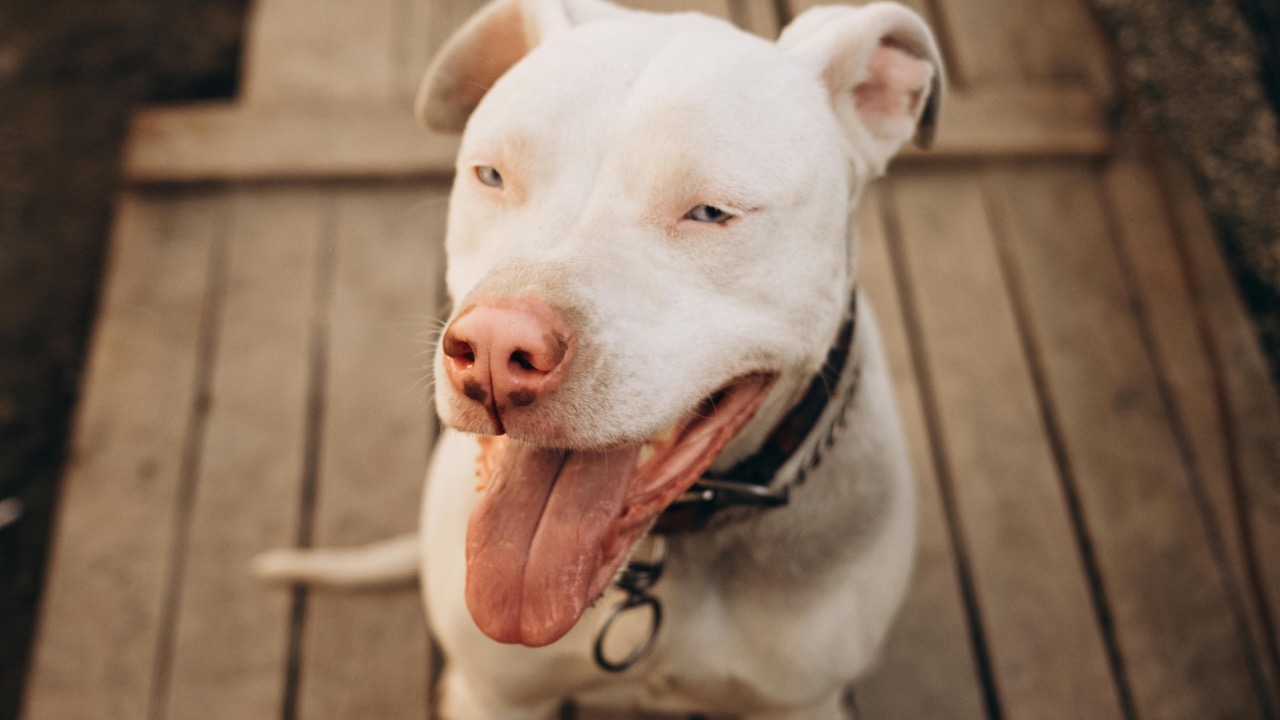
You’ve probably seen both sides of this breed. Well-raised pit bulls can be steady, social, and deeply attached to their people. But they’re also powerful dogs with a history tied to fighting, and that physical ability doesn’t disappear.
Vets often point out that when something goes wrong—fear, pain, or poor handling—the intensity of the response can be serious. It’s not about random aggression; it’s about how quickly a situation can escalate. If you don’t read the dog well or you ignore warning signs, you can get in trouble faster than you expect.
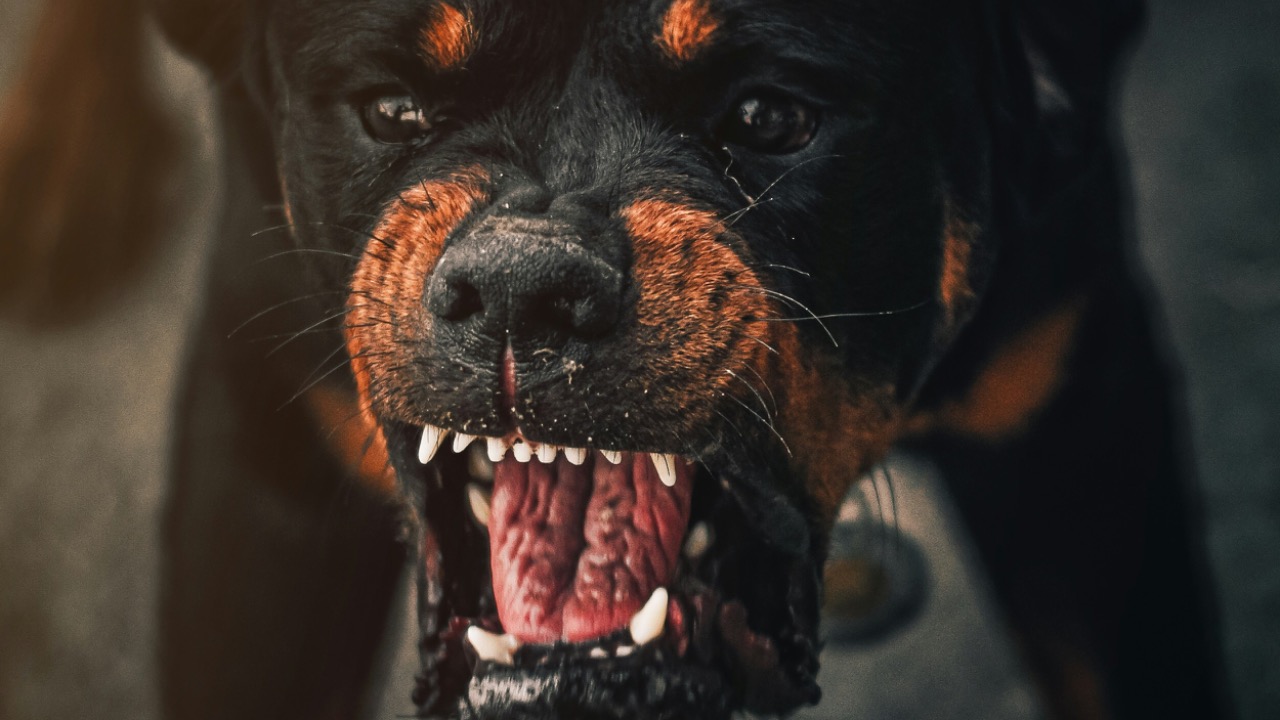
Rottweiler
Rottweilers are built to guard. That instinct runs deep, and when it’s channeled correctly, you get a loyal, controlled dog. When it’s not, you get a dog that makes decisions on its own.
What vets see are cases tied to misunderstanding that protective nature. A Rottweiler that feels uncertain or threatened may not hesitate. You’re dealing with size, strength, and confidence all in one package. Without steady leadership and early socialization, that combination can turn a small mistake into a serious incident.
German Shepherd
There’s a reason German Shepherds are used in police and military work. They’re intelligent, driven, and quick to act. That same edge can work against an inexperienced owner.
These dogs don’t do well with confusion or inconsistent handling. If they become anxious or overly protective, they can react before you realize what’s happening. Vets often see behavior issues tied to under-stimulation or poor structure. You’re not dealing with a laid-back dog here—you’re dealing with one that needs direction every day.
Doberman Pinscher
Dobermans are sharp dogs, both mentally and physically. They read situations quickly, and they bond closely with their owners. That tight bond can turn into overprotectiveness if it’s not managed.
Veterinarians will tell you that Dobermans don’t always give long, obvious warnings when they feel something is off. If they perceive a threat, they can act fast. That doesn’t make them unpredictable—it means you need to understand their thresholds and keep them balanced through training and exposure.
Chow Chow
Chow Chows don’t get talked about as much, but they show up in bite statistics more often than people expect. They’re independent, reserved, and not naturally social with strangers—or sometimes even with their own household.
Vets often describe them as less tolerant than other breeds. They don’t always signal discomfort in ways people recognize. If you push them or misread them, they can respond abruptly. You’ve got to respect their space and understand that they’re not wired to please the way other dogs are.
Akita
Akitas are strong, quiet, and serious dogs. They were bred to hunt and guard, and that mindset is still there. They tend to be calm most of the time, which can give a false sense of security.
When an Akita decides something isn’t right, it can act without much hesitation. Vets see issues tied to dominance conflicts or same-sex aggression, but problems can extend to owners if boundaries aren’t clear. This is a breed that needs firm, consistent handling from the start.
Siberian Husky
Huskies don’t fit the typical guard-dog profile, but they come with their own set of challenges. High energy, strong prey drive, and a tendency to ignore commands can create risky situations.
Veterinarians often point to frustration and pent-up energy as triggers. A husky that isn’t exercised or mentally engaged can become unpredictable in its behavior. They’re not known for turning on owners in the same way as guarding breeds, but when things break down—especially around food or restraint—they can react more sharply than people expect.
At the end of the day, you’re not looking at “bad dogs.” You’re looking at breeds that require more awareness, better training, and a steady hand. When vets raise concerns, it’s not to scare you—it’s to remind you that some dogs don’t give you much room to get it wrong.

Asher was raised in the woods and on the water, and it shows. He’s logged more hours behind a rifle and under a heavy pack than most men twice his age.