Animals that stand their ground against top predators
Across savannas, forests and coastlines, some animals do not flee when danger appears. They hold position, weaponize their bodies and behaviors, and often send even top predators looking for easier prey. I set out to examine how a handful of species manage to stand firm against lions, wolves and other hunters, and what their strategies reveal about power, courage and survival in the wild.
Powerhouses that barely need to back down
When people imagine a no‑limits showdown between land animals, the conversation often turns to sheer size and strength. In one widely shared debate, a user named Feb argued that an Elephant for the win was obvious, pointing to the way a Bull African Elephant dominates any hypothetical 1v1 contest, a reminder that mass and muscle can be a deterrent long before a fight begins, as discussed in a spirited forum. That kind of thought experiment mirrors what plays out in nature, where predators often abandon an attack once they realize the cost of tangling with a multi‑ton opponent.
In the real world, African Elephant herds rely on more than intimidation, combining tight social formations with raw force to shield calves from big cats and hyenas. They, identified explicitly as African Elephant in one detailed overview of animal strength, are described as capable of uprooting trees, shifting heavy obstacles and defending themselves with a level of brute power that few rivals can match, a profile that underscores why They rarely need to retreat. That combination of size, stamina and coordination means even apex predators tend to circle at a distance, waiting for a mistake that almost never comes.
Grizzlies, lions and the psychology of fearlessness
Some animals project such confidence that they seem to bend the behavior of other predators around them. Grizzly Bear populations in North America are a clear example, with footage of a Grizzly Bear facing down a Wolf Pack showing how these bears fear no other animal and function as apex predators in their ecosystems, a dynamic captured in a dramatic encounter. Even when outnumbered, a full‑grown grizzly often stands its ground, using its bulk, claws and explosive speed to convince wolves that persistence could be fatal.
On the African plains, Lions play a similar psychological game, especially when defending cubs or carcasses. Accounts of their behavior emphasize that Lions are willing to confront danger head‑on, protecting their cubs and pride with unwavering determination, and Even in the face of larger or more numerous rivals they are known for standing their ground to defend their territory, a pattern highlighted in research on the world’s bravest animals that links this boldness to survival and reproductive success, as seen in profiles of Lions. In both cases, the message to other predators is simple: the risk of injury is too high, and the payoff is rarely worth it.
Armored and armed: when defenses invite confrontation
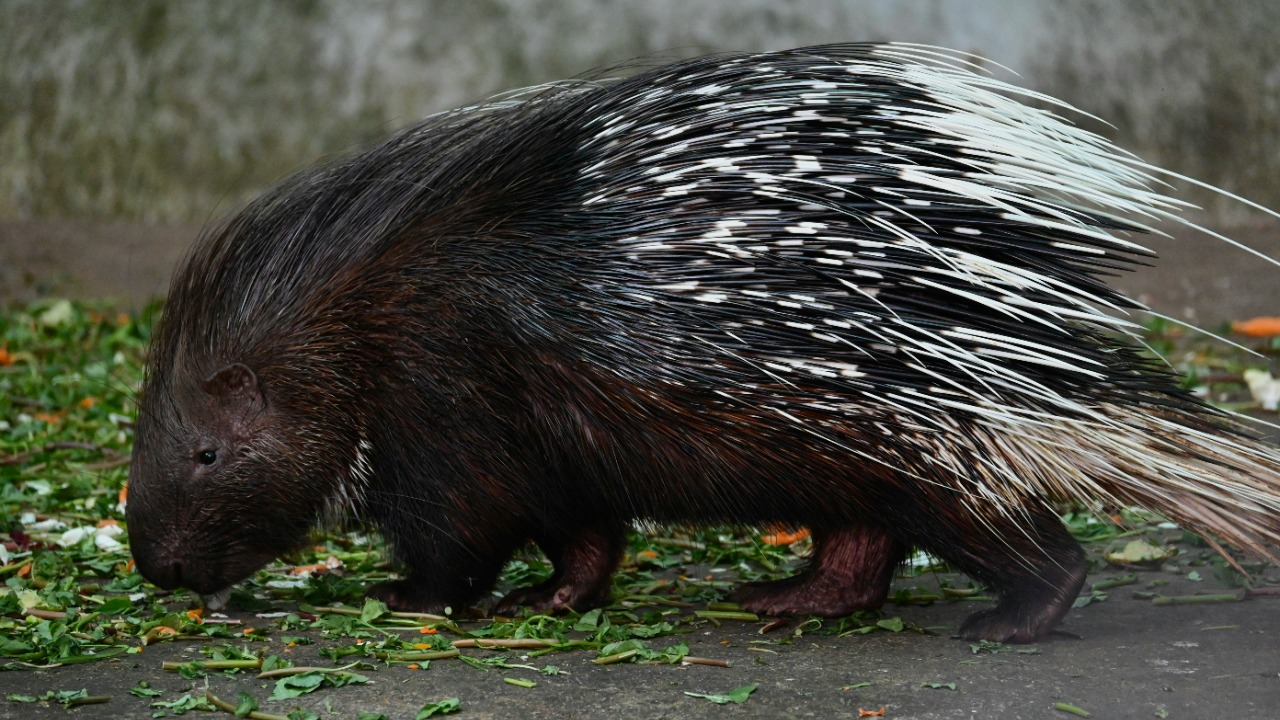
Not every animal that holds its position is massive; some are simply so well protected that fleeing would be unnecessary. Classic examples include tortoises and porcupines, which are so well endowed with defences that they stand their ground and make no attempt to escape, relying on shells, quills and powerful teeth that they readily employ for defence, a strategy outlined in work on Some secondary anti‑predator devices. For a lion or leopard, a face full of quills or a jaw broken on a shell can mean starvation, so these armored species often win simply by presenting a wall of pain.
Biologists group these traits under mechanical defenses, a category that includes thick hides, horns and spines, but also behaviors such as warning displays, kicking or playing dead. One overview of animal adaptations notes that Animals have developed various protective adaptations to defend against predators or secure food, listing these mechanical traits alongside tactics like bluff charges and sudden color flashes that startle attackers, a framework laid out in a widely shared presentation. The common thread is that these animals do not just survive attacks; they turn their bodies into weapons that make predators think twice about ever trying again.
Rhinos and the cost of challenging a tank
Few confrontations capture the idea of standing firm against a top predator as vividly as a rhino facing a lion. Analyses of such clashes conclude that the rhino is the winner, stressing that Rhinos are ancient creatures that have been around for over 50 m years and that They have a fierce reputation for charging threats with enough force to flip vehicles or gore large carnivores, a perspective grounded in detailed comparisons of horn structure and body mass, as explored in assessments of Rhinos. For lions, which rely on agility and teamwork, a frontal assault on such a tank‑like herbivore is usually a last resort.
That evolutionary history matters, because surviving alongside large predators and even dinosaurs can deliver a lot of damage to any species that is not heavily defended. Over tens of millions of years, rhinos have refined a strategy built on thick skin, forward‑facing horns and a hair‑trigger response to perceived danger, traits that make them unpredictable and extremely dangerous to approach. In practice, this means that even apex predators often limit themselves to testing calves or sick individuals, while healthy adults stand their ground and dictate the terms of any encounter.
Small bodies, aggressive tactics
Size is not the only path to resilience, and some of the most striking examples of animals that refuse to back down come from much smaller species. A survey of Animals That Attack To Defend Themselves From Predators highlights how a Skunk will pivot, raise its tail and spray a noxious chemical cloud, how The Exploding Ant sacrifices its own body to release sticky toxins, how the Golden Poison Frog carries enough venom to kill larger animals, and how the Bombardier Beetle fires boiling chemicals from its abdomen, all of them using offense as a form of defense, as detailed in a vivid look at Animals That Attack. These species do not just endure attacks; they punish them.
Other unlikely defenders rely on what look like superpowers from a human perspective. One account of unusual marine and freshwater creatures notes that a lot of these things seem almost like superpowers compared to what we, as humans, are capable of doing, but then adds that But there is an entirely ordinary evolutionary logic behind abilities that capture prey and deter or defy predators, from electric shocks to toxic barbs, a point made in a discussion of But three unlikely deadly creatures. In each case, the animal’s willingness to stand its ground is backed by a very real capacity to injure or kill a would‑be predator, which reshapes the food chain from the bottom up.
Guardians, fliers and the choice to stay put
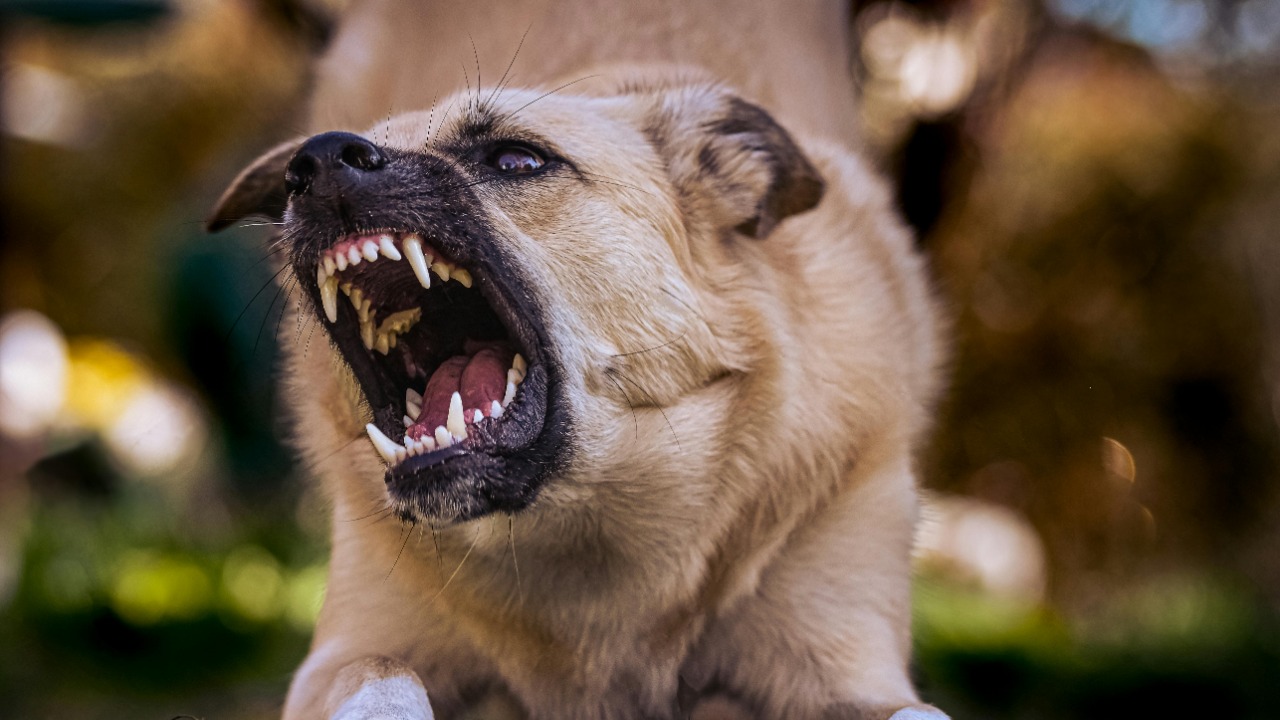
Domesticated species can also show how standing firm becomes a survival strategy, especially when humans select for those traits. In agricultural settings, Llamas, donkeys and dogs are animals most commonly used for this purpose, with the best guard animals staying with the livestock without harming them and aggressively repelling predators, a pattern described in guidance on choosing effective Llamas and other guardians. These animals are valued precisely because they do not run when coyotes or stray dogs appear; they move toward the threat, using size, noise and sometimes kicks or bites to drive it off.
In the wild, the ability to fly might seem like the ultimate escape route, yet some aerial species also choose to confront danger on the ground. One discussion of vertebrates and invertebrates that can fly notes that There are 3 groups of extant animals that can fly, listing Insects, birds and bats, and adding that Extinct animals would include flying reptiles that used to dominate ancient skies, a taxonomy laid out in a detailed overview. Many of these fliers, from territorial birds dive‑bombing hawks to bats mobbing snakes near roosts, illustrate that having an escape option does not always mean using it; sometimes the best defense is to harass a predator until it leaves.
Regeneration, sacrifice and the long game
Some animals can afford to confront predators because they are built to recover from damage that would be catastrophic for others. Video analyses of regenerating species point out that Some species will break off their limbs for protection and that Later those lost appendages will regenerate, while Some animals have a more extreme ability to regrow complex structures after injury, a capacity that changes the calculus of risk in any confrontation, as shown in a visual exploration of Some of the strangest regenerating animals. For these species, losing a tail or limb during a fight is not the end of the story; it is a trade‑off that allows them to survive and eventually return to full strength.
From a broader evolutionary perspective, these strategies fit into a spectrum of defensive adaptations that balance immediate survival against long‑term fitness. Whether it is a porcupine bristling its quills, a rhino lowering its horn, a skunk preparing to spray or a tiny beetle priming its chemical cannon, the decision to stand firm reflects a calculation shaped by millions of years of trial and error. Predators learn quickly which targets are not worth the trouble, and over time those lessons ripple through ecosystems, influencing everything from hunting routes to breeding success. In that sense, the animals that stand their ground against top predators are not just brave; they are architects of the landscapes and food webs that surround them.

Leo’s been tracking game and tuning gear since he could stand upright. He’s sharp, driven, and knows how to keep things running when conditions turn.