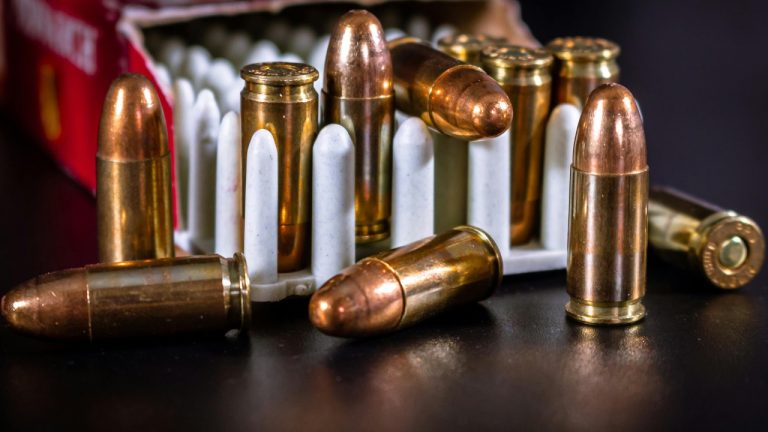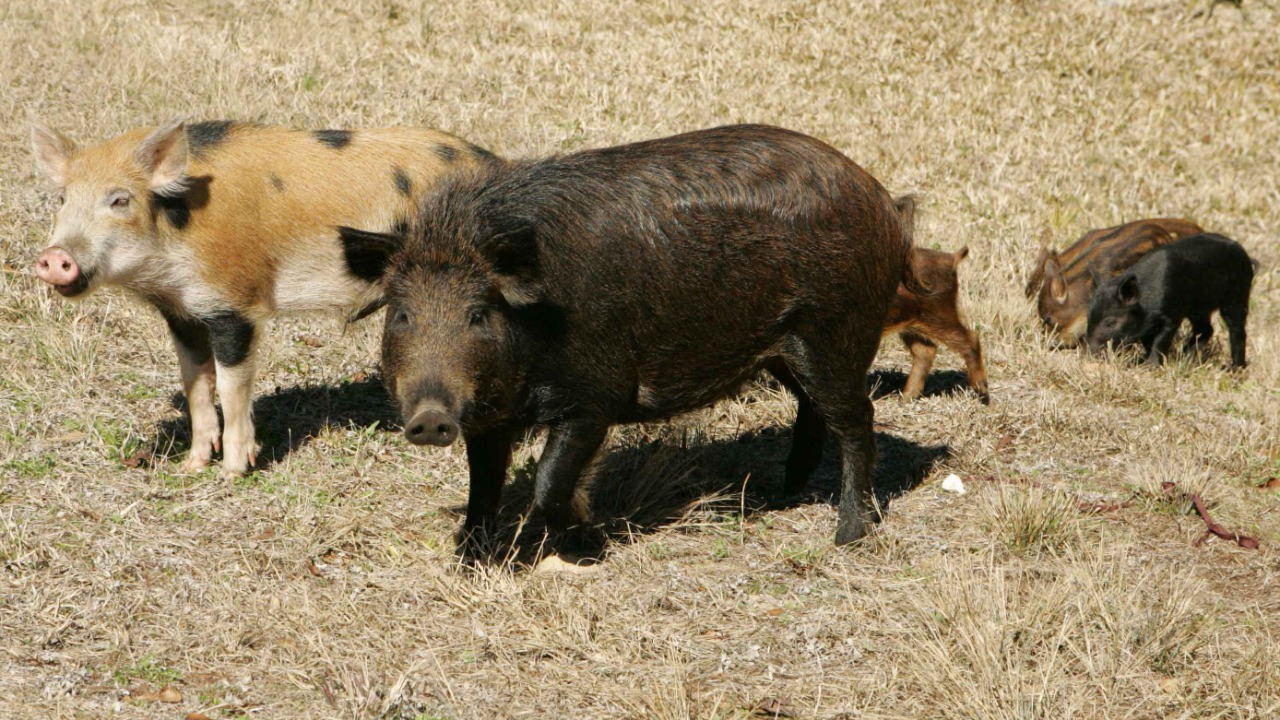
Hog hunting cartridges that perform well when shots come fast
Hog hunters rarely get the luxury of a calm, broadside animal at long range. Most encounters unfold at close to moderate distances, in thick cover, with multiple pigs moving at once and only seconds to pick a target and press the trigger. When shots come fast, the cartridge has to hit hard, track predictably, and allow the shooter to stay on the sights for an immediate follow up.
In that kind of chaos, the best hog rounds combine reliable penetration with controllable recoil and fast handling in real rifles hunters actually carry. I look at how proven cartridges behave when the adrenaline spikes, drawing on field driven criteria, energy focused advice, and specific examples of loads that keep their composure when the sounder breaks loose.
What “fast shot” performance really means on hogs
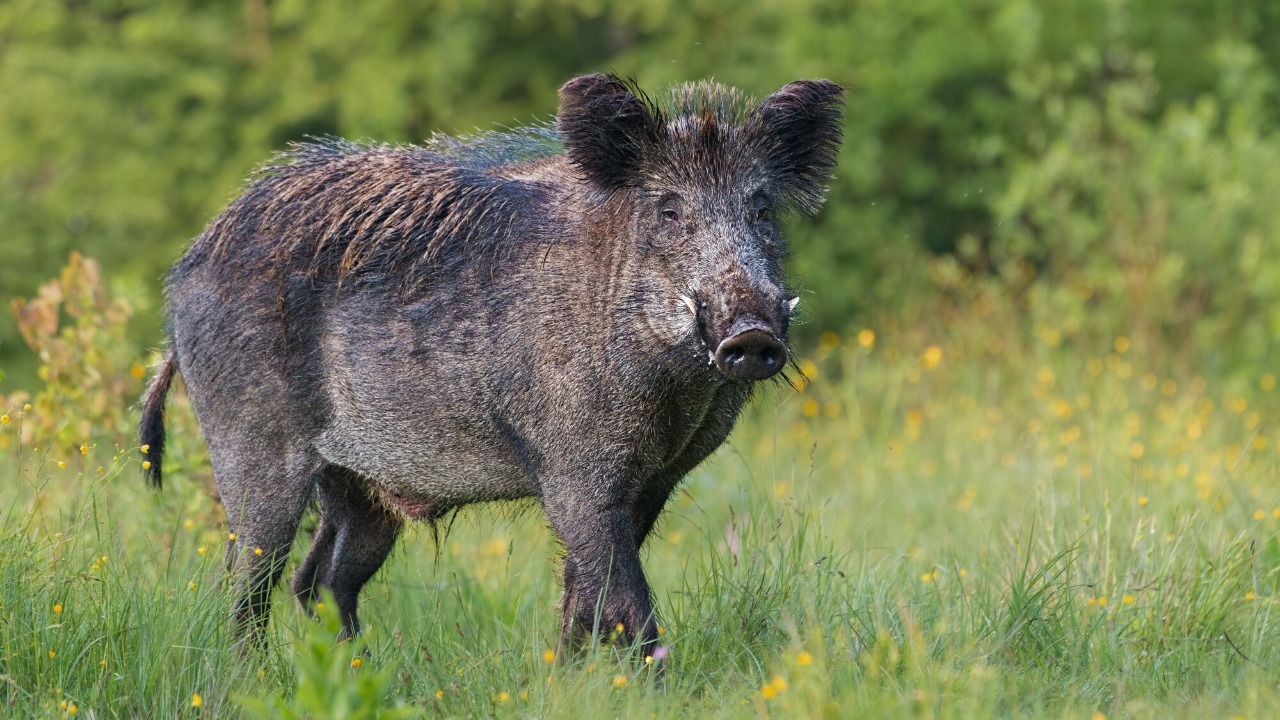
When hogs erupt from cover, the limiting factor is usually the shooter, not the rifle, so the cartridge has to support quick, confident decisions. I define fast shot performance as the ability to mount the gun, find the vitals on a moving target, and deliver one or more accurate hits before the opportunity disappears. That demands a balance of power, recoil, and trajectory that lets the hunter focus on sight picture instead of bracing for punishment. Practical criteria for boar rifles emphasize power, accuracy, reliability, and the shooter’s confidence in making a clean shot, which aligns with how Criteria for Selecting are framed for Texas hunts.
Energy on target still matters, especially on big boars with heavy shields, but it has to be delivered in a package the hunter can run quickly. Guidance on hog cartridges stresses choosing rounds that produce more energy than typical deer loads while still being manageable for repeated shots, a point echoed in advice that notes, “Maybe pigs really do have more grrr,” before recommending cartridges that hit harder than many whitetail setups while staying controllable for follow ups, as seen in Dec hog cartridges coverage. In practice, that means favoring mid bore and efficient .30 caliber rounds over ultra magnums that slow the shooter down after the first trigger pull.
Why .308-class power dominates serious hog camps
Among experienced hog hunters, the 308 level of performance has become a benchmark because it blends authority with shootability. The .308 Winchester is repeatedly described as one of the best overall calibers for hog hunting thanks to its combination of power, manageable recoil, and versatility in bullet weights, a reputation highlighted in both 308 guidance and Oct Winchester discussions. In the field, that translates into enough penetration to break shoulders or drive through the gristle plate at odd angles, while still allowing most shooters to stay on target for a second shot.
Modern rifles built around this cartridge also favor fast shooting. Straight pull and short bolt throw designs in .308 Winchesterround are praised for offering an excellent combination of velocity, energy, and range, while specifically enabling a second shot on a moving animal without the disruption of a long bolt cycle, as detailed in coverage of the Winchesterround. When a sounder scatters and one boar peels off wounded, that ability to run the action and reengage without losing the sight picture is often more decisive than a small bump in raw muzzle energy.
5.56 NATO and 5.56mm AR-15 setups when speed is everything
At the lighter end of the spectrum, 5.56 NATO remains a go to choice for hunters who prioritize speed, capacity, and low recoil, especially in AR-15 platforms. Lists of effective hog cartridges explicitly include the 5.56 NATO as a deadly option when paired with proper bullets and shot placement, describing it as the most basic but still highly effective round in a lineup of eight proven hog killers, as seen in the Deadly Cartridges for overview that also notes its NATO designation and role as a go to choice. In practice, the low recoil of 5.56 lets hunters track multiple pigs through the scope or red dot and send rapid, controlled pairs without losing the target in recoil.
Running a 5.56mm AR-15 for hogs does demand careful setup and realistic expectations. Guidance on Hog Hunting With a 5.56mm AR-15 points out that zeroing and grouping a firearm with a 1x red dot can be a challenge at 100 yards, and that the AR-15 has specific strengths and limitations that must be respected for ethical kills, as explained in Hog Hunting With advice. For fast shots inside typical hog distances, however, a properly zeroed carbine with quality expanding or bonded bullets can put multiple rounds exactly where they need to be, which is a real advantage when several pigs are quartering away in low light.
Midrange workhorses: .270 Win and similar all purpose rounds
Between light 5.56 and heavier .30 calibers, cartridges like .270 Win offer a compelling middle ground for hunters who split time between hogs and deer. Evaluations of The Best Calibers for Hog Hunting of 2025 single out a 130-grain .270 Win load as a Best Budget option, specifically the Winchester Super X Power Point 130-grain .270 Win, underscoring how this classic round delivers flat trajectory and solid terminal performance without punishing recoil, as detailed in the Winchester Super breakdown. That kind of load lets a hunter hold center mass on a trotting hog out to moderate ranges without complex holdovers, which is exactly what fast shot scenarios demand.
Other midrange cartridges in this family, such as 7mm-08 or .25-06, share the same virtues of relatively light recoil and efficient bullets that carry enough energy for hogs inside typical engagement distances. A discussion of short range hunting cartridges highlights options like .350 Legend, .30-30, 308, 7mm-08, .243 Winchester, .25-06, and 6 mm rounds for hunters who rarely shoot past 300 yards, emphasizing their practicality and effectiveness in real world conditions, as seen in the 350 and 243 overview. For hogs in brush, these cartridges give shooters a forgiving margin of error on range estimation while still allowing quick follow up shots from lightweight bolt guns.
Straight wall speed: .350 Legend in tight cover
In states that restrict hunters to straight wall cartridges, .350 Legend has emerged as a standout for fast shooting in thick hog habitat. The .350 Legend is described as the top choice for deer hunters, with Its light recoil allowing for quick follow up shots and precision accuracy, making it ideal for whitetail deer hunting, as explained in the Legend straight wall analysis. Those same traits translate directly to hogs, where a cartridge that stays flat enough at modest ranges and does not knock the shooter off target is invaluable when pigs are weaving through saplings.
Because .350 Legend can be chambered in compact bolt actions and AR style rifles, it also supports the kind of fast handling platforms that shine in night hunts and driven style setups. The earlier discussion of short range cartridges that includes 350 Legend among practical under 300 yard options reinforces how this round fits into a broader category of efficient, moderate recoil choices that let hunters stay aggressive when opportunities are fleeting, as noted in the Legend video. For hogs that appear suddenly at the edge of a sendero or in a cut cornfield, that combination of fast cycling rifles and forgiving ballistics can be the difference between one pig and a full truck bed.
Energy, bullet choice, and why hogs punish marginal hits
Hogs are notoriously tough, with dense muscle, heavy bones, and in mature boars a thick shield of cartilage over the shoulders that can stop or deflect poorly constructed bullets. That is why many experienced hunters recommend stepping up in energy compared with typical deer loads, arguing that it is good advice to go with a cartridge that produces more energy and uses bullets designed for deep penetration on game that can soak up punishment, a point made plainly in Whatever the guidance on hog specific cartridges. In fast shot situations, where angles are rarely perfect, that extra margin of penetration can turn a marginal quartering hit into a lethal wound instead of a lost animal.
Bullet construction is just as critical as caliber. The lineup of 8 Deadly Cartridges for Hog Hunting emphasizes not only the cartridges themselves, from 5.56 NATO up through heavier .30 calibers, but also the importance of penetration on solid boars, noting that some loads are chosen specifically for their ability to punch through bone and shield, as outlined in the NATO and penetration discussion. When shots come fast, hunters do not always have time to wait for a perfect broadside, so using bonded or monolithic bullets that hold together at impact speeds is one of the most reliable ways to stack the odds in favor of a quick recovery.
Platform and optic choices that keep you on target
The cartridge is only part of the equation; the rifle and optic have to support rapid, repeatable hits. Semi automatic platforms like the AR-15 in 5.56mm or .308 based AR-10 variants naturally lend themselves to fast follow up shots, but they also require careful zeroing and practice to exploit their advantages. Advice on Zeroing and grouping a firearm with a 1x red dot at 100 yards underscores that even seemingly simple setups demand attention to detail if the shooter expects the point of impact to match the point of aim when a hog is moving, as described in Zeroing and notes. A sloppy zero turns fast shooting into fast missing, regardless of how capable the cartridge might be.
Bolt actions are not out of the running for rapid shots either, especially when paired with cartridges like .308 Winchesterround that are explicitly praised for enabling a quick second shot on a moving animal in straight pull designs, as highlighted in the second shot coverage. Low power variable optics, illuminated reticles, and rugged red dots all complement these rifles by making it easier to pick up a pig in the scope at close range and track it through recoil. In my view, the best hog setups pair a cartridge that hits decisively with an optic that lets the hunter stay target focused instead of hunting for a tiny field of view.
Matching cartridge to hunt style, from feeders to night runs
Different hog hunting styles place different demands on the cartridge, especially when shots must be taken quickly. Over feeders or in open fields where ranges are predictable and angles are controlled, cartridges like .270 Win or 130-grain soft points in similar calibers provide a forgiving blend of flat trajectory and moderate recoil, as seen in the praise for the Winchester Super X Power Point 130-grain .270 Win as a budget friendly yet capable option in Best Budget recommendations. In those scenarios, the hunter often has time to settle in, but when multiple pigs appear, the ability to cycle quickly and stay on target still matters.
Night hunting, driven hunts, and spot and stalk in thick brush tilt the scales more toward fast handling rifles and cartridges that allow rapid strings of fire without excessive muzzle blast or recoil. Field driven criteria for boar rifles stress reliability and shooter confidence, noting that Selecting the right gun and ammo means balancing power with the ability to place shots accurately under pressure, as outlined in Selecting the guidance. In my judgment, that is where cartridges like 5.56 NATO, .350 Legend, and .308 Winchester shine, each offering a different balance of recoil and terminal performance but all supporting the kind of fast, decisive shooting that modern hog control often requires.

Leo’s been tracking game and tuning gear since he could stand upright. He’s sharp, driven, and knows how to keep things running when conditions turn.