When coyotes are most aggressive in residential areas
Coyotes have learned that cul-de-sacs and greenbelts can be as productive as any sage flat, and that shift has brought their most aggressive moments right to the edge of our patios and schoolyards. If you understand when they are most defensive, most food‑driven, and most likely to stand their ground instead of slipping away, you can keep your family, your pets, and the coyotes themselves out of trouble. I have found that once you map their daily and seasonal patterns, the “mystery” of coyote aggression in residential areas turns into a set of predictable, manageable risks.
Why coyotes turn aggressive in neighborhoods
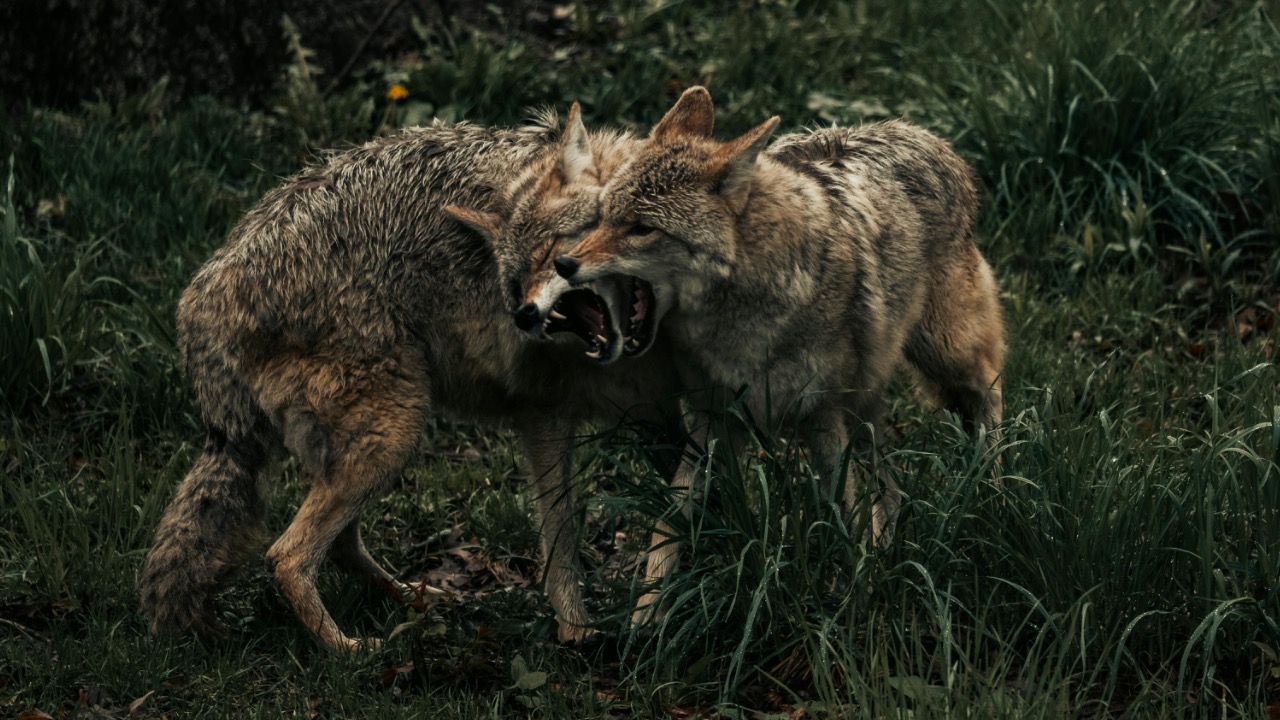
In wild country, a healthy coyote usually wants nothing to do with you, but in town the rules change as soon as food and fear start to shift. When people leave trash, pet food, or fallen fruit available, coyotes quickly learn that backyards are easy hunting grounds, and some of those animals begin to test how close they can come to porches and playsets without consequence. Over time, that steady reward can turn into bold behavior, and a coyote that no longer trots off when it sees a person is already on the front edge of problem aggression, something wildlife agencies flag in their guidance on Recognizing Problem Coyote.
Once a coyote has linked people and houses with food, it starts to lose its natural wariness, a process biologists describe as habituation. These habituated animals are the ones that linger in yards, follow joggers, or shadow kids walking a small dog, because they have learned that humans are not a threat and might even mean an easy meal. Humane groups warn that these coyotes have become accustomed to feeding on what we leave out in the neighborhood, and that is when nips, pet attacks, and other aggressive encounters start to climb.
Daily rhythms: night, dawn, and those “odd” daytime sightings
Most people first notice coyotes cutting across a street under a streetlight or trotting along a fence line at last light, and that is no accident. Wildlife agencies note that Coyotes, Canis latrans, are most active hunters from dusk through the night into dawn, a schedule that helps them avoid people while still working the edges of our neighborhoods. In heavily developed areas, other researchers have found that Coyotes tend to be most active at night, especially where human traffic is heavy during the day, which is why you hear howling after midnight but rarely see them at noon.
That said, a coyote moving through a subdivision in broad daylight is not automatically a rabid animal on the attack. Wildlife guidance from Maine notes that these animals adjust their Coyotes More Active patterns based on food and disturbance, and urban projects in Portland point out that Coyote Behavior by Season includes plenty of daytime movement when adults are hustling to feed pups. The real red flag is not the time of day, but a coyote that does not move off when it sees you, or one that approaches people directly, behavior that health officials in Portland link to illness or neurologic problems when they describe how According to Fish and Wildlife, coyote attacks on people are very rare and usually tied to disease or feeding.
Seasonal spikes: mating, denning, and pup‑rearing
Across most of the country, the most defensive coyotes you will meet are the ones tied to a mate or a den. Local wildlife alerts point out that the next four to six weeks of Jan are mating season for coyotes, with breeding peaking in late February and early March, and that is when you are more likely to see pairs traveling together and patrolling territory. Another city warning from Mar notes that Coyotes and their mates can show more aggressive and territorial behavior toward dogs and people who wander too close.
Once pups are on the ground, the risk shifts from mating aggression to den defense. Wildlife managers in Idaho explain that There is a biological reason behind coyotes behaving more aggressively during denning season, because adults are hard‑wired to protect pups and will sometimes escort or even nip at dogs that stray near a den. The Portland Urban Coyote Project notes that in Season and Spring, from March through May, litters of pups are being born across Portland, and adults may become more visible and more defensive around den sites tucked into brushy lots or under backyard sheds.
When coyotes focus on pets, not people
For most suburban families, the real flashpoint is not a direct attack on a person but a coyote that keys in on a dog or cat. State wildlife guidance on Coyote Encounters notes that a coyote that does not flee from people should be considered dangerous, and that dogs can trigger confrontations because coyotes see them as competitors or prey. Research on urban Conflicts with Dogs shows that less commonly, coyotes may attack small dogs and, rarely, medium‑to‑large dogs, usually when dogs are off leash and move into a coyote’s space.
Seasonal patterns make those pet encounters more likely at certain times of year. Wildlife control specialists point out that Seasonal patterns during mating and denning seasons make coyotes more protective and aggressive, especially toward dogs that wander near dens or travel corridors. Humane groups stress that Protecting dogs means never letting them interact or play with a coyote, keeping pet food and water indoors, and using solid fencing to reduce the chance of a coyote slipping into the yard.
How rare human attacks really are
When a coyote shows its teeth at the end of your driveway, it feels like a crisis, but the numbers tell a calmer story. State wildlife agencies emphasize that the chance of being attacked by a coyote is extremely low, and that most bites on humans can be traced back to people intentionally or unintentionally feeding coyotes, a point spelled out in the frequently asked questions about coyotes. Public health officials in Portland echo that Normally coyotes try to avoid people, and that conflict is typically tied either to feeding or to disease such as rabies or distemper.
Wildlife control professionals who deal with problem animals for a living frame it the same way. They note that Coyote Encounters with Humans become dangerous when coyotes grow more territorial and aggressive around food sources or pups, or when they have lost their fear of people. Education groups that track urban coyotes underline that Typically coyotes avoid direct interaction with humans, and that only habituation or very rare aggressive encounters with humans break that pattern.
Feeding, garbage, and the backyard “territory switch”
If you want to know when a coyote is most likely to act bold in a neighborhood, follow the food. Wildlife specialists warn that in neighborhoods where cooking or garbage is left accessible, coyotes quickly learn to patrol those routes, and that a consistent presence of coyotes usually indicates a food source like rodents, accessible garbage, or pet food, a pattern described in urban Conflicts research. Humane wildlife control operators add that This is key to getting rid of them, because if you remove the attractants, coyotes will usually move on to better hunting grounds.
Community alerts aimed at pet owners spell out the same logic in plain language. One widely shared FYI urges people not to leave food accessible, to keep garbage in enclosed containers, to secure grills and outdoor cooking items, and to pick up fallen fruit from trees so they are not inviting danger to their home. When those attractants are present, coyotes begin to treat the yard as part of their territory, and that is when you see them standing their ground, bristling at dogs, or circling back after you try to scare them off.
Reading the warning signs before aggression escalates
Most aggressive incidents do not come out of nowhere; the coyote usually telegraphs its comfort level long before it snaps or lunges. Extension specialists lay out a progression in Recognizing Problem Coyote, starting with animals that are seen more often at night, then in early morning and evening, then during the day, followed by coyotes that linger in yards, approach people or pets, and eventually show aggressive postures. State wildlife agencies in New York add that a coyote that does not flee from people should be considered dangerous, and that repeated sightings of such an animal around Dogs and children are a sign that it has lost its fear.
Public health officials in Portland describe another red flag: a coyote that behaves oddly, staggers, or approaches people in broad daylight without any sign of fear can be suffering from rabies, distemper, or another neurologic condition, which they highlight when explaining that Fish and Wildlife link unusual aggression to disease. Education groups that track city coyotes stress that However, typically coyotes avoid direct interaction with humans, so when you see one watching you from a distance and then trotting off, that is normal behavior, not the start of an attack.
How and when to haze a bold coyote
Once a coyote starts hanging around yards in daylight, the best tool most homeowners have is hazing, which is a fancy word for convincing the animal that people are trouble. Humane groups recommend several Methods of hazing, including yelling and waving your arms while you move toward the coyote, using noisemakers like your Voice, whistles, air horns, or shaking a can full of coins, and throwing small objects like tennis balls or clods of dirt near (not at) the animal to push it back. Urban coyote researchers also suggest carrying some sort of noise maker when you are out walking, and note that We recommend people use repellents or fencing to help keep coyotes out of specific spaces.
Local wildlife groups that monitor neighborhood sightings urge residents to be proactive about hazing during peak activity periods. One community post that starts with Jan notes that people should keep dogs on short leashes no longer than six feet, carry whistles or other noisemakers, and yell, clap hands, or blow a whistle during a close encounter with a coyote. Urban coyote projects in Portland add that the best thing to do when you see a coyote is to make yourself big, make noise, and move toward it so it learns to keep its distance from humans, a key part of keeping everyone safe during From March through the rest of the year.
Hardening your yard before coyotes get bold
The quiet work that really changes coyote behavior happens long before you ever have to shout at one. Wildlife rehab centers that deal with urban coyotes explain that to completely prevent coyotes from entering your backyard, you need a tall wooden fence with the bottom of the fence buried or otherwise secured so coyotes cannot dig under, advice laid out in guidance on living with eastern. Humane groups that focus on pets add that Pet food and water should be kept indoors, and that fences are more effective when combined with motion‑activated lighting and the removal of brushy hiding cover along fence lines.
Community safety campaigns aimed at peak wildlife activity periods spell out a checklist that works in any suburb. One alert that opens with STAY SAFE AGAINST COYOTE ATTACKS urges homeowners to supervise pets, especially at night when wildlife is most active, to use motion‑activated lighting to deter nocturnal animals from approaching, and to remove attractants like fallen fruit. Humane wildlife control operators underline that will move on is the usual outcome once you make a yard uninteresting, which means you are less likely to ever see the kind of bold, territorial coyote that makes headlines.

Asher was raised in the woods and on the water, and it shows. He’s logged more hours behind a rifle and under a heavy pack than most men twice his age.