Officials face backlash after announcing a ban in a heavily used hunting area
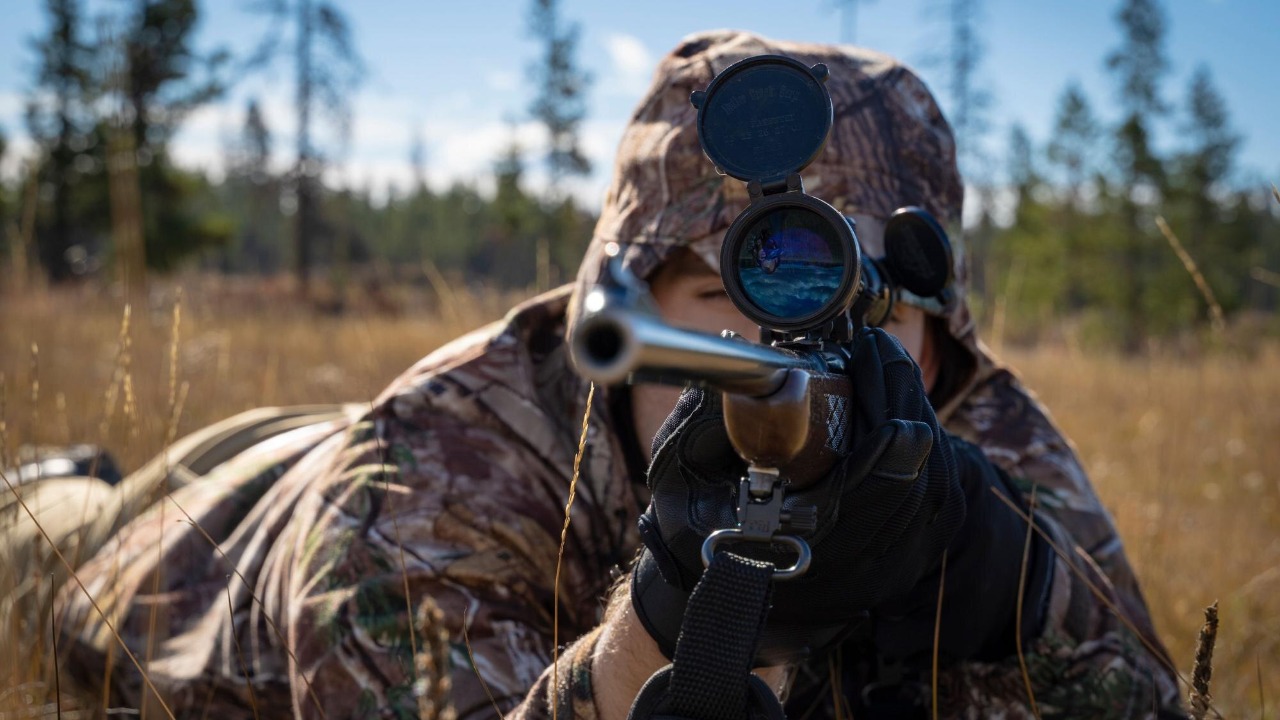
State wildlife officials have ignited a political and cultural firestorm by announcing a sweeping ban in one of the most heavily used hunting areas in the American West. The move, framed as an emergency response to collapsing mule deer numbers, has collided with deep economic dependence on hunting and a growing global debate over what ethical, modern wildlife management should look like. I want to unpack how this single decision fits into a much wider clash over conservation, rural livelihoods, and the future of hunting itself.
The backlash is not just about one closure or one season. It reflects a broader moment in which governments from the northern Rockies to England and Wales are rethinking long‑standing field sports, tightening rules on technology, and weighing animal welfare arguments against the realities of rural economies. The Montana ban is a case study in how quickly those tensions surface when officials move faster than the communities that live with the consequences.
The Montana ban that lit the fuse

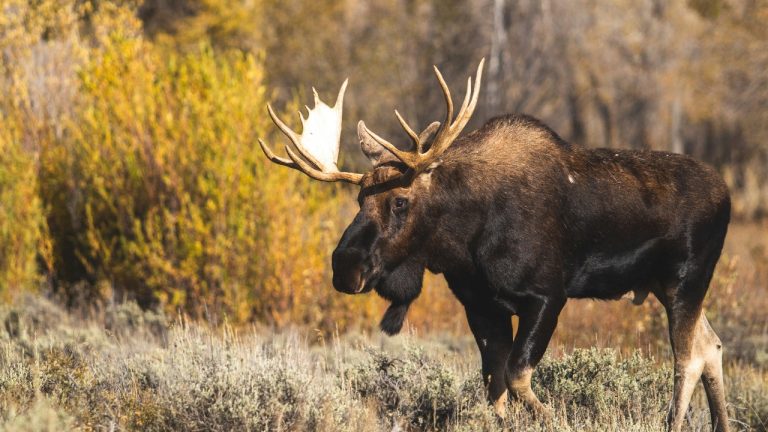
The controversy centers on a popular public hunting area in Montana, where state wildlife managers have sharply restricted mule deer hunting after years of declining herds. Officials say the ban is necessary to give the population breathing room, pointing to shrinking fawn survival and competition from other big game such as elk. In their telling, the closure is a painful but unavoidable step to keep the herd from sliding into a long‑term crash that would be even worse for hunters.
Hunters who rely on this landscape, however, describe the decision as a blunt instrument that punishes them for problems they did not create. The area is one of the most heavily used hunting grounds in the region, drawing residents and nonresidents who plan trips and budgets around access to public land. When Officials abruptly changed the rules, outfitters saw bookings evaporate and local businesses braced for a quieter season. For many critics, the core complaint is not that “something has to be done” about mule deer, but that this particular something landed on their shoulders alone.
Why mule deer are in trouble
Biologists have been warning for years that mule deer across parts of the West are under pressure from a mix of habitat loss, changing winters, and competition from other ungulates. In the Montana unit at the heart of the ban, managers point to human encroachment on winter range and increased disturbance from recreation as key drivers of the decline. Critics accept that the herd is struggling but argue that closing a heavily used hunting area without tackling those root causes will not reverse the trend in a meaningful way, a concern echoed in reporting that notes how Critics see hunting limits as a partial fix at best.
There is also a scientific debate over how much hunting pressure actually contributes to the decline compared with factors like drought and predation. Some wildlife advocates argue that reducing tags in a single unit is a logical first step, while others say the state should focus on habitat restoration and better management of competing species. The same report that details the ban notes that mule deer are facing increased competition from elk and other animals, suggesting that a narrow focus on hunter harvest may miss the bigger ecological picture, even as Hunting remains central to how Montana funds conservation.
Economic shock in a hunting‑dependent region
Hunting is big business in this part of the northern Rockies, and the Montana closure lands in communities that have built entire fall economies around the influx of camo‑clad visitors. Guides, motels, gas stations, and meat processors all depend on a reliable flow of hunters into public lands, a reality underscored by coverage that describes how Hunting in Montana draws both residents and tourists to chase big game. When a heavily used unit goes dark, the ripple effects are immediate: fewer bookings, less gear sold, and thinner margins for small businesses already operating on seasonal swings.
The backlash has been particularly sharp among outfitters who invested in leases, horses, and staff on the assumption that the area would remain open under predictable regulations. They argue that the state should have phased in restrictions or offered compensation, rather than imposing a sudden ban that leaves them scrambling. Their frustration mirrors concerns in other rural economies, from British horse country to Midwestern farm towns, where changes to field sports or land use can feel like an urban‑driven decision that ignores how deeply these activities are woven into local livelihoods, a theme that surfaces again in debates over Labour policy in the United Kingdom.
Trail hunting bans abroad and the UK’s rural fault line
While Montana wrestles with mule deer, the United Kingdom is locked in its own battle over the future of trail hunting, a practice that emerged after the Hunting Act 2004 banned traditional fox hunting with hounds. Since the introduction of that law, many hunts have turned to trail hunting, with hounds following an artificially laid, animal‑based scent rather than a live quarry. Critics say the distinction is often cosmetic, arguing that trail hunting has been used to mask illegal foxhunting supported by video evidence and reports, a concern that has pushed The UK government toward a nationwide ban in Key Points laid out for England and Wales.
Labour’s proposed trail hunting ban has triggered warnings that it could “blow a hole” in the rural economy, including a major hit to Britain’s £4bn horse racing industry, a concern highlighted in social media posts that stress how Britain could feel the Fallout far beyond hunt meets. Many Labour MPs in urban areas support the ban, seeing it as a long‑overdue animal welfare measure, but rural voices warn that shutting down trail hunting will also hit feed suppliers, farriers, and the network of point‑to‑points that feed the sport, a tension captured in analysis that notes how Many Labour MPs back the change even as countryside businesses brace for impact.
Animal welfare campaigners versus hunting families
Supporters of stricter bans argue that the moral case is clear. Campaigners in Wales say the time has come to close loopholes left by the Hunting Act and stop the killing of wildlife, insisting that a comprehensive ban would finally align the law with public opinion. One widely shared account describes how Campaigners believe a tougher law could prevent foxes and other animals from being torn apart for sport, even as they acknowledge that But many support the ban for reasons that go beyond cruelty, including a desire to see the countryside managed for biodiversity rather than spectacle.
On the other side are families who say hunting quite literally kept them alive, providing food and community when money was tight. One Welsh hunter told reporters that “hunting saved my family’s lives,” only to watch lawmakers move toward banning it completely under pressure from urban voters and animal rights groups. That sense of being pushed aside is echoed in online activism, where a Parliamentary briefing with The New Hunting Ban has been promoted as a sign that legislators are committed to action to ban trail hunting, a moment captured in a video that shows an MP explaining how they attended a Parliamentary session with campaigners to push for change.
Technology, ethics, and the Idaho debate
Back in the United States, the fight over what counts as fair chase is playing out in legislative hearings as much as in the field. In Idaho, lawmakers are weighing how much tech is too much in big‑game seasons, with one proposal targeting high‑tech gear that can give hunters a near‑guaranteed edge. Local coverage describes how Idaho hunters are debating a bill that would regulate devices used for tracking and retrieval of big game animals, a conversation framed by a segment from Idaho stations KIFI and KIDK that notes the story was produced By KTVB for an audience of 0 Followers when it first aired.
Ethics are at the heart of this argument. An opinion piece in the region points out that Many states, including Wyoming, Montana, Nevada, Utah, Oregon, Washington, New Mexico, Arizona, South Dakota, North Dakota, and Alaska, already restrict or ban certain high‑tech hunting devices, arguing that they undermine the sporting element of the chase. The author urges Idaho to follow suit, warning that if technology continues to erode the challenge of the hunt, public support for hunting as a management tool could erode as well, a case laid out in detail in an editorial that lists how Many jurisdictions are already prohibiting most of these tools.
When “ethical standards” collide with tradition
Some states are not waiting for legislatures to act. In one case, state officials moved to ban residents from using a controversial hunting technology that critics say removes any real element of skill. A wildlife official, Michael Muir, argued that the device “undermines ethical standards” by stacking the odds so heavily in favor of the hunter that it effectively removes the sporting element. The ban, announced on a Tue afternoon at 3:15 PM PST, was framed as a necessary step to keep hunting aligned with public expectations of fairness, even if it meant telling some hunters that their preferred methods were no longer acceptable.
The reaction was swift, with some residents accusing the agency of overreach and others applauding the move as overdue. The same report notes that the story was a 2 min read and even encouraged readers to Add Yahoo as a preferred source to see more of this kind of coverage, a reminder of how quickly these niche regulatory fights can become fodder for broader culture‑war narratives. For hunters in Montana’s closed unit, the episode is a cautionary tale: once officials decide that a particular practice crosses an ethical line, the resulting bans can arrive faster than communities are prepared to adapt, especially when those decisions are justified in the language of ethical standards rather than simple rule changes.
Boundary Waters, mining, and the politics of public land
The Montana backlash is also unfolding against a national backdrop in which public land policy is increasingly contested. In Minnesota, for example, the U.S. House has voted to reverse a 20‑year mining ban near the Boundary Waters Canoe Area Wilderness, a move that conservationists say could threaten one of the country’s most iconic lake and forest complexes. The decision was framed by supporters as a way to reduce dependence on other nations for critical minerals, but it has alarmed many hunters and anglers who see intact watersheds as the foundation of their sports, a concern amplified by groups that have been speaking to By Hannah Northey about their fears.
Public land, hunting advocates, including so‑called Hook and bullet groups, have been lobbying moderates to kill the pro‑mining resolution, arguing that short‑term economic gains are not worth the risk to a fishery and wilderness that support guiding businesses and tourism. A separate analysis warns that Unprecedented Congressional Action Could Strip Boundary Waters of Protections, with 3 Comments appended to an article by Unprecedented Congressional Action author Sage Marshall Jan, who serves as Editor for a conservation‑focused outlet. For hunters watching Montana’s mule deer unit close, the Boundary Waters fight is a reminder that access and habitat can be reshaped overnight by decisions made far from the trailhead.
Culture, identity, and the meaning of “a way of life”
Beyond economics and ecology, these bans cut into questions of identity. In one striking example, the director of a popular gallery in Britain linked his resignation to the broader cultural shift around field sports, saying that Hunting and pointing are “one and the same” and warning that as one way of life is legislated out of existence, the other will inevitably follow. His comments, reported in a feature that quotes him reflecting on how Hunting and art intersect in rural culture, capture the sense among some that these policies are not just about animals but about erasing a social fabric.

Leo’s been tracking game and tuning gear since he could stand upright. He’s sharp, driven, and knows how to keep things running when conditions turn.