What’s Driving More Moose Encounters Near Roads and Towns
Across the North, more drivers are rounding a bend or stepping out the front door and finding a moose standing where it did not used to be. Collisions are climbing in some regions, and wildlife officers are fielding more calls about animals wandering through subdivisions, parking lots, and school grounds. I want to unpack what is pulling these huge animals toward roads and towns, and how hunters, travelers, and locals can read the patterns well enough to stay alive and give moose a fighting chance too.
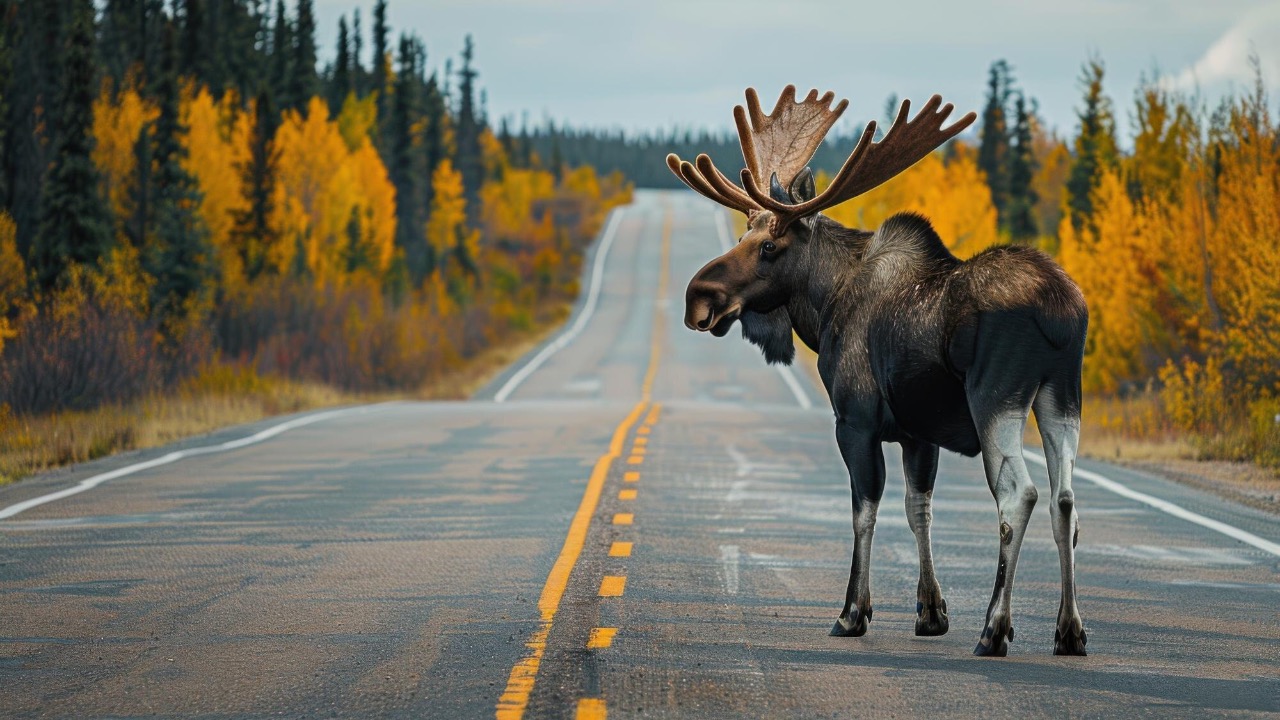
The short answer is that we have built a nearly perfect moose corridor system out of plowed highways, roadside salt, and green strips that cut straight through their best habitat. Add deep winter snow, shifting predators, and people who do not always recognize the warning signs, and you get more close calls at 55 miles an hour and more tense standoffs in cul-de-sacs. The details matter, because once you understand why moose are there, you can predict when they are most likely to step into your headlights.
Why Moose Are Showing Up Where We Live And Drive
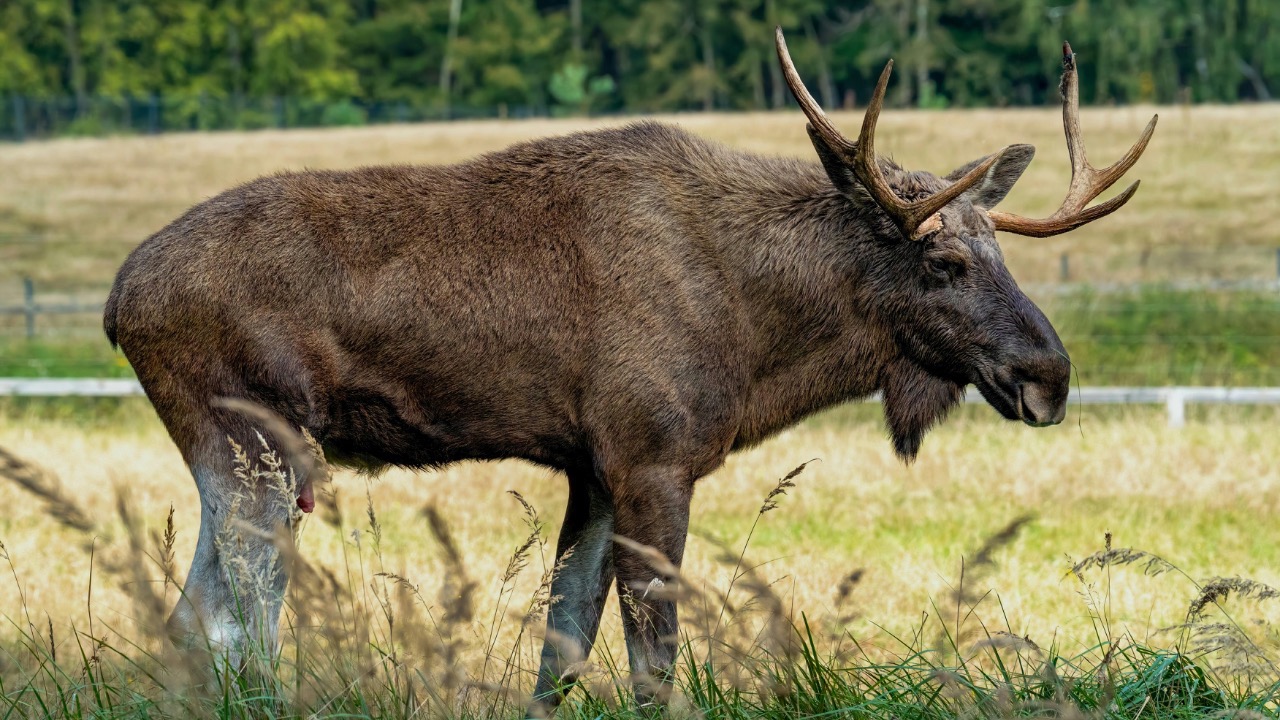
Moose are not wandering onto pavement by accident. In a lot of country, highways and secondary roads run right through the same wetlands, young forest, and brushy cuts that moose prefer, so the travel routes we like and the travel routes they like end up stacked on top of each other. Agencies that work in “moose country” warn that these animals are great to look at but can often found on the because the corridor itself is prime habitat, not a barrier.
On top of that, our maintenance habits make roads even more attractive. Salt and sand spread for winter traction wash into ditches and seep into the soil, turning the shoulder into a mineral buffet for animals whose natural browse is low in sodium. In some northern regions, moose are drawn to these roadside salt patches in the same way deer key on agricultural fields, and that pull is strongest in late winter and spring when their bodies are craving electrolytes. When you combine that with plowed lanes that are easier to walk than deep snow, you end up with big animals that learn to use the road system the way we do, as the path of least resistance.
Urban Edges And “Collision Hotspots”
As towns push outward, the line between human neighborhoods and moose habitat gets blurry. Research on Urban Moose at the edge of Prince George found that collision hotspots tend to form where there are fewer buildings and more green space, the kind of semi-developed fringe that looks like perfect cover and forage to a big ungulate. Those same studies, expanded in a broader look at urban landscapes, point out that these edge zones have unique features: pockets of vegetation, stormwater ponds, and quiet side streets that let moose slip in and out of town almost unnoticed until they cross a busy road.
That pattern shows up across the North. Subdivisions carved into forest, industrial parks built along rivers, and big-box stores with green belts behind them all create a patchwork that feels safe to a moose moving at night. The animal might spend most of its time in the treeline, then step out to cross a four-lane at dusk where drivers are not expecting anything larger than a whitetail. When you hear about “collision hotspots,” it is usually these in-between places, not the dense downtown core or the deep backcountry, that keep showing up on the map.
Season, Snow, And The Daily Moose Clock
Time of year and time of day both have a lot to do with why you are suddenly seeing more moose near pavement. Road safety programs that track crashes report that Time of Year matters, and that Most moose collisions occur during winter months, from November to February, with a peak from December to January. Those same data show that crashes spike between 5 pm and 7 pm, right when darkness, commuter traffic, and animal movement all line up. In the Adirondacks, officials echo that pattern, noting that According to the New York State, moose are most active at dawn and dusk, which is exactly when their dark bodies are hardest to see.
Winter conditions push moose even closer to plowed surfaces. In Alaska, wildlife staff warn that What time of year you drive matters because Roadside vegetation can attract hungry animals in all seasons, creating a year round hazard. Lodge owners near Denali point out that Deep snow makes it harder for them to move, and they get exhausted, so they naturally choose plowed roads and packed trails. Biologists who study Alces americanus note that Travel through Deep and crusted snow is high in energy cost and also reduces access to food on the ground, which is exactly why a plowed shoulder or a town trail system starts to look like a lifeline to a tired animal.
Salt, Green Strips, And Other Roadside Magnets
Moose are big, but their diet is surprisingly limited, and that shapes where they show up. Their natural menu of woody browse and aquatic plants is low in sodium, so they have a strong drive to seek out minerals. Observers watching a young bull at a natural lick note that Moose, whose natural diet of woody browse and aquatic vegetation is notably low in sodium, show especially strong salt seeking behavior when physiological demand for electrolytes is highest. Road crews unintentionally feed that craving when they spread salt and sand, then leave briny puddles and soaked soil along the shoulder.
In some parks and highway corridors, the pattern is obvious enough that locals plan wildlife viewing around it. Travelers trading tips about Algonquin Park point out that in Algonquin Provincial Park the best viewing is often in May and June along Highway 60, where animals come to roadside ditches to lick salt left by road crews. The same thing happens in the Adirondacks, where Moose are more active at dawn and dusk and They often spend time in Water grazing on aquatic plants, then step up onto the road to move between ponds.
Winter Plows, Deep Snow, And Why Roads Feel Safe To Moose
When snow stacks up, moose start making hard choices. In much of Alaska, early winter storms push animals out of the timber and into the same corridors people use. A recent advisory from Joint Base Elmendorf-Richardson noted that with recent storms it feels like winter has arrived in full, and that snow also means moose are more likely to be on or near the road, a warning shared in a Dec update to local drivers. Deep drifts in the woods and on side hills turn every step into work, while a plowed lane or packed snowmachine trail lets a big animal cover ground with a fraction of the effort.
That is not just anecdote. Biologists who track energy use in ungulates have documented that Deep and crusted snow dramatically increases the cost of movement and makes it harder for moose to reach vegetation on the ground. Lodge owners near Denali remind visitors that Deep snow makes it harder for them to move and they get exhausted, which is why they often bed along plowed driveways and walk right down the center of residential streets. When you add in the fact that roadside brush often gets more sun and grows earlier in spring, you end up with a corridor that feeds and shelters moose at the exact moment the backcountry is hardest to use.
Predators, Hunting Pressure, And How Moose Learn Our Habits
Moose are not dumb, and they pay attention to where they get harassed. In some regions, hunting pressure and predators push them toward places where people are common but less threatening. One wildlife behavior expert, Temple Grandin, notes that wolves and coyotes usually avoid areas where people are present, which is why range riders in the Northeaste can protect cattle simply by being out there. Moose can flip that logic around, using neighborhoods and roadside corridors as partial refuges from predators and, in some cases, from hunters who are restricted near homes and highways.
At the same time, human pressure can make their movements more erratic. Drivers in northern states talk about how animals change behavior when rifle season opens, with one hunter noting that Also as soon as hunting season starts, deer and moose get a lot more “darty” and sporadic at night. In some places, that means more animals cutting across roads at odd hours or slipping through town to avoid pressure in the woods. The net effect is the same for drivers: less predictable movement and more surprise encounters where you would not expect a half ton of muscle and bone to appear.
Why Moose Collisions Are So Often Deadly
When a car hits a moose, the physics are ugly. Safety experts point out that Because of the moose’s skinny legs and barrel like torso, its body is likely to fall right on top of your hood and windshield, which puts hundreds of pounds at head height for anyone in the front seats. That is a very different impact than hitting a deer, which often gets pushed under the bumper or over the hood. It is why even a mid speed collision in a modern SUV can peel the roof back and turn a survivable crash into a fatal one.
The numbers behind those impacts are sobering. In Vermont, State wildlife officials reported 41 collisions with moose in a single year, and Officials with the Fish and Wildlife have been blunt in asking drivers to slow down and take moose warning signs seriously. In upstate New York, radio reports remind listeners that According to the Alaska Department of, moose are a greater threat to humans than bears do, largely because of vehicle collisions on highways where people feel safe and relaxed.
Signs, Hotspots, And What Actually Helps Drivers
Most of us have driven past a yellow moose sign without lifting off the gas. Conservationists in Vermont have been blunt that those warning signs by themselves do not really work, which is why they have turned to mapping and public outreach to show where animals actually cross. One radio segment noted that Only those signs do not really change behavior, so Vermont conservationists are engaged in a long term effort to reconnect habitat that got disrupted by roads. They are using infographics and hotspot maps to show drivers where the real risk lies, instead of scattering generic signs along every stretch of highway.
Elsewhere, agencies are leaning on time based warnings and social media. A PSA to travelers in Alaska urged people to be extra careful around moose while driving in winter and spring, and even mentioned animals “midnight snacking” outside homes as a reminder that they are active at odd hours. In New England, safety plans for new highways spell out that for moose the highest risk periods are spring and fall, and that dusk and dawn are higher risk times, a pattern laid out in an Appendix on wildlife vehicle mitigation. The more those specifics filter down to drivers, the more likely people are to slow down where it counts instead of tuning out every generic warning sign they see.
When Moose Walk Main Street: Town Encounters And How To React
As moose spend more time near roads, they also spend more time in town, and that creates a different kind of risk. Wildlife officers in Utah have warned that They look so docile, but do not be fooled, and one officer went so far as to say you should Assume every moose is a serial killer standing in the middle of the trail. That is colorful language, but it reflects a real problem: in tight spaces, a stressed animal has nowhere to go, and people tend to crowd closer for photos instead of backing off.

Asher was raised in the woods and on the water, and it shows. He’s logged more hours behind a rifle and under a heavy pack than most men twice his age.