Some shooters argue Glock is falling behind as competitors address issues it hasn’t
Glock built its name on rugged, boringly reliable pistols that worked in mud, sand, and squad cars without much drama. Now the market around it is changing fast, with competitors chasing better triggers, optics cuts, and user-friendly takedown systems while some shooters argue Glock is not fixing long discussed quirks. The company’s new Gen 6 line shows it is listening, but the question on a lot of ranges this year is whether those changes are enough to keep pace with guns that were designed from the ground up around features Glock only recently embraced.
I have carried and shot Glocks for years, and I still trust them, but I also hear the grumbling at matches and in classes. The complaints are not about basic reliability so much as a sense that other brands are solving problems Glock leaves to the aftermarket. That tension, between a proven workhorse and a field of more refined rivals, is what is driving the current debate.
Glock’s Gen 6: Evolution or catch‑up play?

The new Gen 6 pistols are Glock’s clearest attempt yet to modernize without alienating the people who already own drawers full of holsters and magazines. On the range, early testers describe a familiar grip and operating feel, but with faster performance and better shootability, and the guns still fit the same duty gear. That is classic Glock, tweaking the formula while keeping the manual of arms and footprint close enough that agencies do not have to retrain everyone or reissue equipment.
Under the skin, though, Gen 6 is more than a cosmetic refresh. Company materials highlight an ENLARGED BEAVERTAIL that encourages a higher grip while keeping the slide clear, along with slides that ship OPTIC READY from the factory. Coverage of the sixth generation describes a line that reworks ergonomics and optics integration while still sitting firmly in Glock’s comfort zone of polymer frames and striker-fired triggers, with writers noting that Glock is reimagining its territory rather than abandoning it. The net effect is a gun that feels updated, but not radical, which is exactly what some shooters wanted and exactly what others criticize as too cautious.
Competitors are leaning hard into refinement
While Glock trims and reshapes its long-running design, rivals are pushing pistols that feel more like finished products than starting points for customization. A video rundown of “better than Glock” options highlights metal framed handguns with an unloaded weight of approximately 35 ounces, where the extra mass soaks up recoil and steadies the sights in a way a lightweight polymer frame never will. That weight penalty is real if you carry all day, but on the timer it translates into flatter shooting and faster follow up shots, which is exactly what performance focused shooters notice.
On the single action side, writers talking about surplus and competition ready pistols describe how a factory “competition” trigger from Beretta can arrive already tuned to a level that many Glock owners only reach after swapping connectors and springs. In that same piece, the author notes that the trigger he received was not extreme or finicky, it was “just right” for serious use, which is the kind of out of the box refinement that has become normal in this tier of pistols. When shooters handle those guns next to a stock Glock, the gap in feel is obvious, and it feeds the perception that Glock is still shipping a base model while others are selling finished tools.
Triggers, takedown, and the “Glock Killer” myth
Triggers are the first thing most Glock owners complain about and the first thing many change. Glock’s own answer, the factory performance unit, has sparked its own debate, with Glock Performance Trigger threads full of people asking “Is It Worth It” and others replying “What do you think” before explaining that they tried it and went back to stock because it did not feel right for them. That kind of mixed reception shows Glock is trying to address the trigger complaint, but it also underlines how far behind it was compared with companies that built crisp, duty safe triggers into their pistols from day one.
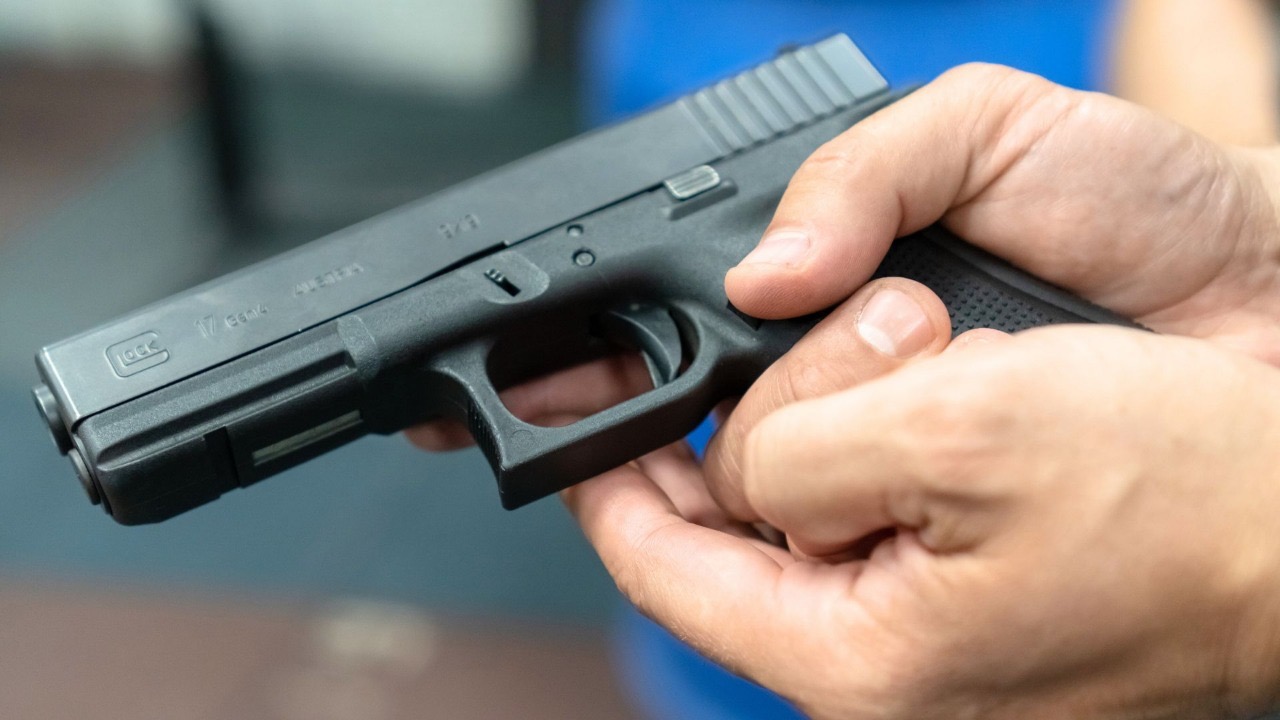
Disassembly is another sore spot. As one long running critique points out, Glocks must be “fired” to take the pistol down, with the design calling for the trigger to be pressed to release the striker before the slide can be removed. That step has been part and parcel of the Glock manual of arms since the beginning, and while safe handling should prevent accidents, other brands have moved to systems that do not require a trigger press at all. In online debates about the latest “Glock Killer,” shooters define that term as a gun that matches or beats Glock in manufacturing, reliability, and support while also fixing long standing complaints like the trigger and takedown. The fact that this label keeps getting applied to new models every year shows how strong Glock’s benchmark remains, but it also shows how persistent those perceived shortcomings are.
Optics, ergonomics, and the Gen 6 response
Where Glock once lagged badly on optics, Gen 6 is clearly built around slide mounted red dots. Company descriptions emphasize that the new pistols ship OPTIC READY, with mounting systems that are more robust and user friendly than the early MOS plates. Coverage of the line notes that the sixth generation reworks slide geometry and mounting surfaces so shooters can bolt on modern dots without sending the slide to a mill, which is a big step toward parity with rivals that have treated optics as standard equipment for years. That shift matters for law enforcement agencies and concealed carriers who now expect a pistol to accept a dot out of the box.
Ergonomically, the ENLARGED BEAVERTAIL and refreshed grip texture are Glock’s answer to years of shooters complaining about slide bite and slick frames. Reports from the range describe New features, improved ergonomic shaping, a better trigger, and extended grip texture that locks the hand in without chewing it up. At the same time, coverage of early News about Glock’s Gen 6 pistols points out that the company has added forward cocking serrations and subtle frame relief cuts near the trigger guard, details that shooters have been paying custom shops to add for years. Those changes show Glock is paying attention, but they also highlight how long it took to bring the factory guns up to where the aftermarket has been.
Range impressions: better, but not alone at the top
On the firing line, the consensus so far is that Gen 6 is easier to shoot well than the older generations. In one detailed comparison, a pair of instructors talk through Jan range time with Gen 5 and Gen 6, and one of them flatly calls the new grip and trigger a “massive improvement” for shootability. That kind of feedback matters, because it comes from people who have spent years watching students struggle with stock Glocks in classes. When they say the gun tracks flatter and points more naturally, it is not marketing copy, it is a reflection of what they are seeing in recoil and on the shot timer.
Still, those same shooters are also spending time with other compact 9 mm pistols that bring their own strengths and weaknesses. A rundown of the top compact 9s for 2026 notes that a metal framed KT P-15 was accurate but literally painful to shoot, with screws backing out even after thread locker and issues showing up over a thousand rounds, according to Jan testing. That kind of report is a reminder of why Glock’s conservative approach still appeals to a lot of people: the guns may not be the softest shooting or the prettiest, but they tend to hold together under hard use. The flip side is that when a Glock does feel dated next to a slick new competitor, shooters know they are trading some comfort and features for that track record.
Market pressure from Sig and the 2011 crowd
Glock is not losing ground in a vacuum. In the duty and carry world, Sig is the name that comes up most often when people talk about companies taking a bite out of Glock’s market share, even if, as one shop points out, Sig is not the only one doing it. The modular P320 platform in particular has attracted a lot of attention, and coverage of SIG SAUER pistols notes that the P320 X-VTAC grip angle gives some shooters a better natural point of aim than competitors. When a gun points where your eyes are looking without conscious correction, it feels easier to shoot well, and that is the kind of ergonomic edge that can pull people away from a platform they have used for years.
At the higher end, the 2011 style pistols that used to be rarefied competition gear are creeping into duty and defensive roles. In one Comments Section about the most talked about pistol at SHOT, one shooter argues that the Rideout Arsenal Dragon is far more advanced than the gun in front of him, and he adds that he Still wants both. Another commenter calls out the tool less takedown on that pistol as “really cool,” which is exactly the sort of user friendly feature Glock has never prioritized. When shooters are willing to pay thousands for that kind of experience, it raises the bar for what a premium fighting pistol should feel like.
Reliability, durability, and why Glock still sells
For all the criticism, Glock’s core strengths have not gone away. As one training focused breakdown puts it, Unmatched Reliability is the cornerstone of Glock’s success, with Glock pistols consistently performing without malfunctioning across different environments and terrain. That reputation is not marketing fluff, it is the result of decades of service use and high round count classes where the guns keep running when others choke on dirt, bad ammo, or lack of lubrication. When your life or your job depends on a sidearm, that kind of track record is hard to ignore.
There is also the matter of simplicity. As one rental range explains, One of the standout features of Glock pistols is their simple and intuitive design, with fewer parts than many other firearms, which makes them easier to maintain and ideal for new gun owners. That same straightforward layout is why armorers like them and why agencies can keep big fleets running without a lot of drama. When shooters online argue about whether Glock is still the staple of quality and reliability in 2026, voices like Twelve point out that “Reliable and” durable are different things, and that “Almost” anyone can make something reliable for a while, but long term durability is where Glock still earns its keep. That is the quiet argument in Glock’s favor, and it is one the company seems determined to protect even as it tweaks the design.
Customization culture and what shooters expect now
Part of the reason Glock feels behind to some people is that the rest of the handgun world has embraced customization as a standard feature, not an aftermarket project. In the 1911 space, for example, Many owners opt for custom grips or finishes that reflect personal style or improve ergonomics, and the same source notes that You can enhance comfort during use without compromising reliability. That mindset has bled into the polymer pistol world, where shooters expect interchangeable backstraps, optics ready slides, and accessory rails that play nicely with lights and lasers right out of the box.

Asher was raised in the woods and on the water, and it shows. He’s logged more hours behind a rifle and under a heavy pack than most men twice his age.