What Gun Reviews Don’t Always Tell New Buyers
New gun buyers are drowning in information, yet some of the most influential gun reviews still leave out the details that matter once the credit card is swiped. They spotlight accuracy groups and trigger feel, but often skip over how a pistol fits real hands, real budgets, and real lives. I want to unpack those blind spots, using what reviewers, instructors, and everyday owners are already saying, so a first purchase feels less like a gamble and more like an informed choice.
What gun reviews do well is catalog specifications and test performance on a square range. What they do less well is explain how those specs translate into daily carry, long term ownership, resale value, and safety for someone who is still learning which end of the manual to read first. That gap between glossy praise and lived experience is where many first time buyers get burned.
Why “Best Gun” Lists Can Mislead New Owners

Most new buyers meet firearms through ranked lists and glowing write ups that promise a single “best” choice, but those pieces are usually written for an audience that already knows what it wants. A typical roundup of the Key Criteria for focuses on broad traits like reliability, ergonomics, and the reputation of the manufacturer, which are important, yet they are still abstractions for someone who has never drawn from a holster or cleared a malfunction. I see the same pattern in brand tier lists that crown Beretta as S Tier, then immediately caution that a tiny Beretta Pico might still be a worse choice than a larger Tier Bersa Thunder for a new shooter who needs something easier to control.
That disconnect shows up again when lists aimed at beginners lean heavily on a few familiar platforms. One guide for new shooters opens by saying the first three recommendations are all Glocks, and adds that if someone thinks they dislike that brand, they probably have not spent much time with a modern Glock yet. That is a fair point about reliability and simplicity, but it also illustrates how “best gun” lists can flatten nuance into a single answer. For a buyer with small hands, limited strength, or a very tight budget, the right choice may not be the same pistol that tops a generic ranking, no matter how many stars it earns.
The Question Most Reviews Skip: What Is This For?
The most important question for any first purchase is not caliber or brand, it is use case. In one candid thread, a new owner described being overwhelmed by advice and was told to start with a simple checklist: What is this for, home defense, SHTF, Range toy, or because someone Watched too many war dramas, and then decide, Based on that, what actually fits. That kind of blunt framing rarely appears in polished reviews, which tend to assume the reader already knows whether they are shopping for concealed carry, bedside defense, or competition. Without that clarity, a buyer can walk out with a compact carry pistol that is miserable for long practice sessions, or a full size duty gun that is impossible to conceal under summer clothing.
Purpose also shapes how much weight to give to size and caliber. A comparison of 9 mm, .40, and .45 notes that Larger and heavier full sized firearms can be uncomfortable to carry and may require changes to clothing and holster systems, even if they shoot softly on the range. A bedside gun that never leaves the house can afford to be bigger and heavier, while a pistol that must disappear under a T shirt might need to sacrifice some capacity or shootability. Reviews that focus on bench rest accuracy or muzzle velocity without tying those numbers back to a specific role leave new buyers guessing about trade offs they do not yet understand.
Fit, Ergonomics, and the Reality of Recoil
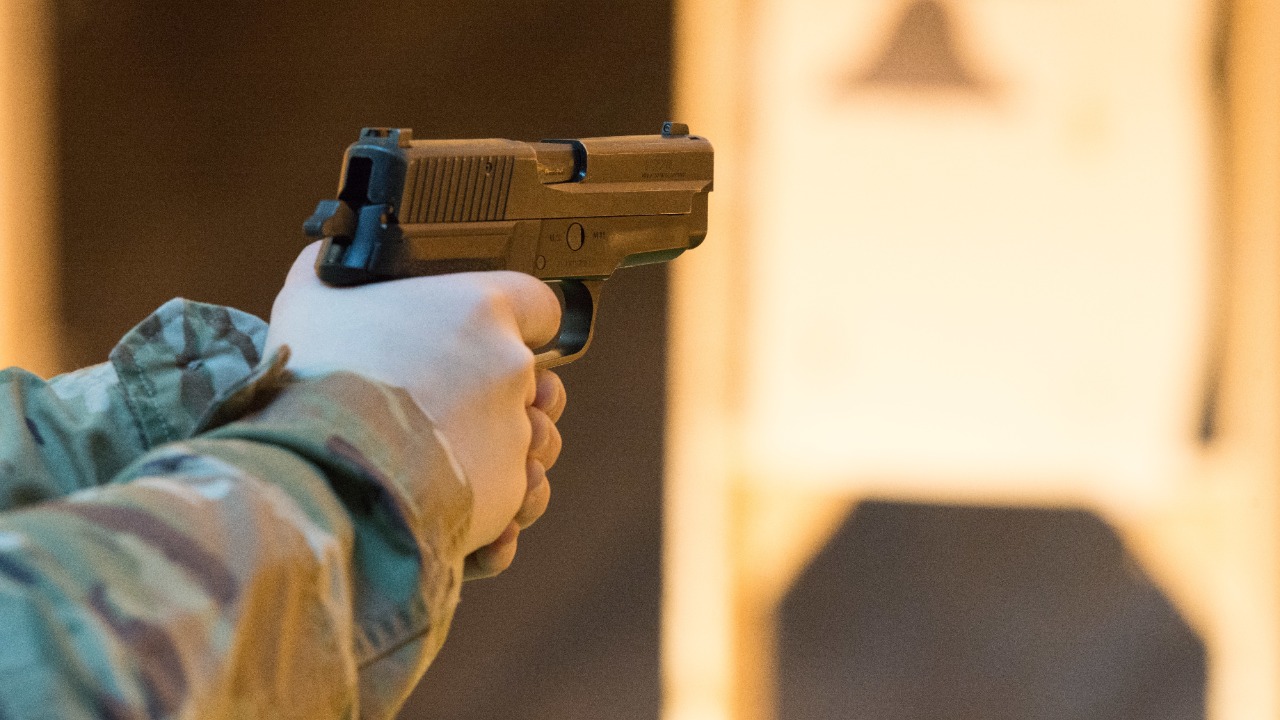
Once purpose is clear, the next gap in many reviews is how a gun actually feels in inexperienced hands. A detailed buying guide for first handguns stresses that Finding the Right is the most crucial factor, and recommends a full size handgun with close to a 5 inch barrel for new shooters who can manage the size. That advice lines up with another guide that tells brand new shooters to log practice hours with a full sized 9 mm before moving to smaller guns, because subcompacts are lighter, snappier, and are thus trickier for beginners to handle. That nuance is often missing from reviews that praise a tiny pistol for its concealability without warning that the same traits make it harder to shoot well.
Ergonomics are not just about grip circumference, they are about how a gun encourages proper technique. One in depth look at a modern pistol highlights how its designers shaped the grip with a 17 degree front angle and a 22 degree rear angle so it feels natural, and how the beavertail and undercut let the shooter get higher up into the frame for better control. That kind of detail matters more to a new shooter than whether the slide serrations look aggressive in photos. When reviews gloss over how a pistol fits different hand sizes or how its grip angle affects natural point of aim, they leave buyers to discover those issues only after the return window closes.
Caliber, Complexity, and Why Some Guns Are Terrible First Choices
Another blind spot in many reviews is the assumption that any well made gun is a good starter gun. A blunt video on Worst First Pistols to Buy argues that some designs are simply too heavy recoiling, too finicky, or too complex for someone still learning the basics, and that they can wreck confidence before skills have a chance to develop. That perspective is echoed in community advice that warns first time buyers not to overspend on a “forever gun,” with one commenter saying So dont spend a bunch of money assuming the first pistol will be the last. The point is not that powerful or intricate guns are bad, but that they are often better as second or third purchases.
Classic designs can be especially seductive in reviews, yet unforgiving in practice. Enthusiasts praise the Colt Delta Elite as one of the best 10 mm 1911 pistols, but even fans concede that the 1911 platform demands more maintenance and tuning than modern striker fired guns. One technical discussion flatly states that You are right to be concerned about reliability, because the 1911 is notorious for jamming frequently, and Specifically the ejector mechanism and the tight fit between barrel and slide can cause issues. Reviews that focus on heritage and trigger feel without flagging that learning curve risk steering a novice toward a pistol that punishes small mistakes.
Brand Hype, Tier Lists, and Guns That Just Do Not Run
Brand reputation looms large in reviews, but it can obscure real world reliability problems that only surface after thousands of rounds. One ranking system that labels Tier levels for handgun makers is useful shorthand, yet even that list warns that a high status logo does not automatically make every model a smart buy. On the other end of the spectrum, a thread on brands to avoid features a user named Lonecoon describing how Springs and levers kept breaking, and how, Normally, if a semi auto does not run, the culprit is magazines or ammo, not core parts failing.
Retail data can tell a similar story. A video on models that gun shops cannot move notes that some pistols from big names like Ruger Sig Sauer others have been sitting on shelves for more than a year, despite aggressive marketing. That kind of stagnation rarely shows up in glowing launch reviews, which are often based on limited round counts under ideal conditions. When a buyer sees a heavily discounted pistol with a famous logo and a stack of positive early reviews, they may not realize that local stores have learned, the hard way, that customers bring those guns back with complaints.
Aftermarket Support, Holsters, and Legal Landmines
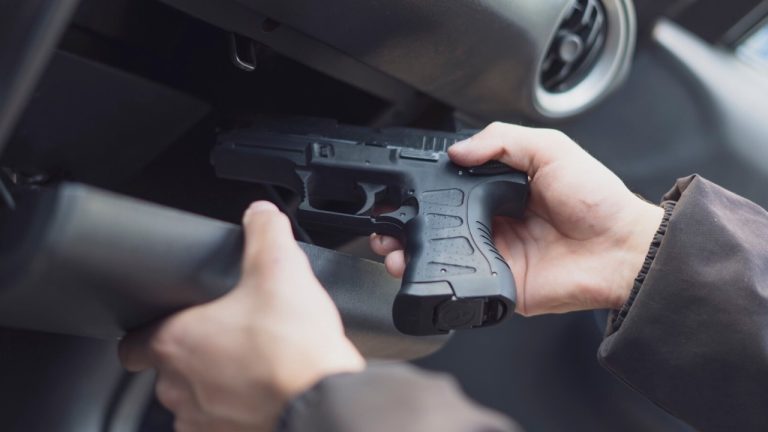
Another thing reviews often underplay is how a gun fits into the broader ecosystem of holsters, sights, and spare parts. A social media post about a new pistol from Daniel Defense bluntly warns that a Lack of aftermarket support, especially holsters, makes it hard to carry daily and might relegate the gun to range duty. A review of a hammer fired hybrid pistol notes that Aftermarket support is minimal compared to Glock or SIG, which means parts and accessories are harder to find and more expensive. For a new owner who needs a simple, comfortable holster and the ability to replace a broken sight quickly, those ecosystem gaps can matter more than a unique feature set.
Modifications add another layer of complexity that reviews sometimes glamorize without explaining the legal stakes. A buying guide for trigger upgrades notes that Legally, modified triggers must comply with local laws, and that in places like California or New York, certain adjustments might even change how a firearm is classified. New owners who see race gun style triggers praised for their crisp break may not realize that installing similar parts on a carry pistol could create legal headaches or complicate a self defense case. Reviews that celebrate customization without flagging those boundaries risk encouraging changes that are out of step with local regulations.
Price, Resale Value, and the Myth of the “Forever Gun”
Gun reviews often treat price as a footnote, but for new buyers, cost and resale value are central. A detailed overview of which guns hold value points out that understanding which models preserve their price helps collectors, enthusiasts, and investors make smarter purchases. Another guide to value holding pistols highlights the HK Mark 23 as an Editor Pick, while warning that it is Expensive, almost Comically large, and saddled with a Weird barrel thread pitch. That kind of nuance, acknowledging that a gun can be a great long term asset yet a terrible first purchase, is still the exception rather than the rule in mainstream reviews.
Everyday shooters tend to be more blunt. In a thread on first time recommendations, one commenter advises, Springfield models can be solid, but the bigger lesson is not to assume the first gun will be a lifetime companion. Another discussion of a Springfield M1A Scout Squad describes it as Mucho dinero and notes, However, it avoids certain ban lists and handles smaller targets well, which might matter more to a seasoned owner than to a novice. For a first pistol, the smarter move is often a reliable, mid priced model that can be resold easily if needs change, rather than a niche or premium gun that locks up a big chunk of the budget.
Range Reports, Safety, and What Reviews Assume You Already Know
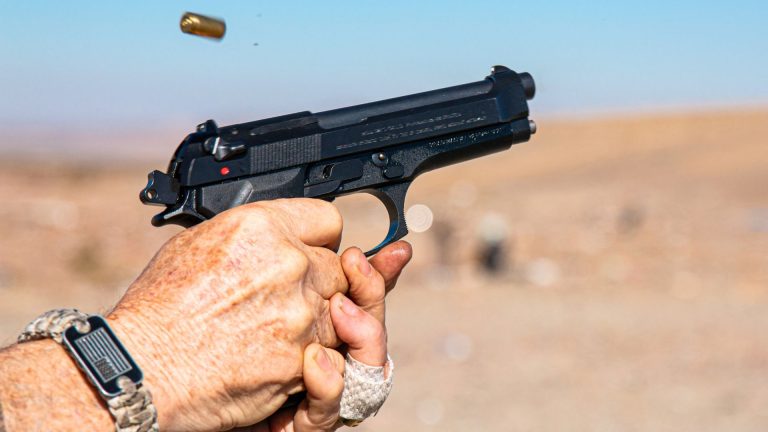
Many professional reviews start at the firing line, but they often assume the reader already understands basic safety and handling. One writer notes that Most gun reviews begin at the range so the writer can gather data for a thorough evaluation, then describes how they took a different approach to understand the gun’s character. That kind of experimentation is valuable, but it still tends to focus on how the gun behaves in skilled hands. A safety focused guide reminds readers that There is no stock answer to safe handling, because firearm safety is dynamic and every situation is different. New buyers reading glowing range reports may not realize how much quiet competence is being assumed between the lines.

Leo’s been tracking game and tuning gear since he could stand upright. He’s sharp, driven, and knows how to keep things running when conditions turn.