Alabama shooting under scrutiny as emergency calls conflict with police account
The police shooting of a Semmes, Alabama business owner has become a test case for how quickly official narratives can collide with recorded evidence. Emergency calls from inside and around the shop describe a frightened owner pleading for help, even as officers later said he opened fire on them without warning. As scrutiny intensifies, the gap between what callers reported and what police say happened is raising broader questions about training, transparency, and who gets believed when bullets start flying.
At the center of the dispute is a chaotic early morning encounter that left the owner shot multiple times and another person wounded. Attorneys now allege unlawful entry and misconduct, while city leaders insist officers did everything by the book. The conflicting accounts are not just about one night in Semmes, they are about how communities judge credibility when 911 audio, body cameras, and official statements do not line up.
Conflicting stories at the heart of the Semmes shooting
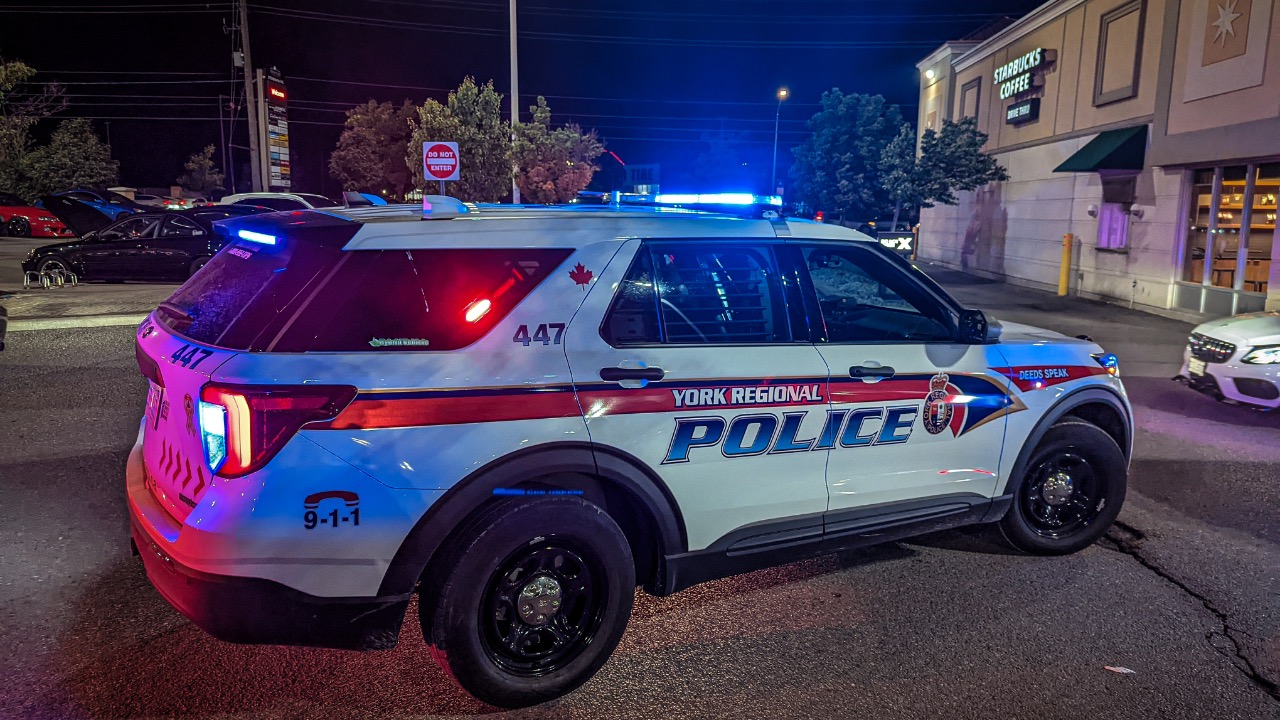
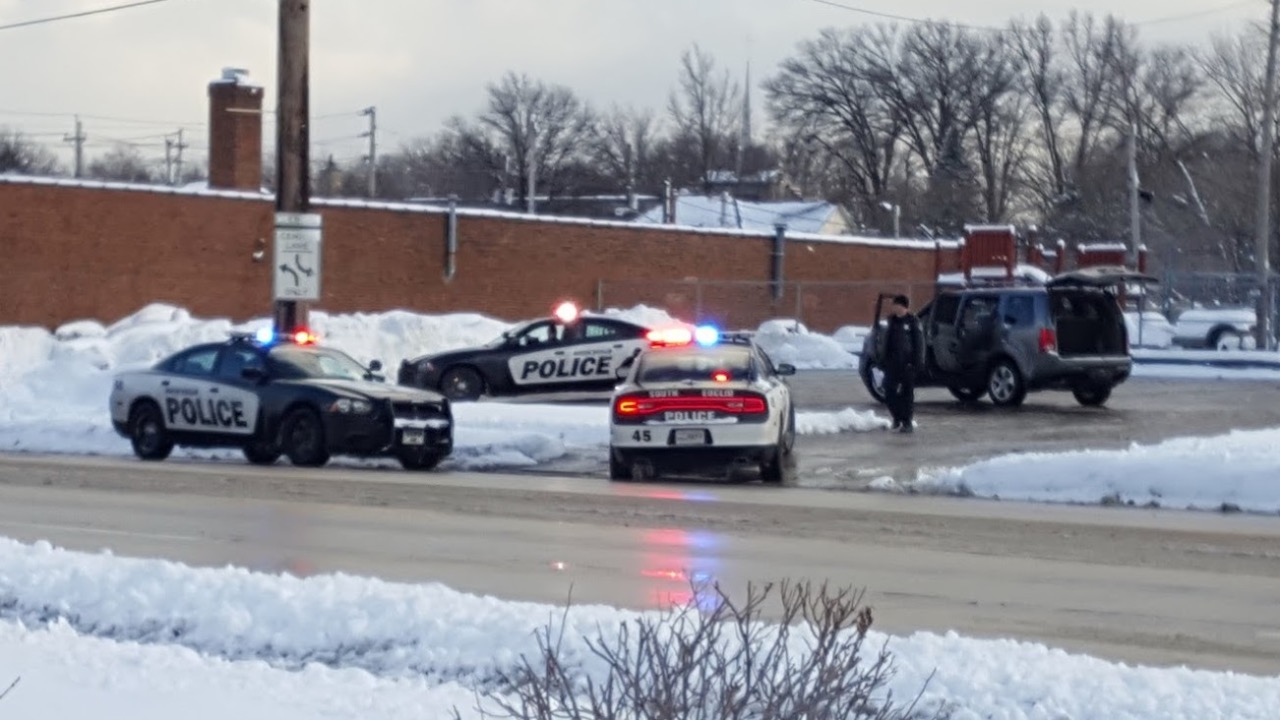
The core tension in the Semmes case lies in two sharply different stories about the same moments inside a small business. On one side, police have described a straightforward use of force, saying the owner opened fire on officers after they entered his business during what they framed as an early morning burglary investigation and that he was armed with a handgun when they confronted him. That version presents the shooting as a rapid response to a deadly threat, the kind of split second decision officers are trained to make when they believe someone is trying to kill them.
On the other side, the business owner and his legal team portray him as a victim of an unnecessary and unlawful incursion into his property. Attorneys for Semmes have publicly accused officers of unlawful entry and police misconduct, arguing that their client was shot five times in circumstances that did not justify such force and that he did not even know who shot him in the confusion. In their telling, the owner was trying to protect his livelihood, not ambush law enforcement, and the fact that he survived his wounds has allowed that competing narrative to gain traction as more details emerge.
What the 911 calls reveal from inside the business
The 911 recordings from that night offer some of the most vivid insight into the owner’s mindset before the shooting. In one of the calls, a man identified as being inside the business can be heard sounding more exasperated than aggressive, describing officers outside who, in his view, were treating the scene as if a dangerous criminal were barricaded inside. In a third call, he tells the operator, “Let them in here they are trying to clear this place like like some criminal has been,” a line that captures both his frustration and his willingness to allow officers into the building as long as they came in under the watchful ear of the dispatcher.
Those words, preserved in the 911 transcripts, cut against any suggestion that the owner was lying in wait to ambush police. Instead, they suggest a man who believed he was cooperating by staying on the line and explicitly saying “Let them in,” even as he bristled at the way his business was being treated. The fact that this plea is captured in the same call where he describes officers trying to clear the place like a crime scene underscores how far apart his perception of the situation was from the one later described in official statements, and it is why the phrase “Let them in here” has become a focal point for critics of the police account.
Six emergency calls and a night of confusion
The single “Let them in here” call was not the only plea for help that night. In total, six 911 calls were made after the shootout between police and the Semmes business owner, a volume that reflects just how chaotic the situation became once shots were fired. Some calls came from inside or near the business, others from people who heard the commotion and dialed for help, and together they form a patchwork of fear, confusion, and incomplete information that dispatchers had to sort through in real time.
One report describes how, after the shooting, the owner was taken to the hospital, where he remains, and a close family friend said he has a long road to recovery and is in a lot of pain. That same account notes that minutes later another call came in, adding to the sense of a scene still in flux as officers tried to secure the area and medical crews worked on the wounded. The sheer number of calls, and the way they capture different angles on the same unfolding crisis, make it harder to accept any single, tidy narrative about what happened inside the business before the first shot was fired.
Police narrative: burglary investigation turned gunfire
From the beginning, law enforcement officials have framed the incident as a dangerous escalation during a legitimate burglary check. According to their account, officers responded to a report of a possible break in at the business and, after entering, were met with gunfire from the owner, who they say opened fire on officers after they entered his business. They have emphasized that he was armed with a handgun, a detail that, in their view, justified the officers’ decision to shoot in order to protect themselves and others in the building.
That framing matters because it positions the officers as reacting to a threat rather than initiating the violence. It also helps explain why they moved quickly to secure the scene and why the owner ended up shot multiple times. By describing the encounter as part of an early morning burglary investigation, police are signaling that they believed they had legal grounds to be inside the property and that any subsequent use of force flowed from the owner’s decision to fire first. Whether that belief holds up under legal scrutiny will depend on how investigators interpret the 911 calls, witness statements, and any physical evidence from inside the shop.
Attorneys allege unlawful entry and misconduct
The owner’s legal team has not accepted the police version of events, and their language has been pointed. In public comments, they have described what happened as “Unlawful entry & police misconduct,” accusing officers of entering the business without proper justification and then using excessive force once inside. They say their client, a Semmes business owner shot five times by police, did not know who shot him in the chaos, which they argue undercuts any claim that he was deliberately targeting uniformed officers rather than reacting to what he perceived as an intrusion.
These attorneys for Semmes have also framed the case as part of a broader pattern of aggressive policing that fails to account for the rights of property owners. By highlighting that their client was hit five times, they are inviting questions about proportionality and whether officers continued firing after the immediate threat had passed. Their insistence on labeling the incident as unlawful entry and misconduct is not just rhetorical, it is a signal that they are likely to pursue civil claims and possibly push for criminal accountability, turning a local shooting into a wider test of how Alabama courts interpret police authority in similar confrontations.
City of Semmes and law enforcement close ranks
City leaders have responded to the controversy with a carefully worded defense of their officers. In a statement released nearly two weeks after the shooting, the City of Semmes acknowledged that it was a serious situation, as two individuals were shot, but then stressed that the Sims Police Department as well as the sheriff’s department did everything by the book. That phrase, “did everything by the book,” is doing a lot of work, signaling that officials believe policies were followed and that any tragic outcome was the result of circumstances, not misconduct.
The reference to both the Sims Police Department and the sheriff’s department also underscores how many agencies were involved in the response and investigation. By presenting a united front, city and county officials are trying to reassure residents that the shooting is being handled professionally and that there is no need for outside intervention. At the same time, the delay before the statement and its relatively sparse detail have left room for critics to argue that the city is more interested in protecting its officers than in fully explaining how a business owner ended up in the hospital after calling for help.
Inside the scene: Chief Friend and the officers at the door
Additional context about the encounter has come from briefings with local leadership. One account notes that a reporter spoke with Chief Friend, who said that two officers were at Bowman’s Auto Air that night while responding to the calls. That detail matters because it confirms both the number of officers directly involved at the doorway and the specific location, Bowman Auto Air, where the confrontation unfolded. Knowing that only two officers initially approached the business helps frame the dynamics of the encounter, including how quickly they might have felt outnumbered or exposed if they believed someone inside was armed.
Chief Friend’s description also reinforces the idea that officers were actively trying to clear the building, a point echoed in the 911 call where the owner complains that they are trying to clear this place like some criminal has been. The combination of the chief’s account and the recorded calls paints a picture of a tense standoff at the threshold of Bowman Auto Air, with two officers on one side of the door and a wary owner on the other. It is in that narrow space, both physical and metaphorical, that the competing narratives collide, and it is why every small detail about who said what at the door has taken on outsized importance.
Injuries, recovery, and the human toll
Beyond the legal and political fallout, the shooting has left deep physical and emotional scars. The business owner, shot five times, remains hospitalized, and a close family friend has described him as facing a long road to recovery and being in a lot of pain. Those injuries are not abstract, they affect his ability to work, to run his business, and to participate in the legal process that will determine whether anyone is held accountable. The fact that two individuals were shot in the incident also means that multiple families are now navigating medical bills, trauma, and uncertainty about what comes next.
The 911 calls capture some of that human toll in real time, with callers’ voices shaking as they describe gunfire and plead for help. Each call represents someone who was close enough to hear or see the chaos, and their fear lingers long after the sirens fade. For the owner’s relatives and friends, the knowledge that he was on the phone with dispatchers, saying “Let them in here,” before being riddled with bullets is a source of anger as well as grief. For the officers involved, the memory of entering a darkened business and hearing shots will likely shape how they approach similar calls in the future, reinforcing the cycle of fear and mistrust that often follows high profile police shootings.
Why the Semmes case matters beyond one Alabama town
As more details surface, the Semmes shooting is becoming a touchstone in debates about police accountability and the weight given to emergency call evidence. The contrast between a caller saying “Let them in here” and an official narrative that the same man opened fire on officers after they entered his business raises fundamental questions about how investigators reconcile conflicting accounts. When city officials insist that departments did everything by the book while attorneys allege unlawful entry and misconduct, residents are left to decide which version aligns more closely with the fragments of audio and testimony they can hear for themselves.

Leo’s been tracking game and tuning gear since he could stand upright. He’s sharp, driven, and knows how to keep things running when conditions turn.