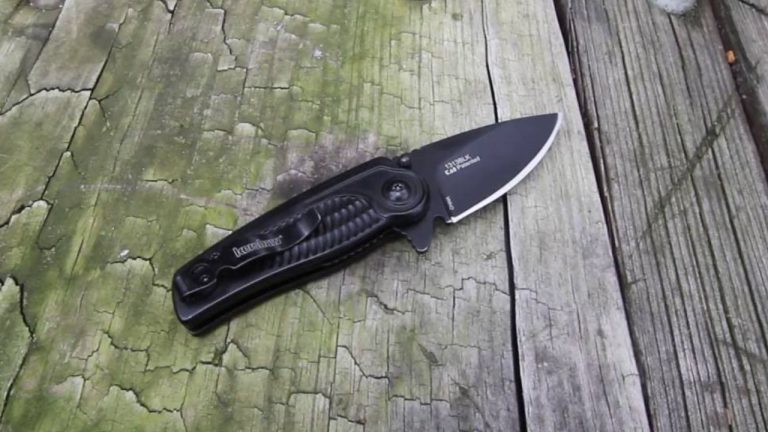
Blades that cut clean without constant sharpening
In kitchens, workshops, and even barbershops, the promise is the same: blades that slice cleanly without demanding constant time at the sharpening stone. The reality is more nuanced, but materials science and clever engineering now make it possible to get far closer to that ideal than a generation ago. I want to unpack where the marketing hype ends and where genuinely low‑maintenance cutting tools begin, from ceramic chef’s knives to carbide saw blades and self‑sharpening blocks.
Why “never needs sharpening” is mostly a myth

The first truth I have to start with is that no edge lasts forever. Even the hardest steels and most advanced coatings lose microscopic material every time they meet food, wood, cardboard, or bone. One manufacturer spells it out bluntly, noting that there is no such thing as a blade that literally never needs attention, only knives that can go a very long time between touch‑ups, which is the real promise behind slogans like Is There a Knife That Never Needs Sharpening. That perspective is echoed in industrial cutting, where engineers track Tool Wear and accept that Blades will eventually need replacement as part of normal operating costs.
What separates a blade that feels dull after a weekend from one that stays crisp for months is edge retention, the ability of a material to hold a fine apex under use. Knife specialists define Edge retention as how well a knife maintains sharpness over time, and note that High edge retention simply means less frequent sharpening and more consistent performance. Pocket‑knife makers point out that harder steels at around 60 HRC or above hold an edge longer but are slower to sharpen, which is why they advise buyers who dislike maintenance to Think About Maintenance Preferences before choosing a blade.
Ceramic and serrated: kitchen blades that stay sharp longest
In the home kitchen, two technologies dominate the “no sharpening” conversation: ceramic and serrated edges. Ceramic blades are made from very hard, brittle material that resists wear so well that some cooks describe them as staying sharp “forever” in normal use, with one discussion noting that Ceramic knives will hold their edge for years as long as they are not dropped or twisted. A typical example is a Discover the Santoku marketed as a 6.5-inch vegetable and fruit knife, Designed to balance sharpness and durability for clean cooking with a non‑reactive blade.
On the steel side, many brands lean on serrations to extend useful life. A long‑running guide notes that Serrated Knives are often sold as blades that will not need sharpening, because the pointed teeth do most of the work and the recessed gullets stay relatively protected from wear. That design makes them ideal for crusty bread or tomatoes, but less suited to fine chopping where a smooth edge excels. Ceramic evangelists such as Tak Chong on the Walk with Tac channel showcase all‑purpose ceramic chef’s knives as “always sharp” tools, but even they acknowledge the trade‑off: superb edge life in exchange for more careful handling and the risk of chipping if the blade hits bone or a hard countertop.
Self‑sharpening systems: blocks, sheaths and trimmers
For cooks who want steel blades but hate maintenance, self‑sharpening storage has become a quiet revolution. Retailers describe These sets as being built with ceramic or tungsten inserts inside the slots, so every time a knife is removed or replaced the edge is honed and kept ready for precise slicing and dicing. One major brand markets Self Sharpening Knife Sets and Blocks Say they let users say goodbye to manual sharpening because the mechanism engages automatically whenever you remove or replace a knife.
Individual tools now borrow the same idea. A compact paring knife sold with a Self Sharpening Sheath uses a built‑in ceramic slot that Features EdgeKeeper technology, lightly honing the edge every time the blade is drawn. In personal grooming, clipper makers lean on metallurgy instead of ceramic inserts, with replacement T‑outliner parts described as Crafted from premium materials for extended lifespan so they withstand regular use while maintaining sharpness, saving users time and money on replacements. Barber suppliers underline that Most trimmers ship with cleaning brushes and detachable heads, and they answer What self‑sharpening means in this context: opposing steel edges that lightly grind against each other to stay keen during normal operation.
Premium kitchen sets that quietly maintain their own edge
At the higher end of the kitchen market, entire knife blocks now double as maintenance stations. Henckels International promotes a Graphite 14‑piece self‑sharpening block as an essential set for home chefs, and notes it was Created by a time‑honored brand that has been refining this concept for decades. A similar description appears in a separate listing for the same product, underscoring how central the self‑sharpening block has become to the company’s pitch. Another line, the HENCKELS Dynamic set, is marketed with the promise to Keep blades razor‑sharp in a complete set of light, maneuverable knives designed to Peel fruit and handle everyday prep without separate honing rods.
The same brand extends the idea in a 20‑piece configuration, the HENCKELS J.A International Graphite Self Sharpening Block Set in Brown and Silver, which uses the same slot‑based mechanism to keep a larger arsenal of blades in working order. Competing systems from Ninja take a slightly different tack, pairing German steel with an integrated sharpener. One listing introduces the product as a NeverDull set, while another describes it as Introducing the Ninja Premium Wood Series Knife System with a built‑in Dura sharpener that promises to keep blades razor‑sharp for more than a decade.
Carbide, coatings and replaceable blades in the workshop

Move from the cutting board to the workshop and the definition of “stays sharp” shifts again, this time toward carbide and coatings. Woodworkers rely on band saw blades with Triple Chip Carbide Tipped Teeth, where tiny carbide inserts at the cutting edge maintain sharpness far longer than standard steel, reducing blade changes and keeping more time on the cut. Suppliers of cordless saw accessories highlight that, if If you’re looking to boost results and work pace, carbide‑tipped blades from Woodworker‘s Hardware in various diameters are the right tool for a range of cutting applications.
Even so, specialists remind users that carbide is not magic. One technical guide stresses that carbide edges do eventually get dull and advises sending them to a professional And finally sharpening service when cuts start to feel rough, with the reassurance that the effort will be rewarded in cleaner work. Coatings add another layer of durability: utility blades marketed as letting users Cut cleaner and faster, such as Excel Blades #92 Titanium Nitride Utility Blades, are Made from precision‑ground high‑carbon steel with a titanium nitride layer to extend life. When even that is not enough, tradespeople turn to replaceable‑blade knives, a category highlighted in an Apr video that walks through box cutters and razor knives where swapping a spent edge for a fresh one is faster than any sharpening routine.
Clean cuts in wood, foam and pruning without constant touch‑ups
In woodworking and construction, the quality of the cut matters as much as longevity. Jigsaw accessories marketed as Product description Clean and splinter‑free cutting blades use diagonally sharpened side teeth to leave smooth edges in wood, which means less sanding and less temptation to push a dull blade harder. In foam fabrication, engineers compare oscillating knives with lasers and note that while blades can deliver very precise cuts, they introduce ongoing maintenance because they must be resharpened or replaced as they wear, a cost explicitly captured in the earlier reference to Tool Wear.
Out in the garden, the calculus is slightly different, because plant health depends on how cleanly branches are severed. Arborist groups point out that Sharpening tools for hand shears are simple and inexpensive, and that You can use diamond files or small stones to restore an edge that will give clean cuts and healthier plants. In other words, even when the goal is minimal maintenance, a few minutes with a file can dramatically extend the life of a pruning blade and improve results more than any exotic alloy. That same logic applies to diamond blades for tile and stone, where manufacturers warn that When the speed is too high on hard, brittle materials, the blade can glaze and dull prematurely, reducing cutting efficiency and shortening life regardless of how advanced the abrasive is.
Everyday users: hunters, home cooks and the role of care
For people who rely on a single tool in the field, the definition of “stays sharp” is brutally practical. In a hunting forum thread from Dec, one user praises the classic Buck 110 and notes a preference for the fixed‑blade Buck 105, explaining that they can gut, skin and butcher game using a Buc without sharpening in the middle of dressing a deer. That kind of testimonial underscores how much steel choice and grind matter when a blade has to perform through an entire animal without a break. Pocket‑knife makers reinforce the point by advising buyers who dislike sharpening to choose steels with higher hardness and better edge retention, as captured in the guidance to Harder steels that lose their edge more slowly.
Home cooks, by contrast, often dull their knives faster through poor care than through cutting itself. Manufacturers of French kitchen knives warn that The harsh environment inside a dishwasher, with high heat, strong detergents and jostling water jets, can damage the edge and lead to corrosion and dulling far sooner than hand washing would. That is why even the most advanced self‑sharpening sets, from the German Stainless Steel Premium blades in Ninja’s 12‑piece system, which uses German stainless steel for rust resistance and strength, still come with care instructions that stress proper cleaning and storage. Even the best edge retention can be undone by a dishwasher cycle or a glass cutting board.
How to choose the right “low‑maintenance” blade
For anyone shopping today, the landscape can feel crowded with overlapping claims, from ceramic chef’s knives to NeverDull blocks and titanium‑coated utility blades. One way I cut through the noise is to match the promise to the task. If the priority is a kitchen set that quietly maintains itself, the Henckels Graphite and Dynamic lines and the Ninja systems mentioned earlier, including the 14‑piece NeverDull product and its product sibling in the 12‑piece range, are designed so that the block or built‑in sharpener does the daily work. If the goal is a single ultra‑sharp slicer for vegetables and fruit with minimal upkeep, a ceramic option like the product linked earlier or the German steel santoku in a NeverDull set may be more appealing.
In the workshop, the choice often comes down to whether it is easier to resharpen or to replace. For heavy ripping and hardwood, carbide‑tipped saw blades and band saws like the product jigsaw blades and the product titanium‑coated utility blades mentioned earlier will run longer between changes, especially if feed rates and speeds are kept within the limits described in the diamond blade guidance about reducing cutting efficiency. For box cutting and drywall, replaceable‑blade knives showcased in the razor knives video are often the most efficient answer, because a fresh edge is always a snap away. And for anyone still tempted by marketing that promises a blade that will never need attention, the most honest advice remains the one already cited: accept that every edge wears, then choose the material, geometry and maintenance system that lets your blades cut cleanly for as long as you need between those inevitable tune‑ups.

Leo’s been tracking game and tuning gear since he could stand upright. He’s sharp, driven, and knows how to keep things running when conditions turn.