A little-known American wetland teeming with wildlife
Across the United States, some of the richest wildlife habitat hides in places most travelers blow past on the highway. One of those places is a modest wetland that, on a map, barely registers next to the big-name parks and refuges, yet on the ground feels like a living encyclopedia of birds, reptiles, and quiet backwater life. I want to walk you into that kind of overlooked marsh, then pull back the lens to show how it connects to a much bigger story about American wetlands and the wild things that depend on them.
To understand why this little-known swamp matters, you have to see it as part of a scattered network of marshes, bogs, and floodplain forests that keep entire regions breathing. From desert springs to northern swamps, these soggy pockets filter water, blunt floods, and shelter rare species that exist nowhere else. The wetland I am focusing on could be swapped for dozens of similar spots across the country, but its story lines up with what I have seen again and again: if you care about wildlife, you ignore these places at your own risk.
Finding a wetland most people overlook
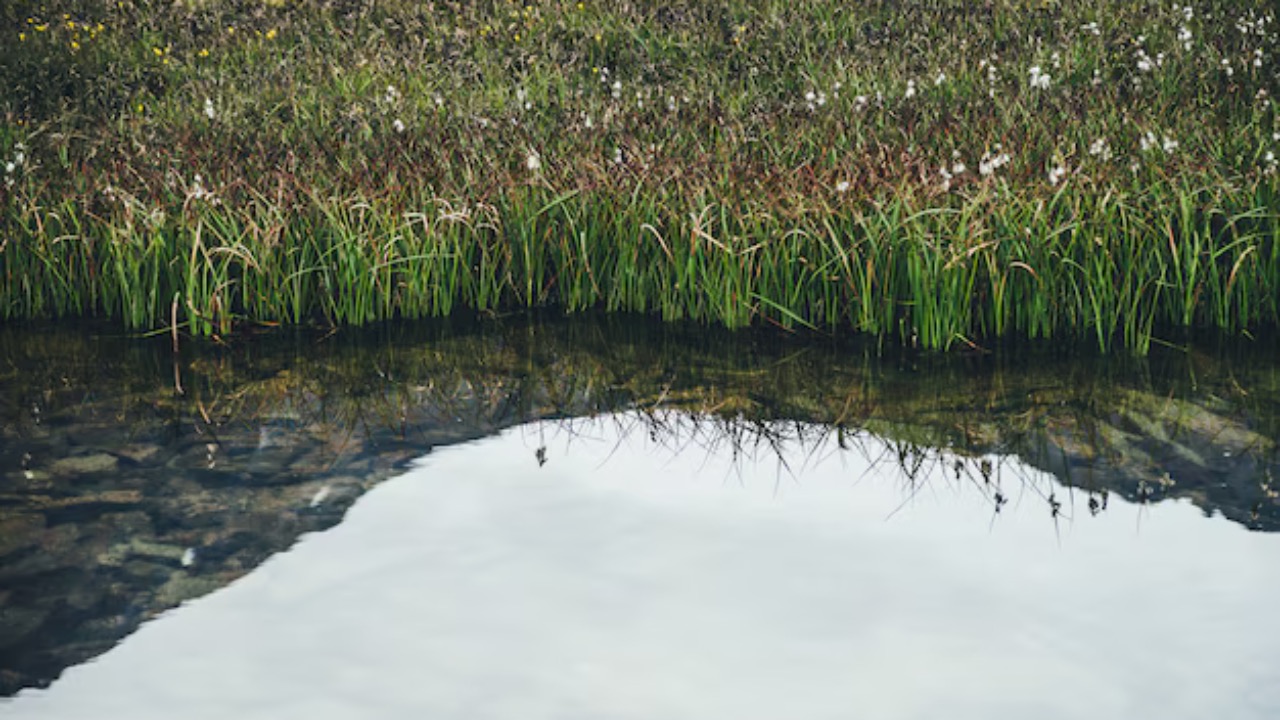
The wetland I have in mind sits on the edge of a small American city, tucked behind ballfields and neighborhoods where most folks are thinking more about commute times than cattails. It is the kind of place you might stumble into while chasing a dog that slipped its leash or looking for a shortcut to the river, then suddenly realize you are standing in a full-blown marsh with herons lifting out of the reeds. On satellite imagery it shows up as a green smudge, a little darker than the surrounding streets, not unlike the way a compact site such as Edinburg appears as a 40-acre wetlands oasis in the middle of town.
What makes this kind of wetland easy to miss is also what makes it valuable. It is close enough to hear traffic but wild enough that you can watch dragonflies patrol the channels and listen to rails calling from the sedges. I have walked similar spots where a short trail system and a couple of viewing platforms turn an overlooked backwater into a daily nature fix for nearby residents, the way urban wetlands around the country quietly serve both people and wildlife. The wetland I am thinking of fits that mold, a place that rarely makes travel lists but punches far above its weight in ecological terms.
What a “teeming” wetland really looks and sounds like
Step into a healthy marsh in late spring and the first thing that hits you is the noise. Frogs rattle from every direction, red-winged blackbirds buzz from the cattails, and if you are lucky you will hear the hollow cluck of a hidden bittern. In a small city wetland, that soundscape can rival what you hear in larger preserves, the way birders in the Rio Grand Valley describe the constant motion of herons, ducks, and songbirds around them. When I say the place is teeming with wildlife, I mean you can stand in one spot and count more species in ten minutes than you might see in a full day of driving farm country.
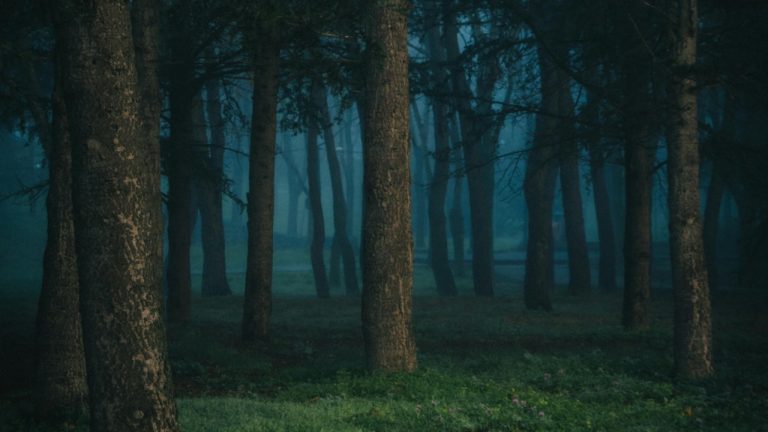
Visually, a thriving wetland is layered. Tree trunks rise out of dark water, shrubs knit together the shoreline, and floating mats of vegetation create a maze of hiding spots for everything from turtles to salamanders. Federal scientists describe these kinds of Forested wetlands as slow-moving or still-water systems that support a wide range of birds, mammals, and invertebrates. In the wetland I am thinking of, that translates into wood ducks slipping between trunks, muskrats cutting V-wakes at dusk, and clouds of insects that, while annoying to your face, are a buffet for everything else.
How this small marsh fits into a much bigger map
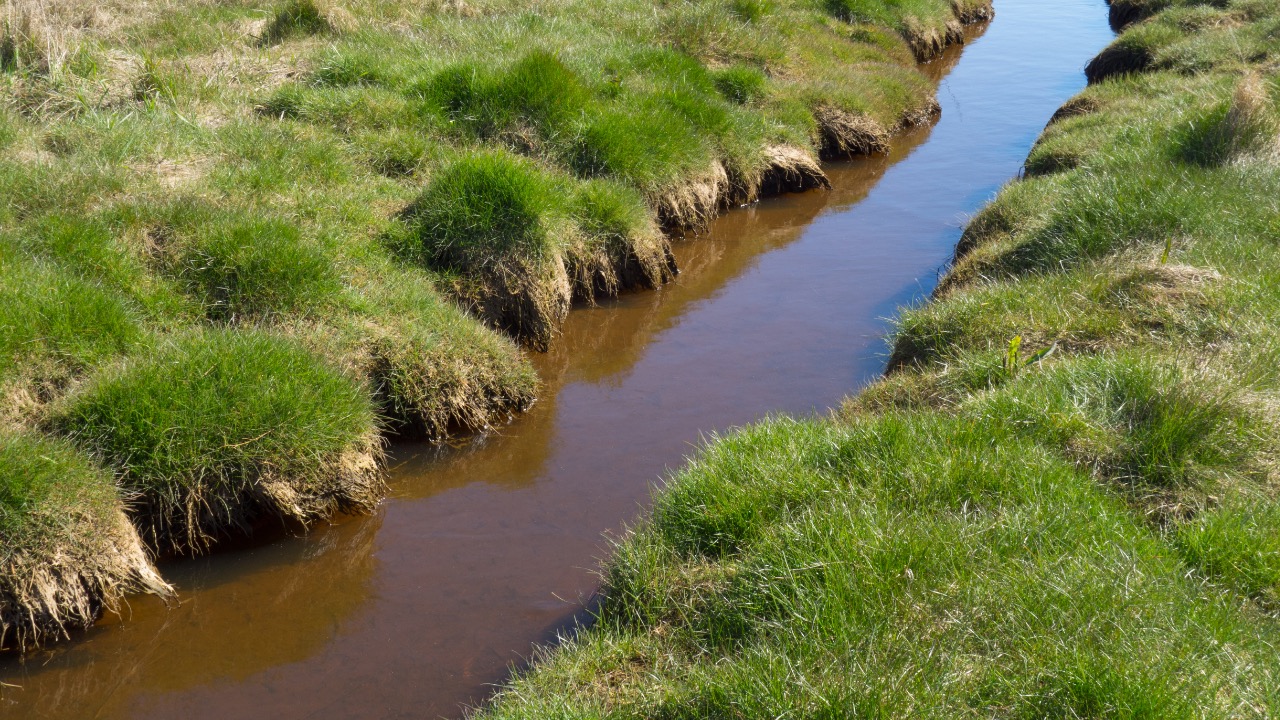
It is easy to look at a few dozen acres of swamp and think of it as an isolated pocket, but that is not how wetlands work. Even a modest marsh is usually tied into a larger river or groundwater system, feeding and being fed by water that moves far beyond the property line. In Otter Creek country, for example, Vermont’s longest river runs for 32 miles through the largest and most biologically diverse swamp complex in New Eng, and the little side channels and backwaters are every bit as important as the mainstem. The wetland I am describing plays a similar supporting role, taking in stormwater, slowing it down, and bleeding it back into the watershed on a schedule that plants and animals can handle.
Zoom out even farther and you see how these small sites echo the work of giants like the Atchafalaya River Basin, which forms North America’s largest floodplain swamp. There, the Atchafalaya and its surrounding watershed soak up floodwater, support fisheries, and underpin local culture. On a smaller scale, my little city marsh does the same kind of work for its neighborhood, catching runoff, filtering out some of the grime, and giving fish and amphibians a place to ride out high water that would otherwise scour downstream channels.
Why wetlands like this are biodiversity powerhouses
For their size, wetlands carry an outsized share of the continent’s biodiversity. In Nevada, Ash Meadows National packs 26 species found nowhere else on Earth into just under 24,000 acres, a reminder of how much evolution can concentrate in wet ground surrounded by harsher habitat. My anonymous city marsh is not harboring that level of endemism, but the same principle applies: it is a refuge for species that cannot make a living in mowed lawns and parking lots. Amphibians, in particular, depend on these pockets, and I have seen egg masses stacked in shallow pools the way conservationists report salamanders using restored pools at places like Our Emiquon Preserve.
Bird life is another giveaway that a wetland is doing its job. The USA has amazing spots to see egrets in action, from The Everglades in Florida to Bolsa Chica Wetlands in California and Anahuac Natio on the Gulf Coast, and even in smaller city parks and golf course ponds, according to The USA birding writeups. In my little marsh, I have watched those same white birds stalk the shallows, along with green herons, kingfishers, and migrating shorebirds that drop in to feed on exposed mud. Stack that on top of the turtles, snakes, and invertebrates, and you start to see why scientists keep calling America’s marshlands some of the most enchanting and biodiverse landscapes in the country, a point echoed in descriptions of America‘s marshlands.
Lessons from bigger, better-known wetlands
To really appreciate a small wetland, it helps to compare it with some of the heavy hitters. The Atchafalaya watershed is described as America’s Largest Wetland, and video work on The Atchafalaya highlights how that system protects communities from storm surges and flooding while supporting fisheries and navigation. My little marsh is not going to save a coastal town from a hurricane, but it does blunt local flood peaks, soaking up heavy rain that would otherwise rush straight into storm drains. The same physics apply, just scaled down to a neighborhood instead of a parish.
Farther east, the Everglades are often held up as the classic American wetland, and anglers talk about how, despite more than a century of neglect, the Everglades continue to produce world-class fishing and wildlife encounters. That resilience is encouraging when you look at smaller, battered marshes. If a million-acre system can claw its way back from decades of drainage and diversion, then a 40-acre city wetland that still holds frogs and herons has a fighting chance, especially if local people decide it is worth protecting.
Urban wetlands as everyday wildlife classrooms
One of the most underrated roles of a small wetland is education. When a marsh sits in the middle of town, it becomes a living classroom where kids can see tadpoles, dragonflies, and wading birds without a long drive. In Edinburg, for example, At the heart of Edinburg, TX lies a 40-acre wetlands oasis in the midst of a lively urban landscape, and The Edinburg World Birding Center uses that setting to connect people with ducks, herons, and other water-loving creatures, as described on the WELCOME page. The wetland I am thinking of does the same thing on a smaller budget, with school groups walking the levee and local bird clubs meeting at the trailhead.
Media from the Rio Grand Valley and South Texas, including a Nov field video and a Jul birding reel from the Rio Grand Valley of South Texas, show how quickly people light up when they get close to wetland wildlife. I have seen the same reaction when a kid in sneakers and a baseball cap spots their first egret or snapping turtle in a city marsh. That kind of experience builds voters and volunteers who later care about bigger, more remote wetlands, whether they are planning trips to places highlighted in lists of Whether hidden parks or dreaming about the Atchafalaya.
Midwestern swamps, bogs, and the quiet fight to protect them
In the Midwest, where cornfields and suburbs dominate the view, wetlands can feel even more fragile. Conservation groups have been working to reconnect backwater swamps, streams, and lakes at sites like Emiquon Preserve, where habitat improvements help spotted and four-toed salamanders move between breeding pools. My little city marsh is part of that same regional puzzle, a stepping stone for frogs, turtles, and birds moving through a landscape that has lost a lot of its original wet ground.
Some of the rarest wetland types in this region are bogs, which form in old glacial depressions and can host plant communities found nowhere else in a state. In Illinois, for instance, the centerpiece of a protected complex is Volo Bog, part of Illinois Nature Preserves and described as the only quaking bog of its kind in America and the only one in Illinois. When I walk my local marsh, I think about how easily a place like that could have been drained or filled if people had not stepped up. The same is true for smaller wetlands listed among Seven Wetlands to Visit in the Region to Celebrate American Wetlands Month, including Deer Grove East Forest Preserve in Cook County, which shows how close high-quality habitat can sit to dense development.
Wildlife encounters that stick with you
What keeps me coming back to these places are the specific encounters that burn into your memory. I remember standing on a levee in a Midwestern marsh, watching a line of egrets and herons feeding in a shallow pool, not unlike the scenes shared from Eagle Marsh in Fort Wayne, where a nature preserve is described as teeming with life. In my little city wetland, I have watched a mink drag a crayfish up onto a log, listened to sandhill cranes bugle overhead, and once, in late winter, counted more than a hundred ducks packed into a patch of open water the size of a two-car garage.
Those moments are not limited to big-name destinations. Travelers who chase lesser-known parks, the kind highlighted in lists of national and state you probably have not visited, often report that the wildlife feels less pressured and more visible. The same thing happens in a small wetland that does not see heavy traffic. Animals go about their business, and if you move slowly and keep your voice down, you get a front-row seat. That is the real payoff of paying attention to these overlooked marshes: they give you wild experiences without the crowds.
Why a little-known wetland deserves big-time respect
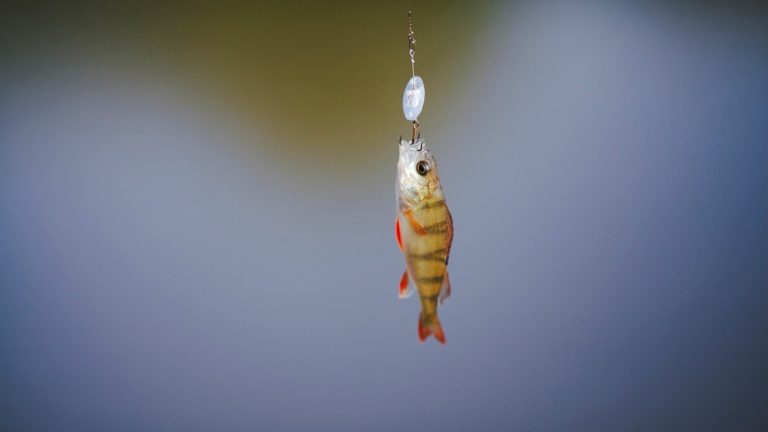
When you stack up everything a small wetland does, from flood control to water filtration to wildlife habitat, it starts to look less like a leftover piece of ground and more like infrastructure. In Louisiana, the Atchafalaya is recognized for its remarkable ecological, economic, and cultural importance for Louisianans, and while my city marsh is not feeding a commercial fishery, it is quietly protecting basements from flooding and giving local anglers a place to cast for panfish and bass. That kind of everyday value rarely shows up on a balance sheet, but you notice it when it is gone.

Asher was raised in the woods and on the water, and it shows. He’s logged more hours behind a rifle and under a heavy pack than most men twice his age.