Coyotes vs. bobcats: which predator dominates in Texas?
Across Texas rangelands, suburbs, and creek bottoms, two mid-sized predators quietly shape the food chain: the coyote and the bobcat. Both are common, both are highly adaptable, and both inspire strong opinions from ranchers, hunters, and homeowners. When people ask which one truly dominates, they are really asking who wins in direct clashes, who controls more territory, and which species has adapted better to a rapidly changing, human-dominated landscape.
To answer that, I look at more than a hypothetical fight. Body size, hunting style, and social behavior all matter, but so do disease dynamics, livestock conflicts, and how each animal responds to cities pushing deeper into wild country. In Texas, where predators are often judged by their impact on deer, calves, and backyard pets, the balance of power between coyotes and bobcats is as much about ecology and human perception as it is about teeth and claws.
Texas predators in context: two mesopredators at the top of the middle
In much of Texas, coyotes and bobcats sit in a similar ecological tier, often described as mesopredators that fill the gap between small carnivores and apex hunters like mountain lions. In some research landscapes, Coyotes (Canis latrans) and bobcats (Lynx rufus) are explicitly identified as the dominant predator species, with white-tailed deer (often abbreviated as WTD) hunting pressure layered on top from people. That combination of wild carnivores and human hunters creates a crowded arena where each species must carve out a niche to survive. In Texas, where deer management and livestock production are central to rural economies, the way these two predators operate has outsized influence on landowner decisions.
Despite that pressure, both species have proven remarkably resilient. One study of urban and suburban carnivores found that, in the short term, human activity poses little threat to the overall populations of bobcats and coyotes, which are described as two of the most highly adaptable mesopredators to the presence of people In the modern landscape. That adaptability is on full display in Texas, where both animals now patrol everything from Hill Country subdivisions to South Texas cattle ranches, often within sight of highways and backyard fences.
Size, strength, and the one-on-one fight question
When people talk about which predator “dominates,” they often jump straight to a cage-match scenario: bobcat versus coyote, who walks away? On paper, the coyote usually has the edge. Analyses that compare the two species side by side conclude that a coyote would win a fight against a bobcat in most cases, largely because coyotes tend to be larger and more powerfully built for open-ground confrontations, a pattern highlighted in breakdowns of a hypothetical Fight Between the two. That size advantage translates into longer reach, heavier bites, and more stamina in a prolonged struggle.
Yet the story is not as simple as “coyote always wins.” Detailed comparisons note that is not to say a bobcat cannot win, only that the odds tilt toward the larger canid when all else is equal That’s not. Bobcats bring razor-sharp claws, explosive ambush power, and a wrestler’s ability to twist and rake at close quarters. In thick brush or rocky cover, where a cat can launch from concealment, that agility can narrow the gap, especially if the coyote is young, injured, or isolated from its pack.
Territory and behavior: how coyotes and bobcats share (and fight over) ground
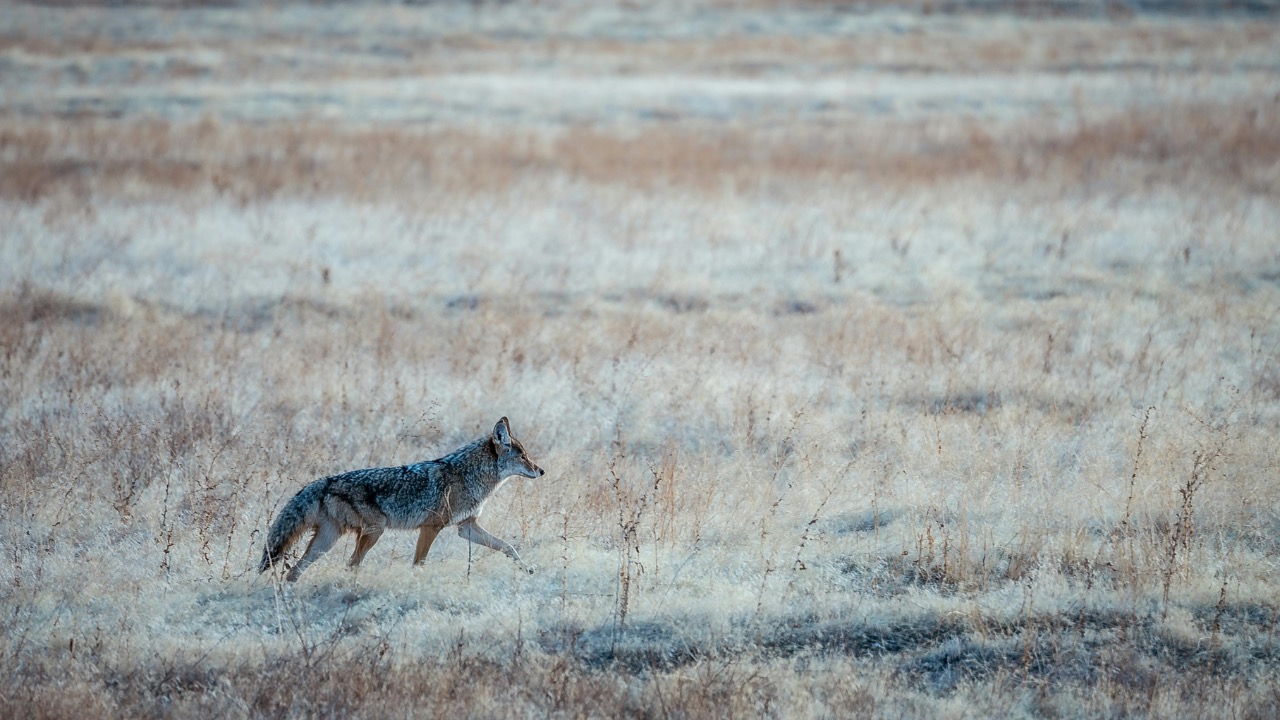
On the ground in Texas, dominance often looks less like a bloody fight and more like one species pushing the other off prime hunting spots. Field work at La Copita, a working research ranch that supported a cow-calf operation of approximately 100 head on a short-duration grazing system and 40 head on a 2 pasture design, has tracked how coyotes and bobcats move through the same cattle country. Coyotes tend to range widely, using open pastures and senderos, while bobcats favor thicker cover and edges. That spatial partitioning reduces direct clashes but does not eliminate competition, especially around water sources and high-traffic game trails.
Real-world encounters show how that competition plays out. In one widely shared neighborhood account from Sierra Madre, observers described a group of coyotes chasing bobcats to show dominance and claim hunting territories, a pattern that often emerges when they establish or defend a range Coyotes vs. A follow up discussion in the same community noted that such chases can become a regular spectacle on weekend mornings, with residents like Monica Matsuo watching as the coyotes assert themselves over the cats Jul. Texas neighborhoods see similar dynamics along greenbelts and creek corridors, where coyotes often patrol in loose family groups and bobcats slip through more quietly, avoiding open confrontations when they can.
Diet, livestock, and which predator hits ranchers harder
For Texas landowners, the question of dominance often boils down to which animal causes more trouble for calves, goats, and game species. In hunting and ranching circles, there is a long running debate over whether bobcats or coyotes are “worse,” with some managers pointing out that after a few years of targeted control, the numbers of varmints can decline enough to ease pressure on fawns and small stock Bobcats vs. In that discussion, predators are often lumped together, but coyotes tend to draw more blame for calf and lamb losses because of their pack behavior and willingness to test larger prey.
At the same time, both species do a significant amount of rodent control, especially in and around cities. Observers in North Texas have documented how Rats and other small mammals are staples for urban coyotes and bobcats, with one photo series showing a bobcat trotting through a neighborhood with a freshly captured rat. That diet flexibility means both predators can shift from rabbits and rodents to fawns or poultry when opportunities arise, which is why some Texas ranchers view them as both useful pest controllers and potential threats that must be monitored closely.
Predator versus predator: when coyotes hunt bobcats
Although bobcats are formidable in their own right, the hierarchy between the two predators becomes clear when they directly target each other. Accounts from wildlife biologists note that Coyotes have killed adult bobcats and kittens, treating them as both competitors and occasional prey. That willingness to attack another mid-sized carnivore, especially young or isolated individuals, underscores the coyote’s role as an enforcer in shared territories. In Texas brush country, where cover is patchy and water sources concentrate wildlife, that pressure can shape where bobcats feel safe enough to den and hunt.
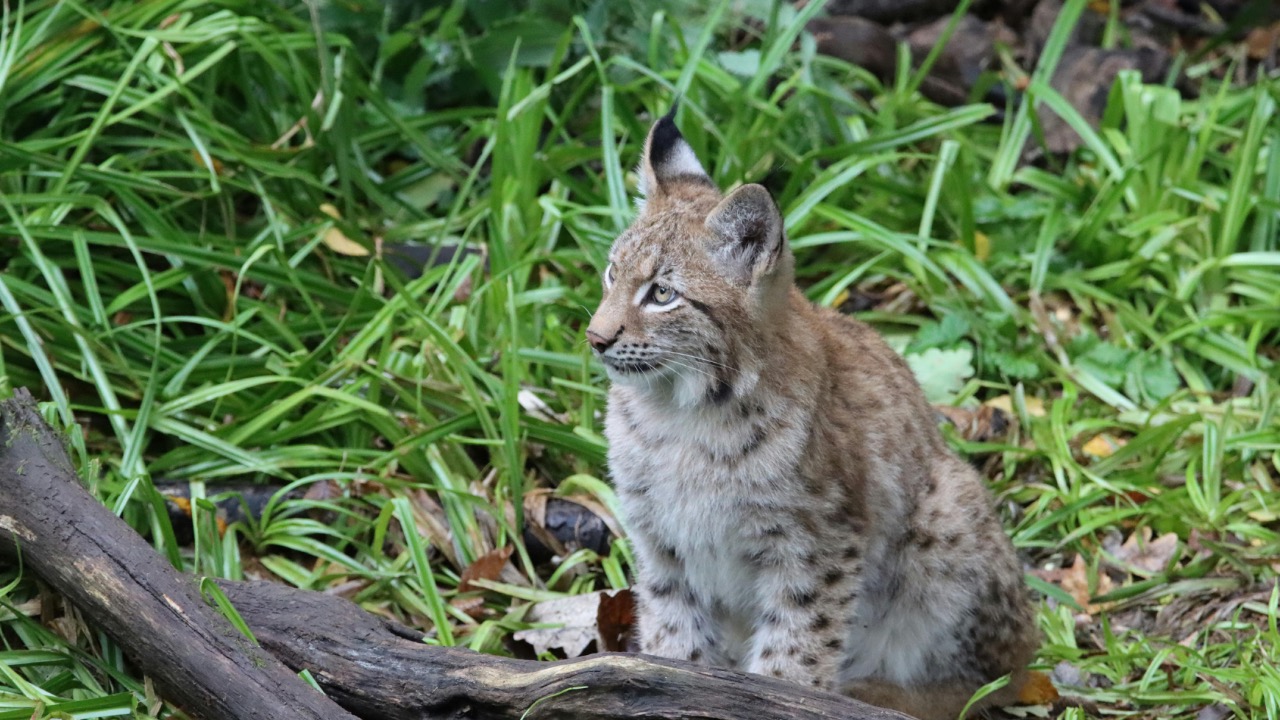
From the bobcat’s perspective, survival often means avoiding those confrontations altogether. The species, formally known as Lynx rufus, is described as a solitary, stealth oriented hunter that relies on camouflage and ambush rather than open pursuit Bobcat. That strategy works well against rabbits and rodents but is less effective when a group of coyotes sweeps through an area, using their noses and social coordination to flush out competitors. In that sense, coyotes do not just dominate in one-on-one fights, they also exert top down pressure that can limit where bobcats operate most freely.
Urban edges: which predator adapts better to Texas cities
As Texas cities expand, the contest between coyotes and bobcats has shifted from remote ranches to cul de sacs and park trails. Coyotes have shown a particular knack for thriving in these human dominated spaces, slipping through drainage corridors and golf courses while remaining largely unseen. Observers note that Humans might not see coyotes very often, as they are naturally shy, but they can certainly hear them, with at least 11 different vocalizations echoing across North America. That vocal communication helps family groups coordinate movements and avoid danger, a useful trait in fragmented urban habitats.
Bobcats also use greenbelts and creek lines to move through cities, but they tend to be even more secretive, rarely vocalizing and often hunting at the edges of artificial light. In some suburban communities, residents only realize a bobcat is present when a security camera captures one slipping past a driveway at dawn. In contrast, coyotes often announce their presence with yips and howls, a behavior that has earned them a reputation as the more conspicuous and, in many people’s minds, more dominant urban predator. That perception is reinforced by their boldness around roads and yards, where they sometimes test trash cans, pet food bowls, and even small dogs.
Senses, intelligence, and hunting tactics
Dominance is not only about muscle, it is also about who sees, hears, and reacts first. Hunters and wildlife observers consistently point out that Coyotes see better than we can, often better than many people can with binoculars or a spotting scope, which is one reason they can appear suddenly in an area that seemed empty moments before. That sharp vision, combined with acute hearing and smell, makes coyotes extremely difficult to call or stalk, even for experienced Texas hunters using electronic callers and decoys.
Behaviorally, coyotes are sometimes called brush wolves and are known for distinctive calls that keep them in touch with other members of their group Behavior Coyotes. They can hunt alone, especially when targeting rodents or rabbits, but often benefit from loose pack structures when tackling larger prey or defending territory. Bobcats, by contrast, rely more on solitary stealth, using keen hearing and night vision to ambush from close range. That difference in social structure means coyotes can coordinate pressure on prey and rivals in ways bobcats generally cannot, another subtle advantage in the dominance equation.
Breeding season aggression and territorial stakes
The balance of power between coyotes and bobcats is not static throughout the year. During breeding season, the competition for mates and areas heightens coyote territorial instincts, increasing aggression toward intruders and making them more responsive to aggressive calls and tactics used by hunters The competition. In Texas, that can translate into more frequent confrontations with bobcats that wander too close to den sites or core hunting areas, especially in late winter and early spring when pups are on the way.
Comparative predator research helps explain why the larger canid often prevails in these clashes. Studies of similar matchups note that while jackals are not completely defenseless, their smaller size and lighter weight put them at a disadvantage in a fight against a more robust canid, which can use superior strength in a confrontation While. The same principle applies when a bobcat faces a coyote that is not only larger but also highly motivated to defend its breeding territory. In those moments, the coyote’s combination of size, social backing, and heightened aggression tends to tip the scales.
Human control efforts and the long game of dominance
In Texas, people are the ultimate referees in the coyote bobcat rivalry, whether they intend to be or not. Predator control programs, often aimed at protecting deer and livestock, can reshape local hierarchies by selectively removing one species more than the other. In some hunting communities, managers like Cross have observed that after a few years of implemented control, the numbers of varmints, including both Cross referenced Bobcats and coyotes, have declined enough to change how often landowners see or hear them. Those shifts can temporarily reduce conflicts but may also open space for surviving individuals to expand their ranges.
At the same time, both species have shown a remarkable ability to bounce back from pressure. Research on mesopredators in human dominated landscapes emphasizes that, in the short term, human activity has not significantly reduced overall populations of these adaptable carnivores human activity. In Texas, that resilience means the question of which predator dominates is less about permanent victory and more about a constantly shifting balance, influenced by rainfall, prey cycles, hunting pressure, and suburban growth. Coyotes may hold the upper hand in direct confrontations and territorial displays, but bobcats continue to thrive in the shadows, quietly taking their share of the state’s abundant prey.

Leo’s been tracking game and tuning gear since he could stand upright. He’s sharp, driven, and knows how to keep things running when conditions turn.