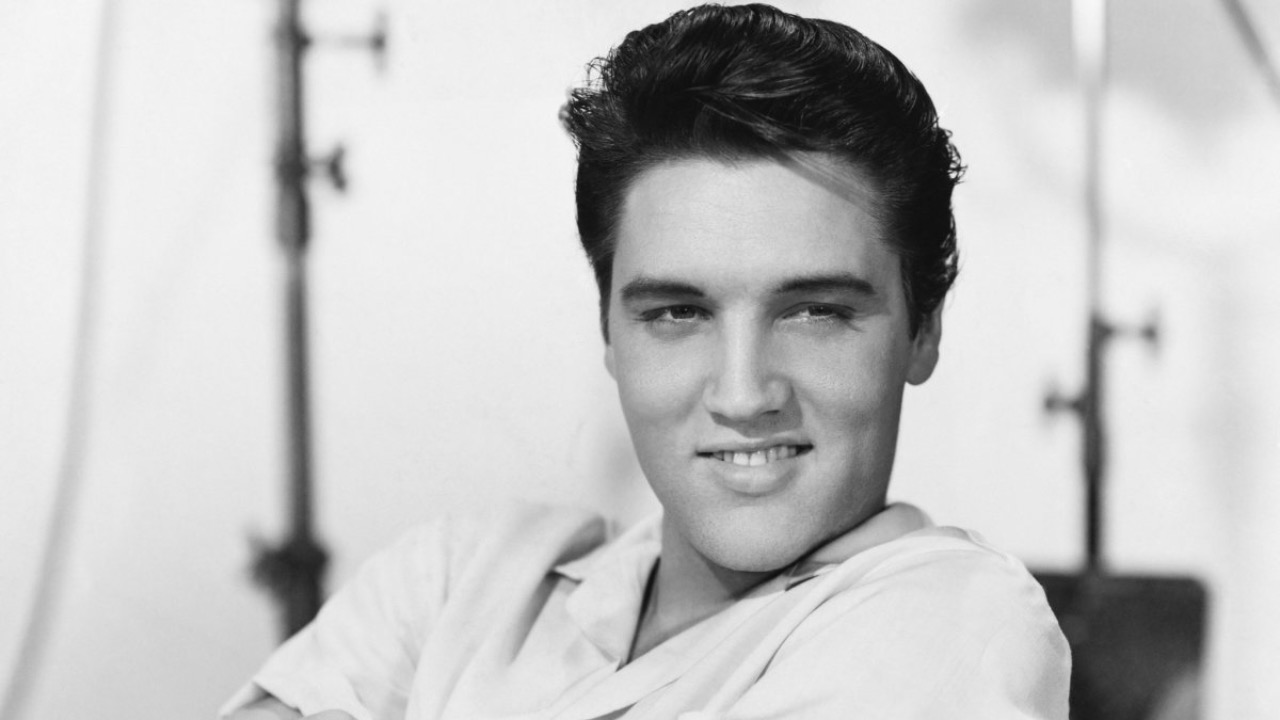
Famous Americans who left fame behind to serve in uniform
Across American culture, a small but striking group of celebrities have stepped away from lucrative careers and bright lights to wear a military uniform. Their decisions cut against the grain of fame, trading red carpets and stadiums for barracks, basic training, and in some cases, combat zones. These stories reveal how powerful the pull of service can be, even for people who seemingly have everything.
From athletes at the peak of their careers to actors and musicians with global name recognition, these famous Americans chose duty over comfort. Their paths into the armed forces span World War II, Vietnam, the Cold War, and the post‑911 era, but together they show how public figures can redefine what it means to be a star by walking away from the spotlight to serve in uniform.
From NFL star to Army Ranger: Pat Tillman’s defining choice
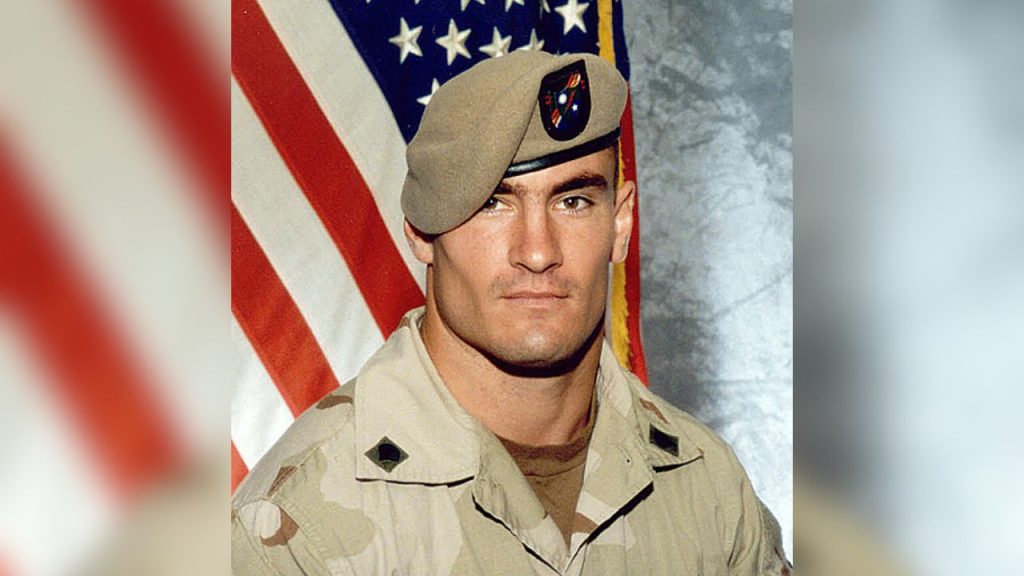
Few modern stories capture the idea of leaving fame behind as starkly as the life of Patrick Daniel Tillman. Pat Tillman was a standout safety in the National Football League, a young star with the Arizona Cardinals who had already secured the kind of career most players only imagine. Instead of chasing a bigger contract or endorsement deals, he walked away from the National Football League after the attacks of 911, choosing to enlist in the United States Army and pursue one of its most demanding paths, the Rangers. His decision, rooted in a sense of obligation rather than publicity, turned him into a symbol of post‑911 sacrifice long before his death in Afghanistan.
Accounts of his life emphasize that Pat Tillman was not only a hard‑hitting defender but also an accomplished student and thinker, someone who weighed his options carefully before giving up professional football. He and his brother enlisted together, a gesture that underscored how personal the choice was, and he went on to serve multiple tours before he was killed during a combat mission in Afghanistan, a loss that sparked national debate about the costs of war. Biographical records of Patrick Daniel Tillman and tributes from the National Football League community frame his story as one of the clearest examples of a celebrity deliberately exchanging fame for front‑line service.
Athletes who traded stadiums for the front lines
Pat Tillman is part of a longer tradition of American athletes who have paused or abandoned their careers to serve in wartime. Historical lists of Athletes Who Became Real American Heroes For Their Military Service highlight how stars from baseball, boxing, and football stepped away from packed arenas to join the armed forces. These accounts describe how Pat Tillman appears alongside other figures who left professional sports behind to answer a call to duty, reinforcing that his choice, while extraordinary, was not entirely unique. The pattern is clear: when conflict loomed, some of the country’s most recognizable competitors chose to be soldiers first and celebrities second.
Photo archives of notable athletes who served show names like Ted Williams, Joe Louis, and Rocky Bleier, each of whom interrupted or risked their careers to wear a uniform. Ted Williams, the Boston Red Sox legend, left Baseball at the height of his powers to fly combat missions, while heavyweight champion Joe Louis used his stature to support recruitment and morale, and Rocky Bleier returned to the NFL after being wounded in Vietnam. In more recent compilations, Pat Tillman and other modern players appear in galleries of notable athletes who, while features on Athletes Who Became underline how these decisions reshaped public perceptions of both sports and service.
Old Hollywood’s leading men who walked off set for World War II
Long before modern celebrity culture, some of the biggest names in classic cinema left Hollywood soundstages to fight in World War II. During that conflict, the United States mobilized not only factory workers and farmers but also movie stars, and a number of leading men chose to trade tailored suits for flight suits and uniforms. Archival discussions of celebrities in that era point to a wave of actors who volunteered or accepted commissions, often at the height of their box‑office power, reflecting a national mood in which service was seen as a shared responsibility rather than a burden for anonymous troops alone.
Among the most prominent were Jimmy Stewart and Clark Gable, both of whom already had major careers when they entered military aviation. Stewart, who would later be celebrated as James “Jimmy” Stewart, became a decorated pilot and eventually the highest‑ranking actor in U.S. military history, while Gable flew missions as a squadron commander in Europe. Retrospective posts about Jimmy Stewart and emphasize that they did not simply pose for publicity photos but took on real combat roles. Exhibits on Celebrities in Uniform United States entered World War II show how Americans saw these choices as proof that the war effort reached from stage and screen to the front lines.
From crooners and comics to combat boots
Not every famous volunteer carried a rifle into battle, but many entertainers still set aside thriving careers to serve in uniform. Tony Bennett, born Cpl Anthony Benedetto, is one of the clearest examples. Before he became a beloved singer, he served in the Army in Europe, an experience that shaped his later advocacy for veterans and civil rights. Official profiles of famous Army vets describe how he, like other performers, used his talent to lift morale while still accepting the risks and discipline of military life, a reminder that service can blend art and duty rather than keep them separate.
Other entertainers followed similar paths, from comics who enlisted to musicians who were drafted and later returned to the stage. Historical roundups of famous Army vets note that some future stars, like Clint Eastwood, appeared in uniform during the Korean War years before they became household names. Later features on Celebs Who Served in the Military highlight Tony Bennett alongside Elvis, Morgan Freeman, Bea Arthur, and More, underscoring how broad the roster of entertainers in uniform has been. In each case, the decision to serve meant stepping away from tours, recording sessions, or television work to join a much more regimented world.
Elvis Presley and the power of a drafted superstar
Elvis Presley’s induction into the Army remains one of the most famous examples of a celebrity entering the ranks in full view of the public. At the time he was drafted, Elvis Presley was already a cultural phenomenon, with screaming fans and a string of hits that had reshaped American music. Instead of seeking special treatment, he chose to serve as a regular soldier, a decision that helped legitimize the draft in the eyes of many young Americans who saw their idol accept the same obligations they faced. His time in uniform showed that even the “King of Rock and Roll” could be called away from the stage.
Accounts of his service describe how Elvis Presley trained and lived alongside other soldiers, while the Army carefully managed his public image to balance security with fan interest. Later retrospectives on the King note that his enlistment in 1958, after being drafted, became a defining moment in the relationship between pop culture and military service. Lists of Hollywood Stars Who in the Military routinely place Elvis Presley alongside Bea Arthur, James Earl Jones and Adam Driver, reinforcing how his decision to put his career on hold for the Army set a precedent for later generations of performers.
Modern actors who swapped scripts for service
In the post‑draft era, when military service is voluntary, the decision by actors to enlist can be even more striking. Adam Driver is arguably the most well‑known former soldier currently working in Hollywood, and he has spoken openly about how his time in the Marines shaped his discipline and outlook. Before he became a star in films and on television, Driver joined the military with friends, only to see that path cut short by injury. His story, which began far from red carpets, illustrates how some modern performers experience the armed forces not as a publicity move but as a formative chapter that predates their fame.
Compilations of actors who served highlight how Driver’s experience fits into a broader pattern of performers with military backgrounds. Features on Adam Driver in Hollywood note that he is part of a lineage that includes earlier generations of stars who wore uniforms before they ever saw a script. Lists of Army Veterans Who in Movies point to Sidney Poitier and Elvis Presley as examples of how service and stardom can intersect. Broader rundowns of Celebrities Who Served show that for some, like Driver, the uniform came first and the fame followed later.
Television icons who balanced duty and celebrity
Television has its own roster of stars who either left or delayed their on‑screen careers to serve. Tom Selleck, remembered by many as the face of Magnum P.I., is a prominent example. Before he became a television superstar, TOM SELLECK received draft papers during the Vietnam War and chose to join the California National Guard. He spent years in uniform, even appearing on recruiting posters, while slowly building an acting career on the side. That timeline meant he was a soldier before he was a household name, and his later fame carried the imprint of that service.
Social media tributes recount how, After being called during the Vietnam War, Selleck balanced Guard duties with auditions and early roles, a juggling act that delayed but did not derail his eventual breakthrough. A detailed post on TOM SELLECK and Magnum underscores how his time in the California National Guard shaped his public image as a grounded, quietly patriotic figure. Broader surveys of top celebrity veterans place him alongside other television and film personalities who either paused or risked their careers to answer a call to service.
Why these stories still resonate with Americans
Part of the enduring power of these narratives lies in how they challenge assumptions about celebrity. In an era when fame is often associated with self‑promotion and personal branding, the idea of a star voluntarily stepping into a role where rank, not ratings, determines status carries real weight. When figures like Pat Tillman, Elvis Presley, or Adam Driver choose or chose the military, they signal that service to the United States can outweigh the comforts and privileges of public acclaim. That message resonates especially strongly in communities where military service is a family tradition or a common career path.
Organizations dedicated to preserving aviation and military history have leaned into these stories to connect younger audiences with the past. A series on celebrities who served launched from Dallas, TX, notes that some of the biggest names in film, television, sports, and music once wore a military uniform, and that some of their stories are truly astonishing. Exhibits on Celebrities in Uniform When the United States began re‑arming for World War II show how Americans from stage, screen, sports, radio and music joined the war effort. Together, these efforts frame celebrity service not as a curiosity but as a meaningful thread in the broader story of American military life.
The post‑911 legacy and what service means now
The attacks of 911 reshaped how a new generation of Americans thought about service, and that shift extended to public figures as well. Pat Tillman’s decision to leave the National Football League after those attacks became a touchstone for conversations about sacrifice, patriotism, and the burdens placed on military families. His story, and those of other post‑911 volunteers, highlighted that even people with secure careers and national recognition felt compelled to step forward. That example continues to influence how fans and fellow athletes talk about duty and risk in an era of all‑volunteer forces.

Leo’s been tracking game and tuning gear since he could stand upright. He’s sharp, driven, and knows how to keep things running when conditions turn.