Five U.S. monuments Native groups say are disrespectful
Across the United States, monuments that many people grew up seeing as neutral landmarks are being reexamined through Indigenous eyes. Native leaders and scholars argue that some of the country’s most recognizable memorials do not simply overlook Native history, they actively glorify conquest, erasure, and environmental harm. The debate is not abstract: it is playing out on specific hillsides, in city plazas, and across contested national monuments.
When Native communities describe certain statues and memorial landscapes as disrespectful, they are challenging who gets honored in stone and whose suffering is treated as collateral. From the Black Hills to downtown San Francisco, I see the same core question repeating: can a monument be called “national” if the people it harms are still fighting to be heard beneath it?
Why monuments are under new scrutiny
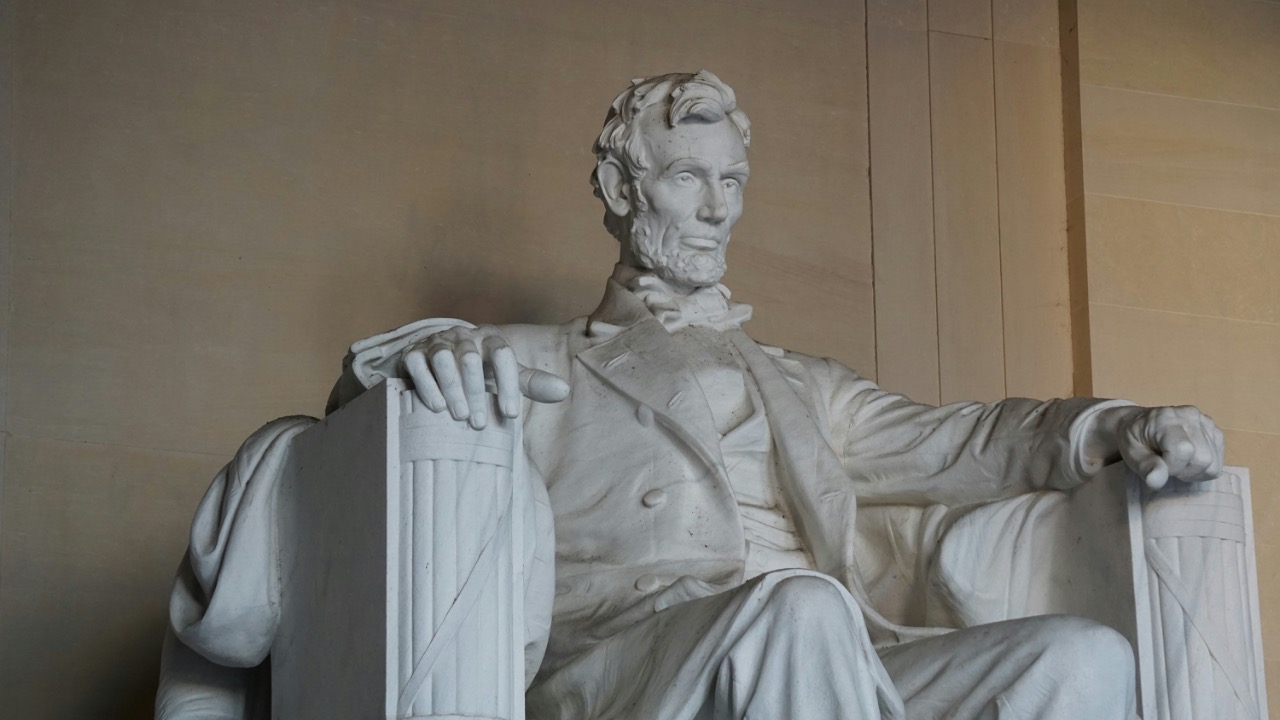
Public memorials have always been political, but Indigenous activists argue that the stakes are clearer now that more Americans are paying attention to how racism and colonialism are built into the landscape. Researchers who study public history note that, alongside Confederate memorials, statues of figures such as Christopher Columbus and have been toppled or defaced by Indigenous communities and their allies, who see them as celebrations of conquest and forced conversion. In that context, monuments that depict Native people as conquered, childlike, or vanished are not just outdated art, they are part of a broader pattern that normalizes violence against Indigenous, Black, and other racialized people.
Scholars of race and memory argue that the monuments that have received the most vehement protest are those that honor slave traders, colonizers, and officials who ordered or oversaw campaigns against Indigenous nations, because they turn perpetrators into civic heroes. One interview on Monuments and public space describes how these statues function as daily reminders of whose lives were considered expendable. Against that backdrop, Native critics say, it is not enough to add plaques or context; some memorials are so rooted in racist narratives that removal or radical reimagining is the only honest response.
Mount Rushmore in the Black Hills
Few places capture the tension between national pride and Indigenous dispossession as starkly as Mount Rushmore, carved into the granite of the Black Hills South. For many visitors, the 60‑foot faces of four presidents symbolize democracy and perseverance. For the Lakota and other Native nations, the mountain sits on land guaranteed by treaty and then seized after gold was discovered, turning the monument into a literal engraving of U.S. power over a sacred landscape. Critics argue that celebrating presidents associated with westward expansion on stolen land compounds the insult, because it visually cements the idea that conquest is the natural endpoint of history.
Tourism materials invite travelers to See one of America’s most iconic landmarks and promise that “You” will get close to Mount Rushmore while learning its “complicated history,” but Native activists say the official story still sidelines treaty violations and spiritual loss. In videos and public talks, Indigenous commentators describe the carving as a “disgrace to nature” and to the original caretakers of the Black Hills, because it treats a living, sacred place as a blank canvas for federal mythmaking. That clash between patriotic branding and Indigenous memory is why some Lakota organizers call for the monument to be returned to tribal stewardship or for the land itself, rather than the sculpture, to become the focus of commemoration.
The Crazy Horse Memorial’s contested tribute
Just a short drive from Mount Rushmore, the Crazy Horse Memorial was conceived as a corrective, yet it has become another flashpoint. The project began after Chief Henry Standing Bear invited sculptor Korczak Ziolkowski to carve the Lakota leader into the mountainside as a statement that Native heroes also deserved monumental recognition. Supporters say the work, which shows Crazy Horse on horseback pointing toward the horizon, was meant to honor the spirit of a great warrior and remind Indigenous people that their way of life can someday return, a message that has drawn visitors and spiritual leaders alike to the site.
At the same time, One of the central controversies is that some Native Americans oppose the memorial because they consider it disrespectful to carve another massive figure into sacred land. Critics argue that turning a revered leader into a tourist attraction repeats the pattern of outsiders profiting from Indigenous culture while ignoring community consent. They also question whether Crazy Horse, who resisted being photographed and valued humility, would have wanted his likeness blasted into a mountain. For these opponents, the issue is not whether Crazy Horse deserves honor, but whether a colossal sculpture on contested ground is the right way to show it.
Bears Ears National Monument and sacred landscapes
In the Southwest, the fight over Bears Ears National Monument shows how “monuments” can be entire living landscapes rather than single statues, and why Native nations say federal decisions there have been profoundly disrespectful. The area, rich with cliff dwellings, petroglyphs, and ceremonial sites, is sacred to a coalition of tribes that includes the Navajo Nation, Hopi, Zuni, Ute Mountain Ute, and Ute Indian Tribe. Indigenous scholars describe Bears Ears as a place where ancestors are buried, ceremonies are held, and traditional knowledge is passed down, not a wilderness backdrop for extraction or casual recreation.
When President Donald Trump moved to shrink the monument, Indigenous experts described his action as How racism, grave robbery, and disrespect for Native sovereignty converge in public land policy. In a detailed critique titled Trump’s Dismemberment of, they argue that reducing protections opened the door to looting of burial sites and further damage to cultural resources. For tribal leaders, the insult was twofold: sacred ground was treated as negotiable, and Native nations that had spent years building a co-management proposal were sidelined in favor of energy and development interests. Even as legal and political battles continue, many Indigenous advocates say the episode revealed how fragile “monument” status can be when Native priorities clash with federal power.
San Francisco’s “Early Days” statue
On the other side of the country, a bronze grouping at San Francisco’s Civic Center became a symbol of how everyday cityscapes can normalize colonial violence. The “Early Days” statue, part of a larger Pioneer Monument complex, depicted a Native American man slumped at the feet of a Spanish missionary and a vaquero, visually coding Indigenous people as defeated and dependent. Native residents and their allies argued that the composition reduced complex nations to a single, half-naked figure and framed colonization as benevolent uplift, a narrative that erases missions’ roles in forced labor, disease, and cultural suppression.
After years of protest, San Francisco officials voted to remove the statue, acknowledging that its imagery was widely seen as racist and disrespectful. Local coverage noted that the episode drew attention to a broader national conversation about Confederate monuments and how similar dynamics played out in California, where memorials to colonizers were often presented as neutral history. For Native critics, the removal was less about erasing the past than about refusing to let a degrading allegory stand unchallenged in front of a public library and city hall, where it silently taught generations of residents who was meant to stand tall and who was meant to kneel.
How San Francisco finally took it down
The decision to dismantle “Early Days” did not happen overnight, and the process shows how official channels can eventually respond to Indigenous pressure. Native activists, historians, and community members had long called out the statue’s imagery, but it took sustained organizing and changing public attitudes for city leaders to act. In a memo explaining its recommendation, The Arts Commission said it sought removal because the allegorical sculpture depicted the degradation of Native Americans, language that echoed years of community testimony.
Local reporting described how the Board of Supervisors and arts officials weighed options such as adding contextual plaques before concluding that the statue’s core message was irredeemable. One account of the vote noted that the city’s arts body explicitly cited the work’s portrayal of a “conquered” Native figure as incompatible with San Francisco’s stated values. Another report on the removal decision emphasized that the statue stood in a plaza slated for a new main library, raising questions about what kind of history should greet future generations of readers. By the time crews lifted the bronze from its pedestal, the removal itself had become a public lesson in how communities can challenge inherited narratives and demand that civic art reflect, rather than distort, Indigenous presence.
Disrespect in stone: what Native critics say is at stake
For Indigenous scholars and organizers, the problem with these monuments is not only what they depict, but what they teach. One analysis of public memory argues that, at this moment in history, a person can look across the national landscape and see statues and memorials that celebrate the horrors inflicted on Indigenous peoples, such as those commemorating violent campaigns near places like Custer State Park. The author writes that, Though these memorials are often framed as neutral history, they function as celebrations of conquest that can retraumatize Indigenous youth who see their ancestors’ suffering turned into civic pride.
In a widely shared conversation about historical memory, one speaker observed that “you can’t trust this country to tell the truth when it comes to what happens to our people,” a line that resonated with both Black and Native audiences. The discussion, captured in a video from Jun, links the toppling of statues to a deeper demand that public institutions stop sanitizing violence against marginalized communities. Native critics of monuments like Mount Rushmore, the Crazy Horse Memorial, and “Early Days” say that as long as these structures stand without meaningful reinterpretation or shared governance, they signal that Indigenous pain is secondary to tourist photos and patriotic storylines.
Beyond statues: missions, explorers, and “pioneer” myths
The five high profile sites that Native groups call disrespectful sit within a much larger web of contested memorials. Historians of public space point out that, in addition to Confederate generals, statues of Christopher Columbus and have been defaced or removed because Indigenous communities see them as honoring the architects of dispossession. Mission-era memorials in California, for example, often present priests as benevolent civilizers while glossing over forced conversions and the deaths of Native laborers. For Native Californians, those statues are not distant history; they are reminders that their ancestors’ suffering is still being romanticized in bronze.
Across the country, monuments to explorers and “pioneers” repeat similar tropes, casting Indigenous people as obstacles to progress or as passive recipients of European guidance. Some of these statues stand in prominent civic spaces such as plazas, capitol grounds, or courthouse lawns, where they quietly shape public understanding of whose stories matter. Native activists argue that when cities invest in preserving these images while neglecting Indigenous languages, housing, or land claims, they are making a clear choice about priorities. The push to remove or reinterpret specific monuments is therefore part of a broader demand to confront how public art has long been used to naturalize conquest and erase Indigenous sovereignty.
What a more respectful monument landscape could look like
As debates over these five sites intensify, Native leaders are also sketching out what a more respectful approach to commemoration might entail. Many emphasize process as much as product, arguing that any new or reimagined monument on Indigenous land must be designed with the full consent and leadership of the Native nations most affected. That could mean shifting from heroic statues to landscape-based memorials that protect sacred sites, support language revitalization, or fund cultural centers, rather than carving more faces into mountains. It could also mean rethinking existing tourist experiences so that visitors encounter Indigenous histories as living, present-tense stories instead of tragic backdrops.

Leo’s been tracking game and tuning gear since he could stand upright. He’s sharp, driven, and knows how to keep things running when conditions turn.