Calibers that cause more problems than they solve
Caliber debates tend to focus on what works best, but some cartridges mainly generate cost, recoil, or confusion without delivering clear advantages. When a round is hard to find, awkward to shoot, or built on shaky myths about “stopping power,” it can create more headaches than real-world performance. I want to look at those problem calibers through the lens of reliability, data, and how people actually use guns, rather than marketing slogans.
From tiny pocket pistol rounds to overbore magnums and niche new offerings, the pattern is similar: marginal gains, real tradeoffs. By comparing user experiences, technical data, and training guidance, I will focus on where certain calibers fall short and why shooters are increasingly gravitating toward a smaller set of proven options.
When “bigger is better” stops making sense
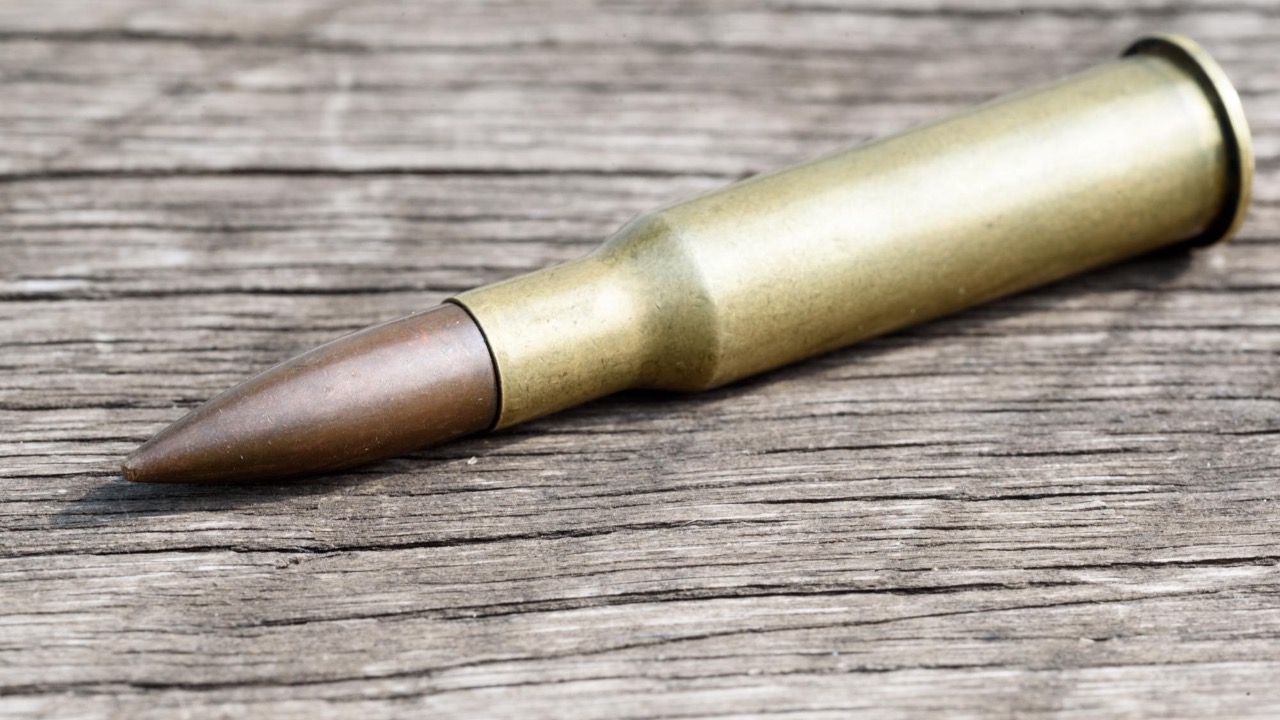
Large handgun and rifle calibers have an obvious appeal, promising dramatic power and decisive hits. In practice, heavy recoil, blast, and slower follow up shots can outweigh those benefits for most shooters. One detailed discussion of big-bore revolvers notes that while large cartridges can be effective, the same piece concedes that excessive muzzle blast and recoil can be “disconcerting,” especially for people who are not deeply experienced, which undercuts the idea that more power is always better for defensive use, as seen in the broader argument about how big calibers rule only in specific contexts.
In defensive handguns, the tradeoff between power and control is especially stark. A long-running analysis of carry pistols points out that capacity, controllability, and shot placement often matter more than raw diameter, and it frames the choice as “self-defense caliber or capacity” rather than a simple race to the largest bullet. That perspective reflects what many trainers now emphasize: a moderate, manageable round that allows accurate strings of fire, such as 9 mm, tends to outperform a harder-kicking option that a shooter struggles to control, a point underscored in the way modern carry advice weighs capacity against caliber.
Internet “worst caliber” lists and what they get right
Online gun communities are blunt about cartridges that feel redundant or underpowered, and those conversations often highlight where a caliber has drifted into the “more trouble than it is worth” category. In one widely read thread, a user opens with “Hey everyone, looking to get some thoughts” on the “worst calibers” and complains that most coverage is about “Top 10 calibers” or “Best calibers,” not the ones that fail at their intended job, which shows how frustrated shooters can be with rounds that do not live up to their billing, as reflected in the worst at job debate.
Another discussion asks bluntly what the “most useless current production caliber” might be, and one commenter, Hyperlingual, nominates .25 ACP while conceding that “You’re right, but counterpoint: .25ACP is at least centerfire. Sure .22lr …” which captures the tension between tiny centerfire rounds and rimfire alternatives. The fact that shooters are weighing whether a cartridge’s only real virtue is that it is not rimfire suggests how marginal some of these designs have become, a sentiment that runs through the useless caliber conversation.
Myths about “magic” small calibers
At the other end of the spectrum, some very small calibers are defended with almost mystical claims about how they behave in the body. A widely shared social media post repeats an old belief that a .22 “bounces around” inside a person and is therefore more deadly than larger rounds, with the author starting, “There is an old belief in the gun world that I hear people talk about often at the gun shop. It’s said that a . 22 is more deadly …” and then questioning when it will actually kill someone. That skepticism is warranted, because the physics of penetration and wound channels do not support the idea that a tiny bullet reliably causes more organ damage than a properly placed larger one, as the There is anquote itself hints.
When I look at real-world defensive use, the picture is even less flattering for these “magic” small rounds. A detailed thread among liberal gun owners notes that reliable data from actual self-defense shootings is scarce, but it reinforces the conventional wisdom that rifles and service-caliber handguns tend to be more decisive than tiny pocket-gun cartridges. The author, posting in Mar, stresses that defensive shootings are rare and that anecdotes are not a substitute for evidence, which undercuts the folklore around .22 and similar rounds and aligns with the broader Mar discussion about evidence.
Reliability headaches with marginal cartridges
Some calibers cause problems not because of ballistics but because they push guns toward the edge of reliable function. Training materials on firearm safety emphasize how malfunctions like failures to feed, failures to eject, and misfires can stem from ammunition that is poorly matched to the firearm or that operates at the margins of what the mechanism can handle. A guide to common firearm malfunctions explains how issues with cartridges, magazines, or chambers can lead to stoppages that require immediate action drills, and it highlights how critical it is to choose ammunition that cycles cleanly, which is a reminder that oddball calibers can complicate reliability, as outlined in the section on common malfunctions.
In practice, that means a shooter who picks a niche or lightly supported caliber may find fewer well-tested loads, less robust quality control, and limited feedback about how a given round behaves in specific guns. When a cartridge is only offered in a handful of boutique loads, the odds of encountering inconsistent performance go up, especially in semi-automatic platforms that are sensitive to pressure curves and bullet profiles. That is one reason many instructors steer new owners toward mainstream calibers with broad commercial support, rather than chasing the latest oddball chambering that might turn a defensive pistol into a finicky project gun.
Overbore magnums and punishing recoil
Rifle shooters face a different version of the same problem when they chase extreme velocity in overbore magnums. A long-range shooting guide notes that some high performance cartridges deliver impressive trajectories but at the cost of heavy recoil, listing examples where recoil energy climbs to 24.5 ft-lbs and comparing them to established rounds like 7mm Remington Magnum, 300 Win Mag, and 300 Winchester Short Magnum (WSM). That kind of punishment, quantified as 24.5 ft-lbs in some setups, makes it harder for many shooters to spot their own impacts or practice enough to stay proficient.
Even advocates of powerful cartridges acknowledge the tradeoffs. One detailed piece on big-game revolvers and rifles praises The Magnum as a great cartridge but concedes that “The Magnum is a great cartridge but muzzle blast and recoil may be disconcerting,” and adds that after shooters realize a small bore is not ideal, they often move to a more balanced medium bore that is “a joy to fire.” That arc, captured in the line “After realizing that the small bore isn’t ideal,” shows how many people eventually settle on moderate calibers that still deliver performance without the misery of excessive blast, as described in the section on The Magnum and its limits.
Accuracy darlings and the law of diminishing returns
Some modern rifle calibers are so accurate that they have become almost mandatory in precision circles, but that does not mean they are the right answer for every shooter. A detailed look at factory ammunition notes that Today, the most inherently accurate factory cartridge is probably the 6.5 Creedmoor, which was designed for accuracy above all else and has become a benchmark in long-range competition. That kind of praise for 6.5 Creedmoor reflects real engineering success, but it also illustrates how far the industry has pushed the pursuit of tiny groups.
For many hunters and casual target shooters, however, the incremental gain over older, more common calibers may not justify the cost of new rifles, specialized ammunition, and limited availability in rural shops. A separate comparison of battle-proven cartridges points out that Both 308 and 5.56 are combat-proven and lethal within self-defense ranges, while noting that the 308 is more prone to overpenetration and that some people give a slight edge to 5.56 in certain home-defense scenarios. That kind of analysis, which weighs Both 308 and 5.56 on practical grounds, suggests that for many users, a well-understood standard caliber may solve more problems than a boutique precision round that complicates logistics.
New handgun calibers that struggle to justify themselves
Handgun makers have tried to thread the needle between capacity and power with new cartridges, but some of those efforts have landed in an awkward middle ground. A prominent example is 30 Super Carry, which was introduced as a way to fit more rounds into a similar-size pistol while maintaining performance close to 9 mm. A technical comparison explains that Super Carry aims to fill the capacity and performance gap between 9 mm and smaller calibers, and it describes how The Federal design allows slightly slimmer cartridges in the same magazine footprint, as laid out in the Super Carry overview.
Yet market response has been tepid. A separate analysis notes that But the market hasn’t embraced it (30 Super Carry) widely because 9 mm is deeply entrenched, the gun and ammo selection is limited, and the practical benefits feel incremental for many shooters. That blunt assessment, captured in the phrase “But the market hasn’t embraced it,” underscores how hard it is for a new caliber to displace a standard when the advantages are modest and the downsides include higher cost and scarcity, as detailed in the But the critique.
Marketing hype, YouTube debates, and gamer logic
Modern caliber debates are shaped as much by online personalities as by engineers or trainers, and that can distort how shooters perceive tradeoffs. A popular video on “pointless” modern cartridges, for example, singles out 30 Super Carry and notes that 30 super carry is actually a 32 cal bullet, suggesting that naming it 32 auto magnum (to separate it from 32 h&r magnum and 327 m agnum) would have made more sense in guns that were originally 9 mm. That observation, which spells out “32” and “327 m” in the critique, shows how even enthusiasts who understand the technical merits still see the round as a branding and compatibility headache, as argued in the 32 discussion.
Broader YouTube coverage of “most pointless cartridges” often leans on entertainment value, ranking rounds for clicks rather than for how they perform in real emergencies. One such video, framed as a list of “9 most pointless modern cartridges,” has become a reference point in forum arguments, even though its criteria are subjective and sometimes closer to the tone of a gaming debate than a training manual. That dynamic mirrors a comment from a separate gaming community where a user writes, “Idk about this one chief, especially since better is pretty subjective when you’re talking about two good things,” a reminder that, as the Idk comment suggests, “better” is often in the eye of the beholder. When that subjectivity is layered over life-and-death tools, it can push people toward calibers that are fashionable online but awkward in the real world, as seen in the broader YouTube discourse.
Forgotten workhorses and the value of “boring” calibers
While some cartridges are arguably more trouble than they are worth, others are underrated precisely because they are unglamorous. In one discussion of “best calibers that are not popular,” a commenter praises 8mm Mauser as “Basically 7.62 NATOs cool older brother with how many countries used it,” and singles out 45-70 Government with the line “The only government I t…,” highlighting how older rounds like 7.62 and 45 70 G still deliver solid performance. That affection for Basically 7.62 NATO’s “cool older brother” and 45 70 G shows that some so-called obsolete calibers remain practical, especially for hunting and historical rifles.

Leo’s been tracking game and tuning gear since he could stand upright. He’s sharp, driven, and knows how to keep things running when conditions turn.