Kayak fishing setups that make a difference
On a good day, the right kayak setup feels less like a small boat and more like a precision tool. Hull design, propulsion, storage and anchoring all decide whether you spend your time casting or constantly correcting your position. The most effective fishing kayaks are not just stable platforms, they are integrated systems that turn limited space into an advantage.
Kayak fishing setups that truly make a difference share a few traits: they keep you upright and organized, they free your hands to fish, and they hold position when the bite turns on. I look at hulls, drives, rigging and anchors as one connected package, and the anglers who treat them that way tend to catch more fish with less drama.
Start with a hull that is built to fish, not just paddle

Everything that follows, from electronics to rod storage, depends on a hull that is stable enough to fish from confidently. In fishing kayaks, stability is described as a crucial feature that lets anglers navigate, cast and fight fish without feeling like every move might flip the boat, and that stability becomes even more important when you stand to pitch or flip baits close to cover, as detailed in guidance on what to consider. Tournament oriented designs like the Ascend 133X Sit-On-Top Kayak Freshwater Tournament Fishing Package are marketed as “pro-grade” platforms, with wide beams and open decks that prioritize fishing posture over pure paddling speed, a point reinforced in product descriptions for the Ascend 133X Sit-On-Top Kayak Freshwater Tournament Fishing Package.
Stability is not just a beginner’s concern, it is described as something every kayak angler worries about, especially when a loaded boat and expensive gear are on the line, and experienced paddlers are reminded that even they can tip a kayak if they push the limits while reaching or leaning, as noted in advice that “Stability concerns every kayak angler” and that “You need a stable platform to fish from” in guidance on 7 things to ponder. Reviews of top paddle, pedal and power models for 2025 echo that one of the most critical factors in a fishing kayak is stability, since anglers need to cast, reel and sometimes stand while maintaining balance, which reduces the risk of tipping over, a theme that runs through rankings of the 25 best fishing kayaks of 2025.
Use propulsion systems that free your hands and extend your range
Once the hull is right, propulsion is the next big decision, and it shapes how you fish a shoreline or offshore hump. Pedal fishing kayaks are described as having revolutionised kayak fishing by using propeller and fin systems that let anglers move while keeping their hands on the rod, and that hands-free control is framed as a way to focus on what really matters, which is fishing, in analysis of Pedal fishing kayaks. That same hands-free advantage is highlighted in breakdowns of the best pedal drive fishing kayaks, where the first major benefit of pedal-powered designs is described as “Hands-Free,” allowing the kayaker to be in motion and fish at the exact same time, a point that underpins rankings of pedal drive fishing kayaks.
Motors add another layer, turning a kayak into a compact boat with serious range. The Benefits of Using a Motorized Fishing Kayak Superior Mobility and Range Adding a motor to a fishing kayak is described as delivering superior mobility and range, making long runs less physically intensive, better for troll fishing and increasing versatility across conditions, which is the core argument in analysis of The Benefits of Using a Motorized Fishing Kayak Superior Mobility and Range Adding. Some high-end platforms integrate this thinking from the factory, such as Old Town fishing kayaks that are described as being built for anglers who demand stability, comfort and performance, with designs that help them cover more water and stay on the fish, a philosophy that runs through the lineup of Old Town fishing kayaks.
Anchor, stake and position the kayak like a small boat
Even the best drive system will not save a poor anchoring plan when wind or current picks up. One of the crucial aspects in maximizing your catch is the positioning of your boat, and good positioning is described as making the difference between a slow day and a productive one, with emphasis on reading current, wind and structure to optimize your chances of success, as laid out in guidance on One of the crucial aspects. For kayaks, an anchor trolley is a simple but powerful tool, and anglers are urged to Utilize an Anchor Trolley An anchor trolley system to turn the kayak into a strategic fishing platform that lets them adjust the anchor point along the hull so the boat can face fish or shelter from the wind, a technique detailed in advice on effective kayak anchoring techniques.
Shallow water systems have become a defining feature of serious setups. The Powerpole is described as the biggest revolution in kayak fishing in the past decade, with advocates arguing that it is faster, easier to use and more stable than a traditional stake-out pole, a claim that underpins tournament accessory lists that highlight The Powerpole. Taking shallow water anchoring to the next level, the Power-Pole Micro Anchor is described as being in a category all its own, offering anchoring at the push of a button, and it is also framed as being designed specifically for tournament angling, with superior holding power and positioning control, themes that run through coverage of the Taking Power Pole Micro Anchor Much system and in descriptions that say it is designed specifically for tournament angling with superior holding power and positioning control in lists of Designed Micro Anchor.
On the water, that technology translates into more casts in the strike zone. Shallow-water anchors, like Power-Pole’s Micro Anchor or even a simple stake-out pole, are described as key options in suitable water for kayak anglers who want to stop quickly and work a piece of structure thoroughly, a point made in smallmouth tactics that highlight Shallow Power Pole Micro Anchor. Some platforms go even further with integrated GPS control, and the Old Town Autopilot 136 is described as a kayak for the serious angler that uses Pros GPS Spot-Lock Technology to keep you in position, allowing you to fish without worrying about drift and to keep your hands free on the rod at all times, a capability that defines the Pros GPS Spot Lock Technology Keeps Hands Free Op.
Stabilize the platform with outriggers and smart weight distribution
For anglers who want to stand and sight fish or flip heavy cover, even a wide hull sometimes needs help. What exactly are kayak outriggers is a question many paddlers ask when they search for how to stop a kayak flipping, and the answer is that many fishing kayakers will use outriggers to add stability when standing and fishing, a use case spelled out in an ultimate guide to using kayak outriggers. Apr guidance on What Kayak Outriggers & Why Use Them explains that Outriggers are devices that attach to your kayak to increase its stability, Basically two floats that extend from the sides, and it notes that many kayaks are stable enough for seated fishing but that outriggers can make it easier to stand, cast and reel in the trophy catch, a description that runs through the Apr article titled Apr What Kayak Outriggers Outriggers Basically.
Stability is also about how you load the boat. One of the most critical factors in a fishing kayak is stability, and since anglers need to cast, reel and sometimes stand, they are advised to think about how weight distribution affects balance and the risk of tipping over, a point that appears in rankings of the One of the Since best kayaks. Practical rigging advice reinforces that idea, and in a Q&A on how to rig a fishing kayak with function in mind, JOSHUA explains that if he is sitting in the seat and reaches for something, he wants that item close and balanced, and he talks about how rod holders installed on the track can be positioned so they do not throw off the boat’s trim, a point made in the interview on rig your fishing kayak with function in mind.
Rig for organization, rod management and fast access
Once the platform is stable, the next setup difference comes from how efficiently you can reach what you need. Fishing from a kayak is described as requiring good organization skills, with anglers urged to keep gear organized and easily accessible and to Use tackle crates, leashes and thoughtful layouts so they are not digging for lures while fish are busting, advice that runs through a primer on Fishing You Use. Accessibility to Gear While on the Water Quick access to essential gear is framed as something that enhances fishing efficiency, with external pockets and attachment points on packs and bags helping anglers stay focused on fishing without interruptions, a principle that translates directly to crate and seat-back storage on kayaks, as explained in a breakdown of Accessibility Gear While Water Quick External.
Rod management is one of the most overlooked parts of a clean setup. Rod Management: Integrated horizontal rod storage is highlighted on the Native Titan X Propel 10.5 as a way to keep rods secure and within reach, which reduces clutter on the deck and protects gear when you punch through brush or low bridges, a feature that stands out in descriptions of the Rod Management Integrated system. Some tournament packages take this further, and the 2025 NuCanoe Unlimited Complete Fishing Kit We is pitched as the ultimate rig for serious anglers, with the NuCanoe UNLIMITED Fis platform pre-rigged with mounts, storage and electronics options that streamline setup, a concept that appears in product listings for the NuCanoe Unlimited Fishing Kayak Tournament Package.
Look at real-world tournament packages and tech-heavy builds
For anglers who want a shortcut to a proven layout, factory and retailer tournament packages offer a useful blueprint. The Step up to instant pro-grade performance pitch around the Ascend 133X Sit-On-Top Kayak Freshwater Tournament Fishing Package emphasizes that this ultimate setup includes integrated mounts, wiring and storage tuned for freshwater competition, a message repeated in product cards for the Step Ascend Sit Top Kayak Freshwater Tournament Fishing Package. Similar thinking drives the 2025 NuCanoe Unlimited Complete Fishing Kit We, which is described as putting together the ultimate rig for serious anglers with the NuCanoe UNLIMITED Fis hull, and that package is highlighted in multiple listings for the Unlimited Complete Fishing Kit We UNLIMITED Fis and a parallel listing for the same Unlimited Complete Fishing Kit We UNLIMITED Fis configuration.
Retail search listings show how these boats are positioned in the broader market. The Ascend 133X Sit-On-Top Kayak Freshwater Tournament Fishing Package appears in shopping results that stress its pro-grade rigging and open deck, as seen in cards for the Ascend 133X listing. The NuCanoe UNLIMITED Fis tournament builds show up in similar feeds that highlight the Unlimited Complete Fishing Kit We concept, including one product card for the Unlimited Complete Fishing Kit We UNLIMITED Fis package and another for the same Unlimited Complete Fishing Kit We UNLIMITED Fis rig. For anglers comparing options, additional shopping results show how other fishing kayaks are packaged and priced, including a card that highlights a different fishing kayak product in a shopping product listing and another that surfaces a separate fishing kayak configuration in a second shopping listing.
Study how top anglers actually rig and fish their kayaks
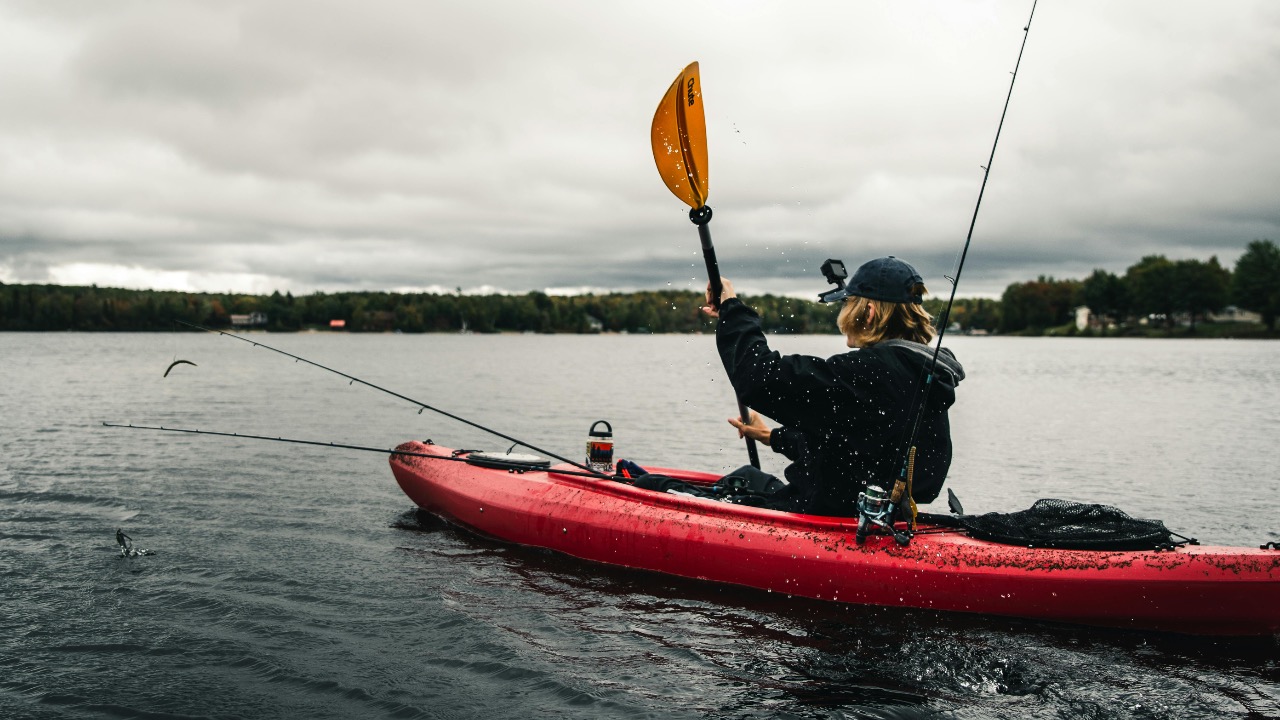
Beyond spec sheets, the most useful lessons often come from watching how experienced anglers move and manage their boats. Video walk-throughs of tournament-ready rigs show how pros mount electronics, route cables and stage rods so that nothing interferes with casting or landing fish, and one such breakdown of a high-end fishing kayak build demonstrates how a full deck layout, from bow graph to stern anchor, can be integrated into a cohesive system, as seen in a detailed rigging video at this kayak setup. Another on-the-water clip focuses more on how those rigs are actually fished, with the angler constantly adjusting position, using shallow-water anchors and working around the deck without tripping over gear, a style showcased in footage of kayak fishing in action.
Those examples reinforce a simple pattern: the best setups are deliberate, not crowded. Tournament accessory lists point to shallow-water anchors like the Power-Pole Micro Anchor or a simple stake-out pole as core tools, and they also highlight how a compact electric anchor can be faster and more stable than manual methods, a case made in descriptions of tournament angling accessories. At the same time, high end motorized kayaks like the Old Town Autopilot 136 show how Pros GPS Spot-Lock Technology can keep you in place while you focus entirely on the rod, and Old Town fishing kayaks more broadly are described as being built for anglers who want to cover more water and stay on the fish, a philosophy that runs through the Old Town lineup. For anglers building their own rigs, those patterns offer a clear roadmap: prioritize stability, hands-free control, smart anchoring and clean organization, and let every accessory earn its place on the deck.

Leo’s been tracking game and tuning gear since he could stand upright. He’s sharp, driven, and knows how to keep things running when conditions turn.