Land-use changes raise concerns for future deer access
Across the country, the ground is shifting under the hooves of deer. Subdivisions, energy fields, new roads, and changing timber practices are carving up the habitat that once let whitetails and mule deer move freely between food and cover. For hunters and land stewards, the real concern is not only how many deer are left on the landscape, but whether those deer can still reach the places they need to stay healthy.
When I look at the latest research and the on‑the‑ground stories from ranch country to the suburbs, a pattern jumps out: land‑use changes are quietly rewriting the rules of deer access. That affects everything from body condition and fawn survival to where we can still find a decent place to hunt, and it is happening faster than most folks realize.
Fragmented ground, fragmented herds
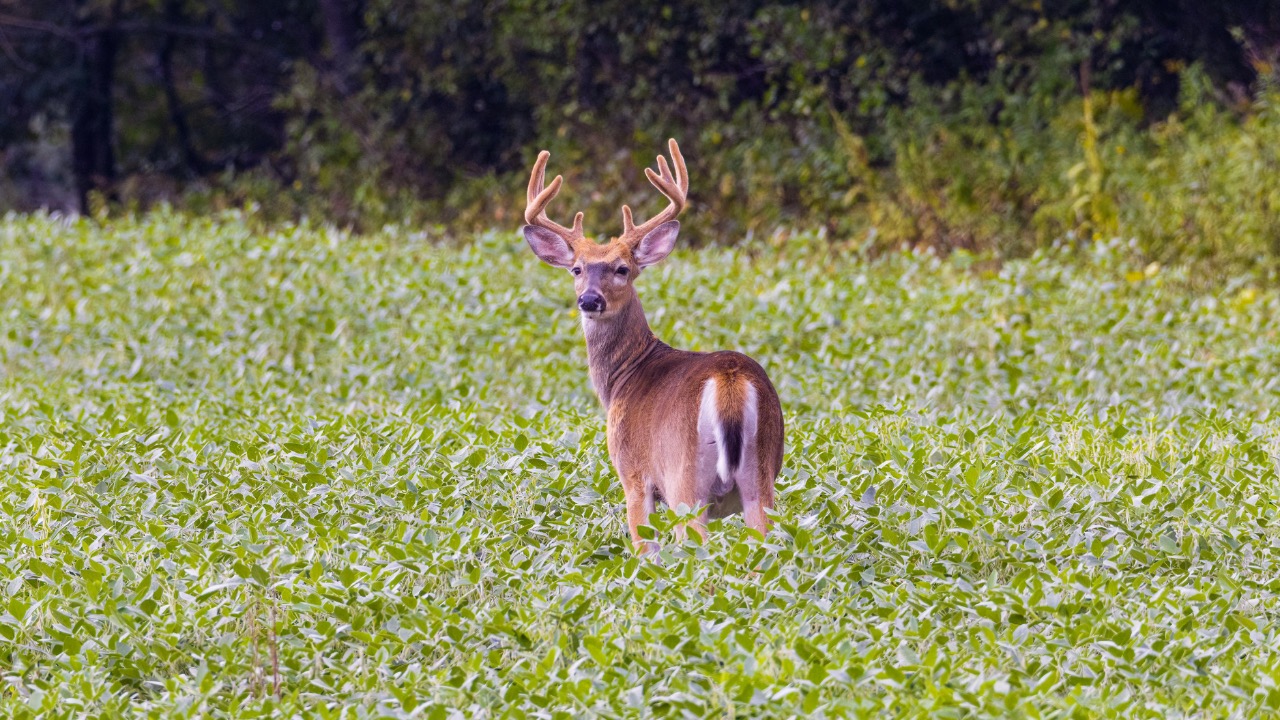
Deer are built to move. Seasonal migrations, nightly feeding loops, and quiet mid‑day bedding shifts are all part of how they make a living. When housing tracts, fenced ranchettes, and industrial sites slice through those patterns, the animals do not simply shrug and adapt overnight. In western range country, new disturbance layers mapped for mule deer show how well‑used corridors are now laced with well pads, roads, and other development, a patchwork that makes every crossing riskier for the animals that still try to use it, as recent disturbance mapping makes clear.
Researchers tracking mule deer through these working landscapes have watched animals hesitate at new development zones, shift routes, or stall out entirely. In some migration corridors, energy build‑out has been tied directly to altered movement and reduced access to the best forage, according to federal migration work. When those pathways fray, the herd may still exist on paper, but its ability to use the landscape the way it evolved to is already compromised.
Energy corridors and stalled migrations
Nowhere is that compromise more obvious than in the big sage and juniper basins where mule deer still make long seasonal treks. In one heavily studied corridor, new oil and gas fields changed how deer moved through the heart of their range. As rigs, access roads, and human activity ramped up, the animals began to pause and bunch up instead of flowing steadily along their traditional route, a pattern documented in detailed Our tracking data.
Those researchers reported that They paused their spring migration and let the wave of green vegetation pass them by, becoming decoupled from their best food resources. That single sentence captures the stakes: when deer miss that narrow window of fresh growth, they lose the full benefit of migration and head into summer already behind. Follow‑up analysis of the same corridors shows that this kind of disruption is not a one‑off event, it is a structural change in how deer can use the land.
Nutrition stress and shrinking carrying capacity
Out West, the result of all this fragmentation is starting to show up in body condition and herd performance. Wildlife managers in Oregon have warned that Oregon’s mule deer are likely suffering from “chronic nutritional stress in response to long term declines in carrying capacity,” a blunt assessment that ties habitat quality directly to the health of the herd, as recent Oregon planning documents spell out. When winter range is pinched by development and summer range is degraded or harder to reach, deer simply cannot take in enough groceries to thrive.
Biologists who spend their careers in the timber and brush have been hammering on this point for years. In detailed habitat talks, they walk through how does and fawns in their first full year of life have important growth requirements, and if they do not have adequate forage during those windows, the damage can echo for seasons, as explained in one forest management presentation. When you stack that nutritional stress on top of migration barriers, you end up with herds that might still look decent from the road but are running on fumes once winter hits.
Forest cuts, deer yards, and unintended consequences
In the Northwoods, the story plays out a little differently but with the same bottom line. Traditional deer yards, those lowland conifer pockets that shelter whitetails from deep snow and bitter wind, have been chipped away by changing timber markets and parcelization. Some landowners have tried to make up for that loss by feeding deer, but the Unintended Consequences of Feeding Deer are starting to show: the unintended consequence is that deer are now traveling great distances to reach feed sites, concentrating animals and pulling them across roads and thin ice in ways that put them at risk, as one detailed Unintended analysis notes.
Good forest work can move things the other direction. Thoughtful cutting that keeps a mix of age classes on the ground, protects key winter cover, and opens up sunlight for browse can rebuild habitat quality over time. Habitat specialists have shown how targeted thinning and regeneration harvests can improve deer forage and cover when they are planned with wildlife in mind, a point that comes through clearly in more technical Part 2 discussions of forest management impacts. The catch is that those benefits only show up when access to those improved stands is not blocked by fences, roads, or new development.
Private land, public stakes
Any honest look at deer access has to start with a hard number: 70 percent of U.S. lands are in private hands. That figure, highlighted in conservation work focused on Stewardship on America’s private lands, means most of the habitat that matters for deer is controlled by individual landowners, families, and working operations, as one policy brief on Stewardship makes clear. When those acres are managed with wildlife corridors, disease prevention, and habitat quality in mind, the whole landscape benefits.
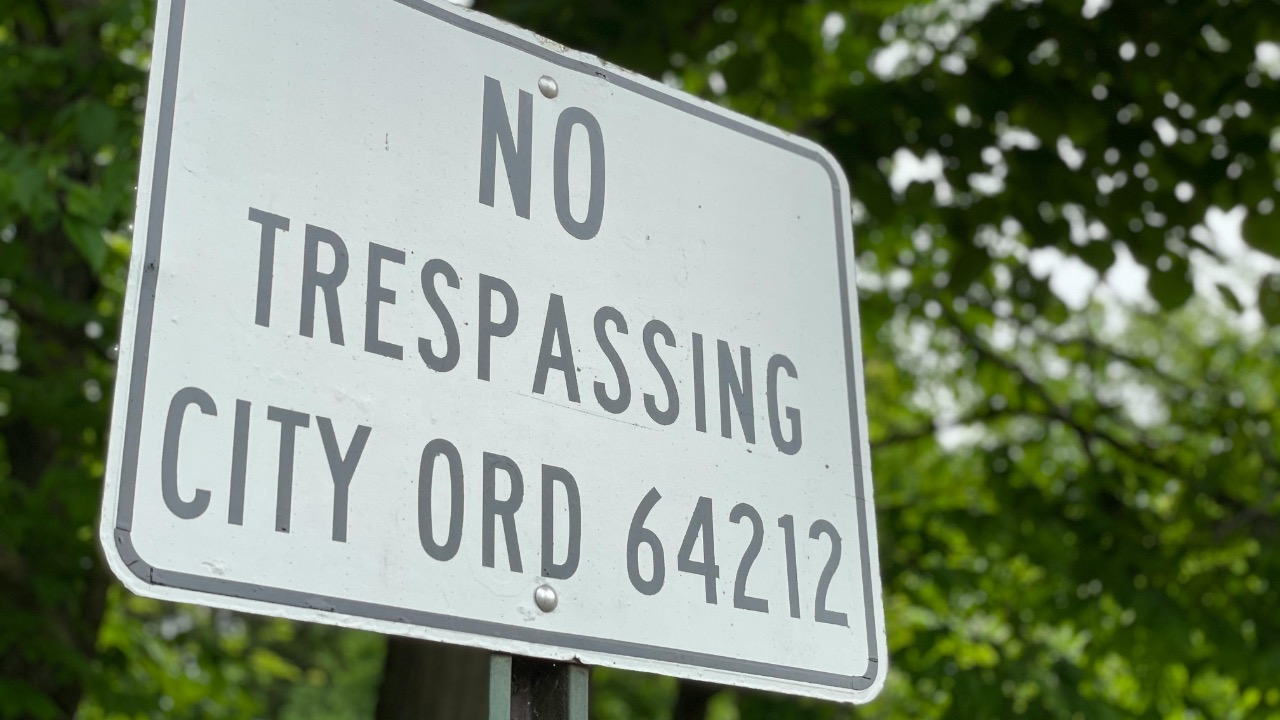
On the flip side, when private ground is carved into small lots, fenced tight, or managed with no thought for movement, deer access collapses even if the animals are technically “there.” Hunters feel that pinch first. Lack of Access has become one of the biggest threats to the future of deer hunting, with Access to hunting land getting harder to find as Prime parcels in key whitetail states are leased up or sold in small chunks, according to a blunt assessment of Lack of Access. When hunters are pushed off the landscape, one of the strongest constituencies for habitat protection goes with them.
Public land access and the road problem
Even where habitat is protected on paper, getting to it can be a maze. Across the West and Midwest, landlocked public parcels sit behind private gates, and the only way in is often a county or state road whose legal status is anything but clear. Recent policy work has zeroed in on how public land access via county and state roads is often uncertain, with easements, maintenance agreements, and signage all out of sync, as detailed in one analysis of county and state routes.
New legislation has directed federal land management agencies, including the Forest Service and Bureau of Land Management, to create digital maps that clarify which roads and trails are legally open and which ones can unlock otherwise difficult to access public lands, according to a detailed look at how the Forest Service and Bureau of Land Management are being pushed to modernize. For deer, every unlocked gate and clarified easement can reconnect winter range to summer range and open up ground that has quietly been off‑limits for years.
Urbanization, sprawl, and edge‑loving deer
While rural hunters wrestle with locked gates and energy fields, another kind of land‑use change is reshaping deer behavior on the edges of cities. Urbanization is expanding rapidly across the globe, and estimates suggest that by the end of the century, up to 3.6 m km2 of land could be urbanized, a staggering footprint that ecologists have tied directly to shifts in how wildlife uses space, according to one broad Urbanization assessment. Whitetails, in particular, have learned to exploit the edges of subdivisions, golf courses, and corporate campuses, trading solitude for a buffet of irrigated landscaping.
Long‑term work on Key deer in Florida shows how intense development can reshape an entire subspecies. We used data from two comprehensive studies on Key deer spanning 30 years to evaluate these changes, and the results suggest that Key deer now navigate a patchwork of roads, houses, and small habitat fragments that would have been unthinkable a few generations ago, according to one detailed Jan study. A separate summary of that work notes that Our results suggest that Key deer have altered everything from daily movements to habitat selection in response to development, a pattern echoed in follow‑up Key analyses. Those deer are still there, but their access to natural forage and safe travel routes has been traded for a life in the margins of human sprawl.
Deer health, density, and what the land can carry
Even where habitat is not being paved over, the way we use the land affects how many deer it can support and how healthy those animals are. Biologists looking at white‑tailed deer have used linear mixed‑effects models to estimate how deer density and the proportion of agricultural land influence body mass, tying land‑use patterns directly to the health of white‑tailed deer, according to a detailed Jun study. When too many deer are packed into a landscape stripped of diverse cover, body weights fall and disease risks climb.
State agencies have also pointed out that deer hunting is about more than memories or meat, it plays a pivotal role in managing herds and reducing negative impacts like crop damage, decreased forest regeneration, and car accidents. One Midwestern wildlife department has explained how reducing the population prior to the frigid winter temperatures means scarce food sources go further, allowing surviving deer less competition to stay healthy and strong into the spring, a point they tied directly to changes in how deer used the landscape and how those changes altered which plants persist and which disappear in a detailed habitat note. When we ignore carrying capacity and let land‑use changes box deer into smaller and smaller pockets, we set the stage for the kind of winterkill and browse damage that nobody wants to see.
Reading the tracks, planning the fix
For hunters and landowners, the first step in dealing with all of this is paying closer attention to how deer are actually moving through the country we still have. On fresh snow or soft dirt, you can see the story written in front of you. As one tracking guide puts it, when a deer shifts from a relaxed walk to a hard escape run, this is a really huge difference in the way a deer is moving and is actually quite an obvious shift in behavior when you first see it, a reminder that tracks can flag where animals are being pushed or pinched by new obstacles, as explained in a practical deer primer.
Zooming out, digital tools are starting to give us that same kind of insight at landscape scale. New Digital Mapping Tool Offers Look at Disturbances to Mule Deer Migration, with one project inviting users to READ THIS LIST of Disturbances that now intersect key routes, giving managers and hunters a way to see where fences, roads, and well pads are stacking up along traditional paths, as described in a recent Mule Deer Migration mapping effort. Similar work on public access is pushing agencies to map which roads and easements can open otherwise difficult to access public lands, a push detailed in new guidance on public routes. On the ground, videos from places like Southern Life On have shown how the rural development nightmare of Southwest Florida We is playing out in real time, with new subdivisions and roads cutting through former cattle country and deer habitat, a pattern captured in one Southern Life On report and echoed in a related Jan clip. If we want future generations to have deer to hunt and watch, we will need to use every one of these tools, from boot‑level tracking to high‑resolution maps, to keep the land connected enough for deer to still find what they need.

Asher was raised in the woods and on the water, and it shows. He’s logged more hours behind a rifle and under a heavy pack than most men twice his age.