Rifles first-time shooters are glad they chose
First-time rifle buyers tend to remember the moment they discover a gun that simply works for them: manageable recoil, intuitive controls, and the confidence that every trip to the range will build skills instead of bad habits. Across training programs, hunting camps, and online forums, certain models keep surfacing as the rifles new shooters are relieved they picked. I set out to trace why those specific choices inspire so much loyalty, and what their success reveals about how beginners actually learn to shoot.
Patterns emerge quickly. Lightweight .22 rimfires dominate early practice, modestly priced bolt actions anchor many first hunting seasons, and a handful of soft-shooting AR-platform rifles ease newcomers into modern ergonomics. The rifles that leave beginners glad, not rattled, are the ones that respect both the learning curve and the household budget while still being accurate enough to grow with the shooter.
What new shooters really ask for in a first rifle
When I look at how beginners talk about their first purchase, the questions are rarely about brand prestige and almost always about recoil, cost, and simplicity. In one long-running discussion of first rifle suggestions, people who already own safes full of guns keep steering newcomers toward light calibers and straightforward actions. That same instinct shows up again in a separate thread where experienced shooters stress that Very few of them started with heavy recoiling firearms and that Most cut their teeth on .410s or .22 rifles. The consensus is that a first rifle should feel approachable enough that a new shooter actually wants to practice.
That practicality extends to money and long term use. A guide on rifle costs points out that, for many newcomers to the hunting scene, entry-level rifles offer a way in without an overwhelming bill, highlighting budget options that balance decent quality with affordability for many newcomers. In other words, the rifles that leave first-time shooters satisfied are not the flashiest ones in the rack, but the models that keep ammunition costs low, maintenance simple, and performance solid enough that the gun still feels relevant after skills improve.
Why .22 LR keeps winning first-time shooters over
If there is a single caliber that shows up again and again in beginners’ stories, it is .22 LR. Training resources describe its advantages in blunt terms: Pros Low recoil, low noise, and inexpensive ammunition make it ideal for training, small game, and accurate plinking. A comparison of hunting calibers notes that this is why many young shooters begin with .22LR, a cartridge with virtually no recoil that lets them build proper trigger control fundamentals before moving up to .270 Winchester or .308 Winchester, a point underscored in a detailed comparison of those larger rounds.
Coaches and competitors echo that logic. One training piece argues that Everyone can shoot a .22LR without worrying about recoil and can instead focus on building a perfect trigger control system, adding that, Regardless of experience level, rimfire practice pays dividends when the time comes to shoulder a big game rifle. A separate account from a defensive training group recalls a grandfather’s advice that if a shooter develops a flinch from big guns, the best way to break the habit is with a 22lr, a lesson shared in a post that begins, “My grandpa always told me” and concludes that this small caliber is a smart way to break the habit.
Ruger 10/22 and classic .22s that never leave the safe
Within the .22 LR world, a few rifles have become almost default answers when someone asks what to buy first. Training programs that specialize in new shooters say that in their rifle classes they provide Ruger 10/22s, precisely because the platform is forgiving and easy to run. A separate overview of beginner friendly rifles lists the Ruger 10/22 among its top choices and notes that it is reliable, durable, and simply fun to put rounds through, a verdict that appears in a section on Ruger 10/22 performance. Another guide to beginner rifles, framed as Best Rifle for, puts the model in a lineup it calls The Contenders and highlights the long running Remington 700 as another staple, citing the figure 700 in its model name as shorthand for a half century of production.
Owners tend to keep these rifles for life. A detailed look at rimfire culture notes that Marlin fans say all the same things that Ruger fans do, calling these rifles solid and reliable tools that will stick with you for your entire life. A separate technical overview describes how The Ruger 10/22 is a popular semi automatic .22 LR rimfire rifle and a favorite among novice and experienced shooters alike, while a survey of the best 22LR rifles explains that, Instead of chasing specs, the author looked at real world use cases like plinking, hunting, and training to pick standouts. The throughline is that these rimfires are not just starter guns, they are platforms that keep earning range time long after the first season.
Youth rifles that grow with young hunters
For younger shooters, fit and confidence matter as much as caliber. A veteran hunter who has spent years mentoring kids argues that, But for youth guns right now, a handful of models stand out as especially smart picks. Among them is the Savage Rascal .22, a single shot rifle sized for small frames that encourages deliberate marksmanship. The same piece notes that The Savage Rascal is built to be light and easy to shoulder, which helps kids focus on sight picture instead of wrestling with the stock.
Stories from competitive families reinforce how effective that approach can be. A profile of long range shooter Nancy Tompkins recalls how she started her daughters, identified as Michelle and Sherri, on .22 caliber rifles off a rest for their first time and watched them fall in love with the sport. That early success is echoed in structured programs like First Shots, which is geared toward members of the public who are brand new firearms owners and emphasizes safety and fundamentals. When youth rifles are sized correctly and paired with patient instruction, they become tools that kids remember fondly rather than obstacles they had to overcome.
AR-platform rifles that do not scare beginners away
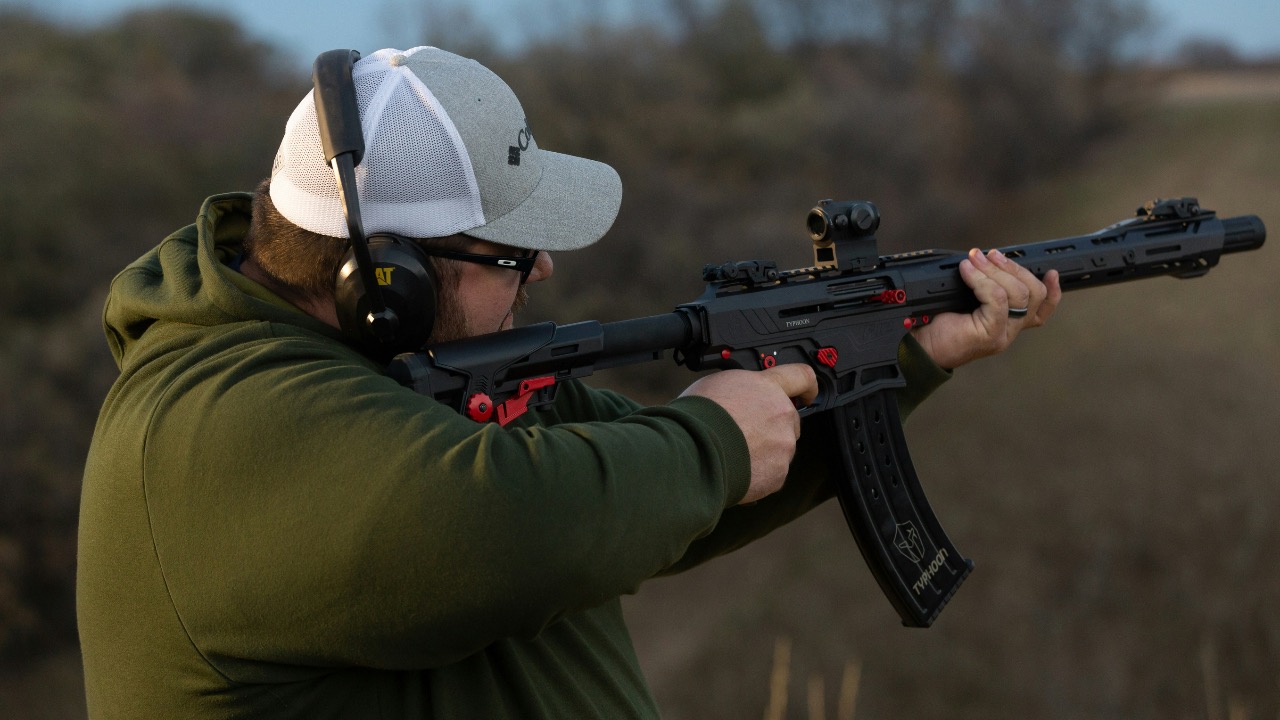
Not every first rifle is a bolt action or a wood stocked .22. Modern sporting rifles have become common starter guns, especially when instructors are careful about how they introduce them. One training blog asks directly, Should people be intimidated by how a gun looks and answers that they should not, even if it Does happen and, Yes, looks can be deceiving. The same piece stresses that The AR 15 is simply a semiautomatic rifle that can be used for everything from target shooting to self defense in an emergency, and that its ergonomics and low recoil make it easier to shoot than many traditional hunting guns.
Technical guides back that up. One overview of AR ergonomics explains that modern setups focus on Ergonomics Beyond the, with low profile, ambidextrous controls that help shooters maintain effective control in dynamic environments. Another comparison notes that the AR 15 platform is still a lighter recoiling, easier to shoot, and cheaper to feed rifle that is being used on battlefields around the world in one select fire variant or another, a point made explicitly in a discussion that states, “It ( AR-15s ) ‘s still a lighter recoiling” option. For beginners who want a rifle that can handle training, home defense, and competition, that combination of controllability and versatility is hard to ignore.
Beginner friendly ARs: from .22 trainers to 5.56 workhorses
Within the AR category, some models are clearly built with new shooters in mind. A detailed review of starter carbines concludes that The Ruger AR 556 is the best beginner AR 15 because it is manufactured by a trusted brand, is affordable, and simply goes bang when you pull the trigger. A separate profile of the same rifle notes that if you are looking for an accurate, efficient option for home defense, the Ruger AR 556 is a great choice and that Its features make up the perfect combination for the author. Both pieces emphasize the same figure, 556, as shorthand for the 5.56 NATO chambering that keeps recoil manageable.
Before stepping into centerfire, many instructors start students on rimfire AR lookalikes. One training account describes how, Due to the nature of their circumstances, they had access to a Smith & Wesson M&P 15 22 and used it to introduce a new shooter to AR style controls without the blast of a full power round. Ammunition guides reinforce that logic by highlighting .223 and NATO 5.56 as versatile choices for AR 15s that are light recoiling and suitable for both target shooting and small game hunting, explicitly citing the figures 223 and 5.56. For new owners who want to personalize their rifles over time, upgrade guides framed as Blog Menu The 15 emphasize that AR 15s are America’s most purchased rifle and that many of those sales go to first time owners who later add optics and furniture once they get a feel for the gun.
Bolt actions that make first hunts feel achievable
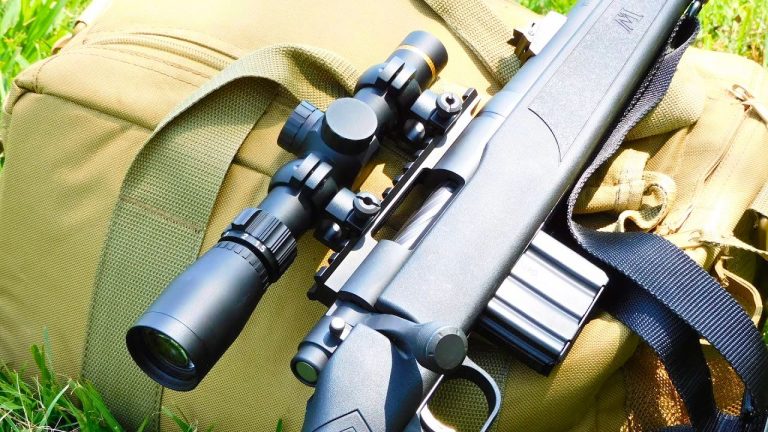
For new hunters, the rifles that inspire the most gratitude tend to be simple bolt actions that just work in the field. A hunting focused buyer’s guide states plainly that if you are primarily looking to hunt, then a bolt action rifle is a great first choice, adding that They are simple, reliable, and generally inexpensive in entry level trim. A broader overview of rifle types notes that Bolt action rifles are celebrated for their reliability, even if they have a slower rate of fire than semi automatics, and that this controlled cycling is one reason they remain a favorite among precision shooters and hunters.
Manufacturers lean into that reputation. A catalog of premium rifles invites customers to Explore bolt action models that are engineered for superior accuracy and control, while a training oriented retailer notes that Professional Training and Development Advanced bolt action platforms serve as ideal tools for developing precision shooting fundamentals without equipment limitations. Long range gear guides echo that advice, recommending Bolt actions first for their inherent accuracy and controlled cycling of rounds. For a new hunter who wants to know that a carefully placed shot will land where it should, that combination of mechanical simplicity and repeatable precision is exactly what inspires confidence.
The Savage Axis and other budget rifles that punch above their price
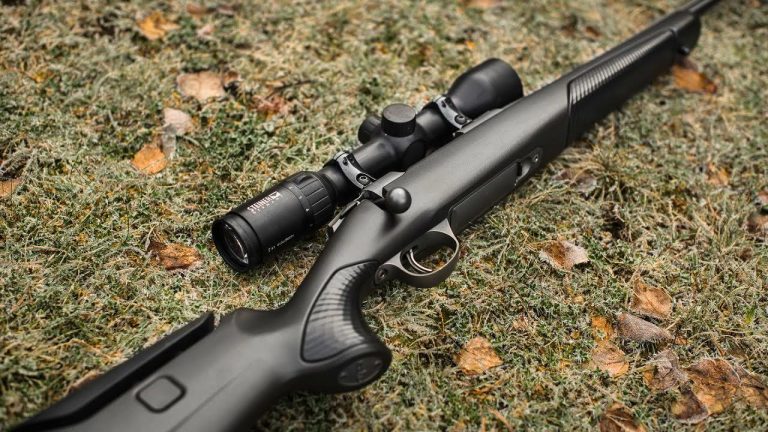
Among entry level hunting rifles, the Savage Axis line comes up repeatedly in conversations with first time buyers. A product video highlights how Savage built the AXIS with rugged construction, a smooth bolt action, and the company’s well known accuracy, describing it as ready for the field season after season and using the word Whet in the context of hunters’ appetites for performance. A written guide to the same series notes that an accurate and reliable rifle can be had for far less than what shooters from a decade ago would have paid for similar performance and concludes that a standout budget hunting rifle is the Savage Axis.
Retailers who see what actually sells to new hunters back that up. One deer hunting specialist calls this model one of the most popular deer rifles of all time and notes that The Savage Axis is a reliable rifle that will not break the bank for those who like to hunt on a budget. Cost guides aimed at newcomers emphasize that entry level rifles like this provide a fantastic opportunity to enter the sport without an overwhelming investment, describing them as options that balance decent quality with affordability for many newcomers. For first time buyers who are unsure how often they will get out in the field, that kind of value is often what tips the decision from browsing to buying.

Leo’s been tracking game and tuning gear since he could stand upright. He’s sharp, driven, and knows how to keep things running when conditions turn.