Guns that seem fine until the moment you need them
Firearms are marketed as tools that will work every time, yet some of the most popular models have a track record of failing at the worst possible moment. From military rifles that jammed in combat to handguns that fire when dropped, the gap between reputation and reality can be wide enough to cost lives. I want to look at how guns that seem fine on the range can quietly accumulate design flaws, maintenance shortcuts, and legal warnings until the day a shooter discovers, too late, that reliability was more myth than fact.
The pattern that emerges from lawsuits, owner forums, and reliability tests is not random bad luck. It is a system where marketing glosses over defects, where some brands chase features and price points instead of durability, and where owners sometimes trust a logo more than hard data. The result is a class of firearms that look good in a display case but are far less reassuring when the stakes are survival, self defense, or a critical hunt.
When “good enough” guns quietly fail
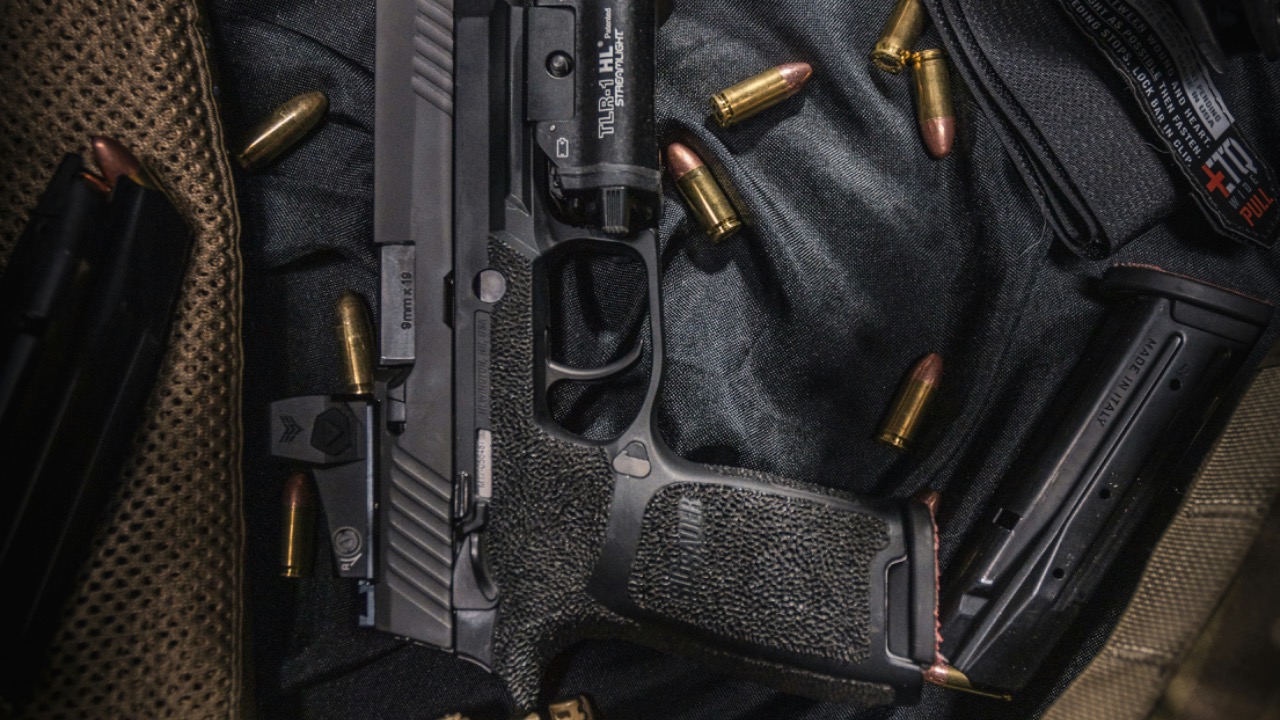
In the handgun market, I see a dangerous complacency built on the idea that any recognizable brand is automatically serviceable. One detailed breakdown of problem pistols notes that, While most buyers assume any major name handgun is “good enough,” the reality is that some models are plagued by feed issues, brittle small parts, or out of spec chambers. The same analysis warns that Nearly half of the pistols sold today can show some form of reliability problem if they are pushed hard with varied ammunition or high round counts, a sobering figure for anyone who carries a gun for protection. That gap between expectation and performance is exactly how a pistol that seems fine in a store becomes a liability in a dark parking lot.
Online communities have turned into informal early warning systems, where owners compare notes on which brands run and which choke. In one thread on brands to avoid, a user lists a Glock 17 Gen5, a Beretta APX A1 FS and a Taurus TX22, and stresses that All three have been fantastic, aside from a recoil spring upgrade. That same discussion, however, is framed around which brands the community would never buy again, a reminder that the market is full of pistols that look similar on paper but behave very differently when dirt, cold, or cheap ammunition enter the picture.
From Vietnam’s M‑16 to today’s finicky designs
History is full of guns that looked revolutionary until they met real conditions. One of the most cited examples is the American M‑16, the fully automatic version of the Armalite AR platform that was rushed into service in Vietnam. A detailed answer on problem firearms notes that One of the most unreliable weapons in the history of warfare was that early American M‑16, which suffered notorious jamming problems tied to ammunition changes and a lack of issued cleaning gear. The rifle’s sleek design and light weight masked a system that, in its first iterations, could lock up solid in the jungle, leaving soldiers to clear malfunctions under fire.
Modern owners sometimes forget that lesson and assume that any new platform has already been shaken out. Another experienced commentator, identified as an Author with 52.8K answers and 79.8M answer views, points out that As Dennis says, most modern firearms fed quality ammunition are quite reliable, but that does not erase the outliers. The same discussion highlights that some designs are considered a paragon of reliability while others, often with similar external styling, hide fragile internals or tight tolerances that turn a little fouling into a full stoppage.
Handguns that carry badly kept secrets
Some pistols fail not because of ancient history but because their makers cut corners or chased trends. A widely shared video on problem handguns walks through models that owners regret buying, warning viewers to Jan through a list of seven guns that will “get you in trouble.” The host argues that some compact pistols are so sensitive to limp wristing or ammunition choice that they cannot be trusted as a primary defensive tool, even if they run acceptably in a controlled range session. That mismatch between marketing promises and field performance is exactly how a gun can seem fine until the moment it is drawn in fear.
Another breakdown of ten notorious problem guns highlights how even premium looking designs can stumble. In that review, the creator notes that the seven round magazine on the Untitled clip’s featured pistol feels like a steel brick and that the issue is not that the Desert Eagle lacks engineering, it is that all that complexity can translate into finicky behavior. A follow up segment on the same platform, linked through a separate Jul reference, underscores that the Desert Eagle’s mass and gas system make it unforgiving of weak grips or underpowered loads. In both cases, the guns can be impressive range toys yet poor choices for someone who needs a simple, consistent sidearm under stress.
Drop fires, accidental discharges and the Sig Sauer warning
Reliability is not only about a gun going bang when the trigger is pulled, it is also about not firing when it should be inert. A detailed legal analysis of a high profile settlement involving Sig Sauer describes an Million Misfire in which a pistol allegedly discharged without a trigger pull, striking a man in his thigh and leaving permanent damage. The piece, titled Sig Sauer’s $11 Million Misfire: What Gun Owners Need to Know, frames the case under the heading When Safety Mechanisms Fail and stresses that Firearms should protect and empower people, not injure them through hidden defects. That kind of uncommanded discharge is the nightmare version of a gun that seems safe in a holster until a bump or drop turns it into a hazard.
Owners have been debating similar concerns in survival and prepper spaces. In one discussion about the most reliable, durable handgun, a commenter bluntly advises, Dont buy a Taurus and make sure if you go with sig to ask if the p320 has been updated. That same warning appears again in a direct link to the Taurus and Sig discussion, underscoring how drop fire allegations have filtered into everyday buying advice. When owners have to ask whether a striker fired pistol has been retrofitted to avoid firing when dropped, it is clear that reliability now includes a legal and ethical dimension, not just mechanical function.
Defective by design: when a gun is a bad product
Some failures are not isolated incidents but the result of flawed engineering that affects every unit. A consumer law explainer on firearm defects notes that, Similar to the majority of consumer products, a gun may be considered defective if it does not function in the manner in which it was intended to function. This is called a design flaw, and in the firearms context it can mean a trigger that is too light, a safety that can be disengaged unintentionally, or a firing pin that can strike a primer without a deliberate trigger pull. When those flaws are baked into the blueprint, no amount of careful handling by the owner can fully compensate.
Accidental discharge litigation shows how these design issues play out in real lives. One legal overview explains that the accidental discharge of a firearm occurs for a wide range of reasons, and that However, the most common involves people resting their fingers on triggers that are extremely sensitive, leading to life threatening discharges. That analysis makes clear that some triggers are so light that a startle response or a stumble can be enough to fire a shot. In those cases, the gun may pass basic function tests yet still be fundamentally unsafe in the messy, adrenalized reality of defensive use.
Remington’s Model 700 and the cost of ignoring warnings
Few cases illustrate the long tail of a design flaw better than the saga of the Remington Model 700. Internal documents compiled in a public archive show a Model 700 ( Remington Model 700 ) Timeline The Model 700 ( Remington Model 700 ) timeline that highlights key Remington decisions about whether to recall or redesign the trigger. According to that Timeline The Model, engineers identified potential problems with the fire control system yet the company repeatedly weighed the cost of a fix against the risk of litigation and always decided not to do so. The result was a rifle that hunters trusted for decades, even as some units could fire when the safety was moved or the bolt was closed.
Those concerns eventually spilled into court. A gun safety accountability group notes that Recently, in response to one such lawsuit, Remington agreed to replace millions of triggers in its popular Model 700 hunting rifle. A separate report on the settlement explains that in a filing made on a Friday in federal court in Missouri, Friday and Missouri were the backdrop as Remington agreed to replace triggers on some Mode 700 rifles to address the possibility of the gun accidentally firing. In both accounts, the core issue is the same: a rifle that seemed rock solid in the field carried a latent defect that only surfaced in tragic, sometimes fatal, incidents.
Owner war stories: Taurus, Sig and the forum filter
Beyond lawsuits, the most candid assessments of unreliable guns often come from owners who have nothing to sell. In the liberal gun owners community, one poster describes owning a Glock 17 Gen5, a Beretta APX A1 FS and a Taurus TX22, and emphasizes that the Glock, the Beretta APX and the Taurus have all run well, even if the Taurus needed a recoil spring upgrade. That kind of nuanced feedback, where a budget pistol is praised but with caveats, is more useful than blanket brand loyalty. It also shows how the same manufacturer can produce both solid performers and models that other threads warn against.
Survival oriented forums tend to be even more blunt. In one r/Survival discussion, a commenter warns prospective buyers, Dont buy a Taurus and make sure if you go with sig to ask if the p320 has been updated, a line that is repeated verbatim in a direct link to the same Taurus and thread. That advice reflects a collective memory of drop fire allegations and quality control issues, and it shows how, in the absence of a centralized recall system, word of mouth becomes a crucial filter for spotting guns that might fail when a hiker or homeowner needs them most.
Preppers, pump guns and the search for true reliability
People who plan for worst case scenarios tend to be ruthless about what actually works. In a discussion about the best gun for prepping, one commenter argues that a bolt gun in a larger caliber will be cheap enough to get the glass and have enough left over for an inexpensive plinker for small game, advice captured in a thread that highlights a Mar conversation about balancing cost and durability. The same r/preppers link, referenced again as a bolt gun discussion, underscores that simple actions with fewer moving parts are favored when maintenance supplies and gunsmiths might be scarce.
Another preparedness focused forum drills down to specific models. One contributor recommends a 12 gauge pump action shotgun, listing a Remington 970 or Mossberg 590 with peep sights as ideal choices for a three gun survival battery. That advice is preserved in a thread that explicitly names Remington and Mossberg and cites the 970 and 590 model numbers as examples of rugged, low maintenance designs. A separate link to the same recommendation, captured through a 12 gauge citation, reinforces how often those two pump guns surface when people talk about firearms that will still function after years of neglect. In contrast to flashy semi autos, these workhorses are chosen precisely because they are less likely to surprise their owners in a crisis.

Leo’s been tracking game and tuning gear since he could stand upright. He’s sharp, driven, and knows how to keep things running when conditions turn.