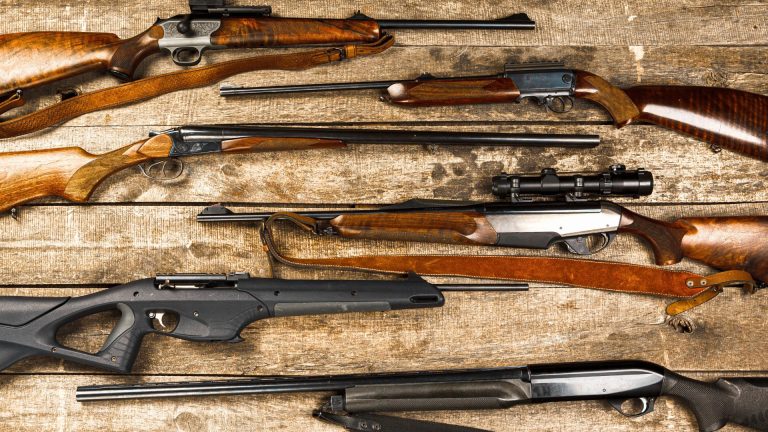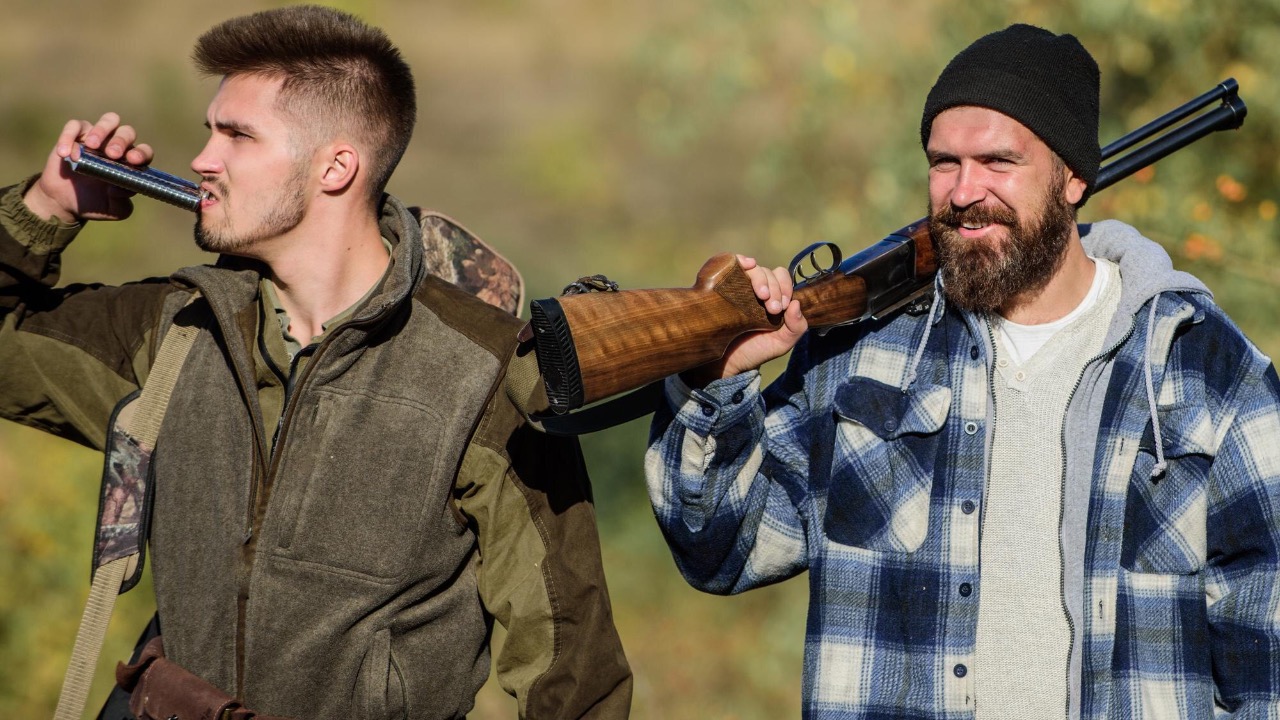
Hunters reflect on gear choices after a full season in the field
By the time the last tag is punched and the final load of meat is in the freezer, most hunters already know which pieces of gear earned their keep and which rode along for nothing. A full season in the field has a way of stripping away marketing claims and exposing what actually works when the wind is howling and the shot window is measured in seconds. After watching my own kit and talking with other hunters doing their post‑season tune ups, I keep seeing the same pattern: the folks who take time now to study their gear choices are the ones who walk into next fall more confident and less overloaded.
That reflection is not about chasing every new gadget, it is about being honest about what failed, what quietly excelled, and what can be repaired instead of replaced. The best hunters I know treat this time of year like a slow, methodical rebuild, from weapons and clothing to storage and maintenance, so that when the first cold front hits again, nothing in the pack is a question mark.
Turning a season of hard use into a real gear audit
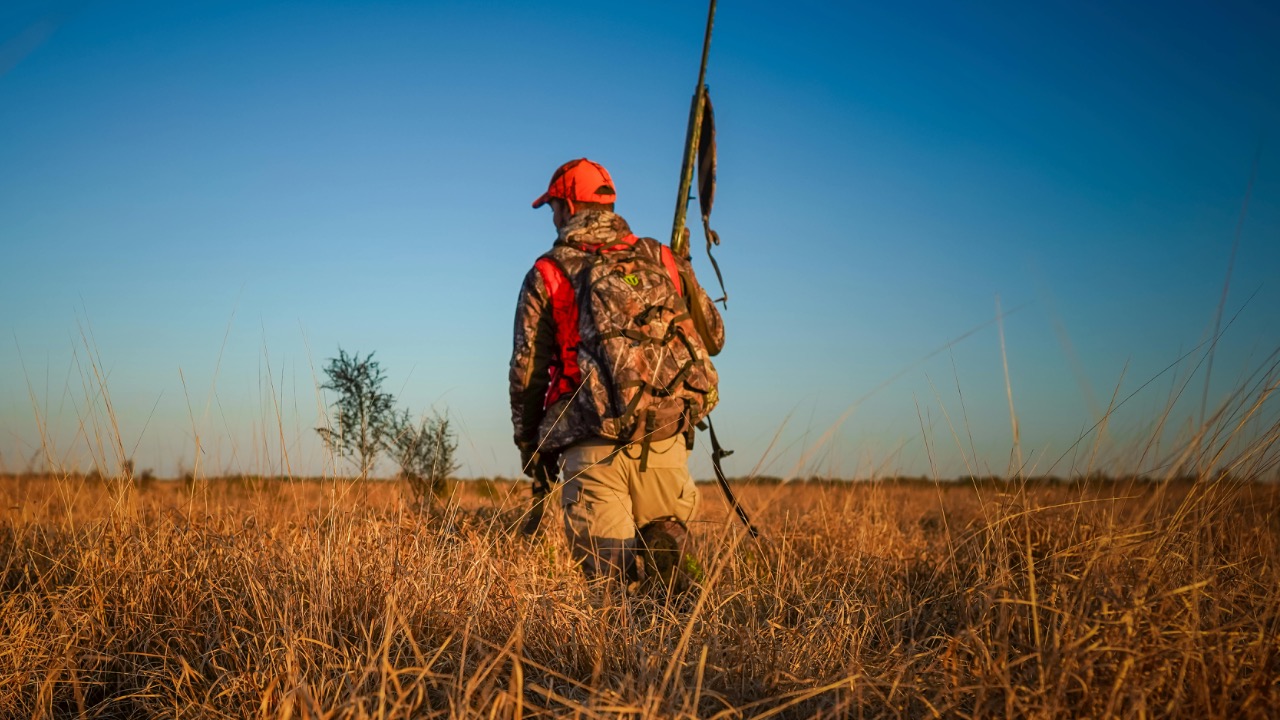
When the dust settles after the last hunt, I start with a legal pad and a pile of gear on the floor. The most useful habit I have picked up is treating my kit like a mechanic treats a truck, running through a structured Audit instead of a quick glance. That means a Comprehensive Gear Inventory where every rifle sling, headlamp, and call gets handled, not just the big ticket items. I list what I actually carried on successful hunts, what stayed in the truck, and what never left the gear room, then I mark each piece as keep, repair, or cut.
That same method shows up in detailed post‑season checklists that tell hunters to Examine weapons, optics, packs, and even boot Look for soles that are starting to lose traction. When I follow that kind of checklist, I catch problems like frayed bowstrings and cracked buckles now, instead of discovering them at a trailhead in the dark. It is not glamorous work, but it is the foundation for every upgrade decision that comes later.
What actually earned a place in the pack
Once the inventory is done, the next question is simple: what gear pulled its weight when it mattered. Across campfire conversations and online threads, I keep hearing hunters talk about a few standouts that became automatic grabs. In one long season recap, a whitetail hunter said the only major change that really paid off was switching to a Hunt Arsenal Elite platform, noting that, aside from some limited angle adjustment, it beat his older setup for comfort and stability. That kind of feedback, focused on one meaningful change instead of a dozen marginal tweaks, is worth more than any catalog spread.
Independent gear testing has highlighted similar workhorse items. A recent rundown of Hunting Accessories singled out the Best Trail Camera as the Tactacam Reveal Ultra and named the Best Hunting Knife as the White River Knives, both pieces that hunters praised for reliability rather than flash. When I look at my own list, the pattern matches: a knife that holds an edge, a headlamp that never flickered, and a trail camera that actually triggered on wary deer are the things I will budget around next year.
Clothing lessons: warmth, quiet, and value
Clothing is where most of us overspend and underthink. After a full season of tree stand sits and still‑hunts, I pay more attention to how my layering system handled sweat, wind, and noise than to any camo pattern. Cold weather hunters keep coming back to a three‑part system that starts with a wicking baselayer, adds a true insulating midlayer, and finishes with a shell that keeps the wind from stealing hard‑earned body heat. That simple formula, repeated by hunters who spend long hours in subfreezing temps, matters more than any single brand name.
At the same time, there is a growing pushback against the idea that only top‑shelf labels are worth wearing. One discussion pointed out that Even with premium lines like Sitka and kuiu, hunters are finding better deals by looking at less hyped brands first. I have seen the same thing in my own closet, where a house‑label soft shell from a big retailer like REI has held up as well as some much pricier pieces. One hunter summed it up bluntly, saying they find REI branded gear to be high quality for the price, and that kind of value calculation is exactly what a post‑season review should surface.
Big winners and quiet disappointments in whitetail setups
Whitetail hunters in particular tend to tinker nonstop, then sort out what actually helped once the last rut hunt is over. I have watched more than a few friends strip their systems down after realizing they were hauling far too much into the tree. One seasoned bowhunter described how Post season reflection led him to cut his kit to a day’s worth of essentials, which made climbing safer and quieter. That kind of honesty about overpacking is common once the adrenaline fades.
On the flip side, some gear changes clearly paid off. Hunters who focused on scent control and late season insulation saw that attention rewarded, echoing checklists that stress everything From scent stealth to heavy late season layers. Those same guides remind hunters that Most hunts do not fail because of poor planning, they fall apart when small gear details are ignored. When I look back at my own blown sits, it is rarely the bow or rifle that cost me, it is a noisy jacket, a forgotten release, or a stand that creaked at the wrong time.
Weapons, optics, and the “gear of the year” trap
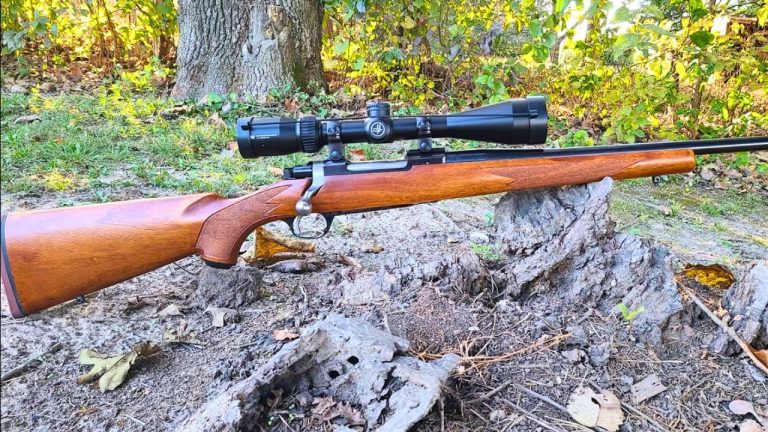
Rifles, bows, and optics take a beating over a long season, and they deserve more than a quick wipe down. I have made it a habit to follow the same advice that tells hunters to Examine weapons closely, checking stocks, actions, and scope mounts for hairline cracks or loose hardware. Another detailed breakdown of how to Look for wear on everything from muzzleloader seals to boot soles reinforces the same point: if you do not find the weak spots now, they will find you later.
At the same time, the industry loves to crown new winners every year. A recent episode of the Huntback Country podcast, episode 553, had hosts Mark and Steve walking through their personal “gear of the year” picks, but even they framed those choices in terms of real hunts, not specs on paper. I take the same approach: I will look at new rifles or optics, but only after I have cleaned, inspected, and shot the ones I already own. If a scope holds zero and a rifle still groups, it stays, no matter how many new models hit the shelves.
Layering, bibs, and the Sitka question
Cold sits are where clothing choices get brutally honest. Over the past season, I heard more talk than ever about high‑end bibs and jackets that promise warmth without bulk. One piece that kept coming up was The Fanatic Bib, marketed as a total package for ultra quiet warmth that uses advanced sound suppressing fabric in the whitetail woods. Product listings describe it as purpose built for stand hunters, and that matches what I have seen from folks who swear by it during all‑day rut sits.
Reviews back up some of that praise. One breakdown of user feedback notes that the average rating for the bib is 4.8 out of 5 stars, with multiple hunters calling it breathable despite the insulation. Another product listing for the same bib highlights its role in a full whitetail system, and I have seen that play out when hunters pair it with a quiet jacket and smart base layers. Still, the earlier point about value holds: some hunters are happy to pay Sitka prices for that performance, while others lean on more affordable bibs from retailers like product lines that still follow the same layering logic.
Cutting clutter and simplifying the load
Every hunter I know starts the year with good intentions and ends it wondering why their pack weighs as much as a sandbag. The off‑season is the time to fix that. One preseason training piece warned that a lateral move away from excess clutter starts by reevaluating what you carry, instead of mindlessly hauling the same pile every trip. That advice holds even more weight after a full season, when you can look back and see which items never left the bottom of the pack.
Other seasoned hunters echo the same theme. One detailed breakdown on how to How improve a gear list suggests focusing on core systems like shelter, sleep, and insulation, then testing everything before the season arrives. Another whitetail‑focused piece argues that Improving your setup often means carrying less, not more, so you can move quietly and think clearly. In my own pack, that has meant ditching duplicate knives, extra calls, and bulky pouches in favor of a lean kit that I can run in the dark without digging.
Cleaning, maintenance, and off‑season storage
Once I know what is staying, I shift into maintenance mode. A thorough off‑season routine starts with a full inventory, then moves into a deep clean, mirroring the advice to Organize and Clean. Those same guidelines stress that Once the sorting is done, every piece of Hunting gear, from western packs to whitetail saddles, should be cleaned and stored where it will not mildew or rust. I follow the same logic with my backcountry safety gear, leaning on avalanche‑style advice about How to prep and store winter equipment so it will deploy when I need it most.
Weapons and optics get special attention. One seasoned shooter described how, At the end of the season, he double checks everything as he deep cleans, going far beyond a quick patch down the bore to inspect every piece of exposed steel, including scope rings. Another off‑season guide urges hunters to Tackle Equipment Needs a long season by inspecting, cleaning, and repairing gear so it is ready when a buck or bull steps out and you need to Whethe to take a shot next season. I treat reflective and high‑vis items the same way, following advice on how You should wash and care for Your reflective gear and remembering that But for hunting, visibility and durability matter as much as brightness.
Storing gear so it is ready for next fall
Good storage is the last step that separates a pro‑level kit from a pile of expensive clutter. I have seen too many hunters toss wet packs and boots into a corner and then act surprised when mold and rust show up in September. A smarter approach borrows from both hunting and general outdoor storage advice. One guide on off‑season gear care reminds hunters that once the cleaning is done, everything should be organized by season and style, whether it is eastern, western, or whitetail, so nothing gets buried under a pile of unrelated equipment. Another storage piece argues that By protecting expensive equipment in a dedicated shed or locker, you can prolong its life and keep it Whether ready to perform when the seasons change.
Clothing and soft goods need the same thought. I hang my outer layers where air can circulate, stash base layers in labeled bins, and keep critical items like harnesses and saddles in dry, rodent‑proof tubs. For specialty pieces like insulated bibs, I pay attention to manufacturer guidance, whether that is a product listing for product specific care or a general note about avoiding compression that can crush insulation. I also keep an eye on new product releases and product reviews so that when something finally wears out, I already know what I want to replace it with.

Asher was raised in the woods and on the water, and it shows. He’s logged more hours behind a rifle and under a heavy pack than most men twice his age.