Gun control bill advances after clearing the House
Virginia lawmakers have pushed a far‑reaching gun control package through the House of Delegates, setting up a pivotal test in the Senate and signaling how aggressively the new majority intends to legislate on firearms. The measures, which range from an assault‑style weapons ban to tighter storage rules and dealer oversight, have drawn sharp praise from gun safety advocates and equally sharp warnings from gun rights groups that see a direct threat to constitutional protections. As the bills advance, the fight in Richmond is becoming a case study in how statehouses are redrawing the boundaries of gun policy in 2026.
The House action comes as similar debates unfold in other state capitols, including a high‑profile push in New Mexico to limit certain gun sales. Together, these efforts show how state legislators, rather than Congress, are now driving the most consequential changes in firearm law, with each chamber vote reshaping the legal landscape for gun owners, dealers, and law enforcement.
House Democrats muscle a sweeping package through Richmond
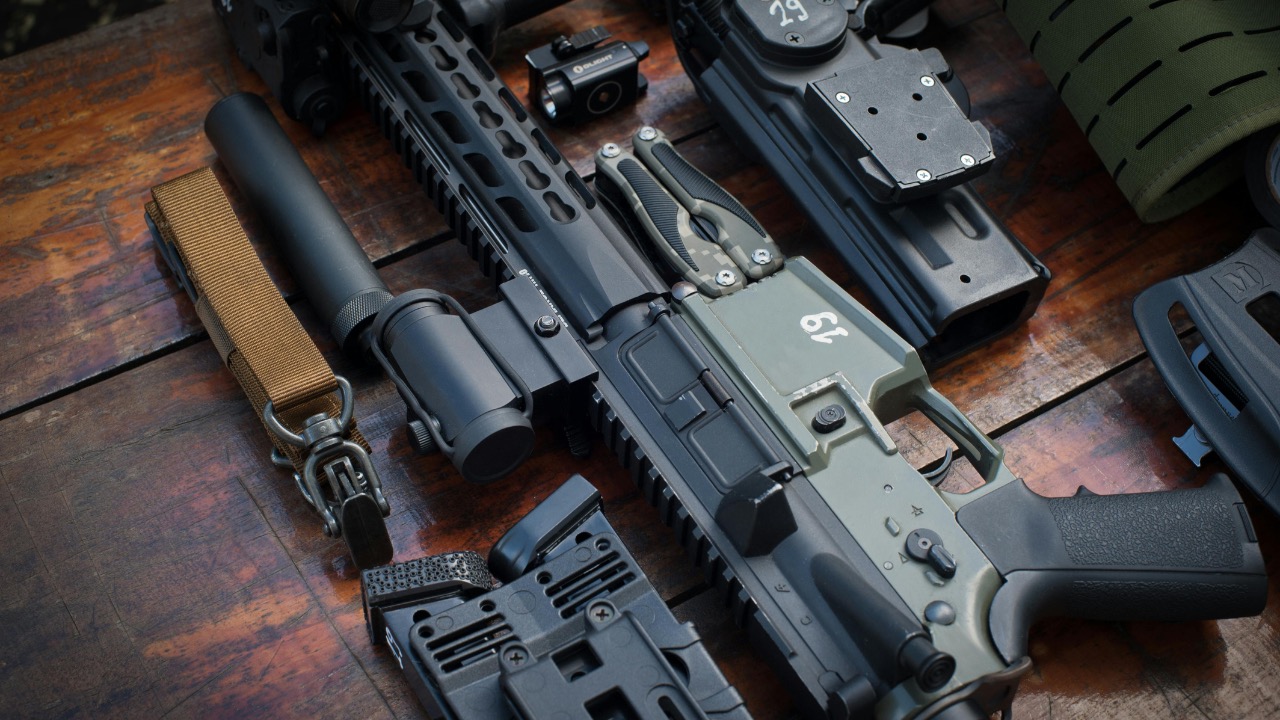
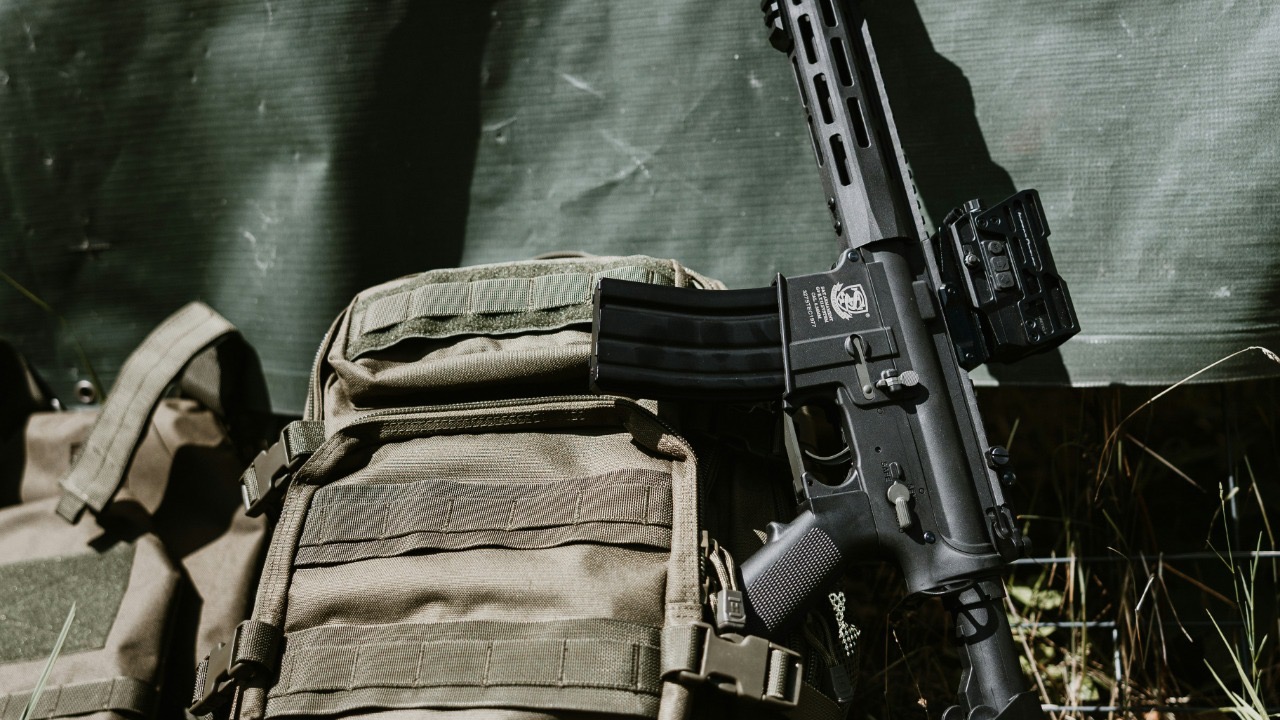
The turning point in Richmond came when House Democrats used their majority to move a broad set of firearm restrictions through the chamber over unified GOP resistance. The package includes an assault weapons ban, expanded background checks, and new rules for how gun dealers verify buyers, all bundled into what supporters describe as a comprehensive response to gun violence. Reporting from the House floor describes a charged atmosphere, with House Democrats pressing ahead despite objections from the GOP and vocal spectators in the gallery.
One of the most consequential votes targeted the future sale of certain semiautomatic rifles that opponents argue are already widely owned and therefore constitutionally protected. According to detailed coverage by Markus Schmidt, the House majority framed the ban as a forward‑looking measure that would not confiscate existing weapons but would stop new sales of specific models going forward. That same account notes that the proposals are now headed to the Senate, where the political math is tighter and the details of each bill will face another round of scrutiny.
What is actually in the House package
At the core of the House action is a cluster of bills that together would reshape how Virginians buy, store, and carry firearms. The assault‑style weapons measure would prohibit the sale of certain semiautomatic rifles and related equipment, while other provisions expand background checks and tighten oversight of private sales and gun shows. Floor debate also highlighted new requirements for dealers to verify the identity and eligibility of buyers, echoing language in House Bill 21 that would require gun shops to more carefully confirm who they are selling to.
Another key piece is House Bill 217, which passed in the House of Delegates and adds enforcement teeth to existing rules by clarifying penalties and compliance expectations for retailers. Together with storage and carry provisions, these bills are designed to close gaps that Democrats say have allowed firearms to move too easily from legal markets into criminal hands. The cumulative effect is a package that goes well beyond symbolic gestures, instead rewriting multiple sections of state code in a single legislative push.
Gun rights groups decry process and substance
Gun rights advocates are not only attacking the content of the bills, they are also arguing that the way they were advanced shortchanged public input. One account from the National Rifle Association’s lobbying arm describes how the Virginia House of Delegates added half a dozen gun control bills to the floor agenda with minimal notice, then quickly passed them, leaving opponents scrambling to respond. That same report criticizes the compressed schedule as part of a broader pattern in which the Virginia House of is portrayed as rushing complex firearm legislation without adequate hearings.
Substantively, these groups argue that the package criminalizes ordinary gun ownership and unfairly targets lawful businesses. The NRA’s analysis points to new restrictions on the marketing of firearm‑related products and liability exposure for dealers as examples of what it calls overreach that punishes the industry rather than criminals. In a separate alert on marketing rules, the organization warns that the legislation could chill advertising and sponsorships that have long been part of the gun culture in Virginia, setting up a likely court fight if the bills become law.
Senate Democrats prepare their own gun safety slate
While the House has grabbed headlines, the Senate has been quietly building its own portfolio of gun safety measures that now intersect with the House package. Earlier this year, Democratic lawmakers on Monday advanced a sweeping slate of proposals that had previously been vetoed by former governor Glenn Youngkin, signaling that the new political alignment in Richmond is reviving ideas that once stalled. Markus Schmidt’s reporting on that Senate panel describes a methodical effort to move bills on background checks, storage, and campus carry through committee, setting the stage for floor votes that will now interact with the House agenda.
One of the most closely watched Senate measures is Senate Bill 348, part of a cluster described as “Multiple Gun Control Bills Advance” in the Virginia Senate. That bill creates mandatory storage requirements for homes where minors are present, while other Senate proposals tighten rules on who can bring firearms into certain public buildings and events. Together, these Senate initiatives show that the upper chamber is not simply a passive recipient of House legislation but an active driver of its own Senate Bill agenda, which will have to be reconciled with whatever the House ultimately sends across the Capitol.
Campus carry, storage rules, and the Youngkin veto legacy
Some of the most sensitive debates in the Senate revolve around where guns can be carried and how they must be stored, especially around schools and universities. One bill narrows an existing exemption so that firearms would be allowed in higher‑education buildings only for approved curricula, such as law enforcement training or specific academic programs. That measure, which has twice been vetoed by Youngkin, is now moving again through a Senate panel that has signaled a willingness to revisit policies the former governor blocked, according to detailed coverage of the bill.
Storage requirements are another flashpoint. In a January hearing, an opponent criticized the proposed rules as “blaming the victims of a crime instead of the actual perpetrators,” arguing that safe‑storage mandates could expose gun owners to penalties even when they are targeted by thieves. That criticism was captured in coverage of a Jan Senate committee meeting, where supporters countered that locking up firearms when children are present is a basic safety measure comparable to seat belt laws. The clash over storage illustrates how even relatively narrow technical provisions can become proxies for deeper disagreements about responsibility and rights.
Committee rooms as the first battleground
Before any of these bills reach the governor’s desk, they must survive the gauntlet of committee hearings that often decide their fate long before a floor vote. A video report from a Virginia Senate committee meeting in Jan shows lawmakers taking the first steps toward approving new gun control measures just a week after supporters and opponents rallied at the state Capitol. The footage captures a familiar rhythm: advocates invoking school shootings and domestic violence statistics, opponents warning of constitutional erosion, and legislators trying to thread the needle between public safety and individual rights.
These early hearings also reveal how much of the real negotiation happens outside the spotlight. Amendments are floated to narrow definitions, adjust penalties, or carve out exceptions for law enforcement and licensed security. In some cases, bills are quietly folded into larger packages or held over for “further study,” a procedural move that can either kill a proposal or buy time for a compromise. By the time a measure emerges from committee, as several did in late Jan, it often looks quite different from the version activists on either side initially championed.
Floor debate exposes deep partisan and cultural divides
Once the bills reached the floor, the arguments sharpened and the stakes became more visible to the public. Coverage from Richmond describes Democrats framing the legislation as a necessary response to gun violence and accidental shootings, while Republicans warned that the measures would criminalize law‑abiding gun owners and do little to stop criminals. A local television segment from WSET in Va. shows lawmakers in the General Assembly trading familiar but still potent lines: Democrats emphasizing background checks and safe storage, Republicans insisting that the Second Amendment is not a suggestion.
In that same debate, one Republican lawmaker argued that a proposed measure “infringes on constitutional rights,” a phrase that has become a rallying cry for opponents of the package. Democrats, for their part, pointed to specific incidents where unsecured firearms were used by minors or stolen from vehicles, arguing that the bills are narrowly tailored to prevent foreseeable harm. The result is a debate that is not only partisan but deeply cultural, pitting different visions of community safety and personal responsibility against each other in the House of Delegates chamber.
New Mexico offers a parallel fight over gun sales
Virginia is not the only state where gun policy is moving quickly. In New Mexico, lawmakers have advanced a high‑profile bill that would limit certain gun sales, providing a useful comparison for what is happening in Richmond. After about five hours of debate Saturday and several failed amendments, a Gun bill cleared the Senate and now heads for the House next, with supporters arguing that the state should regulate firearms more like alcohol and cannabis sellers. That comparison underscores a broader trend in which legislatures are treating gun dealers as tightly regulated businesses rather than ordinary retailers.
The New Mexico debate also shows how procedural tactics and amendment fights can shape the final product. Several proposed changes were rejected during the Senate debate, leaving the core of the bill intact as it moved to the House. For Virginia lawmakers watching from afar, the New Mexico experience offers both a warning and a roadmap: even when a Senate majority is committed to tighter gun rules, the details can shift dramatically as the bill crosses the Capitol to the House.
What happens next as the bills head to the Senate
With the House package now across the rotunda, the next phase of the fight will unfold in Senate committees that have already shown an appetite for gun safety legislation. Senators will have to decide whether to adopt the House bills as written, substitute their own language from measures like Senate Bill 348, or blend the two approaches into a single compromise package. The fact that a Close vote in the House produced such a sweeping set of changes suggests that even small shifts in Senate support could determine whether the most controversial provisions survive.
Gun rights groups, including the NRA’s lobbying arm, are already signaling that they will focus their fire on the Senate, where they believe they have a better chance of peeling off moderate Democrats or persuading committee chairs to narrow key provisions. Advocates for stricter gun laws, meanwhile, are urging Senate leaders to move quickly before opposition can regroup, pointing to the momentum from the House and the broader national context of states like New Mexico tightening rules on dealers and sales. As the bills advance, the Virginia General Assembly is poised to become one of the most closely watched arenas in the country for the next chapter of the gun control debate.

Leo’s been tracking game and tuning gear since he could stand upright. He’s sharp, driven, and knows how to keep things running when conditions turn.