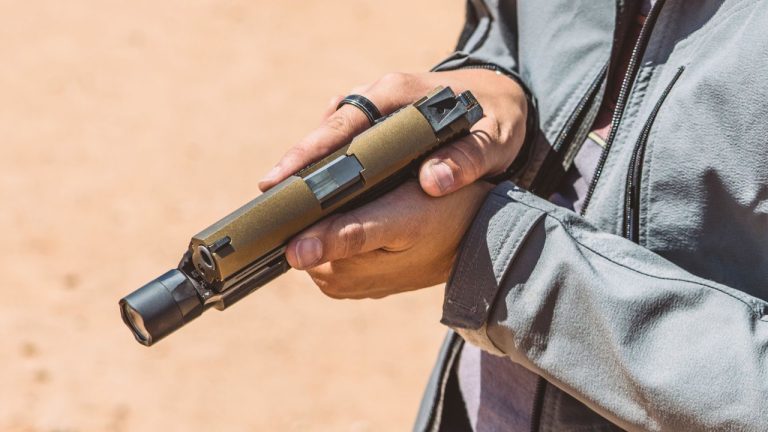
Ten mistakes new gun owners commonly make — and how to avoid them
New gun owners are stepping into a world where small mistakes can have life changing consequences, yet most of those errors are predictable and preventable. The most common problems cluster around safety habits, rushed buying decisions, and a shaky grasp of the law. By studying where beginners typically go wrong, I can map out practical ways to build safer routines from day one.
The ten pitfalls below range from basic handling errors to more subtle training and legal blind spots, but they share a theme: each one is easier to fix early than to unlearn later. Treating a firearm like a serious responsibility rather than a new gadget is the difference between a tool that protects your household and a risk that endangers it.
1. Neglecting the core safety rules

The first and most dangerous mistake is neglecting the simple rules that keep every range session and living room handling session safe. Multiple training programs describe this as Neglecting Safety Basics, the tendency to assume a gun is unloaded, wave it around casually, or forget where the muzzle is pointing. Safety instructors and state agencies repeat the same foundation: There are basic rules like “Treat all guns as if they are loaded” and keeping the muzzle away from anything you are not willing to destroy. National safety campaigns echo this with guidance such as “Always Keep the in a Safe Direction” and that Firearms Should Be not in use.
To avoid this first mistake, I start by internalizing the “four rules” that many instructors treat as non negotiable. Training groups frame them as a Essential Firearm Safety set, with Rule 1 often phrased as “Treat Every Firearm as if it is Loaded.” Other programs describe the same ideas as the Basic Rules of, starting with “Treat every gun as if it were loaded” and always knowing your target and what is beyond it. Military oriented guidance packages these ideas into GOLDEN RULES like “Always treat the gun as if it is loaded” and keeping it pointed in a safe direction at all times. The fix is not complicated, but it requires a conscious decision to follow those rules every single time I touch a firearm.
2. Poor trigger discipline and muzzle control
Even when new owners remember the big picture rules, they often slip on the details that prevent a negligent discharge. Instructors repeatedly warn that Poor Trigger Discipline is one of the most common and dangerous habits, especially when carrying a handgun in public. Online discussions of handling guns without external safeties describe people who Immediately place their finger on the trigger or inside the trigger well as soon as they pick up a pistol, which defeats the purpose of every other safety rule. Experienced shooters also highlight casual “flagging,” where the muzzle sweeps across friends at the range or family members in the living room, as a recurring error among beginners.
To correct this, I treat my trigger finger and muzzle like separate safety systems that must both be under control. Training programs that focus on Solution oriented coaching tell students to Always keep their finger off the trigger until they are ready to fire, to Treat every firearm as loaded, and to Never point a gun at anything they are not willing to destroy. National safety guidance reinforces that Firearms Should Be not in use and that the muzzle should never be directed toward yourself or another person. When I pick up a handgun, I deliberately index my finger along the frame and visually confirm where the barrel is pointing, turning those checks into muscle memory instead of afterthoughts.
3. Buying the wrong gun for the wrong reasons
A quieter but still costly mistake happens before the first round is ever chambered, when a new owner buys a firearm that does not fit their body, needs, or budget. Retailers and trainers describe this as Buying the Wrong, a choice often driven by movie images or a friend’s recommendation rather than careful testing. One guide on first time purchases warns that Let us explore the most common errors, starting with Mistake 1, Determining The Why behind the purchase. Community discussions among new buyers echo this, with one thread on a liberal gun owners forum listing Differences between military and civilian life and reminding people that Ammo is not free, so caliber choice and availability matter.
To avoid ending up with a pistol that is too snappy or a shotgun that is too heavy, I start by defining my primary use case and then test options that fit it. One training article puts it plainly: There is no single perfect gun, but there is a right gun for you, and that choice should account for recoil tolerance, hand size, and whether the firearm will live in a nightstand or a concealed holster. Concealed carry instructors advise students to Take each decision one step at a time and to Research and even try out different firearms before committing. That means renting a compact 9 mm at a range, comparing it with a full size model, and being honest about what I can control comfortably rather than chasing the most powerful caliber on the shelf.
4. Skipping formal training and rushing the learning process
Another widespread error is assuming that owning a gun is the same as knowing how to use it. One safety guide lists Common Gun Safety to Avoid for New, starting with Refusing to Take a Gun Safety Training. Another program that tracks new owner behavior describes Rushing the Learning as One of the most common mistakes, where people assume that Purchasing a firearm and shooting once or twice equals readiness. Instructors who answer questions from new shooters online report the same pattern, with one veteran listing the recurring errors they have seen in a Jun discussion of common mistakes.
To counter that impulse, I treat training as part of the cost of ownership, not an optional add on. Safety schools that coach beginners stress that Common Mistakes Made can be corrected if people commit to structured instruction and stay current on legal changes. Other instructors warn against Mistakes Gun Owners such as Training for Possibilities, where students obsess over rare scenarios instead of mastering the fundamentals they are likely to need. I look for classes that cover safe handling, realistic defensive scenarios, and local law, and I plan to refresh those skills periodically rather than assuming a single weekend course will last a lifetime.
5. Sloppy storage and unsecured firearms at home
Improper storage is one of the most serious mistakes because it endangers children, visitors, and even burglars who might steal a weapon. Safety instructors list Improper Firearm Storage among the most common errors, emphasizing that Firearms should always be secured and stored properly when not in use. National guidance reinforces that Firearms Should Be they are put away, with ammunition stored separately. One detailed buying guide for first time owners warns that failing to plan how to safely store your is a major oversight that can turn a defensive tool into a household hazard.
To avoid this, I budget for secure storage at the same time I budget for the gun itself. Safe manufacturers advise new owners to start with a mental Table of Contents for responsible ownership that begins with “First and most importantly, Learn and follow the four rules of firearm safety, then Read and understand your firearm’s manual and local carry laws. That same mindset applies to storage: a quick access safe for a bedside handgun, a locking cabinet for long guns, and clear rules that no one else in the home handles the firearm without supervision. When I leave the house, I treat locking up the gun like locking the front door, a non negotiable step in my routine.
6. Ignoring maintenance and treating guns as “set and forget” tools
Many new owners assume that a modern pistol or rifle will run forever without cleaning, which can lead to malfunctions at the worst possible moment. Training programs that focus on new shooters stress that Top Mistakes New Gun include neglecting basic upkeep, and they frame their advice as How to Avoid Them by building simple cleaning habits. One section titled “Why It is Important for New to start strong” reminds readers that “Gun Needs Care any other machine if you want to be sure it operates safely when needed.” Another safety guide uses a car analogy, noting that Just like a vehicle needs oil changes, a firearm needs regular Cleaning and inspection After each use.
To avoid reliability problems, I build a maintenance schedule into my shooting routine. That means field stripping and cleaning after every range trip, lubricating according to the manufacturer’s instructions, and periodically checking springs, magazines, and sights for wear. Safety instructors who catalog identifying common gun warn that neglecting this work can lead to failures to feed or fire when stress is highest. I also keep a small log of when I last cleaned each firearm and how many rounds I have fired through it, so I can schedule deeper inspections or parts replacements before problems appear.
7. Bad carry habits and gear mistakes
Once new owners move from the range to daily carry, a fresh set of errors appears around holsters, clothing, and documentation. One detailed guide on concealed carry lists “How To Avoid Most Common Concealed” and highlights simple but serious lapses like Forgetting Your CCW. Another training article on carrying handguns stresses that Carrying Right Means, and it again singles out Poor Trigger Discipline as a top risk when drawing or reholstering. Instructors who answer questions from new carriers also warn about cheap, floppy holsters that do not fully cover the trigger guard, which can lead to accidental discharges when clothing or fingers snag the trigger.
To avoid these pitfalls, I treat my carry setup as a system that must be tested and refined, not a one time purchase. Concealed carry coaches advise students to review a How To Avoid list of 32 common errors, from poor holster choice to misunderstanding reciprocity laws. They also remind carriers to keep permits and identification on their person, not in a glove box or backpack. When I practice, I use the same holster and clothing I plan to wear in daily life, and I rehearse drawing and reholstering slowly with an unloaded firearm until my finger stays indexed and the muzzle never crosses my own body. That deliberate practice turns safe handling into habit before I ever step out the door armed.
8. Misunderstanding the legal landscape
Legal mistakes are less visible than a negligent discharge but can be just as life altering, especially when crossing state lines. Legal analysts point out that Beyond the loose set of federal regulations, there are 50 unique state laws and even more county and city rules that can change what is legal depending on where you happen to be. Another analysis of gun policy warns that it is improper to treat US gun violence statistics as a single block because improper to treat laws as uniform when they are mostly at the state level, with some cities imposing even more restrictive rules. A separate legal guide notes that Gun permits and licensing requirements vary significantly across the United States, with Some states imposing strict licensing and others taking a more lenient approach.

Leo’s been tracking game and tuning gear since he could stand upright. He’s sharp, driven, and knows how to keep things running when conditions turn.