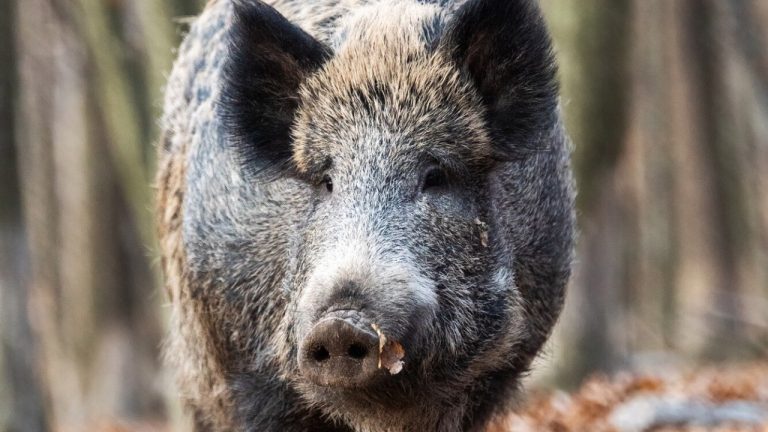
One state nears ballot threshold for a sweeping hunting and fishing ban
Oregon is again at the center of a national fight over animal rights and outdoor traditions, as a sweeping proposal to criminalize most hunting and fishing moves closer to the statewide ballot. Backers say the measure is a moral reset in how people treat animals, while opponents warn it would wipe out long-standing ways of life and gut conservation funding. The coming months will test how far voters are willing to go when asked to choose between animal protection and activities that have shaped the state’s identity for generations.
How a far reaching ban reached the edge of the ballot
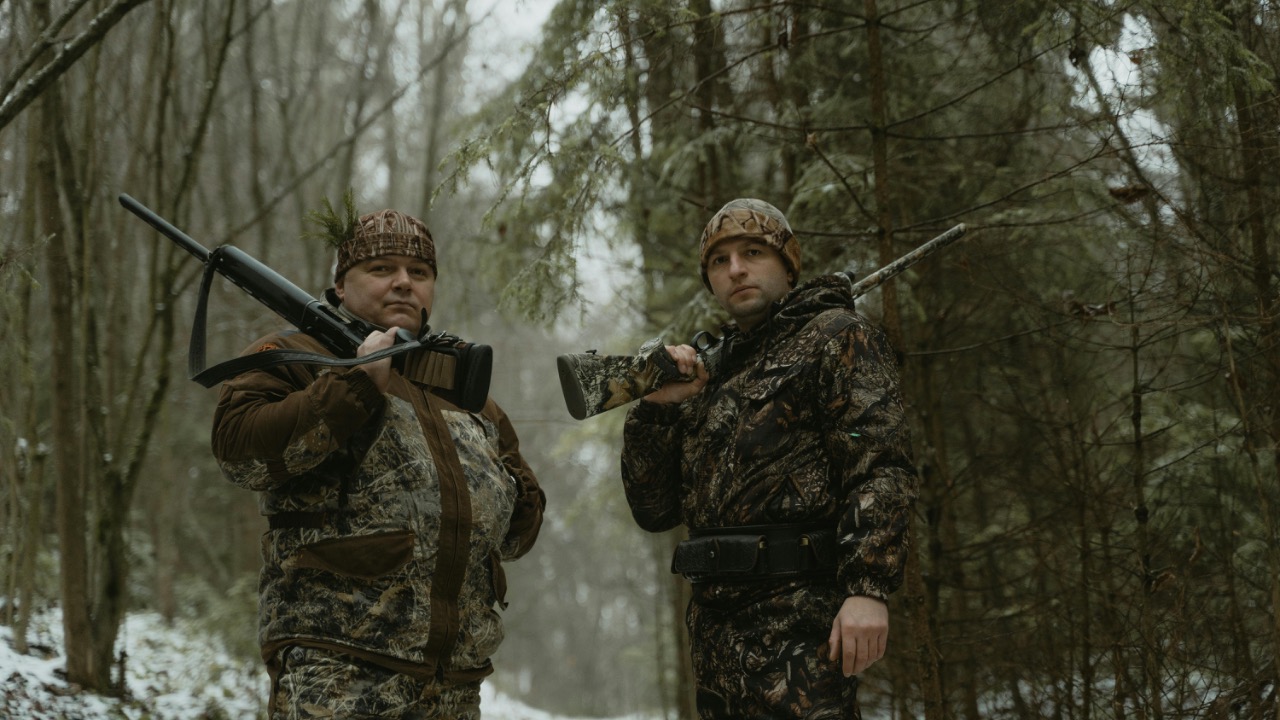
The latest clash over hunting and fishing in Oregon is not an isolated flare-up but the product of years of organizing by animal rights advocates who want to rewrite the state’s basic rules for how people interact with animals. Their new proposal, often described by critics as a near total ban, aims to turn most practices that injure or kill animals into criminal acts, even when those practices are now legal. That would sweep in recreational hunting, most forms of fishing, trapping, and many kinds of animal-based agriculture across Oregon.
Supporters have spent years refining ballot language and building networks to gather signatures under the state’s citizen initiative system. They are now approaching the legal threshold needed to qualify their statutory measure for the 2026 ballot, a point at which the debate will move from activist circles to living rooms and workplaces across the state. The campaign’s momentum reflects how ballot initiatives can bypass legislative gridlock and put sweeping changes directly in front of voters, even when those changes would dramatically reshape daily life for hunters, anglers, ranchers, and anyone who works with animals.
What Initiative Petition 28 would actually do
At the center of the fight is Initiative Petition 28, often shortened to IP28, which would redefine animal cruelty so that almost any injury or death of an animal becomes illegal. The measure would extend criminal liability to a wide range of activities that are currently lawful, including hunting, fishing, trapping, and standard ranching practices. Under the proposal, exceptions would be limited to narrow circumstances such as self defense and veterinary care, a scope described in coverage of the Oregon Ballot Measure effort.
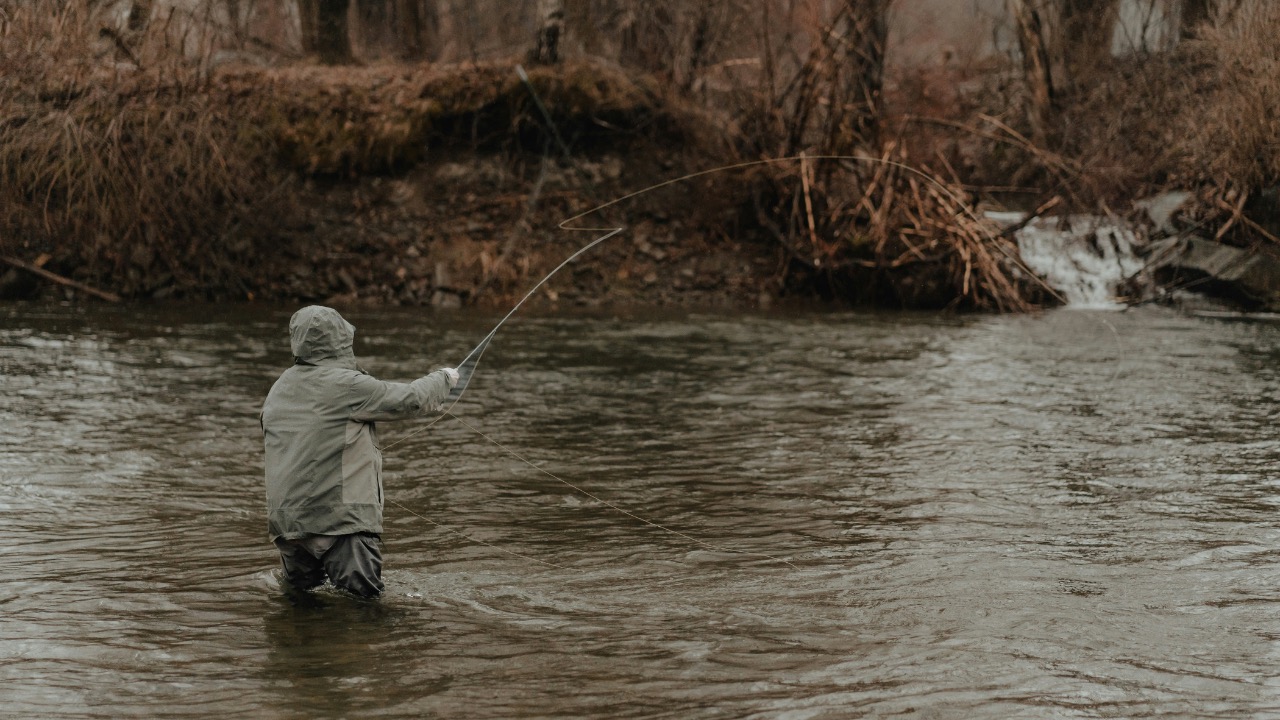
Opponents argue that this structure is not a fine-tuning of animal welfare law but a direct attempt to outlaw hunting and fishing in practice. They point to language that would treat the intentional killing of animals, even for food, as a form of abuse, which would make common practices like harvesting deer or salmon legally risky or impossible. Hunters’ groups warn that IP28 would affect everything from weekend duck blinds to commercial guiding businesses, while anglers say it would reach from mountain trout streams to ocean charters. The scope of the measure is why critics describe it as a sweeping ban rather than a narrow reform.
The mechanics of getting IP28 on the ballot
For IP28 to go before voters, supporters must navigate Oregon’s detailed rules for citizen initiatives, which spell out how many signatures are required and by when. The state’s election office explains that statutory initiatives must meet a fixed signature target tied to recent turnout, and the deadline for turning in those signatures falls in early July of the election year, as described in the state’s guide to initiatives and referendums. Once petitions are filed, state officials sample signatures to verify that enough are valid, a step that can knock out thousands of names if they are incomplete or from people who are not registered.
Recent reporting on 2026 ballot efforts says that only two initiative campaigns had turned in signatures by late January, and one of them was the hunting and fishing measure. That report detailed how the campaign had submitted 92,088 signatures toward the statutory threshold of 117,173, figures that show the backers are within striking distance but still short of the finish line, according to an article headlined with the question How many signatures. That gap will drive an intense push over the coming months, as organizers race the clock to collect tens of thousands more valid signatures before the deadline.
Who is backing the proposed ban
The political muscle behind IP28 comes from animal rights advocates who see Oregon as a testing ground for a new legal approach to animal protection. A recent television segment described how an animal rights group in Feb is promoting a ballot measure that would ban hunting and fishing across the state, casting the campaign as a moral response to what they view as unnecessary harm to animals. In that coverage, the group framed the proposal as a way to align the law with public concern for animal suffering, while still allowing limited exceptions for self defense and veterinary care, as described in a story on an animal rights group.
Supporters argue that traditional wildlife management has focused too heavily on recreation and not enough on the interests of animals themselves. They say a legal system that allows animals to be killed for sport, or used in ways that cause pain, is out of step with modern ethics. In their view, a broad ban is the only way to prevent what they describe as systemic cruelty, because narrow reforms can be sidestepped by changing tactics or labels. By pushing IP28, they hope to reset the default so that causing harm to animals is presumed illegal unless there is a clear, limited justification.
The organized pushback from hunters and anglers
On the other side, hunting and fishing groups in Oregon have been preparing for this fight for years, treating IP28 as an existential threat to their way of life. The Oregon Hunters Association, or OHA, has described how it and its coalition partners have been gearing up for a statewide campaign against IP28, warning members that the measure represents an extreme agenda that would end most forms of hunting and fishing in the state. In a detailed briefing, OHA explained that they have already begun raising funds and organizing volunteers to counter what they call an unprecedented challenge, as laid out in the group’s overview of this extreme agenda.
Hunters and anglers argue that their activities are not only legal but central to conservation and rural economies. They point to decades of wildlife recovery funded by license fees and excise taxes on gear, and they warn that a ban would cut off that revenue while removing a key tool for managing animal populations. Many also see the proposal as an attack on cultural identity, from family deer camps in the Cascades to salmon seasons along the coast. For them, IP28 is not a technical policy change but a direct challenge to their values and their role in caring for the land.
Lessons from the failed IP3 campaign
This is not the first time Oregon has faced a sweeping animal rights initiative aimed at hunting and animal agriculture. Earlier efforts, such as a proposal known as IP3, tried to criminalize many of the same activities by redefining animal cruelty and restricting practices like hunting, fishing, trapping, and ranching. That measure was ultimately blocked from reaching the 2024 ballot after a broad coalition of outdoor groups and agricultural interests mobilized against it, a campaign chronicled in a report on how Oregon IP3 was stopped.
Opponents of IP3 argued that it would have affected people’s ability to obtain local fish or meat and would have removed the majority of wildlife funding that comes from tags and licenses. They also warned about ripple effects on trapping and ranching, saying the measure would reach far beyond recreational hunting. Those arguments helped unify groups that do not always work together, from turkey hunters to cattle producers, and the coalition’s success is now a playbook for those lining up against IP28. The earlier fight showed that when a measure is framed as an attack on basic food systems and conservation funding, it can face steep resistance even in a state with strong support for animal welfare.
Signature math and the race against the clock
The raw numbers behind IP28’s petition effort help explain why both sides are treating the next few months as decisive. To qualify a statutory initiative for the 2026 ballot, campaigns must collect at least 117,173 valid signatures from registered voters, a figure drawn from the state’s turnout in recent elections. The report that tallied IP28’s progress said backers had turned in 92,088 signatures by late January, which means they are roughly three quarters of the way to the target but still need tens of thousands more, according to the breakdown in the How many signatures article.
Because some signatures will inevitably be thrown out during verification, campaigns usually aim well above the minimum, which means IP28’s organizers may need to collect a significant cushion. The deadline for submitting signatures for 2026 initiatives falls in early July, and state election guides describe how the window for gathering and turning in petitions closes on July 2 for measures that want to appear on that year’s ballot, as explained in a summary of the Path to the ballot. That timeline leaves only a few months for both sides to ramp up their field operations, with every weekend at farmers markets, trailheads, and college campuses turning into a contest over clipboards and conversations.
What is at stake for wildlife, funding, and rural life
Beyond the immediate question of whether people can hunt or fish, IP28 raises deeper questions about how Oregon pays for and manages its wildlife. Critics warn that if hunting and fishing are effectively banned, the state would lose major revenue streams that now support habitat restoration, research, and enforcement. A previous analysis of IP3 argued that it would have removed the majority of wildlife funding acquired from tags and licenses, and opponents say IP28 would have a similar effect by cutting off money tied to activities the measure seeks to criminalize, a concern echoed in the account of how IP3 wasn’t just for hunters.
Rural communities could also feel the impact in ways that go beyond state budgets. Many small towns rely on visiting hunters and anglers who fill motels, buy gas and groceries, and pay local guides. Ranchers and farmers worry that restrictions on animal use could upend their business models, while tribal communities may see new pressure on treaty protected fishing and hunting rights, although the exact legal interactions remain Unverified based on available sources. Supporters of IP28 argue that any economic disruption is justified by the moral gain of reducing animal suffering, but opponents counter that the measure would trade real livelihoods and conservation tools for a legal experiment whose outcomes are hard to predict.
How this fight fits a broader ballot trend
The clash over IP28 is unfolding alongside other high-profile initiative campaigns, showing how Oregon’s direct democracy system is being used to tackle hot-button issues. One separate effort seeks to require in-person Election Day voting, a change that would reshape how Oregonians cast ballots in a state known for mail voting. Coverage of that campaign explains the state process for constitutional amendments, which need even more signatures than statutory measures like IP28. The coexistence of these campaigns highlights how voters may face a crowded ballot that mixes election rules with animal policy and other contested topics.
Media coverage has started to frame the hunting and fishing proposal as part of a developing story about how far animal rights advocates can go in reshaping state law. A recent video segment described how, in Feb, animal rights advocates in Oregon are pushing a new initiative that could restrict hunting and fishing, presenting it as one front in a wider debate over the use of animals in food and recreation, as shown in the broadcast on Oregon. As signature counts climb and opposition campaigns ramp up, Oregon’s voters will soon decide whether to keep their long-standing outdoor traditions or replace them with one of the strictest animal protection regimes in the country, a choice that will echo far beyond the state’s borders.

Leo’s been tracking game and tuning gear since he could stand upright. He’s sharp, driven, and knows how to keep things running when conditions turn.