Why fixating on the front sight alone can hurt shooting accuracy
You’ve heard it since your first range session: focus on the front sight. It’s solid advice, but like most fundamentals, it can be misunderstood and overapplied. When shooters lock their vision onto that blade and ignore everything else, accuracy can quietly slip. Real shooting doesn’t happen in a vacuum. Targets move, light changes, recoil stacks, and your eyes don’t work like camera lenses.
Good shooting is visual management, not visual tunnel vision. The front sight matters, but it’s only part of a bigger picture that includes alignment, timing, and awareness. When you overcommit to one visual task, you often give up others that matter just as much. Here’s where that narrow focus can work against you.
It Disrupts Natural Eye-Brain Coordination
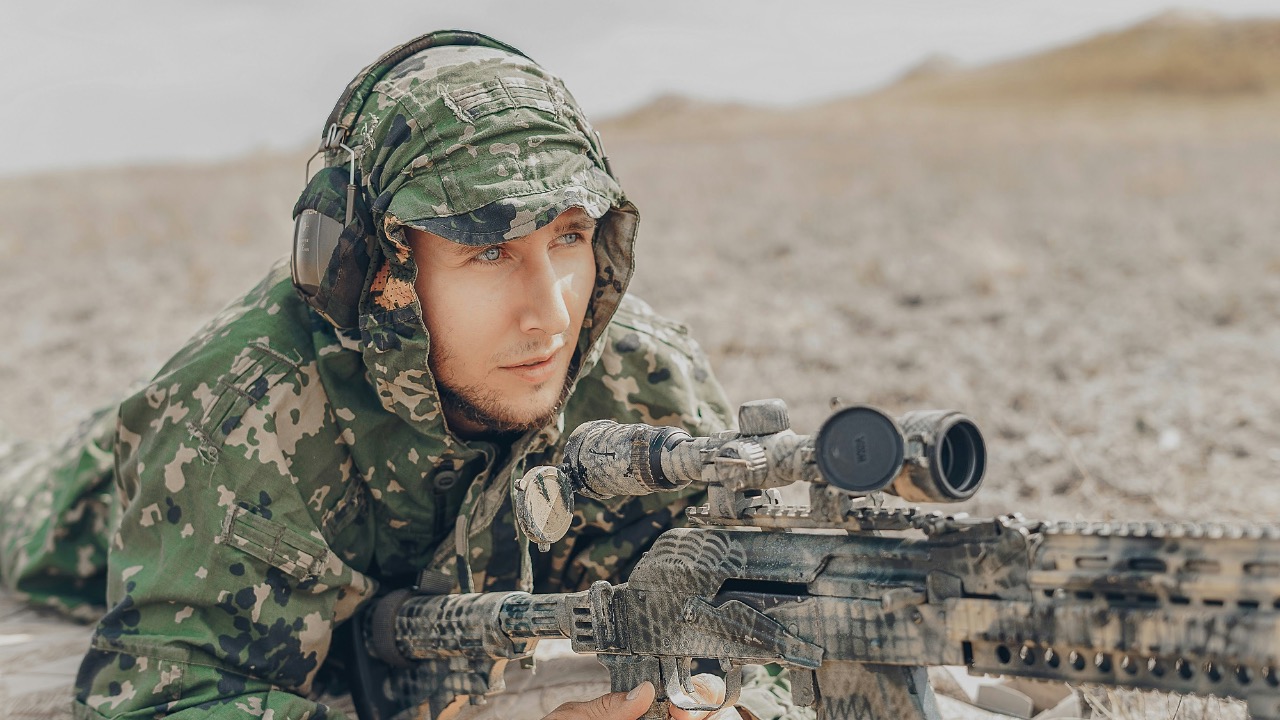
Your eyes aren’t built to isolate one object while ignoring everything else. When you force yourself to stare hard at the front sight, your brain starts fighting its own instincts. Instead of processing alignment and movement together, it stalls out trying to hold a frozen image.
That delay shows up on target. Shots break late, transitions feel jerky, and follow-ups suffer. You’re technically doing what you were taught, but your brain can’t keep pace. Strong shooters let the front sight exist inside a broader visual field. When vision flows instead of locking up, timing improves and accuracy follows without forcing it.
It Encourages Ignoring the Rear Sight Relationship
Front sight focus sometimes turns into front sight obsession, where the rear sight becomes an afterthought. That’s a problem, because accuracy lives in alignment, not in one piece of metal. You can stare at the front sight all day and still throw shots if the rear isn’t cooperating.
This shows up most at distance or on partial targets. Shooters think they’re doing everything right, but groups drift because the rear sight relationship never settles. When you soften your focus and let both sights register together, alignment improves. The front sight still leads, but it stops working alone.
It Slows Target Transitions
Hard front sight focus can glue your vision in place. When it’s time to move from one target to another, your eyes lag behind the gun. That lag costs time and accuracy, especially when shooting multiple targets at varied distances.
Efficient shooters move their eyes first, then drive the gun to where they’re already looking. If your attention is stuck on the front sight, that sequence breaks down. You end up dragging the gun instead of snapping it into position. Loosening visual focus allows smoother transitions and cleaner shots without rushing.
It Can Mask Recoil Management Problems
When shooters miss high or wide, front sight fixation often hides the real issue. You see the sight, break the shot, and assume recoil control was solid. In reality, the gun may be moving more than you realize.
By widening your visual awareness, you start noticing how the gun tracks under recoil. You see the sight lift, return, or fail to return. That feedback is critical. Shooters who stare too hard at the sight miss those cues and chase accuracy problems that aren’t caused by aim at all.
It Increases Eye Fatigue and Visual Stress
Holding an intense, narrow focus wears your eyes out faster than most people realize. After long strings of fire, shooters start blinking more, losing clarity, or fighting headaches. Accuracy drops, not because of skill, but because vision is cooked.
A softer visual approach spreads the workload. You still prioritize the front sight, but you allow your eyes to relax and process the full scene. That reduces strain and keeps performance steady deeper into a session. Fatigued eyes make bad decisions, and bad decisions show up on paper.
It Falls Apart Under Pressure
Strict front sight fixation works best on a calm range with no clock and no consequences. Add stress, movement, or uneven footing, and that rigid approach starts cracking. Your vision naturally narrows under pressure, and forcing it narrower makes things worse.
Experienced shooters learn to accept a workable sight picture instead of chasing perfection. They see enough, shoot on time, and stay accountable. When you rely on a single visual cue, pressure exposes the weakness fast. Broader visual processing holds up far better when things stop going according to plan.

Asher was raised in the woods and on the water, and it shows. He’s logged more hours behind a rifle and under a heavy pack than most men twice his age.