Families say hurricane relief delays leave them stuck in limbo
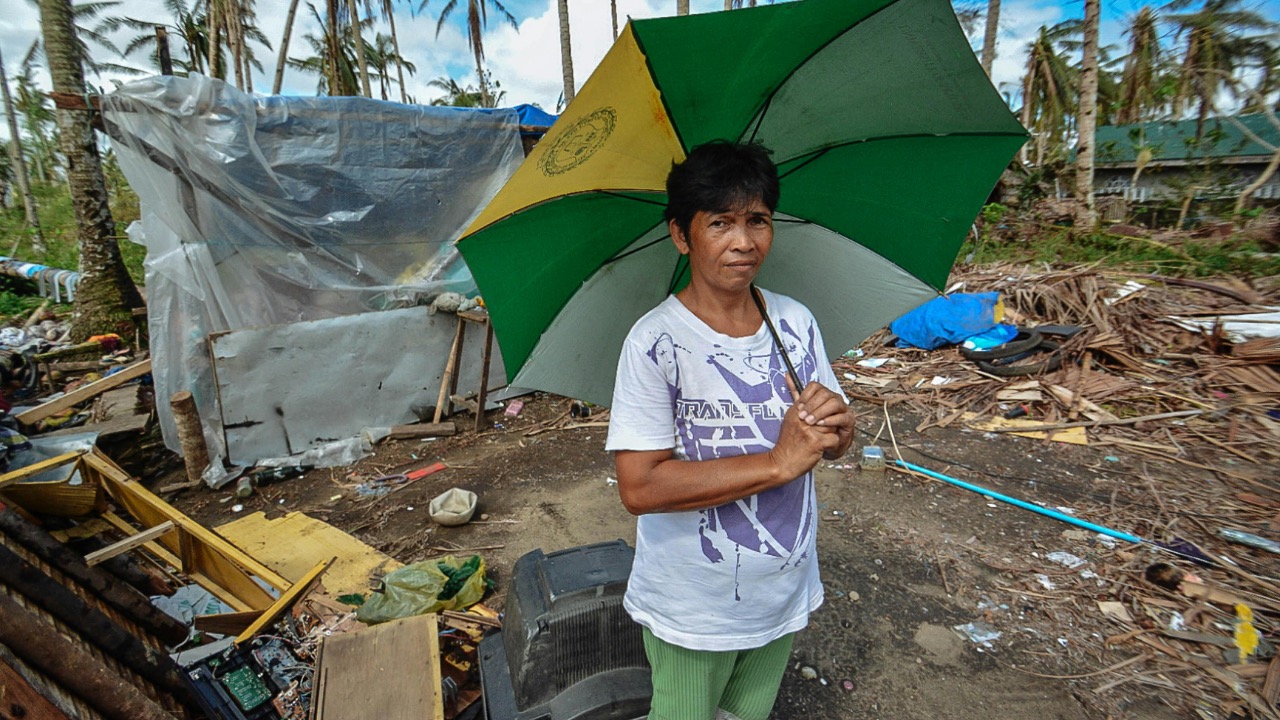
Families who survive hurricanes are finding that the hardest part often comes long after the wind dies down. Months and even years after landfall, many are still waiting for promised help, stuck between damaged homes and stalled government programs. Instead of a clear path to recovery, they describe a maze of delayed checks, shifting rules, and political fights far from the neighborhoods that flooded.
Across North Carolina, Florida, Illinois, Texas and beyond, the pattern repeats: people do what they are told, fill out the forms, sit through inspections, and then wait. During that wait, federal and state officials debate funding formulas, review rules, and argue over who qualifies for help. The result is a slow grind that leaves families in a kind of civic limbo, unsure if they will ever be made whole.
Hurricanes hit fast, but the waiting drags on
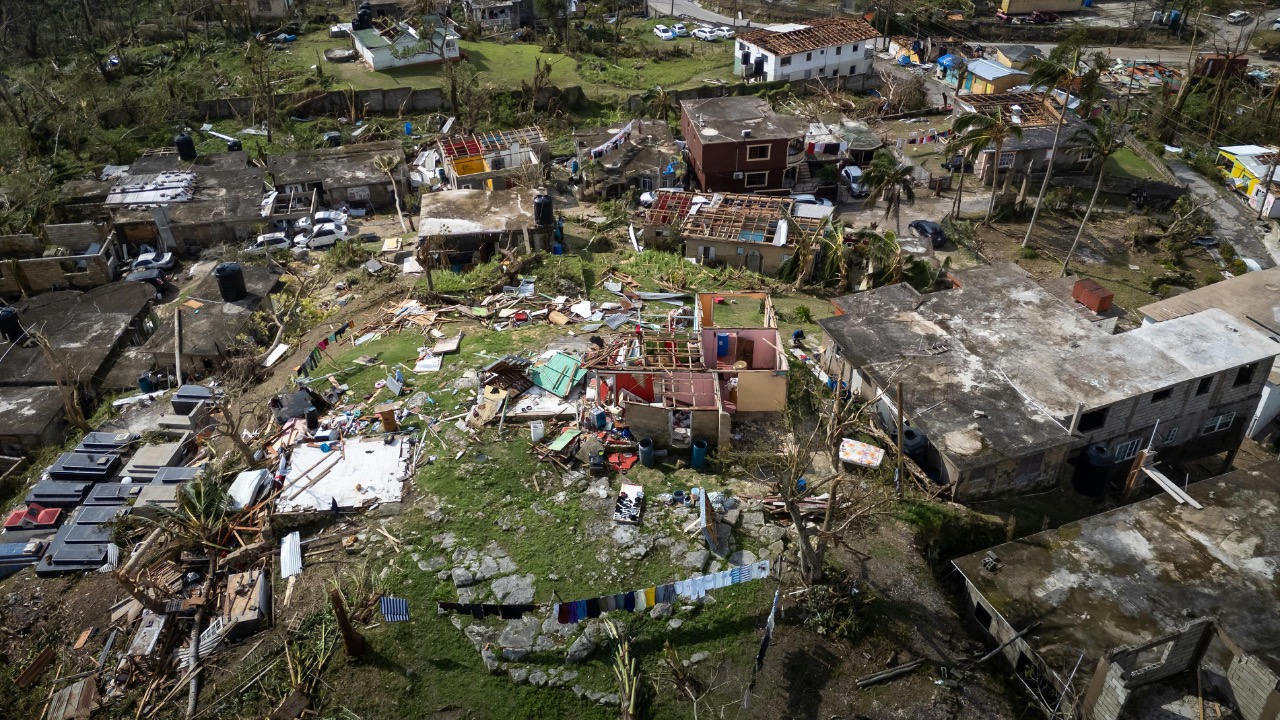
When a hurricane hits, the damage is instant, but the recovery moves at a crawl. In North Carolina, survivors of Hurricane Helene are still trying to find basic stability while housing programs take shape and money moves through layers of review. The same state is still working with people hit by hurricanes Florence and Matthew, underscoring how long the tail of disaster can be when aid is slow to reach the ground.
Earlier reporting found that a North Carolina home rebuilding effort created to help after Florence and Matthew left hundreds of households in limbo for years. New problems, such as too many damaged homes and not enough staff, are already showing up in the Helene response. That history helps explain why so many families now say they do not trust timelines given by state officials or by the Federal Emergency Management Agency, known as FEMA.
North Carolina families describe life “like being in jail”
In parts of North Carolina hit by Hurricane Helene, hundreds of families say they are stranded, unable to move back home and unable to move on. Many are living in cramped rentals or with relatives while they wait for state housing programs to approve repairs or buyouts. One survivor compared the experience to being locked up, saying it feels “like being in jail” because every decision about their future depends on a process they cannot control.
Those fears are sharpened by what happened to earlier storm survivors. In Lumberton, a woman named James spent nearly six years living in a damaged house after flooding, waiting for a state program to start work on her home. Reporting found that the effort created to help her and others took years to begin repairs, even though it was supposed to fix damage from earlier hurricanes. That same program is now being used as a model for Helene, and the story of James in Lumberton has become a warning sign for people who fear they will be stuck in wrecked homes for just as long.
“Of the 10,000” applications, thousands still wait
The numbers behind these delays are stark. Of the more than 10,000 families who applied to one North Carolina rebuilding program, 3,100 were still waiting for construction five years after the storm. Thousands of others had been ruled ineligible or had given up and withdrawn from the program entirely. Taken together, those figures show that the problem is not a handful of unlucky cases, but a system that cannot keep pace with the scale of the damage.
Now, similar warning signs are appearing in the Helene recovery. Officials are again facing a crush of applications, complex rules, and staffing shortages. As the new storm victims wait for help, many of the people hit by earlier hurricanes are still out of their homes, which means the backlog is growing in both directions. That is why some local advocates say the state is building a second crisis on top of the first, leaving hundreds of families stranded even as new storms arrive.
Florida homeowners stuck as flood money stalls
Farther south, Florida homeowners facing repeated flooding say they are trapped by delays in a major mitigation program. The state’s Elevate Florida initiative was designed to let people apply directly for funding to raise their homes, instead of waiting on slow local projects. In theory, that should speed up work and give families more control over how to protect their property.
In practice, many homeowners say they have been waiting more than a year with little progress, while a federal review holds up the money. The program’s promise, that people could apply straight to the state and move faster, has collided with the reality of federal oversight and complex rules. Residents in Pinellas County and other flood prone areas describe feeling stuck in the middle, as Elevate Florida waits on federal clearance and storms keep coming. One report described people who have been in limbo for more than a year and a half as they watch costs and insurance worries climb.
FEMA’s growing backlog and tighter reviews
Behind many of these delays is a growing backlog inside federal disaster programs. Extra scrutiny of aid to states has created what one report described as a 17 billion dollar bottleneck in FEMA reimbursements. Employees said that about About 17 billion dollars in aid is tied up as the agency rechecks old payments and applies stricter rules. That kind of review may protect against waste, but it also slows the flow of money that states use to rebuild roads, schools, and housing.
County officials say they are feeling the impact. One national group that tracks local governments reported that FEMA has delayed nearly 11 billion dollars in disaster reimbursements to states. In a summary of Key Takeaways, they warned that some states may even have to pay back COVID related reimbursements while they wait for new disaster funds. Another analysis of the same issue described how FEMA delays have held up 11 billion dollars in state reimbursements, which can leave local agencies short of cash for current projects.
Shutdown threats and warnings from Homeland Security
On top of the backlog, looming fights in Washington over government funding are creating new uncertainty. Homeland Security officials have warned Congress that a lapse in funding could slow disaster reimbursements to states and affect other security work. One social media post that circulated widely highlighted a claim that HOMELAND SECURITY SECRETARY delayed disaster relief for over 72 hours after Texas flooding began, and warned that a funding lapse could negatively affect disaster response nationwide.
Other federal officials have tried to reassure the public that the core disaster fund is stable for now, while still warning about longer term risks. Gregg Phillips, identified as an associated administrator at FEMA, said the disaster relief fund has enough money to cover current needs, but others warned that a long shutdown could change that. One overview of the looming shutdown explained that Other FEMA operations, including some staff, could face furloughs if the shutdown drags on. Another account, from WASHINGTON, warned of possible Delays in reimbursements to states if the shutdown hits.
Illinois storms and the politics of disaster aid
In Illinois, the fight over disaster help has taken a more direct political turn. After severe storms in the summer of 2025, state leaders asked for federal disaster aid and were turned down. A later report said the Trump administration again rejected FEMA aid for Illinois storm victims from that summer. The story raised questions about how national leaders weigh requests from different states and what happens when they say no.
One account of the dispute described how Trump and FEMA officials declined the state’s request for help, despite damage to homes and local infrastructure. Another piece, shared by Download the KWQC and written By NIKOEL HYTREK of Capitol News Illinois, noted that four states with similar storm damage, all with Democratic governors, had their aid requests denied. For families whose roofs and windows were torn apart, those high level decisions translated into more personal debt and longer waits for repairs.
Families caught between agencies and acronyms
For storm survivors, the alphabet soup of agencies involved in recovery can be dizzying. FEMA sits inside the Department of Homeland Security, which also oversees border security, cyber defense, and other missions. As a result, disaster aid has to compete with many other priorities inside the same cabinet department. People waiting on checks rarely see those internal debates, but they feel the result when programs slow down.
On paper, the Department of Homeland Security describes itself as the lead agency for protecting the country from threats and helping communities recover from disasters. Its website lays out how DHS works with state and local partners during emergencies. FEMA’s own materials explain how it provides grants, temporary housing, and help for long term rebuilding. Yet the gap between those mission statements and the lived experience of families in North Carolina, Florida, and Illinois is wide, especially when programs stall or when FEMA review holds up state projects for more than a year.
What long delays mean for daily life
Behind every statistic is a family trying to make daily choices in the middle of uncertainty. Some parents are weighing whether to keep children in schools near temporary rentals or move back to damaged neighborhoods. Others are deciding if they should keep paying mortgages on unlivable homes while also covering rent somewhere else. Insurance payouts, if they come at all, often do not cover the full cost of repairs, so people are left counting on government programs that may not arrive in time.
When those programs stall, the damage spreads beyond the physical walls of a house. Long waits can worsen health problems, strain marriages, and push people into bankruptcy. Local officials say they see the ripple effects in rising homelessness and in small businesses that never reopen. As one Florida homeowner told reporter Kristen Barbaresi, people who signed up for help more than a year ago now feel that their lives are “on hold.” For many Helene survivors in North Carolina, the phrase “like being in jail” captures the same sense of being trapped by forces far beyond their control.

Asher was raised in the woods and on the water, and it shows. He’s logged more hours behind a rifle and under a heavy pack than most men twice his age.