Why some states have banned hunting trail cameras
Trail cameras started as a simple scouting aid, a way to see what walked past a tree when no one was around. In parts of the United States they have now become so contentious that wildlife agencies are banning them for hunting, arguing that constant surveillance crosses a line between smart preparation and high‑tech shortcut. The fight over these devices is really a fight over what modern hunting should look like, and how far technology can go before it changes the ethic of the chase itself.
States that have moved to restrict or outlaw hunting trail cameras say they are trying to protect fair chase, reduce crowding and conflict, and avoid turning public land into a tangle of plastic boxes and antennas. Hunters on the other side counter that cameras are simply another tool, like a better scope or a more efficient bow, and that bans punish rule‑followers while doing little to stop bad behavior. I see the debate as a stress test for the unwritten rules that have long governed life in the woods.
From scouting tool to flashpoint
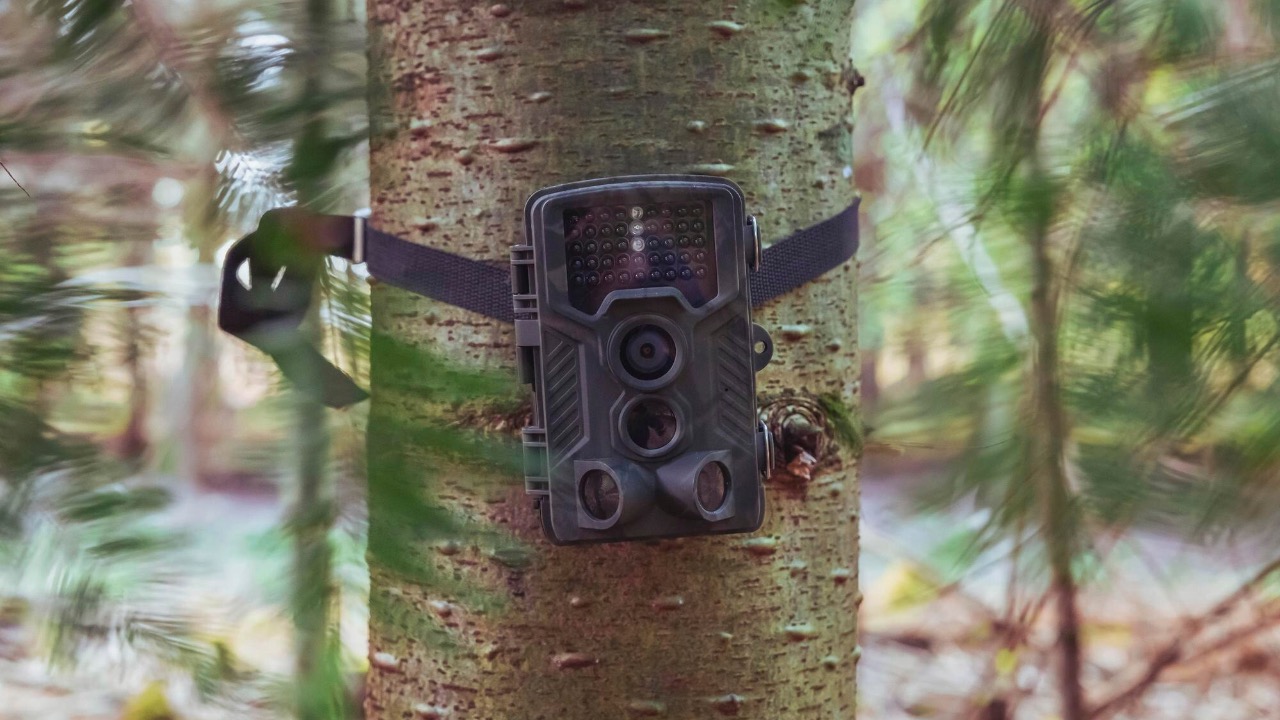
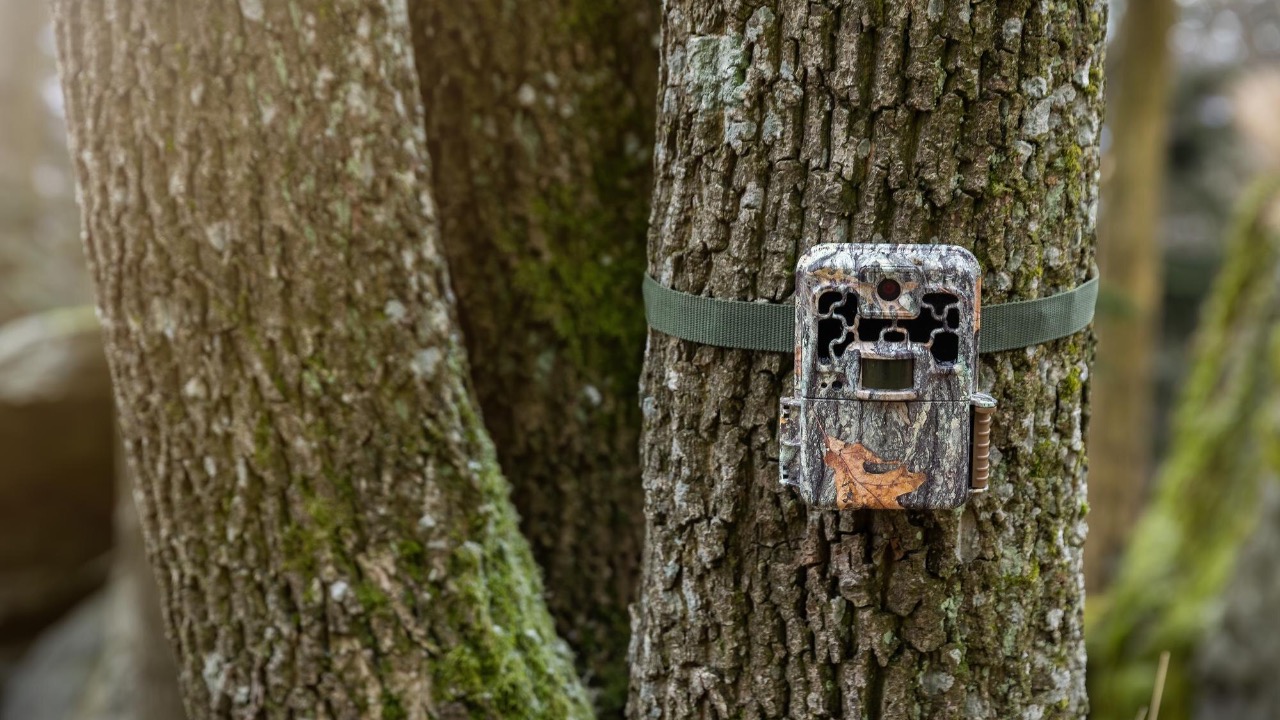
At their core, trail cameras are motion‑activated devices that snap photos or video of animals as they pass, often strapped to a tree along a game trail or water source. Some models store images on a card, while newer cellular versions send pictures to a phone in near real time, a shift that has made it far easier to monitor wildlife activity without spending days in the field. One overview of hunting tech notes that a trail camera is simply a device designed to take pictures or video of wildlife as they pass through the area and that these units are often left running for weeks at a time to build a pattern of movement for later hunts, which is exactly what alarms critics who see a move from observation to remote control.
As prices dropped and reliability improved, cameras multiplied on public land, especially in the arid West where water holes act like magnets for elk, deer, and pronghorn. In some places, dozens of units watched a single spring, creating what one conservation group has described as Hunting paparazzi Problem conditions, with numerous trail cameras clustered around catchments and water tanks. That level of coverage does more than clutter the landscape; it raises questions about whether an animal that is effectively tracked every time it comes to drink still has a fair chance to elude detection.
Western states draw a hard line
The sharpest crackdowns have come from Western wildlife agencies that manage vast tracts of dry public land. In Arizona, regulators have framed their rules as a response to both ethics and crowding at limited water sources, where hunters and outfitters were effectively staking digital claims with banks of cameras. Policy trackers describe how some of these bans are structured as broad prohibitions on using trail cameras to aid a hunt, particularly when the devices are deployed over water or in ways that concentrate pressure on specific animals, a pattern that matches reports that Arizona Game and Fish Department employees have been hauling tons of plastic and wiring away from water sources in an effort to clean things up.
Neighboring states have followed with their own versions. Officials in Nevada and Utah have wrestled with similar complaints that camera networks around springs and seeps give hunters an overwhelming advantage and create tense, sometimes hostile encounters at shared spots. Analysts looking at Reasons for Camera Bans in the West point out that these rules are driven less by whitetail culture and more by elk and mule deer management, where limited entry tags and concentrated herds make any technological edge potentially decisive. That is why agencies in Montana and New Mexicohave also been pulled into the conversation, even where the exact legal lines differ.
Arizona and Utah as test cases
Arizona has become a reference point because its restrictions are among the toughest. One detailed breakdown of States with broad bans on using trail cameras to aid a hunt notes that Arizona has one of the strongest prohibitions in the country, with rules that target both standard and cellular units and focus on reducing crowding and conflict at water sources. That same analysis describes how regulators in Arizona have been explicit that their goal is to keep hunters from turning limited water into de facto private hotspots, an argument that resonates in a state where public land access is central to big‑game opportunity.
Utah has taken a slightly different but equally firm approach. A detailed explanation of the Utah rules describes how the state drew distinctions between general recreation and the use of cameras to help locate or pattern game animals, with special scrutiny on cellular models that deliver images in near real time. That same account connects Utah’s decisions to record‑keeping standards set by organizations like the Boone and Crockett Club and the Pope and Young Club, which have long questioned whether animals taken with the help of real‑time electronics should qualify for traditional record books. When I look at those choices, I see Utah and Utah officials using trail cameras as a line in the sand about what counts as a fair chase in the American West.
Fair chase and the “hunter’s honor system”
Underneath the legal language is an older idea: that hunting should give animals a genuine chance to escape. Advocates for restrictions argue that a web of cameras, especially cellular units that ping a phone whenever a target buck or bull steps into view, erodes that balance. One essay on The Hunter, Honor System, Why some states are banning trail cameras describes fair chase as a moral commodity that hunters are expected to safeguard, warning that tools which eliminate uncertainty risk turning a pursuit into something closer to remote harvest. When I read that, I hear a plea to keep some mystery in the woods, rather than treating every animal as a data point in a spreadsheet.
Policy groups that focus on hunting and conservation have echoed that concern. A briefing on Trail cameras from a national sportsmen’s organization notes that these devices are commonly used not only by hunters but also by wildlife biologists and conservation officers, which complicates any attempt at a blanket ban. The same organization’s Points of Interest section recounts how the issue has surfaced in legislatures multiple times, most recently in 2021, as part of broader debates about technology and field ethics. To me, that shows how the “hunter’s honor system” is no longer just campfire talk; it is being translated into statutes and administrative codes that can carry fines or even cost someone their license.
Conflicts at water holes and on public land
Beyond ethics, there is a practical complaint: too many cameras in the same places create chaos. Accounts from Arizona describe Trail cameras over water sources posing a threat to both wildlife behavior and hunter relations, with Arizona Game and Fish Department staff reportedly hauling away large numbers of abandoned or illegal units from catchments and any other water source. When multiple outfitters and DIY hunters all hang gear on the same tree, the result is not just an eyesore but a recipe for accusations of tampering, trespass, and territorial behavior that cuts against the idea of shared public land.
Those tensions are not limited to the desert. A discussion thread where hunters debate whether states will ban trail cameras on public land captures the human side of the problem, with one commenter writing that Part of the issue with cameras on public is guys thinking they own the areas they decide to set them up in and comparing the situation to Treestands being left for entire seasons. That same conversation includes voices like Zach Austin and Justin West arguing over whether restrictions are a necessary check on selfish behavior or an overreach that takes away rights. Reading those exchanges, I am struck by how a small plastic box can become a stand‑in for bigger frustrations about crowding, access, and respect.
Cellular cameras and real‑time data
The arrival of cellular‑linked models has escalated the debate. Traditional cameras require a hunter to hike in, pull a card, and piece together patterns days or weeks later. By contrast, a cellular trail camera can send images directly to a phone within minutes, letting someone adjust their plan on the fly and head out only when a particular buck or bull is active. One technology explainer describes how a cellular trail camera is designed to transmit photos over a network and notes that critics see this as a step toward hunting by text alert rather than by woodsmanship, even as supporters praise the efficiency and reduced disturbance.
Stories from the field show how heated things can get when real‑time intel is on the line. In one account of a cellular‑linked trail camera controversy, an interview subject named Turnipseed recalls how Cameras were vandalized or stolen and says hunters were literally fighting over animals they got on camera, a level of conflict that would have been hard to imagine back when scouting meant glassing a hillside at dawn. Those anecdotes help explain why some Western bans are written broadly enough to cover any device that transmits location data during a season, not just the most advanced models. When I weigh those reports, I see why regulators worry that instant information can turn a shared resource into a race that rewards whoever has the best reception.
Midwestern and Eastern states weigh in
While the flashpoints are often in canyon country, the conversation has spread east. A survey‑based article asking Should Trail Cams Be Banned On Public Land cites a 2021 and 2022 survey of Delaware hunters and uses that research to frame a section titled Why Ban Trail Cameras, highlighting complaints about proliferation, conflicts over “spot ownership,” and the sense that some users constantly check and move their trail cameras to stay ahead of others. That kind of feedback has prompted agencies in places like Delaware to at least study whether rules that started in the West might make sense on smaller, heavily hunted parcels closer to the coast.
In the Midwest, camera laws are evolving rather than disappearing. A regional guide titled Apr Trail cam laws explains that Trail cam laws have been implemented in various states as these devices become more popular and lists several reasons why laws have tightened, including concerns about fair chase, trespass, and interference with wildlife management efforts. That same piece emphasizes that There are differences from state to state, which is why hunters in Kansas, Kansas again for specific regional references, and other Midwestern states are urged to check their own codes before hanging any device. To my eye, that patchwork reflects a broader trend: rather than copy‑pasting Western bans, interior states are trying to tailor rules to their own access patterns and species.
Technology, data, and privacy worries
Beyond the hunt itself, some analysts are starting to look at trail cameras as part of a larger surveillance economy. A market research insight titled Trail Camera Bans Move Across the United States, Proving Video Surveillance Vendors Are Not Out of The Woods, labeled as IN‑69, argues that concerns about fair chase, privacy, and data commercialization are beginning to intersect, especially as more devices connect to cloud platforms. That report suggests that wildlife images are not the only thing being captured; metadata about locations, user behavior, and even bystanders can also be swept up, raising questions about who owns and profits from that information. When I connect those dots, I see how a fight that began over mule deer could eventually touch tech companies and regulators far from the trailhead.

Leo’s been tracking game and tuning gear since he could stand upright. He’s sharp, driven, and knows how to keep things running when conditions turn.