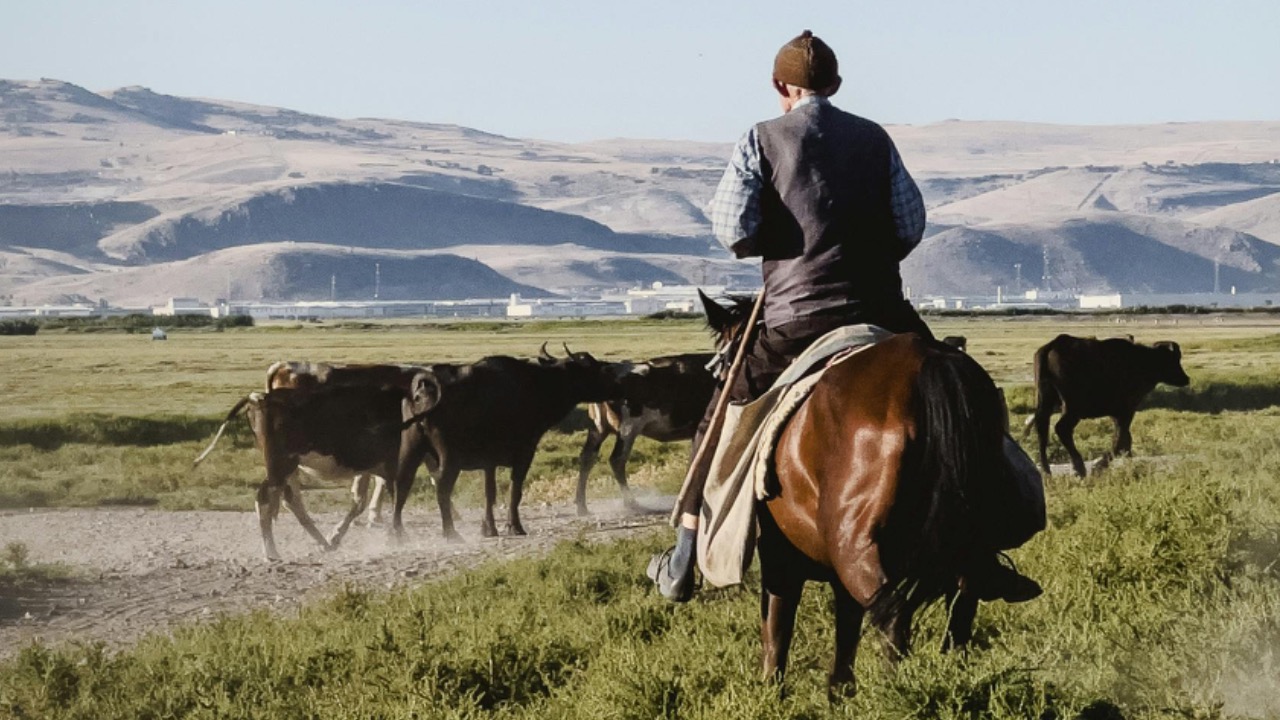
Ranchers push back against new federal policy they say threatens livelihoods
Federal moves to expand beef imports and reset agricultural rules have collided with ranch country, where producers warn that a sweeping new policy mix could hollow out family operations. They argue that trade decisions, regulatory shifts, and enforcement priorities are being written in ways that treat cattle as numbers on a balance sheet rather than the backbone of rural economies. Their pushback has turned an obscure set of quota formulas and legal frameworks into a fight over who gets to shape the future of American beef.
At the center of the dispute is a White House order to bring in more foreign beef in the name of affordability, paired with new federal initiatives that promise to protect producers from “agricultural lawfare” and government overreach. Ranchers say the combination does not add up, warning that higher imports from countries such as Argentina, layered on top of existing regulatory and market pressures, could erase thin margins and force more independent operators out of business.
Federal import order ignites anxiety on the range
The spark for the current backlash is a presidential directive that increases the volume of imported beef allowed into the United States, framed as a way to ease grocery bills. The order, presented as a tool to ensure “affordable beef for the American consumer,” increases the aggregate in quota quantity for certain beef products for calendar year 2026, with the new quota window set to close on December 31, 2026, as described in Additional Note Chapter language. Supporters inside the administration say that more imported supply will ease tight domestic markets and help consumers who have watched beef prices climb at the meat case.
Ranchers see the same policy as a direct hit on their livelihood, especially because the order works in tandem with a separate government effort to expand the import quota for Argentine beef. That expansion is part of a broader Government Action and that opens more space for Argentin products while promising domestic herd expansion initiatives. Producers argue that when the federal government boosts foreign beef at the same time it talks about helping them grow, the price signal favors imports first and leaves U.S. cattle feeders and cow‑calf operators holding the risk.
Argentina beef quota becomes a flashpoint
No single piece of the policy package has inflamed rancher anger more than the push to bring in more beef from Argentina. The administration has backed a Trump Argentine import expansion that supporters say will increase supply and smooth out price spikes. Producers counter that Argentina’s production costs, labor structure, and regulatory environment are very different from those facing U.S. ranches, which means an uneven contest once more South American beef enters the market.
Groups representing cattle producers have already framed a Proposed Plan Import as a threat not just to prices but to entire small towns that depend on cattle checks. They warn that a surge in Argentin product, on top of existing trade flows, could push down live cattle prices while packers and retailers capture most of the benefit from cheaper imports. When the White House promotes the import deal as a way to help shoppers, ranchers hear a message that their own viability is secondary to short term savings at the meat counter.
Administration defends imports as consumer relief
Inside the administration, officials have framed the new import order as a straightforward application of supply and demand to a tight market. A social media post describing Feb American Ranchers reported that the administration said higher imports would increase overall supply and lower prices for American consumers. In that telling, foreign beef is a pressure valve on inflation, and the policy is a win for families who have cut back on steaks and roasts as prices climbed.
Some supporters of the policy have also pointed to prior trade decisions, including a separate Feb Excerpts President deal, as examples of how expanded imports can coexist with domestic support programs. They argue that if federal agencies follow through on promises to help ranchers with credit, herd rebuilding, and regulatory relief, then consumers can benefit from lower prices without wiping out U.S. production. Ranchers who are living with thin margins say that is a risky bet, especially when they have little control over how quickly imported beef volumes can respond to shifts in global markets.
USDA pitches new protections while ranchers see mixed signals
At the same time the White House is leaning on imports, the U.S. Department of Agriculture is promoting a suite of initiatives it says are designed to protect producers. In an Oct announcement, Secretary Rollins said, “At USDA we are protecting our beef industry and incentivizing new ranchers to take up the noble vocation of ranching. Today, USDA is investing in policies that reward producers who bring nutrient dense, minimally processed foods to market.” That message is meant to reassure ranchers that the department sees them as partners in a long term strategy for healthier diets and stronger rural economies.
Earlier this month, USDA added another layer by announcing the USDA Announces Farmer, a package that promises to end abusive government overreach and protect farmers and ranchers who have been targets of agricultural lawfare. A companion description of the USDA Farmer and emphasizes private property rights, fair treatment in the courts, and the ability of producers to manage land and care for livestock without constant legal threats. For ranchers staring at an import surge, those protections sound helpful but incomplete, because they do not directly address the price pressures that foreign beef can bring.
Producer groups warn of “death by a thousand cuts”
National and regional cattle organizations have started to knit these policy threads into a broader critique of federal direction. The National Cattlemen’s Beef Association has laid out 2026 policy priorities that call for trade frameworks which do not disadvantage U.S. producers, along with regulatory and tax policies that keep ranching viable for the next generation. Those priorities reflect a view that imports, environmental rules, and market concentration all interact, and that any new federal action has to be judged on how it affects the entire production chain from pasture to feedlot.
On the ground, independent producers are voicing similar concerns through groups that focus on small and medium sized operations. In BILLINGS, Mont, Jan CALF USA filings pressed the U.S. Small Business Administration to recognize how federal regulations are harming independent cattle producers and to shield these family businesses from unnecessary regulatory harm. When those same producers now look at an expanded Argentine quota and a new import order, they see what they describe as “death by a thousand cuts,” where each policy on its own might be survivable but the combined weight becomes too much.
Legal frameworks and “agricultural lawfare” enter the debate
The phrase “agricultural lawfare” has quickly moved from legal circles into ranch kitchen tables, in part because USDA has put it at the center of its new initiative. The department’s announcement of the Ending Protecting effort promises to end abusive government overreach and protect farmers and ranchers who have been targets of such tactics. For ranchers, the timing is striking, because they feel squeezed not only by lawsuits and regulations but also by trade decisions that they see as stacked against them.
The new federal order on imports is also written into the technical language of the tariff schedule, which shapes how traders and customs officials apply the rules. A public inspection document describes how the government is inserting a new U.S. note 7 to subchapter III of chapter 99 of the HTSUS, stating that “7. (a) As provided in Additional U.S. note 7 to subchapter III of chapter 99 of the HTSUS,” the quota structure will operate. For most ranchers, those references to III, 99, and HTSUS feel far removed from the daily work of feeding cattle, yet the numbers in those notes can determine how much foreign beef competes with their own animals when they go to market.
Trump-era farm programs collide with new trade math
Supporters of the administration often point out that the same leadership backing higher imports has also promoted programs pitched as help for farmers and ranchers. A video recap of recent activity notes that, Trump Administration has rolled out several programs to help ag producers, with officials highlighting disaster aid, credit tools, and market development efforts. From that vantage point, the White House can argue that higher imports are one piece of a larger strategy that still includes safety nets for domestic producers.
Ranchers respond that support programs are temporary, while trade rules can reshape markets for years. They worry that once foreign suppliers gain a foothold under expanded quotas, it will be politically difficult to pull those volumes back, even if domestic producers are hurting. When the same administration promotes itself as a champion of rural America and then signs orders increasing beef imports, many ranchers see a contradiction that no amount of short term assistance can fully offset.
Rural communities fear ripple effects beyond the ranch gate
The debate over federal policy is not just about ranch balance sheets, it is about the fate of rural communities that depend on cattle income. When producer groups warn that a Proposed Plan Import, they are talking about school enrollments, main street businesses, and county tax bases tied to livestock. Lower cattle prices can mean fewer hired hands, postponed equipment purchases, and less money spent at local hardware stores and grocery shops, which in turn weakens the broader local economy.
At USDA, officials say they are trying to pull in the opposite direction by investing in the next generation of ranchers and in nutrient dense, minimally processed foods that keep value closer to the farm. Secretary Rollins has framed the department’s efforts by saying that “Today, USDA” is working to reward producers who bring those foods to market and to encourage new entrants into ranching, as described in the Today USDA statement. Ranchers welcome that rhetoric but say it rings hollow if young producers are asked to start businesses in a market where imported beef undercuts the prices they need to survive.
What comes next in the fight over beef policy
For now, the new import quotas and USDA frameworks are moving ahead, even as ranchers organize to challenge them in the political and regulatory arenas. Producer groups are likely to press Congress, the U.S. Small Business Administration, and USDA to revisit how trade decisions interact with promises to protect independent operations, building on the kind of concerns raised in the Mont CALF USA filing. They may also look to the courts, potentially testing whether the new quota rules and tariff notes were crafted in ways that properly account for domestic industry impacts.
As that fight unfolds, the core tension remains the same: a federal government that says it is protecting ranchers while also inviting in more foreign beef, and producers who fear they are being asked to compete in a game where the rules keep shifting. Whether the USDA Announces Farmer and related efforts can convince skeptical ranchers that Washington is on their side will depend on how those policies play out in sale barns, feedyards, and small town budgets over the next few years. For families who make their living on cattle, the stakes are nothing less than whether their way of life can survive another round of distant decisions made in the name of affordability.

Asher was raised in the woods and on the water, and it shows. He’s logged more hours behind a rifle and under a heavy pack than most men twice his age.