Drained reservoir exposes long-hidden infrastructure concerns
When a reservoir drops far enough, it does more than expose old boat ramps and forgotten shorelines. It pulls back the curtain on decades of engineering decisions that were never meant to be seen again. As water levels fall at places like Lake Mead, you’re not just looking at mud and rock—you’re seeing the bones of systems built for another era. Intake towers, buried pipelines, abandoned roads, and improvised fixes suddenly sit in the open. For anyone who pays attention to how the country moves water, power, and people, these low-water moments tell a blunt story. They show where corners were cut, where upgrades lagged, and where future failures could start if conditions don’t improve.
Intake Towers Built for Higher Water
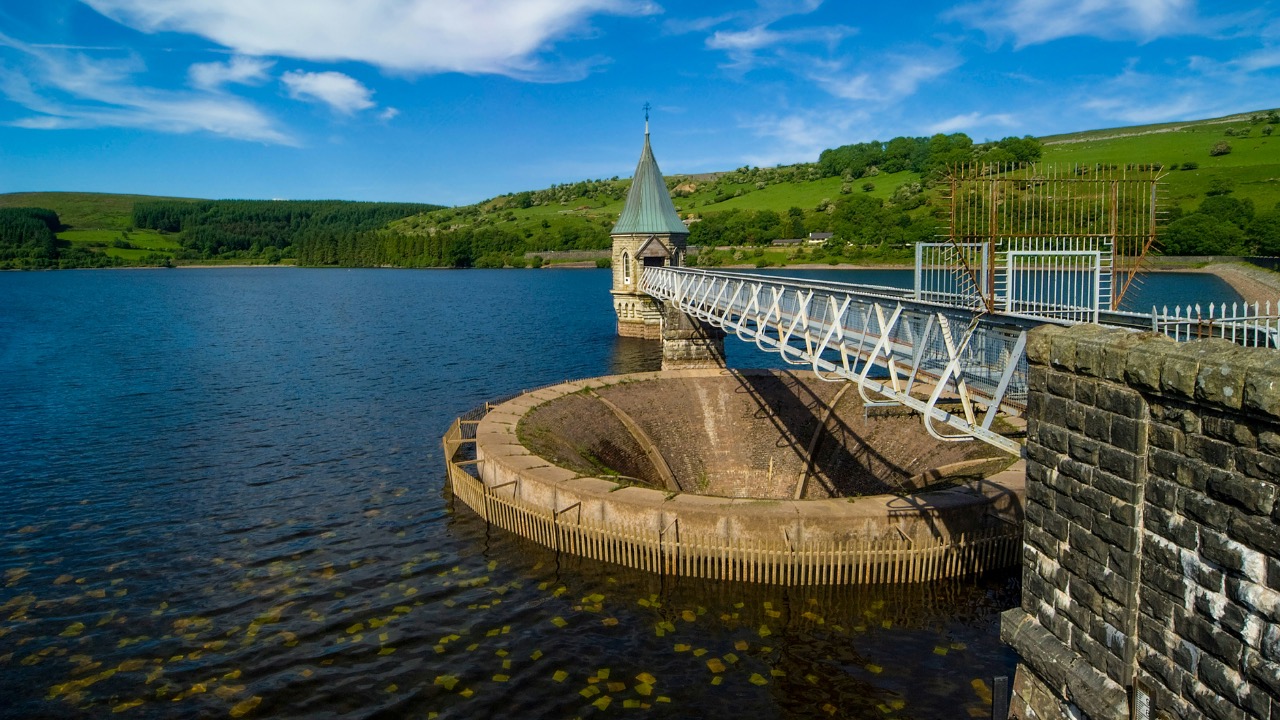
When reservoir levels fall, the first thing you notice is how intake towers suddenly look awkward and exposed. These structures were designed assuming water would always cover key sections. Once levels drop, older intakes struggle to pull water efficiently, especially during peak demand.
You start seeing temporary extensions, emergency pumps, and surface-level fixes that were never part of the original plan. Those add-ons work, but they highlight how narrow the margin has become. If levels drop again, those fixes may not be enough, forcing rushed upgrades under pressure instead of careful long-term planning.
Aging Spillways That Rarely See Use
Spillways are supposed to handle excess water, but many haven’t been tested in decades. When reservoirs drain, cracks, erosion scars, and outdated materials become visible along spillway walls and channels.
You realize these systems were built with flood control in mind, not prolonged drought. Maintenance often focused elsewhere because spillways stayed dry. Now, with climate patterns shifting, those neglected structures may be needed again, and what you see exposed raises uncomfortable questions about how ready they really are.
Buried Pipelines Never Meant to Be Seen
Lower water exposes pipelines that once ran safely underwater. Some were installed quickly to meet growing demand, with minimal protection against corrosion or shifting sediment.
Once visible, the age of these lines becomes obvious. Weld seams, rust patches, and unsupported spans show how much they relied on water pressure and sediment cover for stability. Seeing them dry makes it clear that failure risks increase as conditions change, especially if water levels fluctuate rapidly year to year.
Old Roads and Work Pads Beneath the Surface
As water recedes, forgotten access roads and construction pads emerge. These were used during dam and reservoir construction, then abandoned once flooding began.
Their condition tells a story of time and neglect. Erosion channels cut through them, and unstable slopes surround them. If maintenance crews need access again, those routes may be unusable. Rebuilding them would cost time and money that planners never expected to spend again.
Power Infrastructure Designed for Consistent Flow
Hydropower systems depend on steady water levels. When reservoirs drain, turbine efficiency drops and mechanical stress increases.
Exposed penstocks and intake tunnels show how tightly these systems were tuned to past conditions. Retrofitting them for lower water isn’t straightforward. You start to see how energy reliability becomes tied directly to water management decisions made decades ago, with little room for error today.
Sediment Buildup That Was Easy to Ignore
Sediment settles quietly at the bottom of reservoirs. When water drops, massive deposits appear, sometimes blocking intakes or altering flow patterns.
This buildup reduces capacity and complicates future refilling. Removing sediment is expensive and disruptive, so it’s often delayed. Seeing it exposed makes clear how much long-term storage has already been lost and how much harder recovery will be if wetter years return.
Emergency Fixes Becoming Permanent Features
Low water forces quick solutions. Temporary pumps, floating platforms, and rerouted channels show up fast.
What’s concerning is how often those “temporary” measures stick around. Once they work, they become the new normal. Over time, systems designed for emergencies quietly replace original infrastructure, creating a patchwork that’s harder to maintain and easier to break under stress.
Foundations Stressed by Changing Pressure
Water provides more than storage—it supports structure. As reservoirs drain, pressure against dam foundations changes.
Cracks, seepage points, and stress lines become easier to spot. Engineers monitor them closely, but the exposure reminds you these structures were built assuming constant load. Extended low-water periods introduce forces that weren’t fully planned for, increasing the need for monitoring, reinforcement, and expensive upgrades.

Asher was raised in the woods and on the water, and it shows. He’s logged more hours behind a rifle and under a heavy pack than most men twice his age.