What veteran guides refuse to carry into remote country
Veteran backcountry guides are defined as much by what they leave behind as by what they pack. After enough hard miles and close calls, they build a quiet blacklist of gear and habits that have no place in real wilderness, where every ounce and every decision matters. I have spent years listening to those lists around tailgates and cookstoves, and the patterns are remarkably consistent.
When you strip away the marketing and the fear of being unprepared, a clear picture emerges of the items that cause more trouble than they solve. From fragile gadgets to fashion-driven clothing and even certain documents and weapons, there are things seasoned guides simply refuse to haul into remote country, because experience has taught them the cost.
Why guides obsess over what stays home
In remote country, weight is not an abstract number, it is how fast you move when the weather turns, how far you can carry an injured partner, and whether you still have the legs to make smart choices at the end of a long day. The more trips a guide runs, the more ruthless that math becomes, and the more gear gets cut from the pack. I have watched new clients show up with overflowing duffels, only to see a guide quietly build a “do not bring” pile on the lodge floor before the first mile.
Experienced leaders think in systems, not souvenirs, and they know that redundancy has a breaking point where it turns into clutter. They build streamlined clothing and gear kits that cover a wide range of conditions without hauling a separate outfit or gadget for every scenario, a mindset that mirrors the lean packing lists used by outfits like Wildland on serious trekking itineraries. That discipline is what lets a small team move safely through big, unforgiving terrain.
Bulky “comfort” items that sabotage the hike
The first things to get banned are the big, soft, comforting items that look harmless at home but turn vicious once you start climbing. Full-size pillows, heavy camp chairs, oversized coolers, and thick cotton hoodies all fall into this category. They eat pack space, soak up water, and add pounds that do nothing to keep you alive when the wind comes up over a pass or a storm pins you down for a day.
Guides who work long, high routes like the Kanchenjunga approaches know that every unnecessary pound at low elevation becomes a punishment at altitude. Instead of bulky comforts, they lean on compact, multiuse gear, like a lightweight insulated jacket that doubles as a pillow or a foam sit pad that also stiffens a frameless pack. The goal is not to suffer, it is to trade a little luxury in camp for a lot more safety and stamina on the trail.
Fashion footwear and flimsy shoes
Nothing exposes inexperience faster than the wrong footwear. I have seen people step onto rough trails in slip-on sneakers, casual boots with slick soles, and even low-cut “lifestyle” shoes that were never meant to see mud. Veteran guides will not allow that in real backcountry, because they are the ones who end up managing the twisted ankles and blown-out toenails that follow.
Outfits that live and die by client safety consistently call for sturdy, purpose-built hiking footwear, and they do it in plain language. On demanding trips, they recommend sturdy hiking boots or shoes with real support and traction, not whatever happens to be by the door. Guides also steer people away from brand-new boots that have never seen a trail, because blisters can shut down a trip as effectively as a storm. If your footwear cannot handle rocky, wet, and steep terrain for days on end, it does not belong in remote country.
Cotton-heavy clothing that fails when it matters
There is a reason the old line “cotton kills” has stuck around. Cotton hangs onto moisture, whether it is sweat, rain, or snowmelt, and once it is wet it robs heat from your body at the worst possible time. Veteran guides have watched enough hypothermia cases start with a damp cotton hoodie or jeans that never dry, so they simply do not allow those pieces on serious trips, no matter how comfortable they feel in town.
Instead, they push clients toward layered systems built around synthetic or wool base layers, insulating midlayers, and weatherproof shells. Detailed packing advice for cold and high routes often calls out specific items like Warm shirts, Polar coats, Gore Tex shells, a Light fur or fleece layer, hand gloves, and UV-rated sunglasses, all of which keep working when the weather turns ugly. When you look at those lists, what you will not see is cotton denim or a stack of fashion hoodies, because guides have learned the hard way that those belong in the truck, not on the mountain.
Overbuilt “expedition” kits for moderate trips
On the other end of the spectrum, experienced guides are quick to strip away the overbuilt gear that nervous clients bring after a week of scrolling gear catalogs. Double expedition sleeping bags, massive expedition packs, and heavy-duty hardware meant for Himalayan peaks often show up on trips that never leave the treeline. The result is a pack that weighs as much as a small child and slows the group to a crawl for no real gain in safety.
Even on serious routes like the Everest approach, seasoned operators point out that you do not need a mountain of complicated gear to travel safely. A well thought out packing checklist for that trek focuses on a solid but moderate sleeping bag, a liner, and a sensible duffel, not a closet full of expedition-grade equipment. Guides know that extra zippers, buckles, and layers of fabric are just more things to break or soak up water, so they favor lean, proven setups over anything that looks like it belongs on a gear catalog cover.
Random gadgets and untested electronics
Modern backcountry packs are in danger of turning into rolling electronics stores. I have watched people pull out drones, multiple power banks, tablets, full-size cameras with extra lenses, and even Bluetooth speakers for a three-day trip. Veteran guides have little patience for that pile, because every gadget adds weight, demands charging, and distracts people from the terrain and weather that actually matter.
What they do carry are a few critical electronics that have earned their place, like a reliable headlamp, a navigation device, and sometimes a satellite communicator, all of which are tested before the trip. Safety guidance for wild camping stresses that you need to understand the Terrain you will be moving through and match your gear and skills to that reality, not to what looks good on social media. Anything that cannot survive a hard knock, a soaking rain, or a cold night without failing tends to get cut from a guide’s kit list.
Weapons, “tactical” toys, and legal headaches
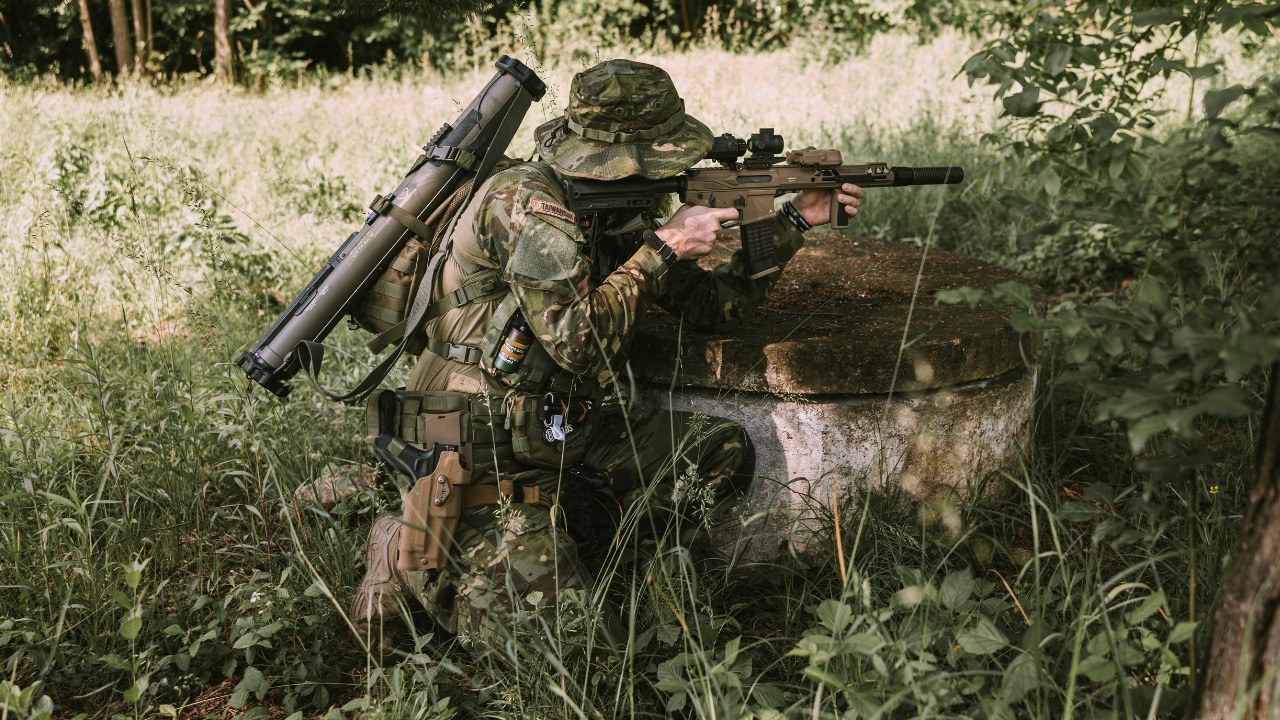
Another category that experienced guides avoid is unnecessary weapons and tactical-style gear that create more risk than security. Big fixed-blade knives, machetes, and surplus-looking packs or clothing can spook locals and draw the wrong kind of attention at checkpoints and border crossings. In some countries, carrying items that resemble military or police equipment can move you from “tourist” to “problem” in a hurry.
Official travel guidance for places like Nicaragua spells this out clearly, warning travelers, including Minors, to avoid bringing or wearing any kind of military or police gear. Guides who work internationally take that seriously, because a trip can be derailed at an airport or roadside stop if someone’s pack looks like it belongs to a soldier. They stick to low-profile tools, like a small folding knife and a compact repair kit, and leave the rest at home.
Too many “just in case” layers and spares
Fear of being cold, wet, or hungry pushes a lot of people to overpack, and guides see the same pattern again and again. Clients show up with three or four spare base layers, multiple backup jackets, and enough socks to outfit a platoon, all in the name of being prepared. The irony is that hauling that much extra clothing and gear makes people more tired and less likely to manage their layers well, which increases the odds that they end up cold anyway.
Seasoned leaders build tight clothing systems that can be adjusted on the move, instead of hauling duplicates of everything. They might carry one extra base layer and a backup pair of socks, not a full second wardrobe, and they rely on proven outerwear like the waterproof shells and insulated pieces highlighted in professional clothing guides. When you watch them pack, you will notice that every item has a clear job, and if a piece does not earn its place with real function, it stays in the gear room.
Paper clutter, valuables, and things you cannot afford to lose
Finally, veteran guides are careful about documents and valuables, not because they are afraid of the woods, but because they know how chaotic travel to and from remote areas can be. Wallets stuffed with extra credit cards, thick stacks of paper itineraries, and irreplaceable items like family jewelry have no business in a backcountry pack. If it would ruin your month to lose it in a river crossing or a crowded bus station, it should not be on the trip.
They also pay attention to the specific entry and exit rules for the countries they work in, especially when traveling with younger clients. Official guidance for places like Nicaragua notes that See the U.S. Embassy for specific departure requirements for children under 18, and those rules shape what paperwork actually needs to be carried into the field. The smart move is to bring only the documents you truly need, protected in a waterproof pouch, and leave everything else locked up in town where it cannot blow away in a storm or disappear at a remote campsite.

Asher was raised in the woods and on the water, and it shows. He’s logged more hours behind a rifle and under a heavy pack than most men twice his age.