Storm systems growing stronger — what residents in affected states should expect
If you’ve lived through a few rough seasons, you already know storms don’t behave the way they used to. Weather systems are carrying more moisture, holding together longer, and showing up in places that once felt insulated. The science behind it isn’t speculative anymore. Warmer air and oceans are feeding storms extra energy, and that energy has to go somewhere.
For people living in exposed regions, this isn’t abstract. It shows up as longer warning periods, faster damage, and recovery that takes more time and money. Understanding how storms are changing helps you prepare without panic. Here’s what you should realistically expect as stronger systems become more common.
Storms Are Slowing Down, Not Speeding Up
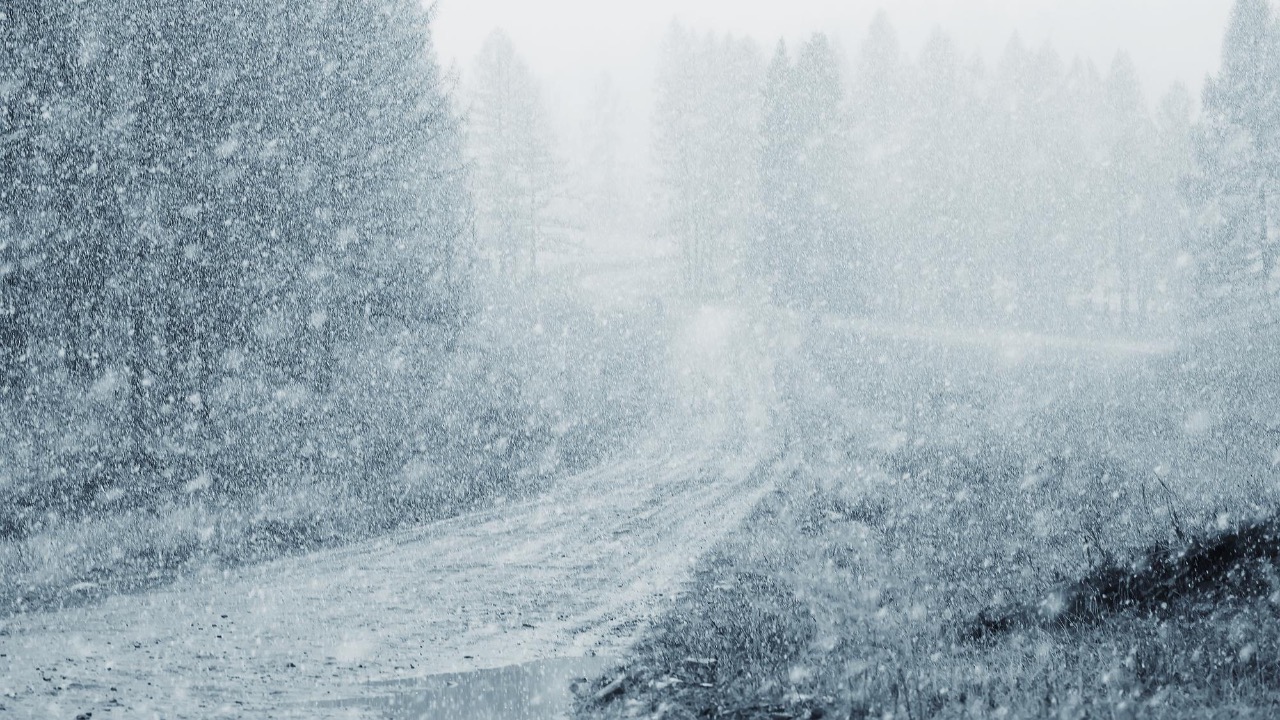
One of the biggest changes isn’t wind speed. It’s how slowly storms now move once they arrive. You’re seeing systems stall over the same area for hours or days, dumping far more rain than older patterns allowed.
When storms linger, flooding becomes the main threat even if winds stay moderate. Roads wash out, creeks rise fast, and drainage systems get overwhelmed. You may notice flash flood warnings popping up in places that never had them before. This trend has been documented by agencies like National Oceanic and Atmospheric Administration, and it changes how you should think about evacuation timing and flood insurance.
Inland Flooding Is Replacing Coastal Surge as the Bigger Risk
Coastal flooding still matters, but inland flooding now causes more damage and fatalities in many storms. You don’t need to live near the ocean to be at risk anymore.
Heavy rainfall hundreds of miles from landfall can overwhelm rivers and reservoirs. Communities far from the coast often lack flood infrastructure because they historically didn’t need it. If you live in low-lying areas of states like Tennessee or Kentucky, you may face flood threats tied to tropical systems that never come near you. Expect more road closures, boil-water notices, and extended power disruptions tied to water damage.
Severe Weather Is Expanding Outside Traditional Zones
Tornadoes, hail, and damaging wind used to follow predictable corridors. That reliability is fading. Storm systems are now producing severe weather in regions that weren’t built for it.
If you live in parts of Ohio or Pennsylvania, you’ve probably noticed more intense thunderstorms in recent years. Homes without basements, older power lines, and limited shelter options increase risk. You may need to rethink where you take cover and how you secure property. Weather alerts may become more frequent, but lead times can be shorter as storms intensify quickly.
Power Outages Are Lasting Longer After Major Storms
Stronger storms don’t only knock power out more often. They keep it off longer. Heavier rain saturates soil, making trees easier to uproot. That leads to more downed lines and harder access for repair crews.
In wooded regions or suburban areas, you should plan for outages lasting days rather than hours. This affects food storage, medical devices, and heating or cooling during extreme temperatures. Utilities are upgrading systems, but the pace of storm intensity often outstrips those improvements. Backup power plans are becoming less of a luxury and more of a necessity for many households.
Fire Weather Is Being Fueled by Storm Patterns
It sounds backward, but stronger storms are contributing to wildfire risk in places like California. Wet winters promote vegetation growth, which then dries out during hotter, longer summers.
When storms bring lightning without much rain, ignition risk spikes. You may see fire warnings issued during or right after storm systems pass through. For residents in fire-prone regions, storm season now overlaps with fire season. That means staying alert to evacuation notices even when rain feels like the main concern.
Insurance and Recovery Timelines Are Changing
Stronger storms are reshaping how insurance claims and disaster recovery work. More frequent large-scale events strain adjusters, contractors, and supply chains.
You might wait longer for inspections, repairs, or payouts. Deductibles are rising in high-risk areas, and some insurers are reducing coverage or pulling out altogether. Knowing your policy details matters more than ever. Documentation, photos, and early claims filing can make a real difference. Storm recovery isn’t only about cleanup anymore. It’s about navigating a slower, more complex system afterward.

Asher was raised in the woods and on the water, and it shows. He’s logged more hours behind a rifle and under a heavy pack than most men twice his age.