The most misunderstood predator species in North America
Predators shape North America’s wild places, yet some of the continent’s most important hunters are also its most maligned. From suburban coyotes to secretive forest carnivores, the stories told about them rarely match what science and field experience show. I want to look at how that gap between myth and reality forms, and what it means for the animals we label as the most misunderstood predator species in North America.
Misunderstanding is more than a matter of bad reputation. It influences which species are protected, which are persecuted, and how communities decide to live alongside wildlife. When fear drives policy, lethal control often replaces coexistence, even when research shows that predators can benefit ecosystems and people alike.
Why predators are so easy to misunderstand
Predators trigger deep emotional reactions, which makes them especially vulnerable to rumor and folklore. Many communities inherit stories that portray carnivores as villains, even when direct experience with those animals is rare. Research on perceptions of mammals in other regions has shown that animals with sharp teeth or nocturnal habits are often labeled dangerous, even when they are shy or beneficial, and that many species are mistreated as threats despite evidence that they help both people and the environment. One study from Azad Jammu and Kashmir in Pakistan found that several mammals considered dangerous were in fact described as beneficial for human communities and ecosystems, yet they were still targeted based on old stories and physical appearance, including body shape and teeth, rather than behavior, which matches a pattern I see repeated in North America as well, according to many of them.
Once fear takes hold, it can be very hard to dislodge. Stories of livestock losses or rare attacks can circulate far beyond the actual events, while daily, uneventful encounters go unmentioned. That imbalance encourages policies that prioritize killing predators rather than managing attractants, improving husbandry, or using nonlethal deterrents. I find that pattern in community meetings, social media debates, and management plans, where the loudest voices often rely on anecdote instead of data.
Coyotes, the most persecuted predator in North America
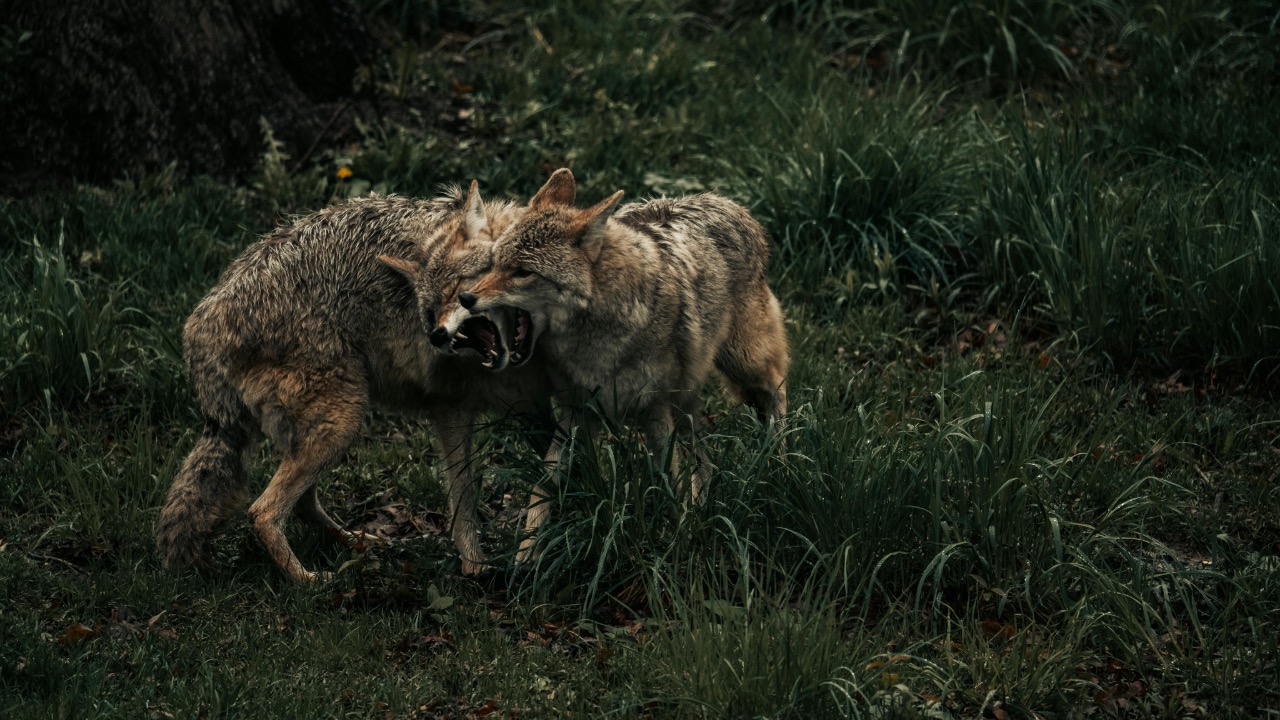
If one animal captures the gap between reputation and reality, it is the coyote. Social media campaigns and conservation groups have described coyotes as the flagship species for all misunderstood and exploited carnivores, and the numbers behind that label are stark. One widely shared reel highlights that more than 500,000 coyotes are killed every year in North America, many through taxpayer funded programs, which is an astonishing figure for a native carnivore that still plays a stabilizing role in many ecosystems.
Other advocates go further, describing coyotes as the most persecuted predator in North America and tying that persecution directly to policy. One campaign focused on the Western Coyote (canis latrans) states that Coyotes are thepoints out that lethal control is often justified with broad claims about safety that do not match the data on actual risks to people. I see that disconnect reflected in local ordinances that authorize open-ended killing, even where conflicts could be reduced through better waste management and pet supervision.
How fear and folklore turned coyotes into villains
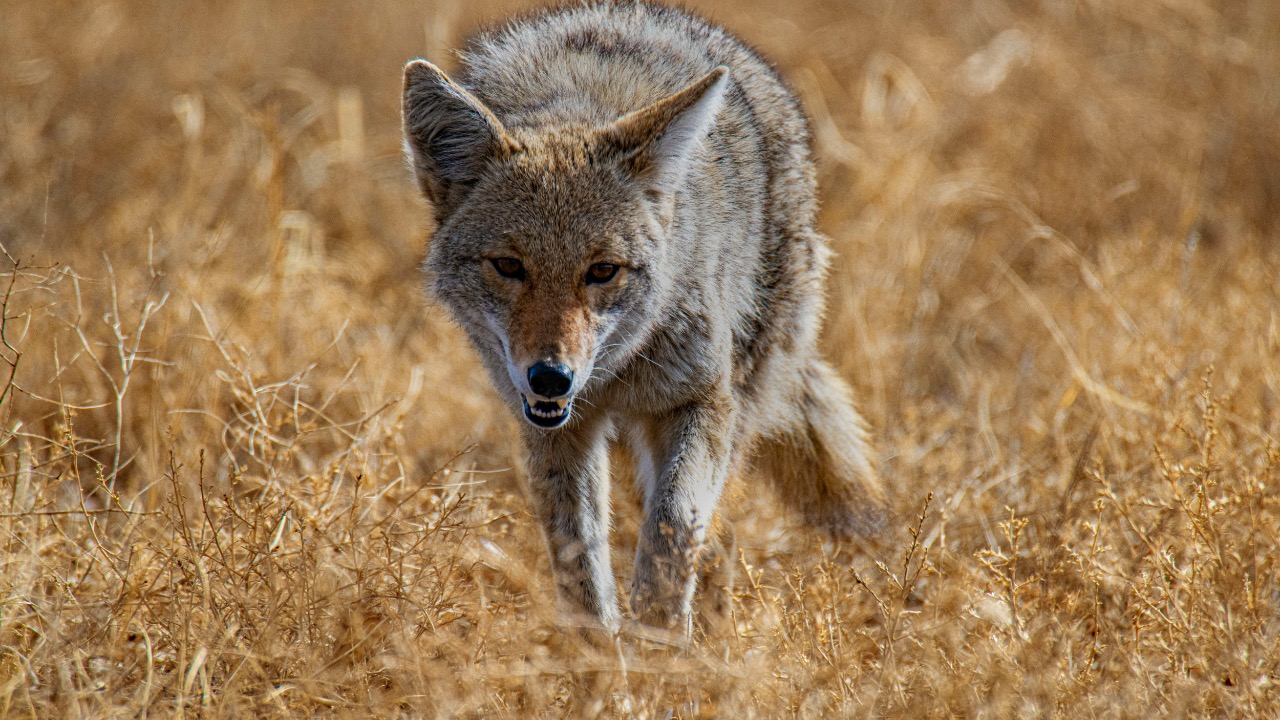
The coyote’s image problem did not appear overnight. As wolves were eradicated from much of the continent, coyotes expanded into new territories and into public consciousness, often filling the role of feared predator in the popular imagination. Youth-focused education pieces describe how fear and misunderstanding have made COYOTE one of North America’s most misunderstood animals, and that framing starts early for many readers who grow up seeing the animal as a problem first and a neighbor second.
Advocacy groups have tried to flip that script. One widely shared post from Aug describes the #coyote is the for all misunderstood and exploited carnivores and invites people to explore other carnivores that share similar fates. I see that kind of messaging as an attempt to replace campfire horror stories with real information about behavior, diet, and the relatively low risk coyotes pose to people who manage food and pets responsibly.
Coyotes as neighbors, not nuisances
In many places, coyotes are now permanent residents of suburbs, small towns, and even major cities. That proximity can fuel conflict, but it also offers a chance for people to see how adaptable and social these animals are. One community post from Jan notes that Coyotes have complex within their packs and are affected greatly by hunting, and it stresses that, contrary to what some people might think, they are not simply solitary wanderers looking for trouble but family oriented animals that respond to persecution in ways that can increase conflict.
Wildlife educators have been trying to bring that nuance to broader audiences. One infographic shared by the Wolf Conservation Center explains that coyotes are one creatures, and it encourages people to learn what to do when they see a coyote rather than panic. I have watched similar programs in city parks where simple steps, such as hazing coyotes that approach too closely and securing trash, dramatically reduce complaints without resorting to lethal control.
Inside the coyote’s ecological job description
Behind the headlines and social media debates, coyotes perform a long list of ecological services. They help regulate rodent populations, clean up carrion, and can even limit the spread of some diseases by keeping mesopredator numbers in check. Project Coyote and allied scientists have documented how coyotes function as Most Persecuted Wild while still providing these benefits, which makes the scale of killing even more striking. When a community removes resident coyotes that know local food sources and avoid people, younger, less experienced animals often move in, and that turnover can increase risky behavior.
Social media posts from parks and protected areas also highlight coyotes as part of healthy landscapes. One post from Jan describes how Coyotes might be and notes their role in places like Rocky Mountain National Park, where they hunt small mammals and scavenge, recycling nutrients and supporting scavenger communities. I see that as a reminder that the same animal some people call a pest in their neighborhood is also a key player in iconic wild settings.
Wolves, fear, and the persistence of old stories
Wolves occupy a different but related place in the public imagination. For many people, the word wolf still conjures sharp teeth and a villain from a storybook, rather than a shy, wide ranging carnivore that avoids people. A viral video from Dec titled Most Misunderstood Animal in America What do you picture when I say the word “wolf?” plays with that contrast, pointing out that many of us picture sharp teeth and a villain, not an animal that usually keeps its distance from humans and rarely attacks without strong provocation such as habituation or food conditioning.
Risk comparisons help put that fear in perspective. One advocacy post from Sep notes that The Center for Disease Control and Prevention reports that on average ten people drowned per day from 2005 to 2014, while Dog attacks, domestic violence, and other everyday dangers kill far more people than wild wolves ever have in North America. When I speak with people who live near wolf country, many are surprised to learn that confirmed wolf attacks on humans are extremely rare compared with other hazards they accept without question.
Fishers and the quiet predators people rarely see
Not every misunderstood predator is large or famous. Fishers, medium sized forest carnivores, are often mistaken for other animals and blamed for problems they did not cause. A post from Dec describes how Fishers are cat sized predators often mistaken for rabbits, squirrels, or ferrets, and it recounts how reintroduced fishers at Mount Rainier National Park in Washington have slowly recolonized suitable habitat, dispersing as their populations stabilize.
Local groups in New England echo that confusion. One discussion from Feb points out that Cats are not indigenous to this area and that what they do to wildlife is not what nature intended, while explaining that fishers are one of the only predators that regularly hunt porcupines and that they are one of the more misunderstood ones. I often hear people blame fishers for cat disappearances, even though outdoor cats themselves kill large numbers of birds and small mammals and face many other risks, from cars to disease.
What oceans’ predators can teach us about fear
Although this story centers on North American land predators, debates about sharks help explain why fear persists even when data say otherwise. Educational campaigns describe tiger sharks as among some of our ocean’s most misunderstood animals, with a reputation they simply do not deserve, and note that Tiger sharks are often labeled as mindless killers despite evidence that they are opportunistic feeders and that most human encounters end without incident. The pattern feels familiar: a few dramatic events define the narrative for an entire species.
Other research into open ocean predators shows that even iconic species like the world’s fastest shark face invisible boundaries and complex movement patterns that rarely intersect with swimmers. One project on shortfin makos and other fast sharks describes how oceans most misunderstood are limited by temperature gradients and prey distributions that act like invisible fences. That kind of detail rarely makes it into popular media, which tends to favor dramatic footage over the quieter reality of animals moving through vast, mostly empty water.
Rewriting the story of North America’s predators
Changing how we see predators starts with acknowledging how much of their reputation rests on stories rather than statistics. Conservation groups argue that coyotes are North America’s Most Persecuted Wild Carnivores and that fear has turned them into targets on a scale that would shock many people if they saw the numbers laid out. One detailed profile of Coyotes North America’s persecution lays out how government programs, contests, and private efforts combine into a relentless campaign against a native species that continues to thrive despite it.
Public outreach can chip away at that legacy. One science feature shared by Tucson media explains how predators, from mountain lions to coyotes, move through desert cities, using washes, golf courses, and greenbelts as corridors, and it shows how people can adapt their behavior instead of defaulting to lethal control, a point that matches reporting from Tucson science coverage of urban wildlife. I see similar shifts happening wherever communities invest in education, clear guidelines, and practical tools, from bear proof trash cans to coyote hazing programs, that let people and predators share space with fewer conflicts.

Leo’s been tracking game and tuning gear since he could stand upright. He’s sharp, driven, and knows how to keep things running when conditions turn.