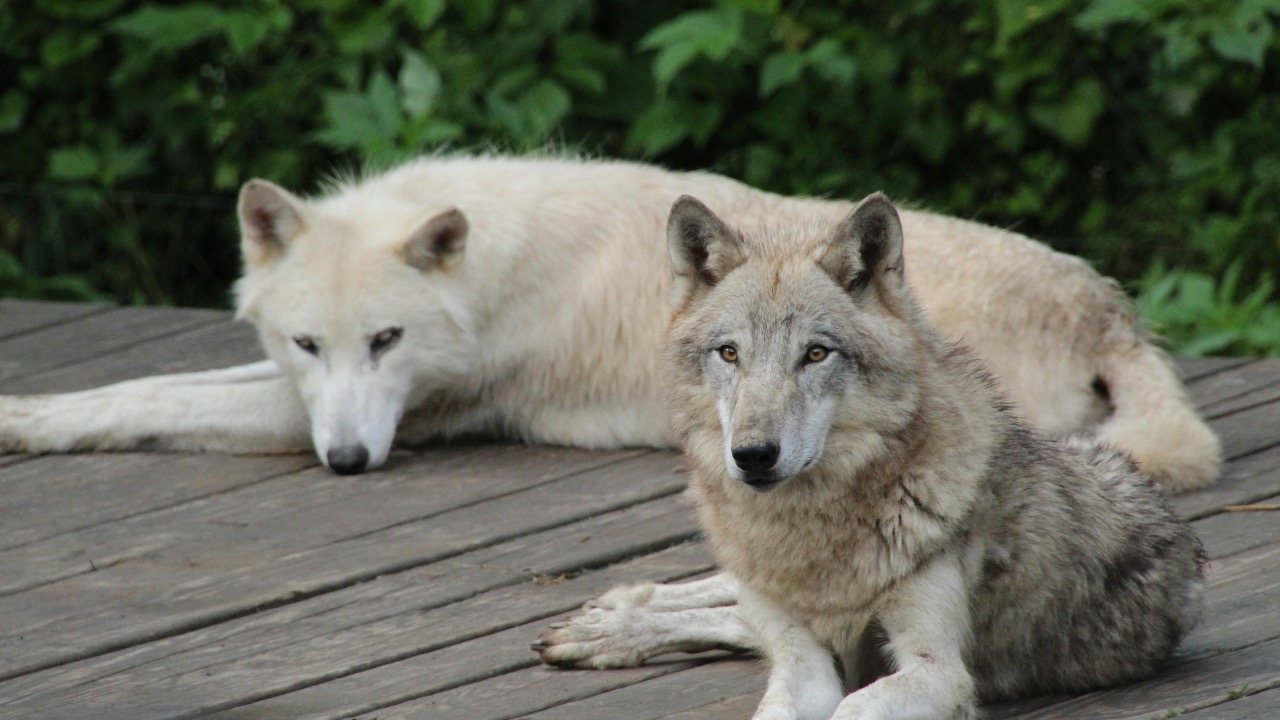
Gray wolves vs. red wolves: the key differences explained
Gray wolves and red wolves are often mentioned in the same breath, yet they occupy very different corners of North America’s story. Both are top predators, both shape the ecosystems around them, and both have become flashpoints in debates over conservation and coexistence. Understanding how they differ in size, behavior, genetics, and legal status is not just a matter of trivia, it helps explain why one is widespread while the other is on the brink.
This article walks through those differences in a clear, side by side way, from scientific names and origin stories to howl patterns and habitat. By the end, the contrast between gray wolves and red wolves is sharp enough that the stakes around protecting each species, and the choices facing land managers and communities, come into much sharper focus.
Two wolf species, two scientific lineages
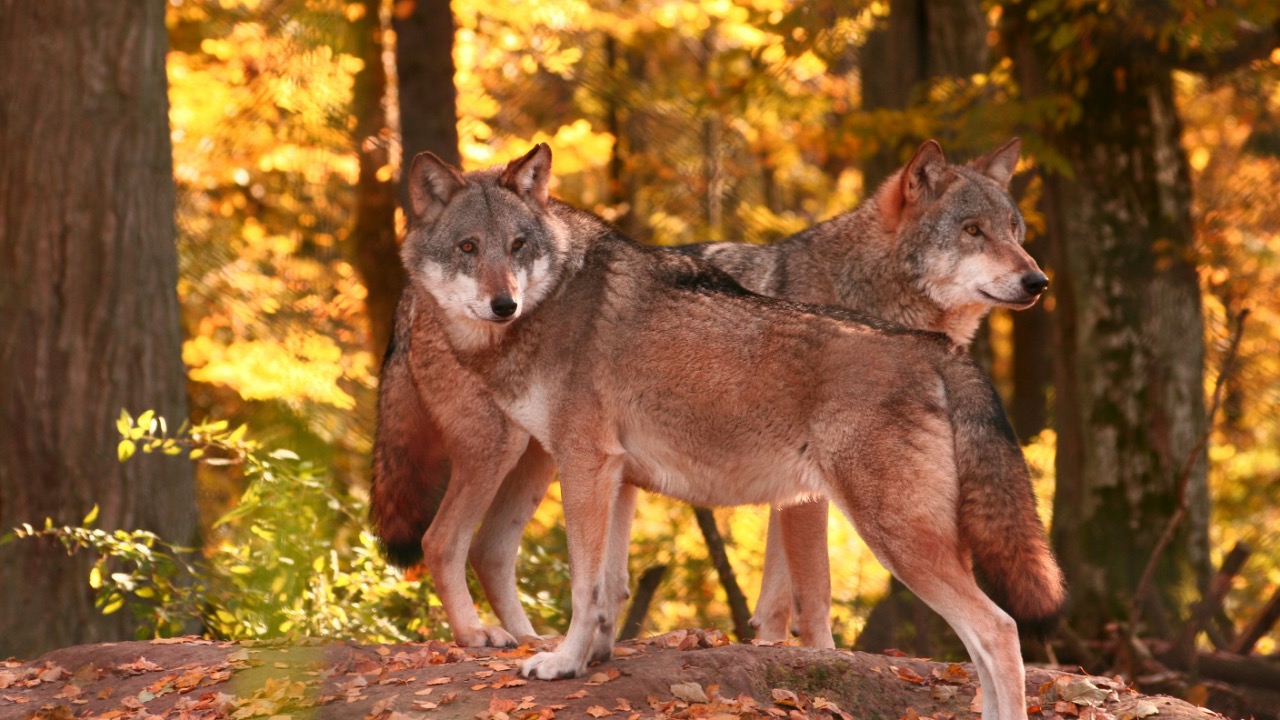
At the most basic level, gray wolves and red wolves are classified as separate species with different scientific names and evolutionary roots. The gray wolf is widely known as the Gray Wolf, with the scientific label Scientific name (Canis. The red wolf, by contrast, is identified as Canis rufus, and is described as one of two species of wolves in North America. That pairing, Canis lupus and Canis rufus, frames much of the scientific debate around how each evolved and how they relate to coyotes and domestic dogs.
Recent work on North American canids has tried to sort out how many wolf types existed before European colonization and how they are related. One analysis describes a gray wolf, listed as Canis lupus, as part of an Old World lineage that spread widely, while red wolves and related animals occupied the southeastern United States. The conventional view holds that gray wolves, red wolves, and coyotes all came from a common ancestor, but they split into distinct forms that filled different ecological roles, with Gray wolves adapting to colder northern regions and red wolves to warmer, more forested terrain.
Size and build: the “in between” wolf
Physically, gray wolves are the larger, more imposing species, while red wolves sit between gray wolves and coyotes in size. One summary of wolf biology notes that there are three species and close to 40 subspecies of wolf, with gray wolves occupying the top end of the size range and sometimes weighing more than 36 kilograms. By comparison, red wolves are repeatedly described as intermediate in size, larger than coyotes but smaller than gray wolves, which is why people sometimes mistake them for either one depending on the lighting and distance.
That middle ground shows up in more than one source. One description stresses that red wolves are larger than coyotesyet still clearly smaller and more slender than gray wolves, with longer legs and a lighter frame. Another conservation group phrases it as Generally smaller than and a bit larger than coyotes, which matches field reports from biologists who see all three on the same landscape. In side by side photos, gray wolves usually look heavier through the chest and neck, while red wolves appear leaner, with a narrower torso and a more athletic build suited to moving through dense brush.
Coat color, facial features, and that signature howl
Color and facial shape are often the quickest way to tell a gray wolf from a red wolf in the field. Gray wolves show a wide range of coat colors, from nearly white to black, but many populations have a mix of gray, brown, and cream that gives them their common name. Red wolves, by contrast, are described as having a distinct reddish tinge on their ears, head, and legs, with darker fur along the back and tail. The Physical Description of the species emphasizes those rusty highlights, along with large, rounded ears and a thinner body that looks more coyote like at a distance.
Head shape and voice add more clues. One detailed wolf FAQ notes that Red wolves have pointier facial features than gray wolves, with a narrower muzzle and more angular cheeks, which can be seen even in trail camera images. The same source explains that red wolf howls are higher in pitch and more screechy than those of gray wolves, which tend to be deeper and more resonant. For anyone who has listened to recordings, gray wolf howls carry a long, rolling tone, while red wolf calls rise and crack slightly, more like a blend between a coyote yip and a wolf howl, a distinction that field researchers rely on when surveying at night.
Where each wolf lives and hunts
Geography is another clear dividing line between gray wolves and red wolves. Gray wolves, under the name The Graywolf, are described as the most widespread and diverse of the wolf species, with a range that historically covered most of the Northern Hemisphere and, in North America, stretched from the Arctic to parts of the lower 48 states. They are highly adaptable, occupying tundra, boreal forest, mountains, and even some grasslands, and their many subspecies, counted as close to There are 40, reflect that variety. Packs of gray wolves often focus on large prey such as elk, moose, and caribou, although they will take smaller animals when necessary.
Red wolves historically occupied a very different slice of the continent. One overview of pre colonization canids describes a southeastern lineage of wolves and wolf like animals occupying the southeast, extending into what is now the coastal plain and wetlands. Modern red wolves are now found only in a small reintroduced population in North Carolina, where they move through forests, swamps, and agricultural edges. Their prey tends to be smaller than the hoofed giants gray wolves pursue, including white tailed deer, raccoons, and rodents, which fits their lighter build and more secretive behavior in thick cover.
Social life, packs, and behavior
Social structure is one place where gray wolves and red wolves look surprisingly similar, even as their environments differ. Gray wolves are famous for their pack life, and one overview of Three Primary Wolf emphasizes their complex social structures and remarkable adaptability. Packs are usually built around a breeding pair and their offspring from several years, with clear hierarchies, cooperative hunting, and shared pup rearing. That social flexibility helps gray wolves adjust to different prey and human pressures, shifting pack size and territory as conditions change.
Red wolves, while less studied in the wild due to their tiny numbers, show many of the same traits. They form family based packs, with a dominant breeding pair and helpers that assist with raising pups and defending territory. One children’s educational video about wolves, framed through the story of Little Red Riding, uses that fairy tale hook to explain how real wolves live in groups and communicate through body language and sound, a pattern that applies to both gray and red wolves. Field observations from the red wolf recovery area in North Carolina describe smaller packs than in some gray wolf regions, often just a pair and a few offspring, which likely reflects the limited space and prey base available to a species that has been squeezed into a narrow coastal refuge.
Endangered status and the law
If size and color separate gray wolves and red wolves at a glance, conservation status separates them in law and policy. The red wolf is routinely described as Red Wolf, the world’s most endangered canid, with one summary stating that Only16 are known in the wild at one point. Another account describes how it is Now the most endangered canid in the world and one of the rarest mammals, after intensive predator control programs and habitat loss nearly wiped it out in the United States. In response, the US Fish and Wildlife Service (USFWS) captured the last remaining wild red wolves, started a captive breeding program, and later reintroduced them to North Carolina under federal protection.
Gray wolves, by comparison, occupy a more complicated legal position because some populations have rebounded while others remain at risk. A detailed analysis of Mexican gray wolves and red wolves explains that both are recognized as unique and that Federal law thus requires both to be protected under the Endangered Species Act. That legal framework shapes everything from how many wolves can be killed to where they can be released, and it has become a flashpoint for ranchers, hunters, and conservationists who disagree over how many wolves the landscape can support and what level of livestock loss is acceptable.
Reintroduction stories: Yellowstone and beyond
Reintroduction projects highlight how differently gray wolves and red wolves have fared when people try to bring them back. The gray wolf’s most famous comeback story centers on Yellowstone National Park, where wolves were released in the 1990s and quickly reshaped elk behavior and vegetation patterns. A detailed account of red wolf recovery points out that the red wolf reintroduction in 1987 actually Yellowstone effort, and that lessons learned from capturing, breeding, and releasing red wolves were used to help the Yellowstone project succeed. Techniques such as holding wolves in acclimation pens, monitoring them by radio collar, and managing social groups were refined first with red wolves in coastal North Carolina.
The red wolf story, however, has been far more fragile. The same red wolf account explains that Red wolves fill a different ecological niche than gray wolves, targeting smaller prey and living in lowland habitats that are heavily used by people. Hybridization with coyotes, vehicle strikes, and illegal shootings have kept numbers low despite decades of work. By contrast, gray wolves in places like Yellowstone and parts of the northern Rockies have been able to expand and, in some regions, even move from full protection toward more flexible management, which has sparked new political fights but also shows how a large carnivore can rebound when enough habitat and prey remain.
How to tell them apart in the field
For people who live or travel in wolf country, the practical question is how to know whether they are looking at a gray wolf, a red wolf, or a coyote. Size, as already noted, is one clue, with red wolves intermediate in size between the smaller coyote and the larger gray wolf. Coat color and body shape add more detail, with red wolves showing that reddish tinge on the ears and legs, a thinner body, and a narrower muzzle, as described in the Red wolf profile. Gray wolves typically carry a heavier chest and broader head, and in northern populations they often have thicker, shaggier fur.
Behavior and sound round out the picture. The wolf FAQ that describes Red wolves’ pointier facial features also notes their higher pitched, more screechy howls, which differ from the deep, rolling calls of gray wolves. Educational materials that introduce children to wolves using stories like Wolves for Kids often highlight how wolves use their voices and body language to communicate, a skill that helps both species coordinate hunts and maintain social bonds. In practice, though, the best way to identify a wolf is rarely a single trait, it is a combination of size, color, head shape, tail position, and context, including where you are on the map and which species is actually present in that region.
Why the differences matter for people and ecosystems
All of these contrasts, from scientific names to howl patterns, feed into a larger question about how people choose to live with gray wolves and red wolves. Gray wolves, under the name Gray Wolf, are often held up as symbols of wilderness and ecological balance, especially after the Yellowstone reintroduction showed how their return could change elk behavior and help vegetation recover. Red wolves, by contrast, are framed as a uniquely American predator on the edge of extinction, a species that once roamed the Southeast and now survives only through intensive management. One advocacy group reminds readers that red wolves are Generally smaller than and a bit larger than coyotes, and that this distinct, in between predator is still worth fighting for.

Leo’s been tracking game and tuning gear since he could stand upright. He’s sharp, driven, and knows how to keep things running when conditions turn.