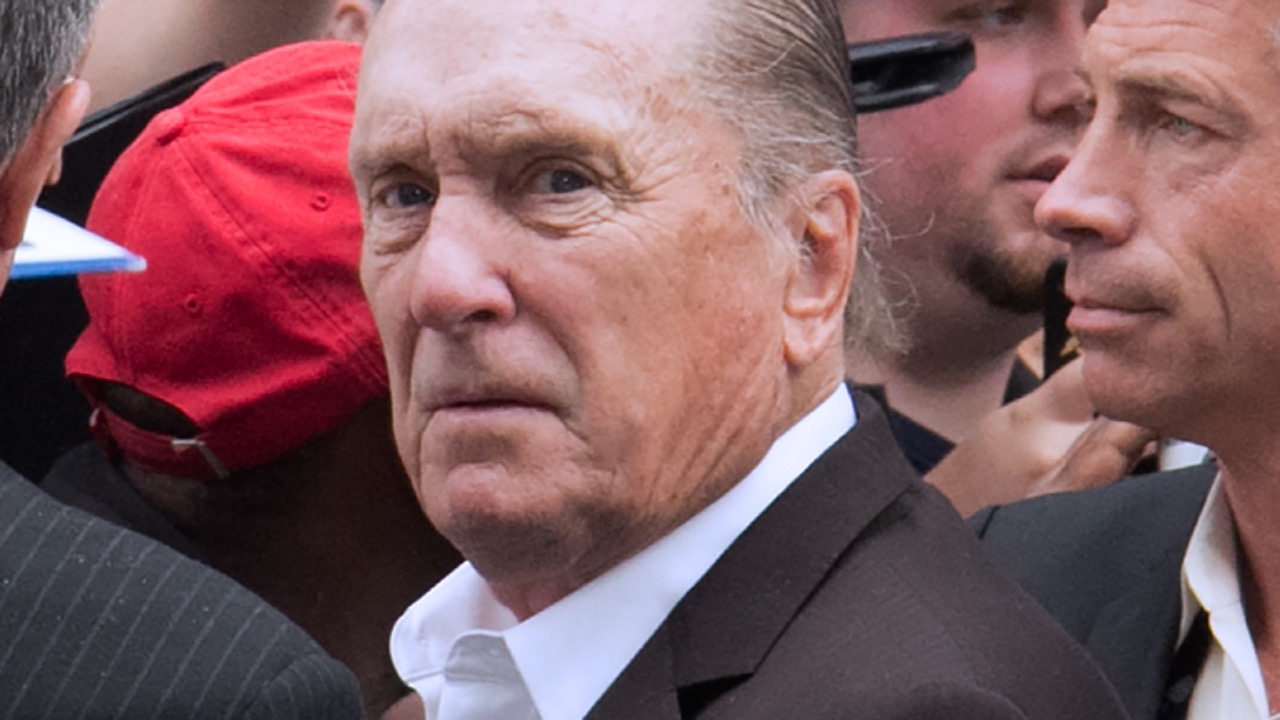
10 standout Robert Duvall performances from his long career
When you think about staying power in Hollywood, you don’t have to look much further than Robert Duvall. The man has been working steadily since the early 1960s, and he’s never relied on flash to get your attention. What he does instead is settle into a role so completely that you forget you’re watching an actor. He disappears into ranchers, preachers, soldiers, and crime bosses with the same steady confidence.
You could easily rattle off his most famous performances, but some of his strongest work lives a little off the beaten path. These are the roles where he stretches, surprises you, or carries a film in ways that don’t always get the spotlight they deserve.
The Apostle (1997)
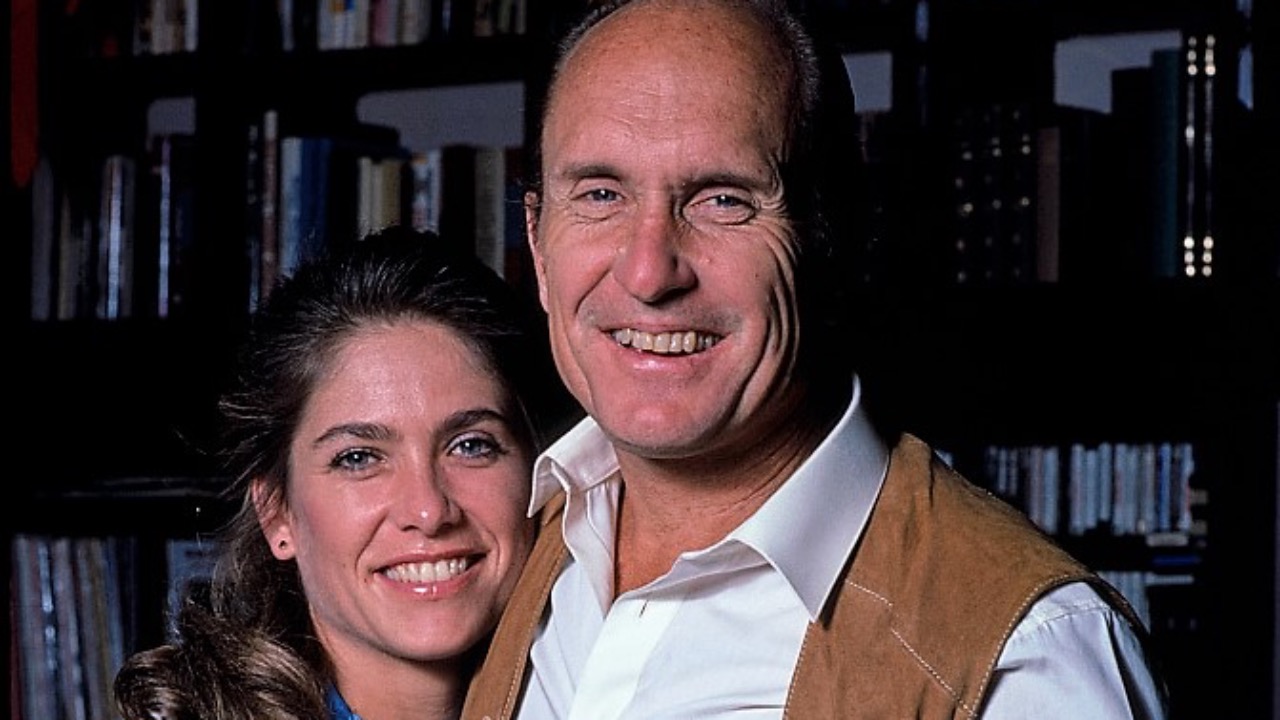
In The Apostle, Duvall doesn’t only star as Sonny Dewey, he writes and directs the film as well. You watch him play a Pentecostal preacher on the run, a man full of conviction and contradiction. He’s charismatic one minute, volatile the next. There’s nothing polished about the performance, and that’s what makes it work.
You feel the sweat, the doubt, and the fire in every sermon. Duvall avoids caricature and instead gives you a complicated believer trying to outrun his past. It earned him an Academy Award nomination, and for good reason. It’s one of the rare cases where total creative control results in something raw and deeply human.
Tender Mercies (1983)
In Tender Mercies, Duvall plays washed-up country singer Mac Sledge, and he does it with restraint. There’s no grandstanding here. He speaks softly, moves carefully, and lets long silences carry the weight of regret.
You watch a man trying to rebuild himself after alcoholism and professional collapse. Duvall’s performance earned him an Academy Award for Best Actor, and it’s easy to see why. He makes redemption feel earned, not handed out. When he sings in the film, you believe he’s lived every lyric. It’s one of the most grounded portrayals of personal recovery ever put on screen.
The Great Santini (1979)
In The Great Santini, Duvall plays Marine pilot Bull Meechum, a domineering father who runs his household like a military unit. He’s loud, proud, and deeply flawed. The performance could have easily slipped into parody, but Duvall keeps it painfully real.
You see a man who loves his family but doesn’t know how to show it without control and pressure. The tension between strength and vulnerability drives the film. Duvall earned an Oscar nomination for the role, and watching it now, you can see how ahead of its time it was in exploring masculinity and family strain.
Colors (1988)
In Colors, Duvall plays veteran LAPD officer Bob Hodges, paired with a younger cop navigating gang territory in Los Angeles. Duvall brings experience and weariness to the role without ever making Hodges feel tired.
You get the sense he’s seen it all, and that perspective shapes every decision he makes. He isn’t flashy or loud. He lets the younger characters burn hot while he plays the steady presence. The performance gives the film credibility, grounding the violence and tension in something that feels lived-in rather than exaggerated.
Open Range (2003)
In Open Range, Duvall plays Boss Spearman, a cattleman trying to live quietly in a lawless land. Acting opposite Kevin Costner, he anchors the film with calm authority.
You believe he’s spent decades on horseback. His physicality, his voice, even the way he handles a rifle all feel authentic. When the inevitable showdown comes, his controlled performance makes the violence hit harder. It’s a late-career reminder that Duvall understands the Western better than most, and he can still command the screen without raising his voice.
Get Low (2009)
In Get Low, Duvall plays Felix Bush, a Tennessee recluse who wants to host his own funeral while he’s still alive. It’s an unusual premise, but Duvall treats it with complete sincerity.
You watch him peel back layers of guilt and isolation slowly, never forcing the emotion. He gives Bush a stubborn exterior that gradually cracks, revealing regret and longing underneath. The performance earned him a Golden Globe nomination and stands as one of his finest later-career roles. It’s quiet, deliberate work that rewards patience.
A Civil Action (1998)
In A Civil Action, Duvall plays defense attorney Jerome Facher opposite John Travolta. Instead of turning Facher into a villain, Duvall makes him sharp, dry, and fully convinced he’s right.
You get a masterclass in understatement. He doesn’t shout or pound the table. He lets a raised eyebrow or a half-smile do the work. Duvall earned an Oscar nomination for Best Supporting Actor here, and it’s one of those performances that sneaks up on you. By the end, you realize he’s been controlling the room the entire time.
The Judge (2014)
In The Judge, Duvall plays Judge Joseph Palmer, a stubborn small-town jurist facing both legal trouble and failing health. Acting alongside Robert Downey Jr., he refuses to be overshadowed.
You see pride, regret, and vulnerability fighting for space in every scene. Duvall earned another Academy Award nomination for the role, and it’s easy to understand why. He portrays aging not as weakness, but as a complicated reckoning. The tension between father and son feels earned, not manufactured.
Secondhand Lions (2003)
In Secondhand Lions, Duvall teams up with Michael Caine as eccentric uncles with mysterious pasts. The film could have drifted into sentimentality, but Duvall keeps his character grounded.
You believe there’s real history behind every tall tale. He balances toughness with warmth, especially in scenes with the young lead. It’s a reminder that Duvall can handle lighter material without losing credibility. He never winks at the audience. He plays it straight, and that sincerity carries the story.
Network (1976)
In Network, Duvall plays television executive Frank Hackett, a man chasing ratings at any cost. Surrounded by powerhouse performances, he holds his own with controlled intensity.
You watch ambition slowly crowd out conscience. Duvall doesn’t overplay it. He lets corporate ambition feel chillingly normal. In a film filled with big speeches and dramatic moments, his performance works because it feels plausible. He represents a type of executive you recognize immediately, which makes the satire land even harder.
After decades on screen, Duvall’s strength remains consistency. He doesn’t chase trends. He doesn’t overreach. You get the sense he approaches every role the same way: understand the man, strip away the excess, and let the truth of the character carry the scene. That steady approach is why his career still stands tall.

Asher was raised in the woods and on the water, and it shows. He’s logged more hours behind a rifle and under a heavy pack than most men twice his age.