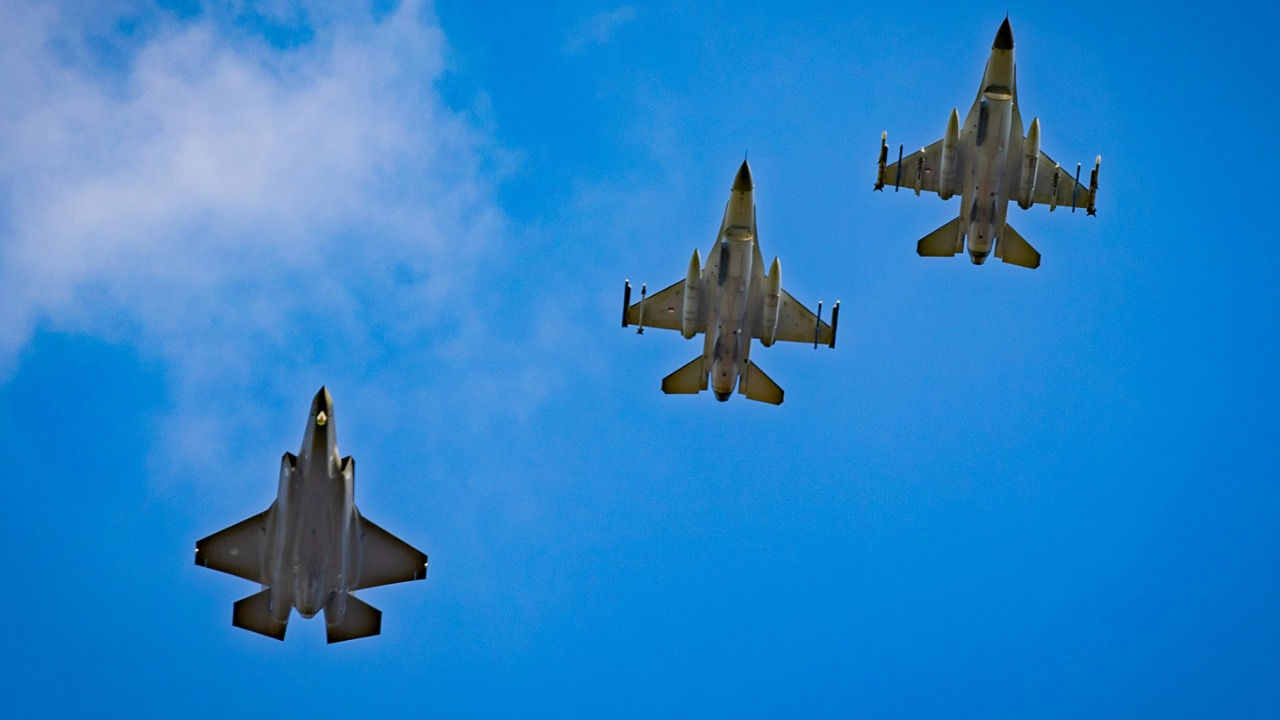
F-16s launched to intercept unidentified aircraft in restricted airspace
When you hear that F-16s were scrambled to intercept an unidentified aircraft, it sounds dramatic. In reality, it’s a procedure that plays out more often than most people realize. Restricted airspace exists for a reason—national security, presidential movements, military training, or major public events. When something wanders in without clearance, the response is swift and structured.
You don’t send a memo. You send fighters. The U.S. Air Force maintains alert aircraft specifically for these moments, and the response timeline is measured in minutes, not hours. Here’s what’s actually happening when those F-16s light the burners and climb toward an unknown radar contact.
The Role of NORAD
When restricted airspace is breached over the United States or Canada, the first military organization in the loop is North American Aerospace Defense Command. NORAD monitors radar tracks across the continent 24/7, sorting routine civilian traffic from potential threats.
You might assume intercepts are rare, but NORAD regularly responds to aircraft that stray into Temporary Flight Restriction zones. Most incidents involve general aviation pilots who missed a NOTAM. Even so, every unknown track gets evaluated seriously. Radar operators, identification technicians, and command staff quickly decide whether fighters need to launch.
Why the F-16 Gets the Call
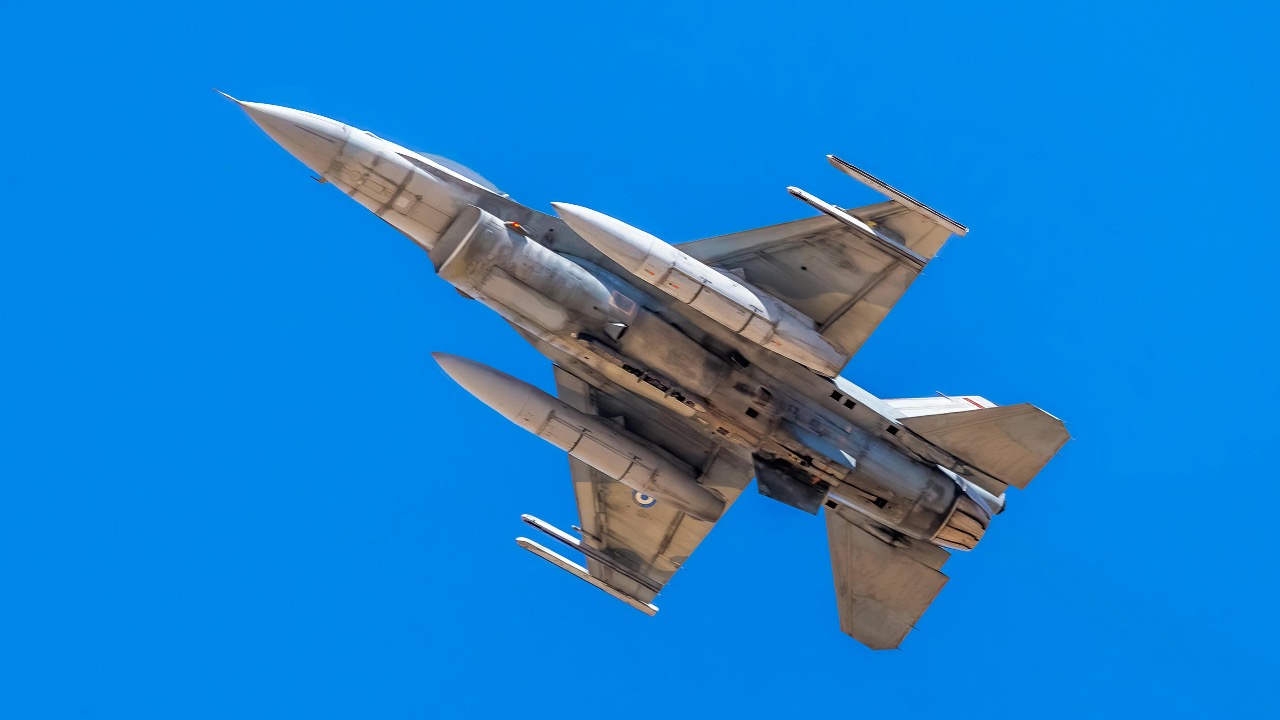
The aircraft most often tasked with these missions is the F-16 Fighting Falcon. It’s fast, agile, and stationed at multiple alert bases across the country. When the scramble order comes, pilots can be airborne within minutes.
The F-16’s speed allows it to cover hundreds of miles quickly. More importantly, it can safely maneuver alongside small civilian aircraft without overwhelming them. For intercept missions, you don’t need stealth or heavy strike capability. You need visibility, responsiveness, and control. The F-16 checks those boxes.
Temporary Flight Restrictions Explained
Most intercepts happen because of a Temporary Flight Restriction, commonly called a TFR. These are issued for presidential travel, disaster zones, space launches, and major sporting events. When the President is traveling, for example, a layered no-fly zone forms around the area.
If you fly into that zone without clearance, you trigger alarms. During presidential movements, especially under administrations like Joe Biden, TFRs are frequent and wide-ranging. Pilots are expected to check notices before departure. When they don’t, fighters may appear off their wingtip in short order.
What an Intercept Actually Looks Like
An intercept isn’t a dogfight. It’s controlled and highly scripted. Once alongside the unidentified aircraft, the fighter pilot establishes visual contact and attempts communication. Standard visual signals—rocking wings, flares in certain cases, and positioning—are used if radio contact fails.
You, as the intercepted pilot, are expected to follow instructions immediately. That may mean changing heading, altitude, or landing at a designated airport. These encounters are tense but rarely hostile. The goal is identification and compliance, not escalation.
The Civil Penalties Are Real
If you wander into restricted airspace, the consequences go beyond embarrassment. The Federal Aviation Administrationcan suspend or revoke your pilot certificate. Civil penalties can also apply, depending on the severity of the violation.
In some cases, especially repeated or reckless violations, investigations involve federal law enforcement. Even if the intrusion was accidental, you’ll likely face questioning. The intercept itself is only the beginning. The paperwork and legal aftermath can follow you for years.
Alert Bases and Rapid Launch
Across the country, certain Air National Guard units sit on alert status. Pilots and ground crews remain ready around the clock. When the scramble order sounds, they move with practiced efficiency. Engines spool up quickly, and within minutes the fighters are airborne.
You may never see this process, but it’s constant. Bases supporting NORAD’s air defense mission treat every unknown track seriously until identified. The rapid launch capability isn’t symbolic. It’s a standing requirement tied to homeland defense, and it’s exercised routinely to keep response times sharp.
Most “Unidentified” Aircraft Aren’t Threats
The word “unidentified” sounds ominous, but in most cases it means the aircraft hasn’t yet been positively matched to a flight plan or transponder code. Often, it’s a small private aircraft with a communication lapse or navigation mistake.
You’re not looking at a spy plane. You’re usually looking at a pilot who missed a notice or dialed the wrong frequency. Still, from a defense standpoint, every unknown must be treated as potentially serious until proven otherwise. That cautious posture is why fighters launch first and ask questions in the air.
Why These Intercepts Matter
It’s easy to dismiss these events as overreactions, especially when they involve civilian pilots. But restricted airspace exists because certain locations and events carry elevated security risks. Rapid identification protects people on the ground and ensures national leadership remains secure.
When you see headlines about F-16s scrambling, understand that it’s part of a layered system built after decades of evolving air defense doctrine. The aircraft launching into the sky are the visible piece of a much larger network. And when restricted airspace is crossed, that network moves quickly.

Asher was raised in the woods and on the water, and it shows. He’s logged more hours behind a rifle and under a heavy pack than most men twice his age.