Why ultra-durable pistols aren’t always the easiest to live with
Ultra-durable pistols promise a kind of mechanical immortality: thick steel, overbuilt parts, and designs that shrug off abuse and high round counts. Yet the same traits that make a handgun nearly bombproof can also make it harder to carry, shoot, and maintain in ordinary civilian life. The tradeoffs between ruggedness, comfort, and practical performance are far more complicated than a spec sheet suggests.
For most owners, the question is not whether a pistol could survive a decade of hard duty in a sandstorm, but whether it can be carried all day, shot accurately under stress, and kept running with realistic levels of care. That is where ultra-durable designs often collide with real-world constraints like weight, ergonomics, and the limits of human hands and holsters.
When “built like a tank” becomes a burden
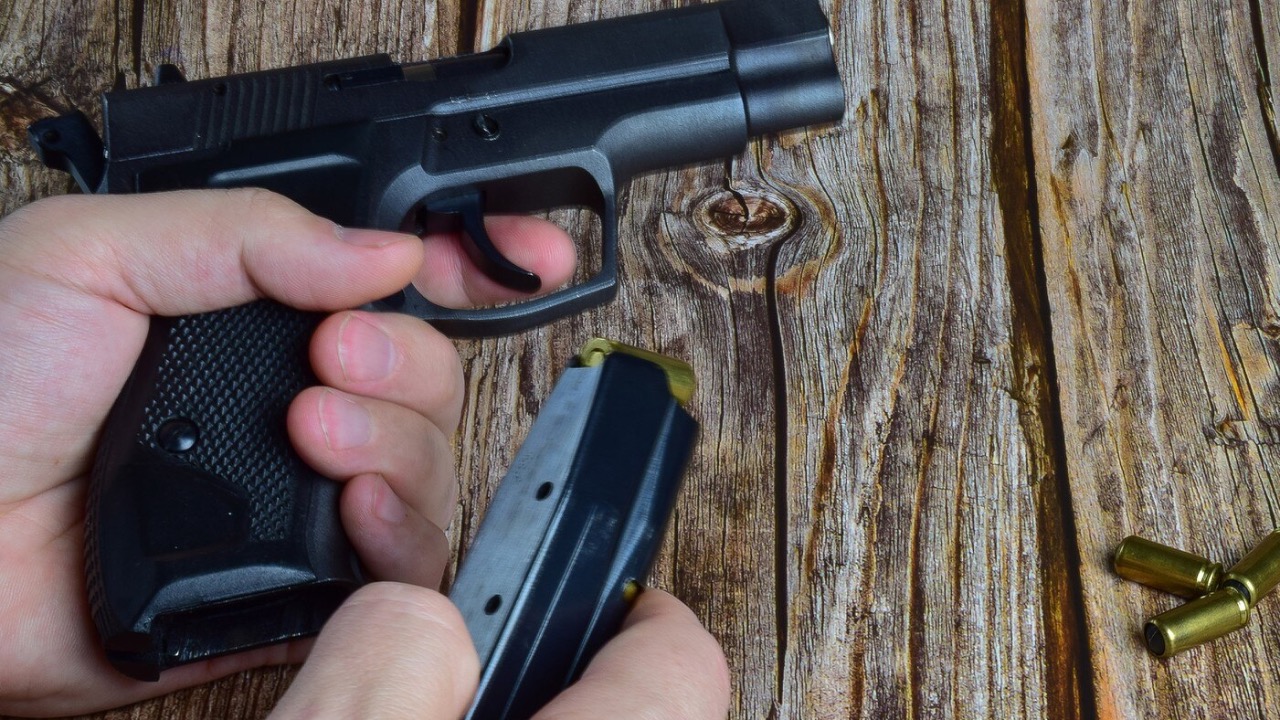
Many of the most durable handguns are simply big, heavy machines. Extra steel in the slide and frame, large barrels, and reinforced components add mass that helps them digest high-pressure loads and long firing schedules. The same bulk that protects the gun can punish the person carrying it. One discussion of revolvers, for example, describes them as “bulky, heavy, low ammo capacity” and notes how their size and weight quickly become a liability when they must be concealed or worn for long periods, even though that mass can enhance toughness in a duty role for Jan and other users who value simplicity and longevity over convenience in the field, as seen in bulky, heavy, low.
Weight also magnifies the demands on support gear and clothing. Carriers who choose full-size, all-metal pistols often discover that a flimsy belt or budget holster is not enough to keep the gun stable. In one exchange on carry gun weight, shooters point out that heavier pistols require a much higher quality gunbelt and holster, and that Even a shoulder rig will sag with a 2 pound handgun, which turns a theoretically durable choice into a daily comfort problem that affects whether the gun is actually on the body when needed, a point highlighted in Even a shoulder.
Durability versus concealment and carry comfort
Rugged pistols are often optimized for duty holsters and open carry, not for disappearing under a T-shirt. Larger frames, longer barrels, and thick slides that enhance durability also print more under clothing and poke into ribs, hips, or thighs. Guidance on concealing a full-size handgun describes “The Challenges of Concealing” a Larger Gun and emphasizes that balancing Size, Weight, and Everyday Comfort is the primary hurdle, even when specialized holsters and techniques make it entirely feasible to keep a big pistol hidden for those who are willing to adapt their wardrobe and gear, as explained in Challenges of Concealing.
Some experienced carriers argue that the tradeoff is not worth it for most people. One detailed perspective on handgun size contends that Benef its of drastically downsizing the handguns they carry are significant for the vast majority of users, suggesting that a smaller pistol in 9 mm or even 25acp or 32acp can deliver essentially identical defensive performance at 7 yards or less while being much easier to conceal and live with every day, which directly challenges the assumption that more mass and more metal always equal a better personal-defense choice, as laid out in Benef its of.
Trigger pulls, ergonomics, and the human factor
Ultra-durable pistols are often engineered around reliability in adverse conditions, not around the easiest possible trigger or the most forgiving grip. That can make them harder to shoot well, especially for new or smaller-handed users. A detailed look at small defensive revolvers notes that with its long, double-action trigger stroke, the double-action concealed-carry revolver is probably the most difficult handgun to master, and that effective use demands consistent practice with that heavy pull, which can be a serious barrier for those who do not train on a regular basis with a revolver on a regular basis, as described in With its long.
Ergonomics tell a similar story. The CZ Vz 38 is cited as the most uncomfortable gun the author has ever fired, with the report explaining that the grip angle and trigger reach are so poor that the pistol twists in the hand, cuts into the shooter’s finger, and quickly becomes painful to use, even though Modern CZ handguns are the opposite and show how thoughtful design can transform shootability, as detailed in CZ Vz 38. That contrast underlines a core problem with some ultra-rugged designs: they may survive anything, but if the grip profile or trigger geometry punishes the shooter, the practical accuracy and confidence that matter most in a crisis suffer badly.
High-end builds, maintenance, and “mil-spec” overkill
Custom and high-end pistols often promise both extreme durability and match-grade precision, but they introduce their own complications. In-depth discussion of premium 1911s points out that Anyone familiar with the 1911 platform has encountered a poor fit such as a barrel bushing that wiggles in the slide or around the barrel, and that high-end makers chase tighter tolerances to avoid that slop, yet those same tight fits can require more careful lubrication and cleaning, and may be harder or more expensive to replace if something goes wrong, as explored in Anyone familiar with.
The maintenance burden is not limited to custom guns. Everyday carry pistols of any kind live close to the body and are constantly exposed to sweat, dust, and lint. One detailed discussion of long-term carry stresses that Moisture (rust) is probably the single biggest risk if a pistol is carried every day for years on end, and notes that Police departments and militaries deal with this through strict maintenance routines and regular armorer inspections, while civilian owners rarely match that level of discipline, which means that a finish or metal treatment chosen purely for durability on paper may still fail without realistic cleaning and lubrication habits, as highlighted under Moisture (rust).
When durability outstrips real-world needs
Some pistols and related gear are built to “mil-spec” standards that assume combat deployments, extreme weather, and staggering round counts. That level of resilience has obvious appeal, but one detailed comparison of military-grade and civilian-grade equipment concludes that For civilians, this level of durability might be overkill, especially if you are not planning on putting your gear through the same abuse, and warns that ultra-rugged builds can be bulkier and less convenient for everyday carry, which means the owner is more likely to leave the gun at home or in a bag instead of on the belt, as described in For civilians, this.
Even in specialized shooting disciplines, the balance between ruggedness and practicality is delicate. A detailed explanation of competition pistols compares them to an F1 car and notes that Think of them as an F1 car; they are great for exactly what they are built for in controlled environments, but Once outside of those conditions, the very light triggers, tuned springs, and tight tolerances that deliver tiny groups can make them less tolerant of dirt, rough handling, or improvised maintenance, which is why they are rarely recommended as primary defensive tools despite their mechanical excellence, as framed in Think of.

Leo’s been tracking game and tuning gear since he could stand upright. He’s sharp, driven, and knows how to keep things running when conditions turn.