Rifles that are too finicky for real hunting
Real hunting doesn’t happen on a clean bench with perfect light and a torque wrench handy. You’re dealing with cold mornings, dust, snow, brush, and awkward shooting positions. A hunting rifle has to keep working when conditions aren’t polite. Some rifles, though, demand constant attention, perfect ammo, and ideal setups to behave. They may shoot well on paper, but once you carry them into real country, the cracks show fast. These are rifles that ask too much from the hunter and not enough from themselves. If a rifle needs babying to stay accurate or functional, it’s not built for real days in the field.
Christensen Arms Mesa
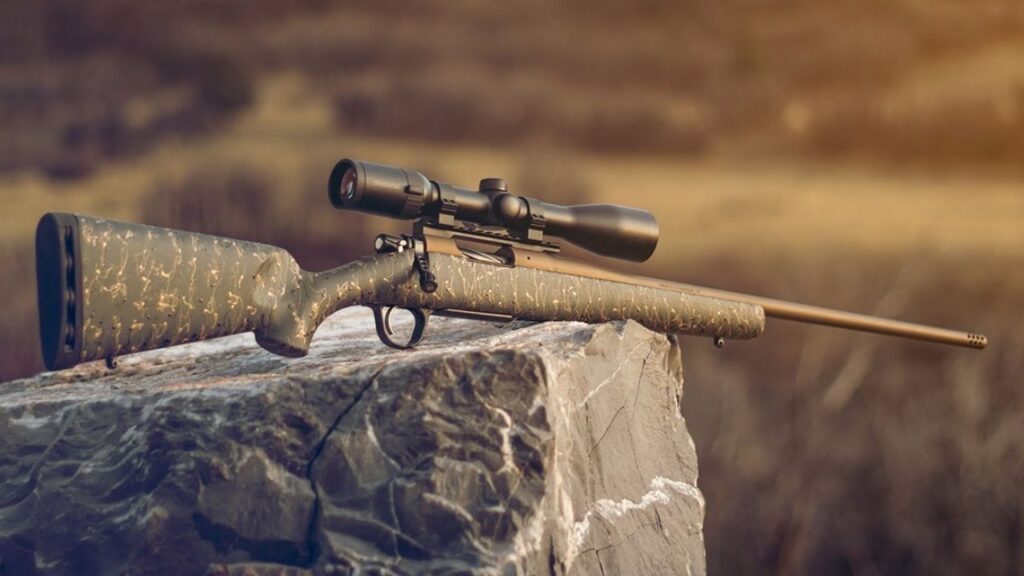
Christensen Arms Mesa rifles are light and accurate when everything lines up, but consistency is hit or miss. Carbon barrels don’t always behave well with temperature swings, especially during slow, cold hunts.
Some shoot great with one load and scatter shots with another. That makes ammo selection stressful instead of reassuring. Bedding issues have shown up often enough to make experienced hunters wary. When a rifle makes you wonder whether the last cold-bore shot will land where expected, it’s demanding more attention than a hunting rifle should.
Savage Axis Precision
The Axis Precision looks ready for the field, but its behavior says otherwise. The action can feel rough, and the chassis doesn’t always play well with field shooting positions.
It often shoots acceptably from a bench but struggles once you’re shooting off packs or uneven ground. Magazine fit and feeding can become distractions when you need quick follow-up shots. A hunting rifle should disappear when you’re behind it. This one reminds you it’s there, especially when conditions aren’t controlled.
Remington 700 SPS Tactical
The SPS Tactical has a reputation tied to its name, not its execution. Factory stocks flex under pressure, which affects accuracy when shooting prone or braced against terrain.
Cold weather makes issues more obvious. The rifle can shift zero depending on how it’s rested, forcing you to manage pressure instead of focusing on the animal. With upgrades, it improves, but needing upgrades defeats the point. In stock form, it’s too sensitive for unpredictable hunting conditions.
Browning X-Bolt Pro
The X-Bolt Pro is light, but that weight savings comes with tradeoffs. Recoil management becomes touchy, and slight changes in form can move impact noticeably.
Barrel heating also plays a role, especially during range confirmation before a hunt. Some rifles show vertical stringing unless everything is perfectly aligned. That kind of behavior is manageable on steel but frustrating in the field. A hunting rifle should forgive imperfect positions, not punish them.
Bergara B-14 HMR
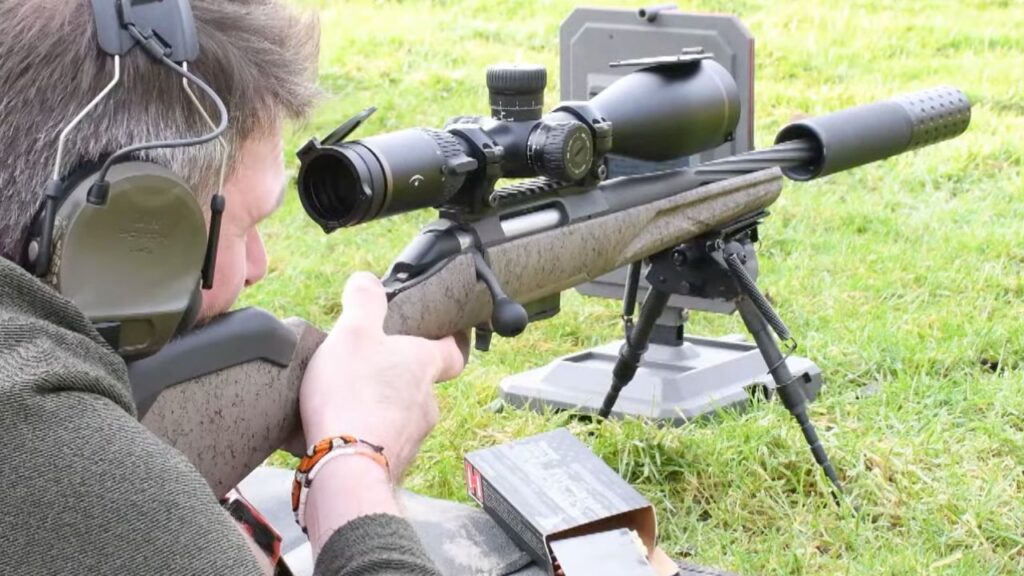
The B-14 HMR is accurate, but it leans more toward precision shooting than hunting practicality. The rifle is heavy, and that weight adds up fast in rough country.
It prefers structured shooting positions and doesn’t always respond well to quick, improvised rests. Dirt and debris can also make the bolt feel sluggish. While reliable overall, it expects more setup time than real hunting often allows. That dependence on ideal positioning makes it less forgiving than a true field rifle.
Tikka T3x CTR
The Tikka T3x CTR has a smooth action, but it can be picky about magazines and ammunition. Feeding issues show up more often in cold or dirty conditions.
Its heavier barrel balances well on a bench but becomes noticeable during long stalks. The rifle performs best when handled deliberately, not hurried. When you’re trying to settle in quickly on uneven ground, the CTR can feel more temperamental than its reputation suggests.
Weatherby Mark V Accumark
The Accumark is accurate, but it demands respect and careful handling. The action is stiff, and recoil management is less forgiving in field positions.
Temperature shifts can affect zero if the rifle hasn’t been properly settled. It’s not unreliable, but it expects ideal form and consistent technique. When you’re shooting uphill, downhill, or from awkward rests, it can punish small mistakes. That sensitivity makes it better suited to controlled shooting than unpredictable hunts.
Seekins Precision Havak
The Havak is built for precision, and it shows. Tight tolerances mean dirt, dust, and cold can affect bolt feel and cycling.
It shoots exceptionally well when clean, but real hunting rarely keeps rifles clean. The weight and balance also favor prone shooting over quick setups. When a rifle performs best only under near-perfect conditions, it starts working against you in real-world hunts where adaptability matters most.
Kimber Montana
The Kimber Montana carries easily, but light weight brings its own problems. Recoil can be sharp, and consistency depends heavily on shooter input.
Some rifles show sensitivity to ammo and torque. Cold-bore shots don’t always match follow-ups. That unpredictability erodes trust quickly. When every shot feels like a test instead of a given, the rifle becomes a mental distraction rather than a tool you rely on without hesitation.
Proof Research Glacier Ti
The Glacier Ti is engineered for precision, but its light build can exaggerate small shooting errors. Recoil and balance require careful technique.
Carbon barrels can behave differently across temperature ranges, especially during slow hunts. The rifle wants clean conditions and controlled shooting. In real hunting scenarios, where you might be breathing hard and shooting fast, it can feel demanding. That level of sensitivity limits its usefulness beyond ideal situations.
Sig Sauer Cross
The Sig Cross promises versatility but shows finicky tendencies in the field. Folding mechanisms and lightweight construction introduce variables you don’t want during a hunt.
Some rifles exhibit inconsistent accuracy depending on position or load. The trigger feel and balance don’t always inspire confidence on quick shots. While portable, it expects careful handling and frequent checks. A hunting rifle should reduce workload, not add to it, and the Cross often does the latter.
Ruger Precision Rifle
The Ruger Precision Rifle can shoot tight groups, but it asks for ideal conditions to do so. Weight is the first problem. Lugging it through hills or timber turns a hunt into a strength test before you ever glass an animal.
In the field, dirt and temperature swings expose its sensitivity. Small changes in torque, bipod pressure, or position can shift point of impact. You end up thinking about setup instead of the shot. It’s better suited to controlled environments than uneven ground where you need fast confidence without second-guessing the rifle.

Asher was raised in the woods and on the water, and it shows. He’s logged more hours behind a rifle and under a heavy pack than most men twice his age.