Why Expensive Optics Don’t Fix Inconsistent Fundamentals
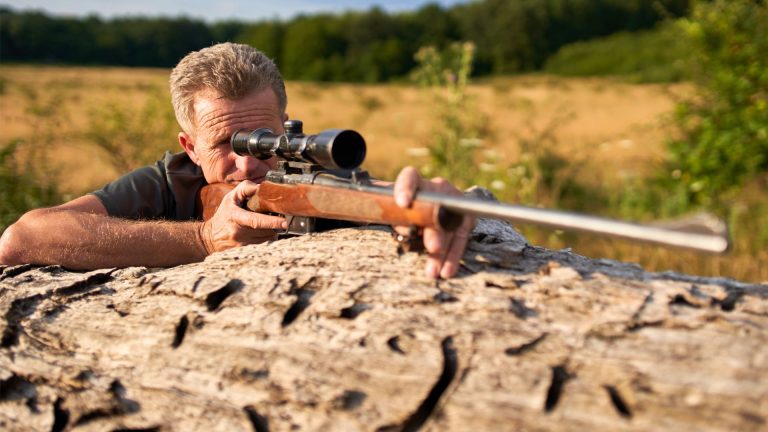
Rifle shooters love to argue about glass, but the pattern on the firing line is consistent: tight groups come from repeatable fundamentals, not from the logo on the scope. High end optics can make hits more repeatable once the basics are in place, yet they cannot paper over a bad trigger press, a crooked mount, or poorly matched ammunition. When fundamentals are inconsistent, expensive optics mostly make the misses easier to see.
The real gap between cheap and premium scopes shows up in reliability, tracking, and low light performance, not in some magical ability to turn shaky technique into precision. Treating optics as a shortcut to accuracy leads to frustration and wasted money, while a methodical focus on setup, position, and shot execution lets even modest glass perform far above its price tag.
What Expensive Optics Actually Buy
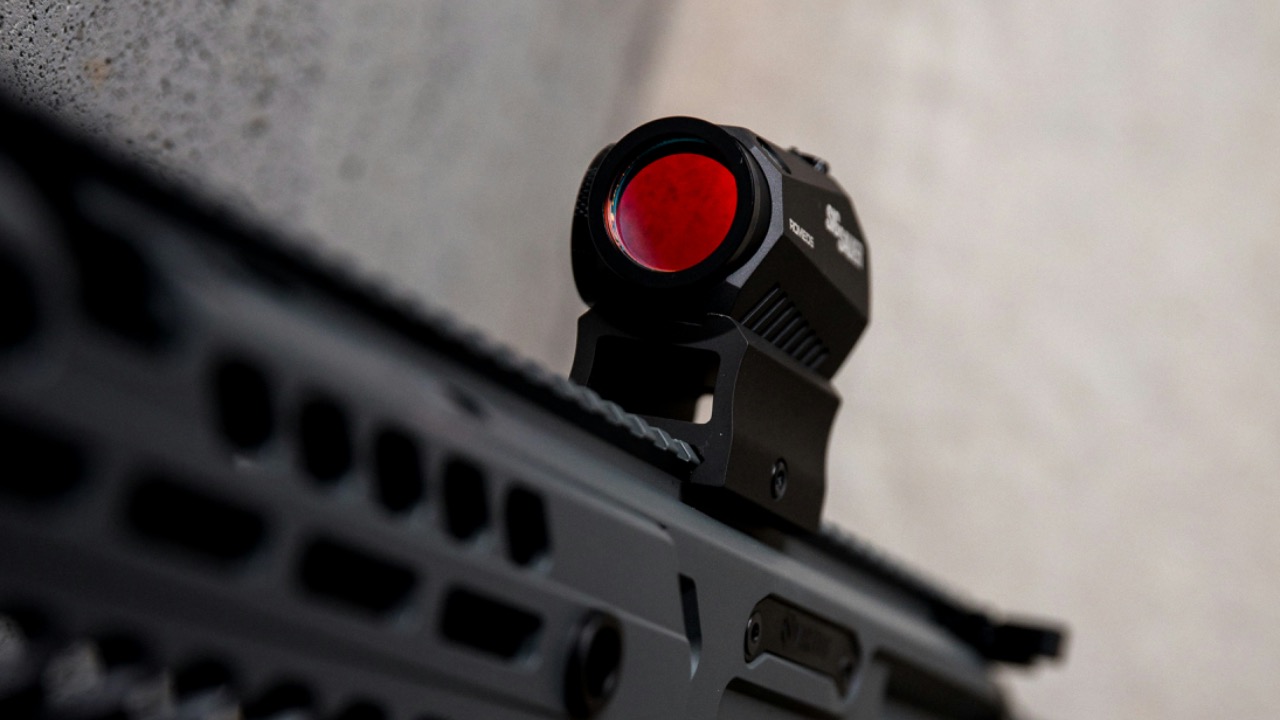
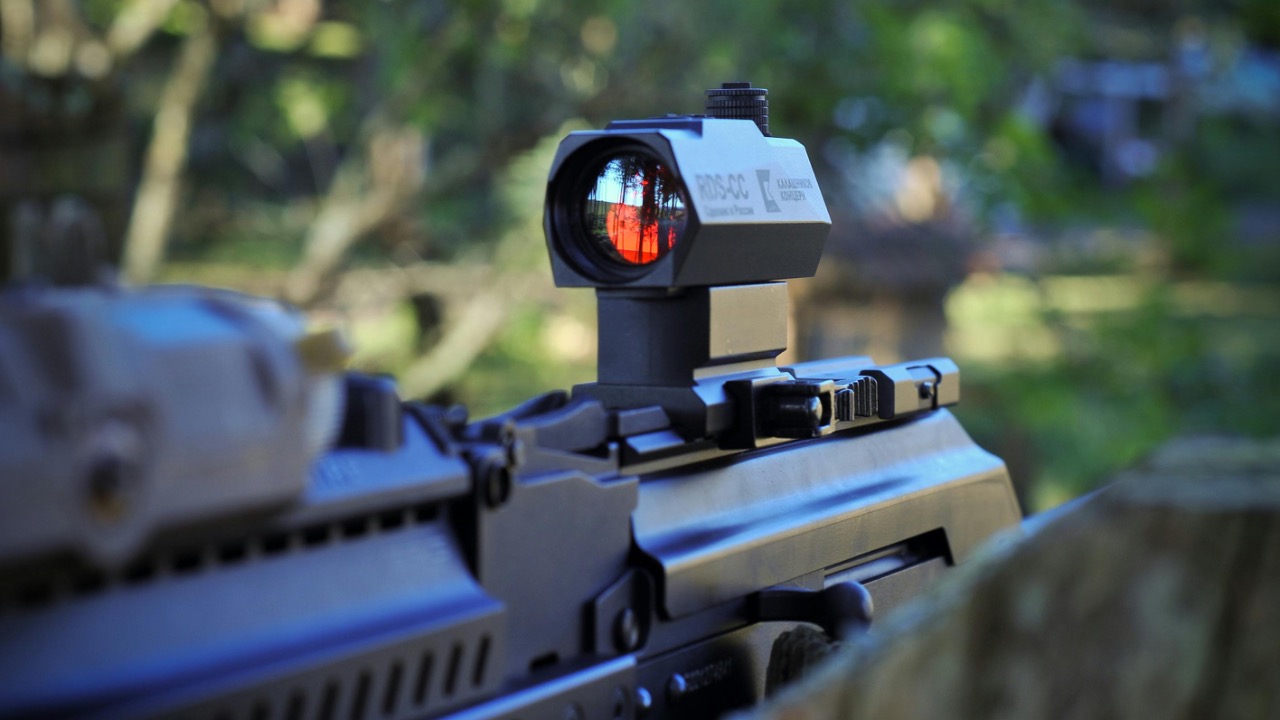
Premium scopes earn their price through durability, repeatable adjustments, and clearer images rather than by adding raw accuracy to a shooter who lacks consistency. Detailed comparisons of cheap and high end models point to stronger internals, better coatings, and more precise turrets in costly glass, with testers highlighting how features like reticle tracking and low light clarity separate a budget tube from a Loophole VX5 HD or similar flagship models. One analysis of cheap vs expensive rifle scopes stresses that reticle tracking and accuracy are where quality optics quietly earn their keep, especially once shooters start dialing for distance.
Hunters and long range enthusiasts who step up in price often talk about fewer failures and more confidence, not sudden miracles in group size. One discussion on the benefits of higher tier glass points to Turret tracking accuracy and resistance to fogging as the real gains, especially when shots must be taken in bad weather or at changing distances. Another review of The Credo HX scope notes that The Credo HX does Trijicon proud and that, though expensive, The Credo HX often outperforms competitors in glass quality and mechanical reliability. Those advantages matter most once a shooter is already capable of calling wind, reading mirage, and pressing the trigger without disturbing the rifle.
Where Fundamentals Fail Before the Glass
When groups open up, shooters often blame the optic before examining their own process, yet experienced competitors and instructors repeatedly see the same culprits: inconsistent position, poor trigger control, and ammunition that does not suit the rifle. A long range thread asking what are the chances an optic causes poor groups drew answers pointing out that even high quality ammo is not the same as ammo tuned for a specific rig, and that minor changes in body position or shoulder pressure can move impacts more than any internal scope defect. One contributor in that Comments Sectionsummed it up bluntly: High quality ammo is not equal to ammo that is tuned for your rig.
Even when the rifle is mechanically accurate, fundamentals like natural point of aim and follow through decide whether a shooter can repeat that potential on demand. Guidance on long range technique warns that buying top of the line optics without disciplined practice is a recipe for disappointment, because the scope only shows what the shooter is already doing. A detailed list of 7 mistakes with long range rifle scopes notes that even the best equipment cannot compensate for sloppy range estimation, rushed shots, or a failure to confirm dope at real distances. The pattern is clear: fundamentals fail first, and only after those are squared away does equipment quality become the limiting factor.
Mounting, Zero, and the Illusion of “Bad Glass”
Many complaints about “inaccurate” optics trace back to mounting mistakes that would sabotage any scope, regardless of price. Scope mounting guides emphasize that even a small rotation of the tube can send shots off target as elevation adjustments inadvertently introduce windage. One detailed explanation from Argali notes that if a scope is rotated even a couple of degrees left or right, the shooter can put crosshairs on a target, dial elevation, and miss laterally without realizing why, because the error is baked into the mount. The complete guide to mounting a rifle scope from Argali Outdoors underscores that a shooter might never notice the cant until shots start drifting as distance increases.
Zero retention is another unseen factor that often gets misattributed to “cheap glass.” Mount makers describe Recoil and Bumps as Your Zero, Worst Enemies Recoil and Each shot’s kick or rough handling in the truck can nudge a poorly secured optic off alignment, turning tight groups into wandering impacts. A breakdown of zero retention explains that quality mounts and correctly torqued rings are as vital as the scope itself, because once the mount shifts, no amount of glass quality can keep the point of impact from moving. Blaming the optic in these situations misses the real mechanical weak link: the interface between rifle and scope.
How Community Experience Separates Hype from Reality
Online communities that live with their gear season after season often deliver a more grounded picture of optics performance than marketing copy. In one discussion about whether high end optics are really that much better, contributors joked about the Five Cs of Scopes, listing Color, Cut, Clarity, Carat, and Caliber as a tongue in cheek riff on diamond grading, before pivoting to practical differences like edge to edge clarity and low light visibility. The same thread on high end optics really that much better also highlighted that, for typical AR-15 distances, a solid midrange scope often delivers all the usable performance a shooter can apply.
Hunters on other forums echo that sentiment, with one pointing out that if they were shooting at running pigs they would choose an EOTech or a HoloSun 2 moa for speed rather than a heavy, high magnification scope that slows target acquisition. That comment in a debate over expensive scopes vs captures a recurring theme: matching the optic to the job and the shooter matters more than chasing the most expensive option. Community experience tends to reward gear that holds zero, tracks reliably, and fits the mission, while punishing anything that fails under recoil or in the rain, regardless of price tag.
When Gear Quality Really Starts to Matter
None of this means glass quality is irrelevant. Once a shooter has disciplined fundamentals, repeatable positions, and a properly mounted scope, the limitations of bargain optics start to show up in more advanced tasks. Detailed breakdowns of cheap vs expensive scopes explain that high end models excel at Reticle Tracking and Accuracy, where elevation and windage adjustments match the intended changes in a precise manner, while budget turrets may wander or fail to return to zero. The technical discussion of Reticle Tracking and notes that even small tracking errors compound at long range, so a shooter who dials regularly will see real benefits from premium internals.
Optics quality also matters for visibility and reliability in harsh conditions. A hunting focused guide on whether a scope should cost as much as the rifle explains that Just as a car can be built with cheap or expensive internals, scopes with better glass and construction tend to hold zero and stay clear at longer distances or during lowlight conditions. Photography writers make a similar point, arguing that Great Gear Makes Images Reliably Have you ever noticed how cheap DSLRs often trade durability for features, while pro bodies are designed to be reliable in every way. The comparison between durable scopes and reliable camera gear underlines the same lesson across fields: top tier optics do not make an artist or a marksman, but they let skilled users push the limits of what is possible without equipment becoming the bottleneck.

Leo’s been tracking game and tuning gear since he could stand upright. He’s sharp, driven, and knows how to keep things running when conditions turn.