Why Some Rifles Feel Accurate — and Others Just Are
Some rifles inspire instant confidence, while others leave shooters chasing fliers and doubting their skills. The difference often comes down to whether a rifle is mechanically capable of accuracy or simply feels controllable and forgiving in human hands. Understanding that split explains why a budget hunting rifle can print tiny groups from a bench yet still miss a whitetail, and why a heavy precision rig can feel “boringly accurate” even if its raw mechanics are not dramatically better.
At the heart of the issue is a three way relationship between the rifle’s inherent build quality, the ammunition, and the person behind the stock. Mechanical factors decide what a rifle can do in a vise, while ergonomics, recoil behavior, optics, and shooter skill decide what it will do in the field. Rifles that truly earn a reputation for accuracy usually get both sides of that equation right.
Accuracy, precision and the myth of the “magic rifle”
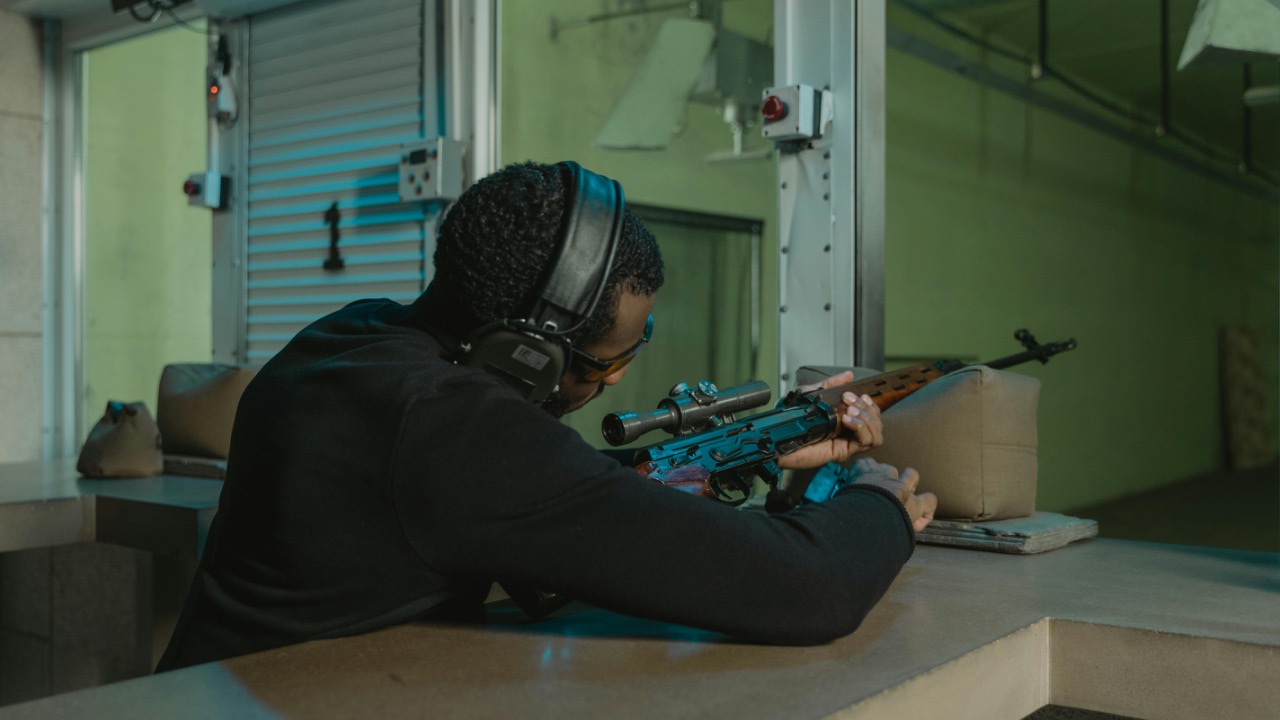
Before arguing about which rifles are accurate, it helps to separate accuracy from precision. Technical guides on Defining Accuracy and Precision describe accuracy as how close shots land to the point of aim, while precision is how tightly they cluster together. A rifle can produce a single ragged hole that sits several inches from the bull, which means it is very precise but not yet accurate until the sights are adjusted. Competitive shooters see the reverse as well, when different ammunition still lands on the bull but scatters into a wide pattern, which is accurate on average but not precise enough to win matches.
That distinction feeds a persistent myth that some rifles are simply “born accurate” in a mystical way. In reality, shooters on technical forums describe two separate concepts, mechanical accuracy and practical accuracy, when they debate why some guns get a reputation for shooting better than others. One detailed explanation on a discussion of why there are two types of accuracy defines mechanical accuracy as the grouping a firearm can produce when locked in a test fixture that removes human error, while practical accuracy is what happens when a human adds sight wobble, breathing, and imperfect trigger control. Rifles that feel accurate usually make it easier for the shooter to access the mechanical potential that is already there.
What inherent accuracy really is
Inherent accuracy is not a vibe, it is a measurable property of the barreled action and ammunition. A handgun review that explains inherent accuracy describes it as the group size a firearm can produce when clamped in a rest that removes all shooter input. That definition carries over to rifles and matches what custom builders and benchrest gunsmiths mean when they talk about how a barrel and receiver are fitted. A mechanically accurate rifle will print consistent groups with a range of loads, provided the ammunition itself has consistent Bullet BC and other characteristics, as detailed in a list of factors like Bullet Jump and Dynamic Bullet stability that affect downrange performance.
Several technical breakdowns of what makes some barrels shoot better than others point to the same core ingredients. One analysis of Steel Quality emphasizes that inclusions and localized hard spots in the bore can disturb the bullet as it travels, while poor straightness between the chamber and the axis of the bore can tilt the projectile before it even exits. A separate deep dive into peak rifle performance highlights how the barreled action must be stress free, with the receiver threads, recoil lug, and barrel shoulder all working together so the bore does not bend as it heats. When those fundamentals are right, a rifle has genuine, testable mechanical accuracy, regardless of how it feels to the person pulling the trigger.
Why some rifles simply feel easier to shoot well
Once a rifle leaves the test fixture and returns to human hands, design choices start to color how “accurate” it feels. Hunters who ask Is Your Rifle More Accurate Than You Are often discover that the answer is yes, because their stock fit, trigger weight, and optic quality are holding them back more than the barrel. Newer rifles often ship with better triggers that break more cleanly, which reduces the tendency to yank the sights off target at the last instant, but a trigger that is too light can be dangerous in field conditions. A stock that places the eye naturally behind the scope and spreads recoil into the shoulder also makes it easier to call shots and stay on target for follow through.
Weight and balance add another layer to the perception of accuracy. A long thread on whether a heavier gun is generally heavier than a light gun in the same caliber and therefore easier to keep steady explains why many shooters find that more mass soaks up recoil and slows down wobble. Contributors there argue that, assuming a barrel shoots straight, accuracy is just the point of impact being the same at trigger pull as it is at bullet exit, and that extra weight helps keep the muzzle in the same place through that brief window. This does not change the rifle’s inherent group size, but it makes the practical groups fired from field positions look better, which is why many people come away convinced that heavy rifles are “more accurate” when they are really just more forgiving.
Inside the metal: barrels, actions and the small parts that matter
When gunsmiths talk about a “laser” of a rifle, they are usually talking about the boring details inside the metal. A detailed explanation of what makes some barrels more accurate lists several interacting factors, starting with how the bore is drilled and rifled, the uniformity of groove dimensions, and the alignment of the chamber with the axis of the bore. Inclusions in the steel can create tiny hard spots that erode unevenly, while rough or inconsistent rifling can strip jacket material, all of which opens up groups over time. The crown at the muzzle is another small but decisive feature, since any damage there lets gas escape unevenly around the bullet and tips it as it exits.
Custom builders put similar emphasis on how the barrel and action are joined and how the stock supports them. One gunsmith’s breakdown of what makes for peak rifle performance stresses that you cannot have top accuracy without all three parts pulling their weight, meaning the barreled action, the stock, and the ammunition. That same analysis of stock shape makes a difference notes that a wide three inch flat forend rides bags more consistently than a thin sporter profile, which is why benchrest rifles look nothing like a mountain hunting rifle. Even something as simple as how tightly the action screws are torqued can introduce stress that shifts the point of impact as the barrel heats, which is why precision shooters obsess over repeatable torque values and bedding jobs.
Triggers, optics and the shooter behind the stock
Mechanical perfection still needs a human interface that lets the shooter access it. Technical guides on Accuracy and precision point out that the sights or optics used, along with how solidly the rifle is supported, have a direct effect on how precisely a firearm can shoot in real hands. A gritty or heavy trigger invites the shooter to snatch at the break, while a crisp trigger helps them press straight to the rear without disturbing the sight picture. Visual Perception and the ability to filter distractions, as one training guide puts it, also shape how well a person can align those sights under pressure, which is why good glass and a clear reticle can make an average rifle feel transformed.

Leo’s been tracking game and tuning gear since he could stand upright. He’s sharp, driven, and knows how to keep things running when conditions turn.