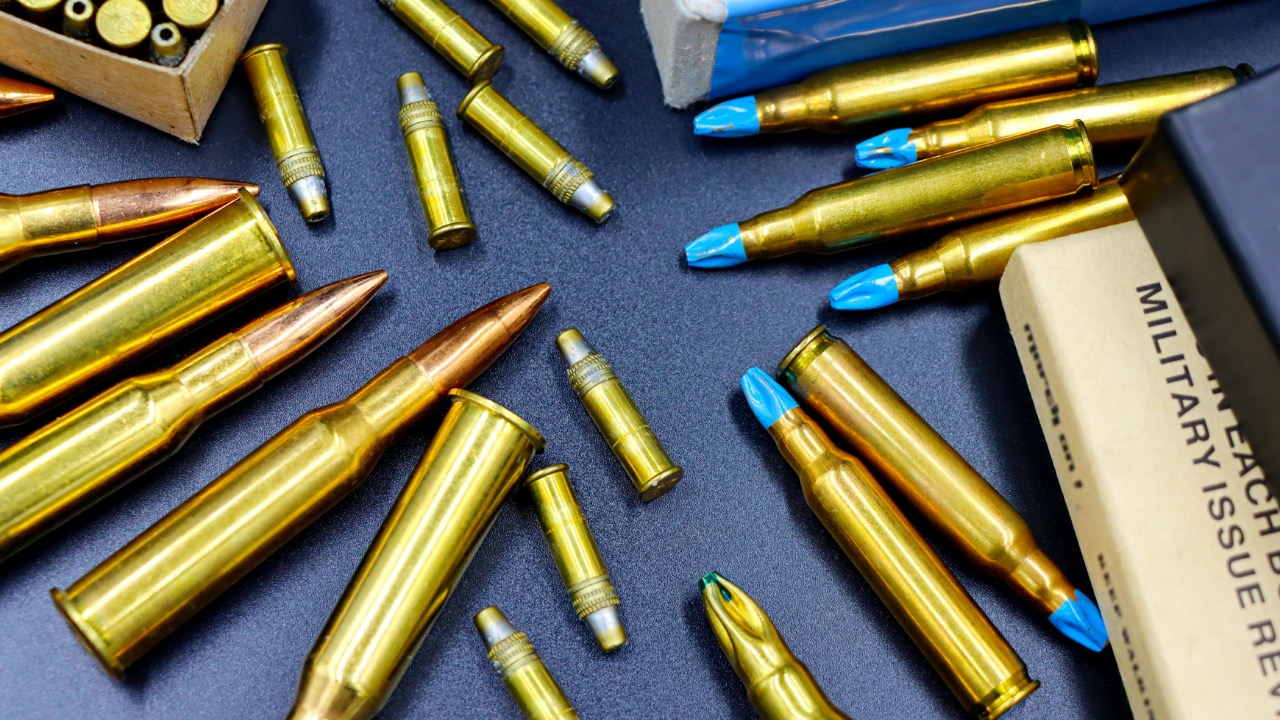
10 Hunting calibers that promise range but struggle in real wind
Long range hunting cartridges often look flawless on a ballistics chart, yet real Wind exposes which calibers truly track and which drift off target. Bullet speed, ballistic coefficient and weight all shape how a projectile behaves once crosswinds start pushing. The following ten hunting calibers promise reach on paper but, as field experience and expert guidance show, can struggle when gusts rise and ethical shot placement matters most.
1. .45-70 Government
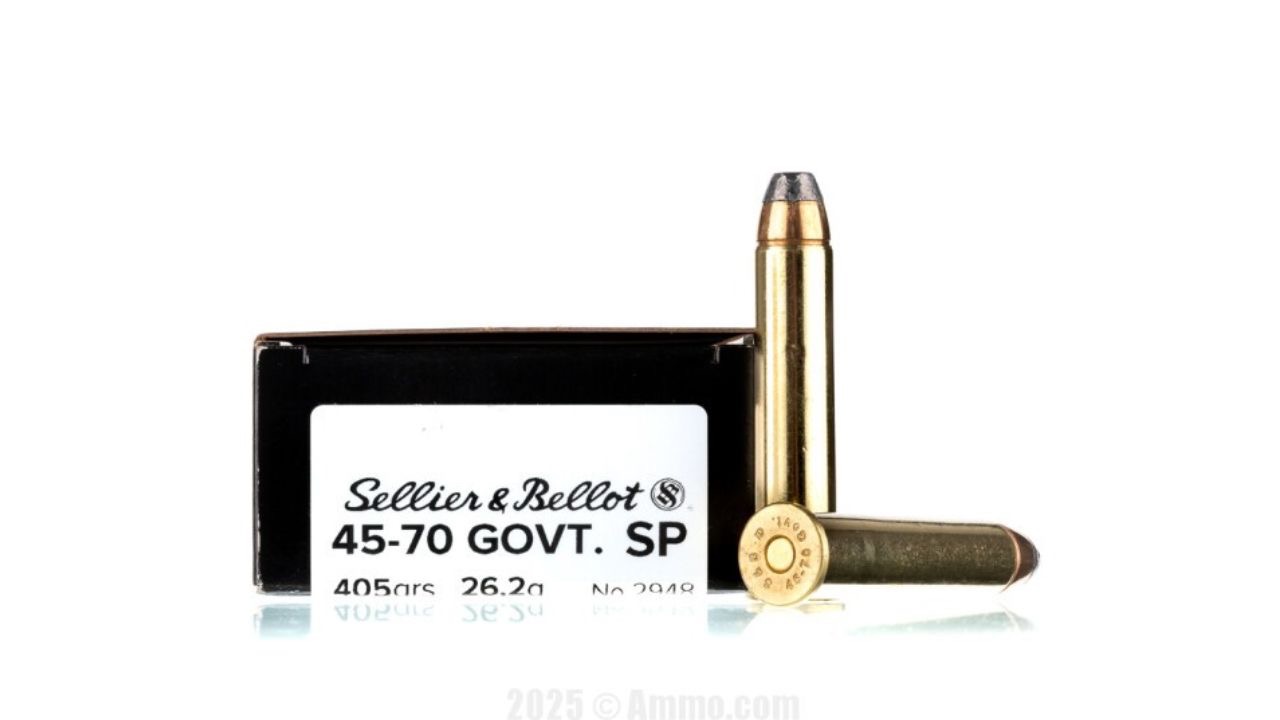
The .45-70 Government is frequently marketed as a hard hitting, extended range hammer, but its wind performance is a weak point. Reporting on calibers that cannot hold their own stresses that the big 45 and 70 combination sends large, heavy bullets at modest velocity. That slow speed gives Wind more time to work, so even a mild crosswind can shove impact several inches off line at ranges where hunters may still feel comfortable taking a shot.
Because the .45-70 Government relies on arcing trajectories and relatively low ballistic coefficients, it demands constant, precise wind calls that many hunters simply do not practice. Ethical stakes are high when a drifting bullet can turn a broadside lung shot into a marginal hit. As a result, many guides restrict this cartridge to closer distances where its legendary stopping power matters more than its poor wind handling.
2. .220 Swift
The .220 Swift is often praised as a Laser flat varmint round, yet that same reputation can mislead hunters about wind behavior. One detailed comparison of slow heavy and fast light bullets notes that the 220 Swift Laser trajectory is ideal when a shooter misjudges holdover by an inch, but it still throws relatively light projectiles. Those lighter bullets shed velocity quickly and carry modest ballistic coefficients, which magnify drift once crosswinds pick up.
At moderate distances, the .220 Swift can be devastating on coyotes and prairie dogs, yet past about 300 yards its wind calls become unforgiving. A brisk quartering gust can push a small varmint bullet completely off target, particularly when shooters rely on speed instead of careful reading of mirage and vegetation. For hunters who regularly face gusty plains, this cartridge demands more discipline than its flat trajectory suggests.
3. .22-250 Remington
The .22-250 Remington is another classic high velocity varmint caliber that promises reach but falters in real wind. A long range overview that compares cartridges such as 308 Winchester and .22-250 Remington explains that the .22-250’s appeal lies in its blistering speed and flat arc for predators and varmints at distance, yet those benefits come with light bullets that are easily pushed by crosswinds. Even with modern bullets, its ballistic coefficients lag behind heavier options.
Because many hunters see the .22-250 Remington listed among long range shooting choices, they may stretch shots on coyotes or small deer in open country. In gusty conditions, that decision can mean several inches of lateral drift at ranges where vital zones are only a few inches wide. Responsible use often means dialing back distance or switching to heavier calibers when the wind starts to swirl.
4. .224 Valkyrie (light hunting loads)
The .224 Valkyrie was introduced with marketing that highlighted long range potential from an AR platform, yet not every hunting load handles wind equally well. One detailed product description of a 60 grain Nosler Ballistic Tip in this caliber emphasizes varmint and predator use, but such midweight bullets still sit in the “light for caliber” category compared with heavier long range projectiles. That means lower sectional density and more susceptibility to gusts beyond intermediate ranges.
Guidance on how bullet weight affects performance explains that What Does Light is essentially a shorter projectile that spends less time in the barrel and can be pushed around more in flight. For hunters who treat .224 Valkyrie as a do everything round, this translates into larger wind holds and more risk of wounding when coyotes or small deer are taken at the outer edges of claimed range.
5. .25-06 Remington
The .25-06 Remington often appears in conversations about flat shooting deer rifles, but its wind performance can be inconsistent. A long range hunting survey that Mention . 25-caliber cartridges notes that fans of the . 250-3000 Savage and . 25-06 Remington appreciate high velocity, with some loads pushing bullets at over 3300 fps. That speed flattens trajectory, yet many .25-06 hunting bullets are relatively light for their diameter and carry only moderate ballistic coefficients.
In calm conditions, the .25-06 Remington is a favorite for pronghorn and mule deer across open basins. When wind kicks up, however, those sleek but light projectiles can drift more than hunters expect, especially beyond 400 yards. For shooters who rely on this cartridge, the stakes involve balancing its reach with a conservative distance limit so that high velocity does not mask growing wind error on small vital zones.
6. 6.5 Creedmoor with light bullets
The 6.5 Creedmoor is widely praised for long range efficiency, yet lighter bullet choices can undermine its wind advantage. A detailed caliber guide notes at a Glance that 6.5 Creedmoor pairs high ballistic coefficients with lighter recoil, which is why it dominates many long range discussions. However, some hunting loads use relatively light 120 grain class bullets that give up the full potential of the 6.5 diameter’s aerodynamic profile.
When hunters choose those lighter projectiles for reduced recoil, they sacrifice some of the cartridge’s famed resistance to crosswinds. Compared with heavier 140 grain bullets, the lighter options slow down faster and drift more at extended ranges. For ethical hunting, that means a 6.5 Creedmoor shooter who wants reliable performance in gusty conditions should treat bullet selection as seriously as cartridge choice, rather than assuming every load behaves the same.
7. 6mm Creedmoor hunting loads
The 6mm Creedmoor is often promoted as an ideal AR-10 option for stretching distance, yet hunting loads can be sensitive to wind. A detailed AR-10 caliber guide explains that 6mm Creedmoor offers the best possible ballistics for long range performance, allowing shooters to reach targets up to 1400 yards while still learning the basics of long distance marksmanship. That praise usually centers on match style bullets with very high ballistic coefficients.
Many hunting loads, however, use lighter expanding bullets that trade some aerodynamic efficiency for rapid terminal performance. In real wind, those lighter projectiles drift more than match bullets of similar caliber, which narrows the margin for error on game. Hunters who adopt 6mm Creedmoor for open country shots should understand that its impressive reputation depends heavily on bullet design, not just the Creedmoor name stamped on the brass.
8. .308 Winchester with light-for-caliber bullets
The .308 Winchester is a mainstay in big game camps, yet light for caliber bullet choices can make it surprisingly vulnerable to crosswinds. Long range discussions that compare cartridges such as 308 Winchester and .22-250 Remington highlight the .308’s versatility, but that flexibility includes many 125 to 130 grain hunting loads. These lighter bullets exit faster but usually carry lower ballistic coefficients than heavier 165 or 180 grain options.
Guidance on bullet weight explains that, Conversely, a light for caliber bullet is shorter and spends a short amount of time in the barrel, which can influence stability in gusty conditions. When those lighter .308 Winchester loads are stretched past 400 yards, they may drift more than slower but heavier bullets. For hunters, the implication is clear: chasing speed at the expense of aerodynamic efficiency can undermine the cartridge’s otherwise reliable wind performance.
9. Traditional .30-06 Springfield loads
The .30-06 Springfield remains a benchmark big game cartridge, yet traditional flat base hunting loads can struggle in wind compared with modern high BC bullets. A detailed wind guide states that Wind impacts every projectile, but not all are affected equally, and highlights how a bullet with a higher ballistic coefficient holds its velocity better and drifts less. Many classic .30-06 loads use round nose or simple soft points that lack the sleek profiles of newer designs.
Hunters who rely on these legacy loads often do so because of decades of proven terminal performance on elk and deer. However, in open country with swirling gusts, such bullets can drift significantly more than modern long range projectiles. The ethical stakes emerge when shooters assume the .30-06 Springfield’s reputation alone guarantees stability, rather than matching it with contemporary bullets that better resist crosswinds.
10. Short-action 7 mm hunting rounds with standard bullets
Short-action 7 mm hunting cartridges are often pitched as ideal do everything rounds, yet standard bullet choices can leave them exposed in wind. A detailed forum discussion on the best cartridge for shooting in wind references options like 260 AI, 6.5-284, 6.5 SAUM, 6.5 Rem Mag, 264 Win, 6.5-300 WSM and even a 30 cal 300 Win Mag with 190 to 210 grain bullets when elk are involved. Those recommendations emphasize high BC projectiles for better wind handling.
By contrast, many factory 7 mm short-action loads use more traditional hunting bullets that prioritize expansion over extreme aerodynamics. In gusty conditions, these standard bullets can drift more than the heavy, high BC projectiles mentioned by shooters such as Jgraf in Feb discussions. For hunters, that gap means a cartridge marketed as a long range solution may still require careful load selection and conservative shot distances when crosswinds rise.

Asher was raised in the woods and on the water, and it shows. He’s logged more hours behind a rifle and under a heavy pack than most men twice his age.