Rising Lake Mead levels bring cautious optimism
After years of alarming declines, Lake Mead has finally seen water levels inch upward, offering residents of the Southwest a rare dose of optimism. The gains remain fragile, and experts stress that a few better years cannot erase decades of overuse and structural imbalance on the Colorado River. Still, the modest rebound has bought time for policymakers to negotiate, for cities to conserve, and for communities to reassess what long term survival in a hotter, drier climate really requires.
The central question now is whether this uptick marks the start of a more stable era or just a brief pause before the next plunge. Hydrologists, water managers, and tribal and agricultural leaders are all trying to read the same signals: reservoir forecasts, snowpack measurements, and early signs of shifting climate patterns. Their message is guarded but consistent, emphasizing that the region has a narrow window to turn short term relief into lasting resilience.
Lake Mead’s fragile rebound
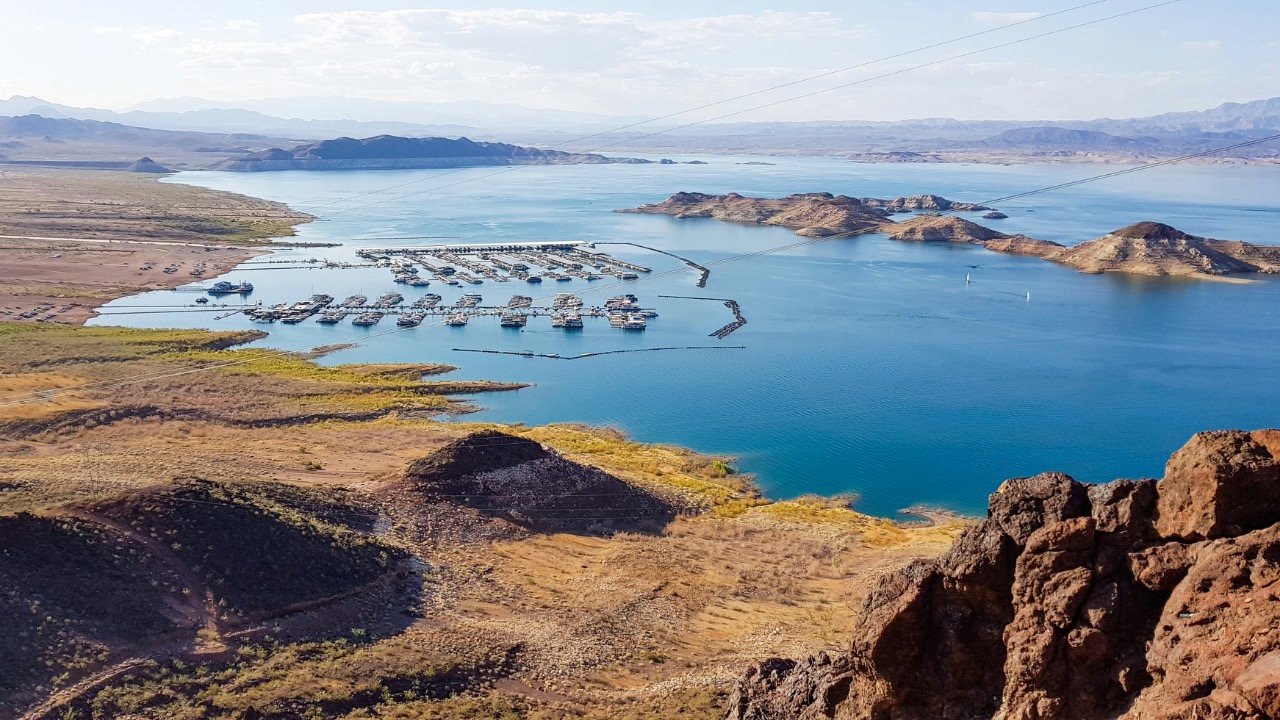
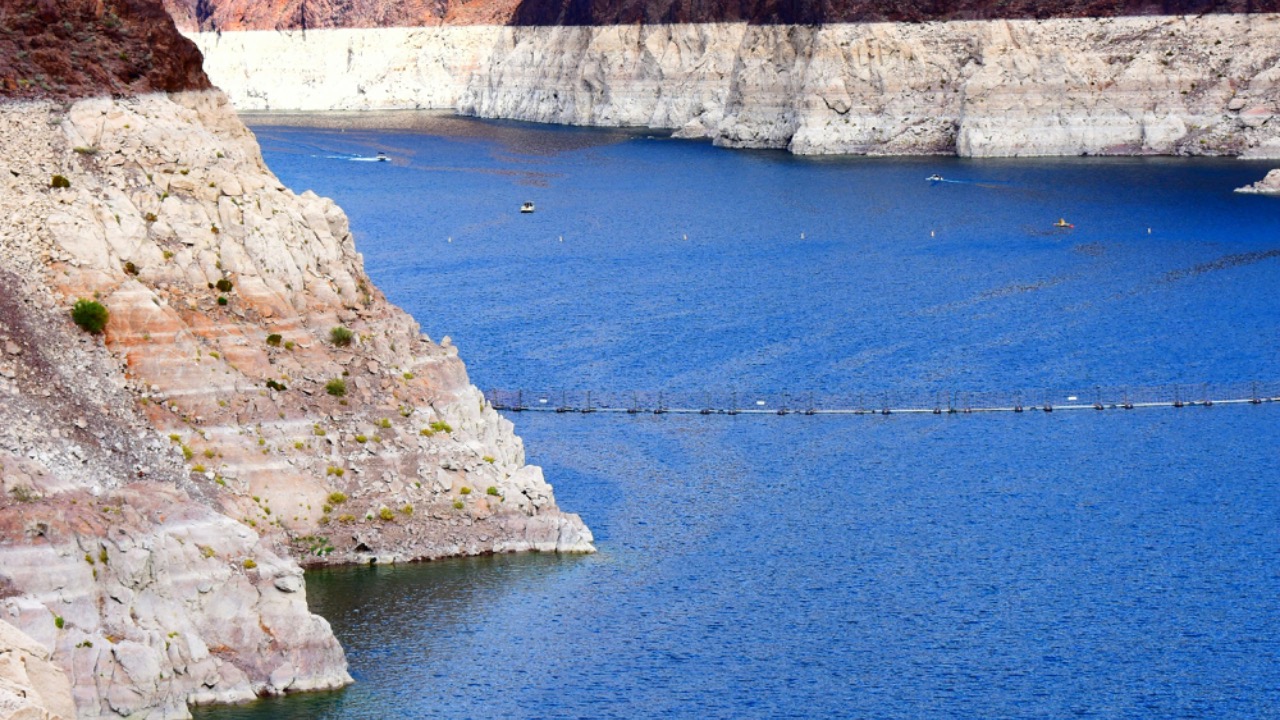
Lake Mead has climbed off its most frightening lows, yet it remains far from healthy. A panel of experts recently described how the reservoir currently sits at approximately 1,065 feet in elevation, which translates to roughly 30 percent of full capacity, a level they warned is still firmly in the danger zone for the Colorado River system. In practical terms, the lake is only about one third full even after the recent improvement, and the shoreline bathtub ring that has come to symbolize Western drought still towers above the waterline. The same discussion emphasized that Lake Mead levels remain critical, underscoring that any sense of relief must be tempered by the reality that the reservoir is operating with little buffer for a run of dry years.
Federal planners are just as cautious. In its regular 24 month study, the United States Bureau of Reclamation lays out a range of projected elevations for the reservoir based on different runoff and demand scenarios. The latest version of that technical outlook shows how even modest changes in inflows or releases can move the lake by dozens of feet over a couple of years, and it frames the current rise as a short reprieve rather than a permanent turnaround. The document, available through the agency’s 24 month projections, makes clear that even under its most probable scenario the system remains vulnerable to renewed decline if conservation efforts weaken or if the climate delivers another sequence of parched winters.
Forecasts, El Niño signals, and “good news” headlines
Climate scientists tracking Pacific Ocean conditions have pointed to early signals that could support more generous precipitation across parts of the Colorado River Basin. A recent analysis highlighted that the trends support El Niño developing late this spring, with the potential to bring wetter conditions and some relief to drought parched watersheds that feed Lake Mead. While long range forecasts remain uncertain, researchers quoted in that coverage spoke of cautious optimism that a shift in ocean temperatures might help sustain the recent reservoir gains rather than erase them. The same reporting, which became the basis of several “good news” headlines, stressed that any such pattern would need to persist for multiple years to materially rebuild storage after such a deep deficit.
Even as those forecasts circulate, other voices have warned against reading too much into a single climate signal. One scientist who discussed the situation with Newsweek, in coverage that was later referenced with the phrase Media Error, emphasized that El Niño events do not guarantee above average runoff for the Colorado River. Storm tracks can shift north or south, snow can fall at warmer temperatures that reduce snowpack quality, and spring heat can melt snow too quickly for reservoirs to capture it efficiently. The result is a forecast environment where the best that experts can offer is probability, not certainty, and where the “good news” about Lake Mead remains conditional on how the next few winters unfold.
Shortage tiers and the policy guardrails around the lake
Despite the modest rise in water levels, Lake Mead is already under a Tier 1 shortage, which is the least severe level in the basin’s current drought response framework. That designation triggers a 21,000 acre feet annual reduction in some users’ access to the reservoir, a figure that illustrates both the scale of the system and the seriousness with which planners now treat conservation. Under the tiered shortage structure, deeper cuts would follow if the lake falls to lower trigger elevations, so the present situation is both a warning and a test of whether existing agreements are strong enough to prevent a slide into more drastic rationing. The Tier 1 status also sends a political signal that the era of unrestricted growth built on assumed river abundance has ended.
Those guardrails are being tested against a backdrop of long term concerns. Analysts have warned that, on paper, the Colorado River system divides 16.5 m acre feet of water each year among states, tribes, and Mexico, a number that already exceeds the river’s average natural flow in many recent decades. One columnist described how that structural gap widens dramatically in dry years, leaving Lake Mead to absorb the difference between legal promises and physical reality. The opinion piece, which opens with the blunt line Here is the, argues that shortage tiers are only a first step and that deeper reforms to the allocation system will be necessary if the reservoir is to stabilize over the long term.
California’s conservation push and a 16 foot boost
Some of the most tangible progress has come from deliberate conservation. Regulators in California have reported that a suite of measures, including agricultural efficiency upgrades and urban water savings, collectively raised Lake Mead by 16 feet in two years. That figure reflects both direct reductions in withdrawals and creative accounting tools that allow conserved water to be banked in the reservoir rather than used immediately. The report credited these conservation efforts with giving negotiators more breathing room as they work on a new long term water sharing agreement among Lower Basin states, tribes, and other stakeholders. It also highlighted how quickly coordinated action can translate into measurable changes at the reservoir scale.
The same analysis, written by Jeniffer Solis, framed California’s role as both a success story and a reminder of how much more remains to be done. Even after the 16 foot gain, Lake Mead is still only a fraction of its designed capacity, and the incremental rise could easily be erased by a few dry years without continued discipline. The article described how California agencies, facing pressure from federal authorities and neighboring states, have embraced strategies such as fallowing some fields, lining canals to reduce seepage, and funding turf removal in cities. That narrative, captured in the Dec report by, suggests that similar programs in Arizona and Nevada could yield additional gains if pursued with equal intensity.
Infrastructure upgrades that keep taps flowing
While policy and conservation shape how much water reaches Lake Mead, infrastructure determines how reliably cities can draw from it. Over the past decade, Southern Nevada has invested heavily in intake and pumping systems that can function even when the reservoir drops to historically low elevations. Water experts in Las Vegas have highlighted how infrastructure improvements provide security, pointing in particular to a third intake from Lake Mead that was completed in recent years. That project, often called the “third straw,” allows the regional water authority to pull supplies from deeper in the lake, below levels that would disable older intakes. The upgrade has become a symbol of adaptation to a future where extreme lows are no longer hypothetical.
Those same experts have argued that such engineering buys time but does not solve the underlying supply problem. They describe a system in which cities like Las Vegas have become global leaders in indoor water recycling and per capita conservation, yet still depend on a reservoir that is shrinking over the long term. In a televised discussion, local officials explained that the third intake and associated pumping stations were designed precisely because planners could not assume Lake Mead would stay near traditional operating ranges. Their comments, summarized in a Feb segment on, underscored a broader theme: even as water levels tick upward, the region must continue to harden its systems against the possibility of future record lows.
Warnings of record lows ahead
Even with the recent uptick, official projections still point toward potential record lows later in the decade. The Bureau of Reclamation, in its most probable scenario for the coming years, has estimated that Lake Mead, the nation’s largest reservoir, could fall to around 1,0xx feet above sea level in November 2027. That forecast would put the lake below its previous historic low and would likely trigger deeper shortage tiers and more aggressive cuts to water deliveries. The analysis, summarized by Bureau of Reclamation, serves as a sobering counterweight to any sense that the crisis has passed. It shows that without sustained conservation and perhaps new agreements, the system could still cross thresholds that were once considered unthinkable.
Other reports have echoed those concerns. One brief, citing The Las Vegas Review Journal, noted that by September of 2027, Lake Mead is expected to fall below its previous historic low reached in 2022, landing around 202 feet lower than where it stood in 2022. That kind of drop would reverberate across the region, affecting hydropower production, recreational economies, and the legal obligations that hinge on specific reservoir elevations. The same coverage warned that such a scenario would test the durability of recent conservation gains and could force a new round of emergency negotiations among states, tribes, and federal agencies. The projection, captured in a Nov summary citing, reinforces the idea that the current rise in Lake Mead levels is best understood as a temporary reprieve within a longer downward trend.
Snowpack, storage, and the 35 foot cushion
Ultimately, Lake Mead’s fate is tied to what happens hundreds of miles upstream in the mountains that feed the Colorado River. Recent assessments have painted a troubling picture of snowpack in the basin, with one analysis describing it as at record lows in some key subregions. That same review explained how storage at Lakes Powell and Mead has dwindled to the point where managers now talk about a minimum power pool for Glen Canyon Dam, the threshold below which the facility can no longer generate hydropower. According to that assessment, the system currently has only a 35 foot cushion above the minimum water level of 3,490 feet needed to spill water into the electric turbines, a razor thin margin for infrastructure that serves millions of people. The warning concluded that mandatory water cuts are looming if conditions do not improve.
These hydrologic constraints feed directly into the Bureau of Reclamation’s planning documents and the shortage tiers that govern Lake Mead. When snowpack is poor and runoff arrives earlier or weaker than expected, the agency has less flexibility to release water from upstream reservoirs to prop up levels downstream. The Facebook post from American Rivers that highlighted the 35 foot cushion feet framed this as a systemic issue rather than a Lake Mead specific problem. It argued that without deep reductions in overall demand and a serious effort to address climate change, the entire Colorado River storage network will continue to operate on the edge of critical thresholds.

Asher was raised in the woods and on the water, and it shows. He’s logged more hours behind a rifle and under a heavy pack than most men twice his age.