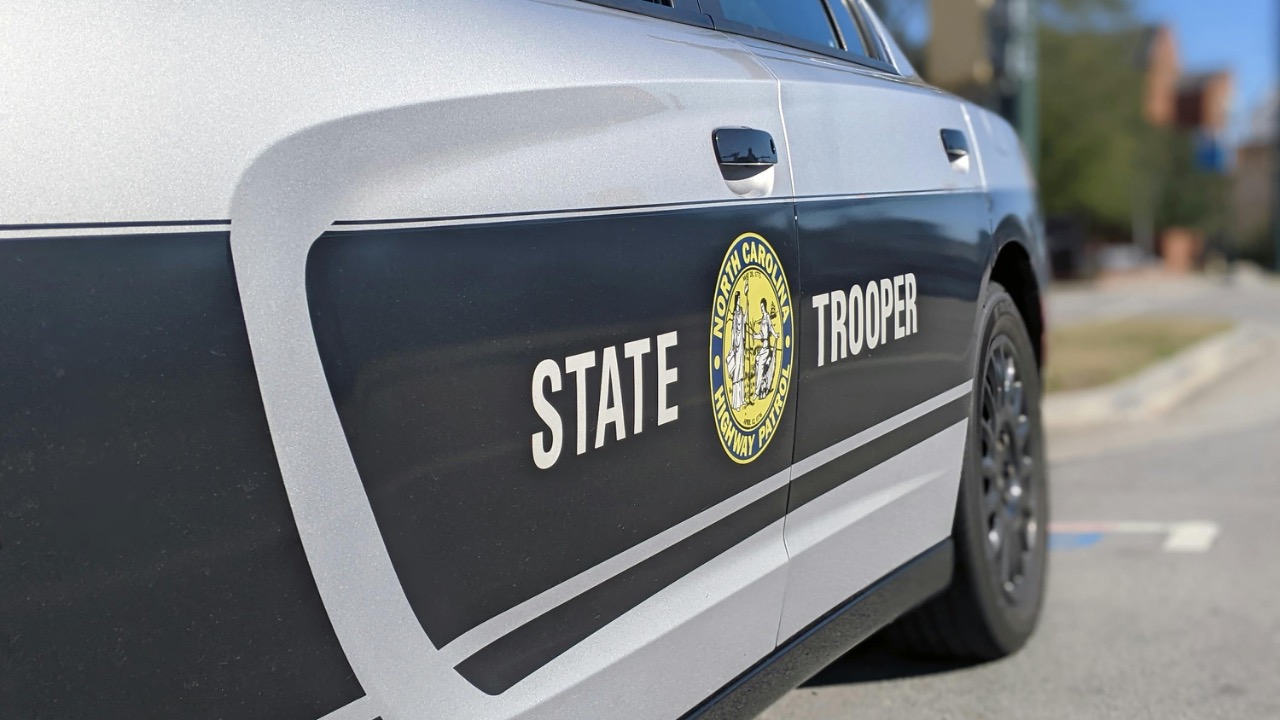
8 Things You Shouldn’t Say to a State Trooper When Asked, “Where Are You Coming From?”
When a state trooper leans in and asks, “Where are you coming from?”, the wrong answer can turn a routine stop into a prolonged roadside interrogation. The question sounds casual, but it is really an opening to gather information that might justify further investigation or even an arrest. Knowing what not to say, and why, helps drivers stay both polite and legally protected.
Traffic-stop attorneys and civil liberties groups consistently warn that casual chatter with law enforcement can be used against a driver later, even if the person has done nothing seriously wrong. Rather than guessing what an officer wants to hear, motorists are better served by avoiding a handful of high-risk replies and steering the conversation toward short, calm and legally safe answers.
1. “I Just Left a Bar” (Or Any Self-Incriminating Detail)
Volunteering that the drive started at a bar, club or party hands a state trooper a possible basis to investigate impaired driving, even if the driver feels completely sober. A statement like “I just left a bar” or “I was at a friend’s party and had a few drinks” can quickly lead to field sobriety tests, a search of the vehicle or questions about every person in the car. Legal guides that walk motorists through traffic stops stress that anything beyond basic identification can be used to build a case, which is why they advise against sharing unnecessary details about where a person has been socializing or what they consumed before getting behind the wheel.
Public safety content that compiles expert advice on police encounters notes that “Anything that isn’t absolutely necessary” should generally be left unsaid, because “Everything you say to a police officer can be used against you in court.” That warning appears in guidance that encourages drivers to provide license, registration and insurance but to think twice before volunteering extra facts about their evening plans or drinking history, advice that is echoed in resources urging people to avoid casual self-incrimination when a trooper casually asks where they are coming from. One detailed breakdown of what not to say links that caution directly to the way a simple admission about a bar visit can later be framed as evidence of impaired judgment or risk-taking, even if the stop began for something as minor as a broken taillight.
2. “None of Your Business” (Aggressive Refusals)
Drivers absolutely have rights, including the right to remain silent, but snapping “None of your business” or “You do not need to know that” is almost guaranteed to escalate tension on the roadside. Civil liberties organizations that publish “know your rights” cards encourage people to stay calm and respectful, even when they choose not to answer investigative questions. A hostile tone can give a trooper a reason to scrutinize a driver more closely, call for backup or interpret ordinary nervousness as suspicious behavior, which may lengthen the stop and increase the likelihood of a search request.
Groups that teach motorists how to handle police questioning recommend a neutral, rights-asserting script instead of aggression. Their materials suggest that a person calmly say something like “I am not going to answer any questions” or “I choose to remain silent” while keeping hands visible and movements slow. That approach is consistent with broader advice from civil liberties advocates who explain that people can decline to discuss where they are coming from without using inflammatory language or insults that might be read as noncooperation or concealment. The same resources emphasize that staying polite helps later if a court reviews the stop, since the record will show a driver who asserted rights clearly rather than one who tried to provoke an argument.
3. “I Was Just Doing Nothing Wrong” (Overexplaining Your Innocence)
Another common trap is the urge to overexplain innocence as soon as a trooper asks where a trip began. Nervous drivers sometimes launch into long stories about running errands, helping a friend or “just doing nothing wrong” in an effort to sound cooperative. Legal practitioners who walk people through traffic stops explain that this kind of rambling answer gives officers more details to probe, more chances to catch small inconsistencies and more material to justify extending the stop beyond the original reason. A simple question about origin can quickly turn into a timeline reconstruction that feels like an interrogation.
Traffic-stop guides that focus on practical strategy point out that officers are trained to listen for contradictions in a driver’s narrative, especially when the person keeps talking without being prompted. One widely shared resource advises motorists to “Keep your answers brief” and to avoid volunteering extra context, a point reinforced by attorneys who say that explaining every errand of the day rarely helps and often hurts. Those same guides note that a driver is not required to provide a minute-by-minute account of their movements, and that short, consistent responses are safer than sprawling monologues that try to prove innocence through sheer volume of detail.
4. “I Came From Somewhere You Would Not Approve Of” (Inviting Moral Judgment)
Some drivers respond to the “Where are you coming from?” question with a half-joking confession about a strip club, casino or other place they assume a trooper will dislike. Even when meant as humor, this kind of answer can color the officer’s perception of the driver’s judgment and reliability. Safety writers who compile lists of things never to say to law enforcement highlight that moralized admissions, such as bragging about a wild night or hinting at questionable company, can shift an officer’s mindset from routine traffic work to broader suspicion about what else might be going on inside the car.
Health and lifestyle resources that cover personal safety echo that theme, warning that people sometimes undermine themselves by volunteering information that is embarrassing or provocative but legally irrelevant. Their experts explain that there is no legal requirement to share the social or moral context of a trip, and that doing so can invite bias or stereotyping that affects how a trooper interprets every later answer. Instead of announcing that they came from somewhere a stranger might judge, drivers are better off either giving a neutral description, such as “a friend’s place,” or using a rights-asserting response that avoids the topic entirely.
5. “I Was At A Friend’s Place Getting High” (Admitting To Other Crimes)
Some of the riskiest answers to “Where are you coming from?” are those that casually admit to unrelated criminal activity, such as drug use or underage drinking. Saying “I was at a friend’s place getting high” or “We just finished smoking at a party” effectively hands a trooper probable cause to investigate for impaired driving, possession or both. Criminal defense attorneys who discuss traffic stops in public forums explain that officers are trained to treat such admissions as green lights for searches and sobriety checks, even if the original stop was for a minor equipment issue.
One short video clip shared widely on social platforms, labeled with Mar in its summary, addresses the specific question of “where are you headed or where are you coming from” and asks whether a driver should “make up an answer here.” The presenter emphasizes that these questions are designed to elicit information that might justify further action, not friendly small talk, and warns viewers that honest but incriminating replies can be far more damaging than a polite refusal to answer. Civil liberties guides that walk people through police encounters similarly stress that a person does not have to admit to drug use, alcohol consumption or any other crime when an officer casually asks where the trip began, and that such admissions are extremely difficult to walk back later in court.
6. “I Came From My Dealer’s Neighborhood” (Vague Hints Of Criminality)
Even when a driver does not explicitly confess to a crime, hinting at criminal associations or locations can raise red flags. Telling a trooper that the drive started in “a bad neighborhood,” near “my dealer’s area,” or in a place known for drug activity invites follow-up questions about why the person was there and what might be in the car. Attorneys who appear in roadside rights videos, including one widely circulated clip where a LAWYER warns viewers never to answer a cop’s roadside questions about where they are coming from, explain that officers are trained to connect location-based clues to potential offenses and to dig deeper when a driver mentions high-crime areas.
One of those videos, accessible through a Google redirect that leads to a clip featuring a LAWYER speaking directly to drivers, warns that when an officer asks “where are you coming from where are you going” the next thing a person knows they may be “standing in front of a judge” because of something they said. The speaker’s point is that even seemingly vague references to certain neighborhoods can be interpreted as hints of criminal activity, which can then be cited as part of the justification for a search, a detention or a more invasive investigation. Legal rights organizations echo that message in written guides, stressing that people have no obligation to help officers build a narrative of suspicion based on where they have been, and that they can decline to discuss their route without lying or offering suggestive half-truths.
7. “I Came From A Place I Would Rather Not Talk About” (Half-Refusals That Invite Pressure)
Some drivers try to split the difference between cooperation and privacy by giving a coy, half-refusal such as “I came from a place I would rather not talk about.” While this avoids a direct answer, it often invites more pressure and follow-up questions from the trooper, who may interpret the evasiveness as a sign that something is wrong. Civil liberties guides that teach people how to assert their rights recommend clear, unambiguous statements instead of teasing responses that sound like a challenge or a game.
One widely shared legal explainer on what to say during a stop, hosted by a firm that also maintains a presence through Fresno lawyers social media pages, advises motorists to keep answers short and to the point and to avoid cryptic remarks that suggest hidden information. The same firm’s detailed online guide on what to do when pulled over tells drivers to “Keep your answers brief” and reminds them that if an officer asks a question they do not want to answer, they can simply say “I do not have to answer that,” advice that appears in a section that explains how to respond when a trooper presses for details about where a trip began. That clear, rights-based refusal is far less likely to trigger suspicion than a playful or secretive comment that implies a scandalous backstory.
8. “I Came From Home, Work, The Store, Then A Friend’s House…” (Giving A Full Itinerary)
Listing every stop in a day’s travels can seem harmless, but it gives a state trooper a detailed map to pick apart. Saying “I came from home, then work, then the store, then a friend’s house” invites questions about each location, how long the driver stayed, who else was there and whether any of those stops might connect to a suspected offense. Attorneys who specialize in traffic cases explain in interviews and online guides that officers often use this information to look for inconsistencies or to justify extending a stop while they investigate side issues that have little to do with the original reason for pulling the car over.
One legal resource that walks viewers through how to respond to police questions, featured in a short clip accessible at where are you, asks whether officers actually expect drivers to tell them where they are coming from and whether a person should “make up an answer.” The presenter suggests that the safest approach is not to build a long narrative at all, but instead to politely decline to answer questions about travel history beyond what is legally required. That advice aligns with written guidance from civil liberties organizations, which explain that drivers generally must provide identification and documents but are not obligated to supply a detailed itinerary that can later be mined for alleged contradictions or used as a basis for further detention.

Leo’s been tracking game and tuning gear since he could stand upright. He’s sharp, driven, and knows how to keep things running when conditions turn.