How to catch trout, steelhead, and salmon across the Lower 48
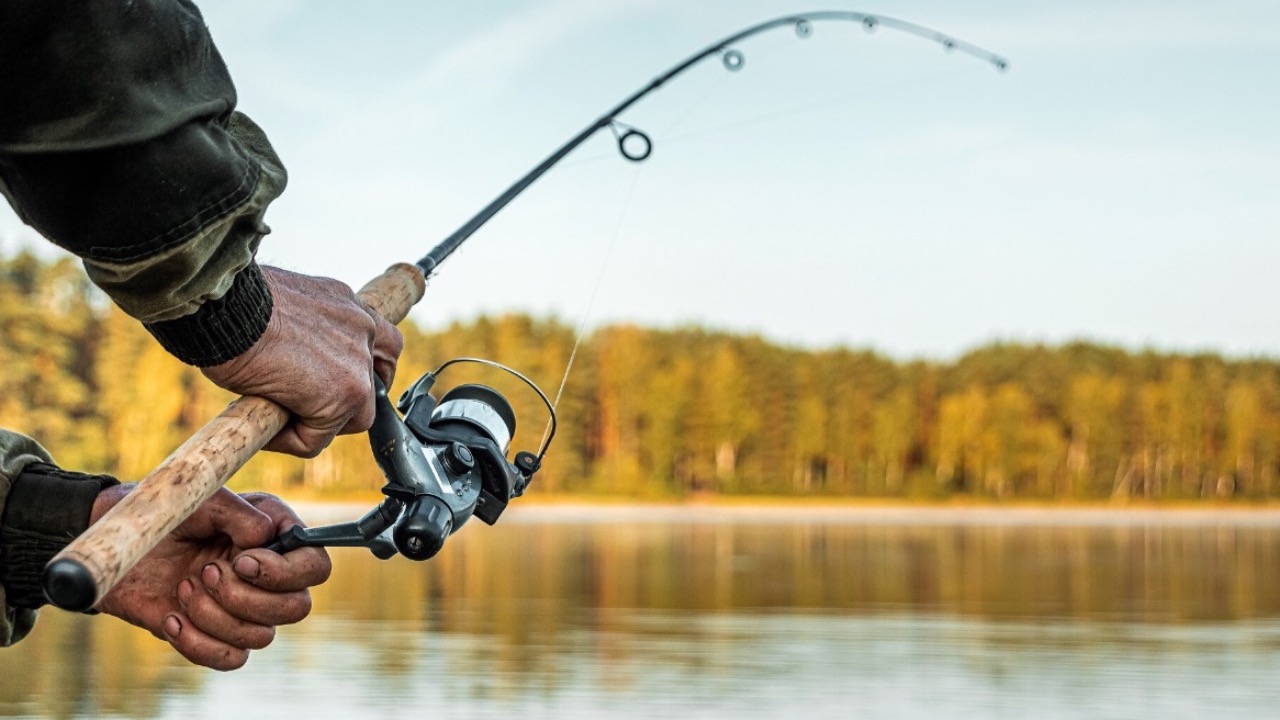
Across the Lower 48, trout, steelhead, and salmon give you three very different puzzles to solve, often in the same watershed. If you understand where these fish live, when they move, and how they feed, you can plan a season that runs from high-country trout to winter chrome without leaving the contiguous states. I have spent years chasing that trifecta, and the patterns are clear enough that any angler with a map and a little discipline can do the same.
Building a three-species game plan in the Lower 48
If your goal is to catch all three species in one campaign, you start by picking regions that naturally stack trout, steelhead, and salmon. Western rivers that feed the Pacific, and a handful of Great Lakes systems, give you resident trout in the headwaters, migratory steelhead in the middle reaches, and salmon pushing in from the ocean or lakes. One detailed rundown points out that if you want all three species in their native waters, Washington is hard to beat, with coastal rivers and the interior plateau offering trout, steelhead, and salmon in a tight radius across the Lower 48.
When I sketch a season, I think in terms of windows instead of single trips. Early spring might be a Columbia River basin run where the main stem is famous for its salmon and steelhead trout migrations, with tributaries holding strong trout populations and a long history of recreational and sport fishing on the Columbia River. Fall can shift to the Great Lakes, where anglers talk about Michigan’s Lower Au Sab as a place to chase trout and migratory fish in the same trip, a point that comes up when one angler recommends Michigan in Jan for a Lower Au Sab mission in the Lower Au Sab. If you want to mix in a saltwater leg, another voice in that same discussion says they would head to the Florida Keys to take advantage of the variety of species available there, a reminder that the Lower 48 can give you everything from trout to tarpon if you are willing to move, and that advice shows up plainly in the Comments Section about the Florida Keys.
Reading trout water and matching the hatch
Trout are the foundation of this whole plan, and they reward anglers who pay attention to subtle seasonal shifts. In fall, for example, trout key in on drabber, natural patterns as the water clears and aquatic insects change, which is why one set of fall advice starts with the reminder to Go Drab and notes that as the seasons change, so should your fly selection, with a focus on muted tones and careful presentations in shadowy lies where trout feel secure, a point that is spelled out in the Tips for Fall Trout Fishing Success that begins with Go Drab and As the seasons change in the Tips for Fall. On big Western tailwaters like the Sacramento, indicator and nymph rigs with two or even three flies are standard, with tippet lengths between the indicator and the first fly adjusted to keep your bugs in the strike zone, and guides on that river emphasize that these systems depend predominantly on nymphing action, which is why they lean so heavily on Indicator and nymph rigs with multiple flies and tuned tippet lengths between the Indicator and the Indicator and.
Gear-wise, you do not need anything exotic to fish trout effectively across the Lower 48. A 9 foot 5 weight with a floating line covers most dry fly and nymph work on classic Eastern rivers like New Hampshire’s Upper Connecticut, where local guidance notes that a 9 foot 5 weight fly rod with a floating line is adequate for most of the fishing on the upper Connectic, and that setup has become a standard for anglers and even adventure filmmakers who work that water, as laid out in the Tackle and Flies section that calls out the 9 foot 5 weight and the upper Connectic. On the hardware side, modern trout anglers lean heavily on proven spinners and plugs, and lists of Best Trout Lures for 2026 highlight specific picks like the Panther Martin Classic as a sunny day spinner and the Mepps Black Fury as a low light spinner, along with a handful of crankbaits and soft plastics that cover lakes and rivers, all grouped under Best Trout Lures and Our Top Picks that call out Sunny day spinner Panther Martin Classic and Low light spinner options in the Best Trout Lures and Our Top Picks for a Sunny day Panther Martin Classic and Best Trout Lures.
Dialing in steelhead: from small creeks to big winter rivers
Steelhead are where your trout skills meet heavy current and migratory behavior. In smaller creeks, especially in low clear water, success often comes down to finesse: anglers are advised to lighten tippet to 6 lb or less, use natural flies that imitate nymphs or salmon eggs, and focus on clean drifts with traditional fly equipment, advice that is spelled out in a Dec discussion that tells anglers in low clear water to lighten tippet and drift their flies naturally with traditional gear, with the word Drift used to emphasize how critical that presentation is in those Dec conditions. On bigger rivers, you can step up in rod length and line weight, and a full guide to steelhead fishing on New York’s Salmon River notes that rod length and equipment vary with style, but that longer rods in the 9 to 10 foot range help manage line and protect lighter tippets, and that all equipment and bait choices should match the techniques described in that What length of rod and All equipment and bait guidance for the Salmon What.
Out West, steelhead culture is built around specific rivers and seasons. The Olympic Peninsula is widely regarded as a winter steelhead mecca, with some of the biggest and freshest fish in the lower 48 States, and outfitters there describe The Olympic Peninsula as home to some of the most pristine and scenic rivers in the world, a place where winter steelhead runs draw anglers from across the States and where On the RVR program focuses on those winter fish in the lower 48 The Olympic Peninsula. Inland, Idaho’s Clearwater River For steelhead is a classic swung fly venue, and one detailed breakdown calls that system Battle Hardened water that is tailor made for spey casting, with long, even runs that let you step down and cover prime water efficiently, and it notes that Idaho’s Clearwater River For steelhead offers prime water that is tailor made for spey casting and rewards anglers who commit to the swung fly approach on the Clearwater Battle Hardened.
Steelhead techniques, lures, and seasonal timing
Technique matters more with steelhead than with almost any other freshwater fish. Agencies that manage these fisheries tell anglers to Have confidence in the water they are fishing and in the lure or bait they are using, and they highlight bobber and jig or bait setups as a good technique for beginners, explaining that with a Bobber and jig or bait, you watch for the float to tip, twitch, or wobble, then set the hook hard when it moves, advice that is laid out in detail in the section that starts with Have confidence and describes Bobber and jig/bait as a core Have. On the swung fly side, Advanced Swing Techniques focus on adjusting swing speed, depth, and angle based on conditions, and one technical breakdown notes that overcast days with a bit of color in the water are ideal, and that anglers should tweak their swing when the sun is low, advice grouped under Advanced Swing Techniques that emphasize reading weather and light when the sun is low in the Advanced Swing Techniques.
Hardware anglers have their own playbook. A curated list of Our Best Lures for Steelhead Fishing in 2026 points out that the most boat centric lures are plugs that can be back trolled through deep slots, while spoons and spinners shine when you are covering boulders breaking up the current, and that lineup is designed to cover every situation Steelhead anglers face, with specific plugs, spoons, and jigs highlighted in the Our Best Lures for Steelhead Fishing collection that focuses on Steelhead in boulders breaking up the Best Lures for. On the bait side, guides still lean on soft plastics and scent, and one overview of how to fish for these fish notes that the Best Bait for Steelhead Trout includes options like roe, shrimp, and soft plastic worms that mimic natural forage and entice them to bite, advice that is spelled out under Best Bait for Steelhead Trout and emphasizes matching bait to conditions to entice them to Best Bait for. Seasonal timing matters too: one breakdown of winter runs notes that fishing typically starts in early March, with low numbers at first, then builds into April, and that Winter Coho and Chinook periods can be surprisingly productive late in the season, a reminder that Low early season counts do not always mean poor fishing, especially when Winter Coho and Chinook are still pushing in during those late Nov.
Salmon tactics in rivers and reservoirs
Salmon across the Lower 48 are a study in timing and current. In Washington, for example, anglers target salmon in rivers bordered by the mighty Columbia River, where the mix of coastal streams and the big main stem creates incredible angling opportunities for multiple salmon species, and one detailed guide to that fishery notes that Washington is bordered by the mighty Columbia River and that this geography makes for incredible angling opportunities for salmon in that How. In freshwater, spoons are a workhorse for pink and coho salmon, and state biologists recommend Spoons in sizes from 1/2 to 1 1/2 inches in pink, white, red, cerise, or combinations of those colors, and they explain that you should Use smaller spoons in softer water and slightly larger ones in heavier current or white water in a riffle, advice that is spelled out in the section that notes Spoons are very effective on pink and coho and tells anglers to Use smaller spoons in specific color patterns in white water in a Spoons.
On the gear front, salmon anglers borrow heavily from the steelhead world. Crankbaits like Brad’s Wiggler Plugs Brad Wiggler series are described as an absolute favorite for salmon and steelhead fishing in rivers, with a tight wobble that triggers reaction strikes, and product descriptions emphasize that Brad and his Wiggler Plugs Brad Wiggler series of crank baits are go to options for salmon and steelhead in the Brad. Those same plugs show up in other listings that again describe Brad’s Wiggler Plugs Brad Wiggler as a favorite for salmon and steelhead in rivers, reinforcing how widely they are used in these fisheries, and that second listing of Brad’s Wiggler Plugs Brad Wiggler repeats the same crank bait focus for salmon and Wiggler Plugs Brad. On the bait side, many salmon anglers still carry soft plastic worms and egg imitations that cross over from steelhead fishing, and the same Berkley PowerBait Floating Steelhead Worm Bubblegum 4 inch that is marketed to make novice anglers good and good anglers great shows up in salmon boxes, with Berkley scientists noted as having spent over 25 years perfecting that scent, and that product description for Berkley PowerBait Floating Steelhead Worm Bubblegum 4 inch spells out how Berkley scientists have worked on that formula for more than 25 years in the Berkley Berkley.
Gear that carries across species and regions
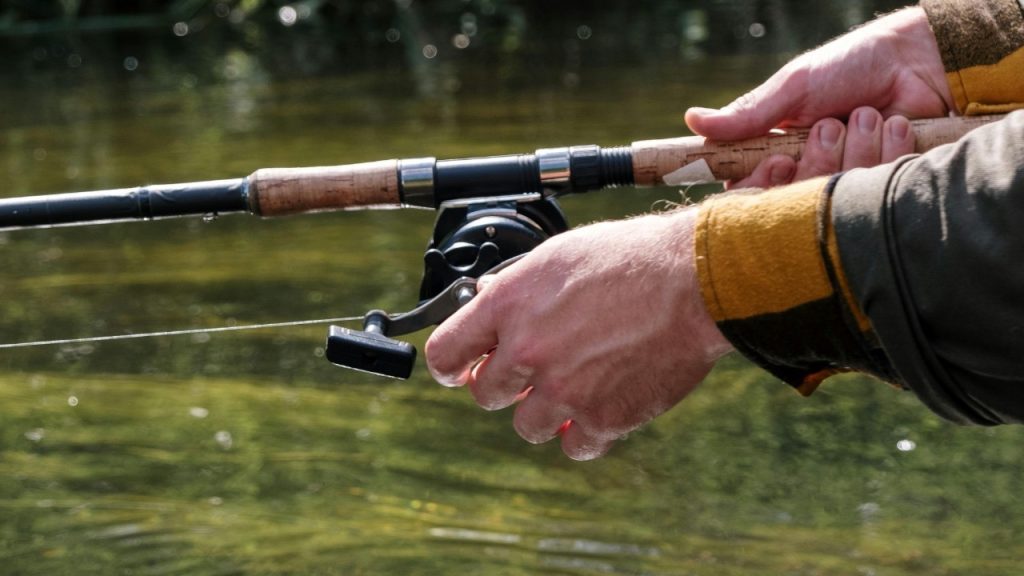
One of the advantages of chasing trout, steelhead, and salmon in the same year is that much of your gear overlaps. A solid medium spinning or casting rod paired with a handful of proven plugs and spinners can cover everything from stocked trout to ocean run fish. Product listings for multi species crankbaits and spinners show how manufacturers market the same lure families to trout, salmon, and steelhead, with one listing highlighting a compact plug designed for river use that can be trolled or cast, another featuring a slightly larger crankbait tuned for deeper runs, and a third describing a versatile spinner that can be worked in current or lakes, all grouped under a series of product entries that share similar specs and are presented as all purpose river lures in the first product. Additional catalog entries show similar hard baits with different diving lips and color patterns, one emphasizing a tight wobble for clear water, another built with a wider action for stained conditions, and a third designed to run slightly shallower over boulders, all grouped in product descriptions that stress their versatility for river predators in the second and third Untitled listings and the related hard bait entry that rounds out that family of product.
Soft plastics and terminal tackle round out that cross species kit. One catalog entry details a pack of soft worms and grubs that can be rigged for trout, steelhead, or salmon, another focuses on a set of hooks and swivels sized for river fishing, and a third highlights a float and jig combo that can be used under a bobber for steelhead or salmon, all grouped in product descriptions that emphasize their use in river systems and their compatibility with bobber and jig setups in the next Untitled listing. Additional product pages show more specialized gear, including a brightly colored float system, a compact jig head designed to pair with soft worms, and a small crankbait tuned for slower pools, all of which can be pressed into service for multiple species, and those are laid out in catalog entries that again stress their river focus in the following Untitled entry and the related listing that adds another hard bait option to that same family of Untitled. For anglers who want to fish from shore and boat in the same trip, there are also product lines that package multiple lure styles together, including spinners, plugs, and jigs, and one such bundle is laid out in a catalog entry that presents a mixed set of river lures in a single kit for anglers who want to cover trout, steelhead, and salmon with one purchase in that combined product.
Picking destinations and seasons across the map
Once your gear and tactics are squared away, the last piece is picking the right water at the right time. The Olympic Peninsula Steelhead program at one major fly shop highlights how The Olympic Peninsula is home to big rivers, giant trees, and enormous Steelhead that can weigh in exceptionally heavy, and it presents Olympic Peninsula Steelhead trips as a centerpiece of their Lower 48 Destinations, underscoring how central that region is to the winter steelhead calendar in the Lower Olympic Peninsula Steelhead. On the other side of the country, New York’s fisheries agency notes that from late October through November, steelhead are feeding aggressively in rivers like the Salmon, and that this is typically one of the best times to fish for them, a point that shows up in the Brief overview of Steelhead Fishing that highlights how aggressively they feed in that late fall window in the Steelhead Fishing.
Trout and salmon destinations fill in the rest of the calendar. In the Northeast, the Upper Connecticut and similar rivers give you strong trout fishing through spring and fall, while in the West, high country lakes and creeks in places like Colorado and Montana (represented in mapping tools that show mountain river systems under entries like the one for a Rocky Mountain region and another for a separate Western watershed) offer summer trout options that pair well with shoulder season steelhead and salmon, and those river systems are mapped in place viewers that highlight specific mountain regions in the first place listing and a second mapping entry for another watershed in the Untitled. For anglers who want a guided experience, there are curated Lower 48 packages that bundle trout, steelhead, and salmon across multiple states, and one destination overview explicitly frames itself around anglers who Want to Catch Trout, Steelhead & Salmon in the Lower 48, pointing them toward Washington and other hubs where all three species are accessible in a single itinerary, and that guidance is spelled out in the section that starts with Want to Catch Trout, Steelhead & Salmon in the Lower Want.
Across all of these waters, the fish themselves do not change much. Steelheads found in rivers and lakes greatly resemble rainbow trout, and one technical overview notes that Steelheads are very quick on the take and require persistence to catch, while also pointing out that Steelhead trout resemble another fly angler favorite in their looks and behavior, a reminder that your trout instincts carry over if you are willing to adapt to bigger flows and migratory timing, as laid out in the section that notes Steelheads found in rivers and lakes and that Steelhead trout resemble another fly angler target and require persistence to catch these Jun. If you build your year around those truths, and lean on proven tactics like indicator nymphing, bobber and jig rigs, spoons for salmon, and thoughtful lure selection, you can realistically plan a Lower 48 season that runs from spring trout to fall salmon and into winter steelhead without ever feeling like you are guessing.

Asher was raised in the woods and on the water, and it shows. He’s logged more hours behind a rifle and under a heavy pack than most men twice his age.