Before His Oscar, George Kennedy Served Under Gen. Patton During WWII
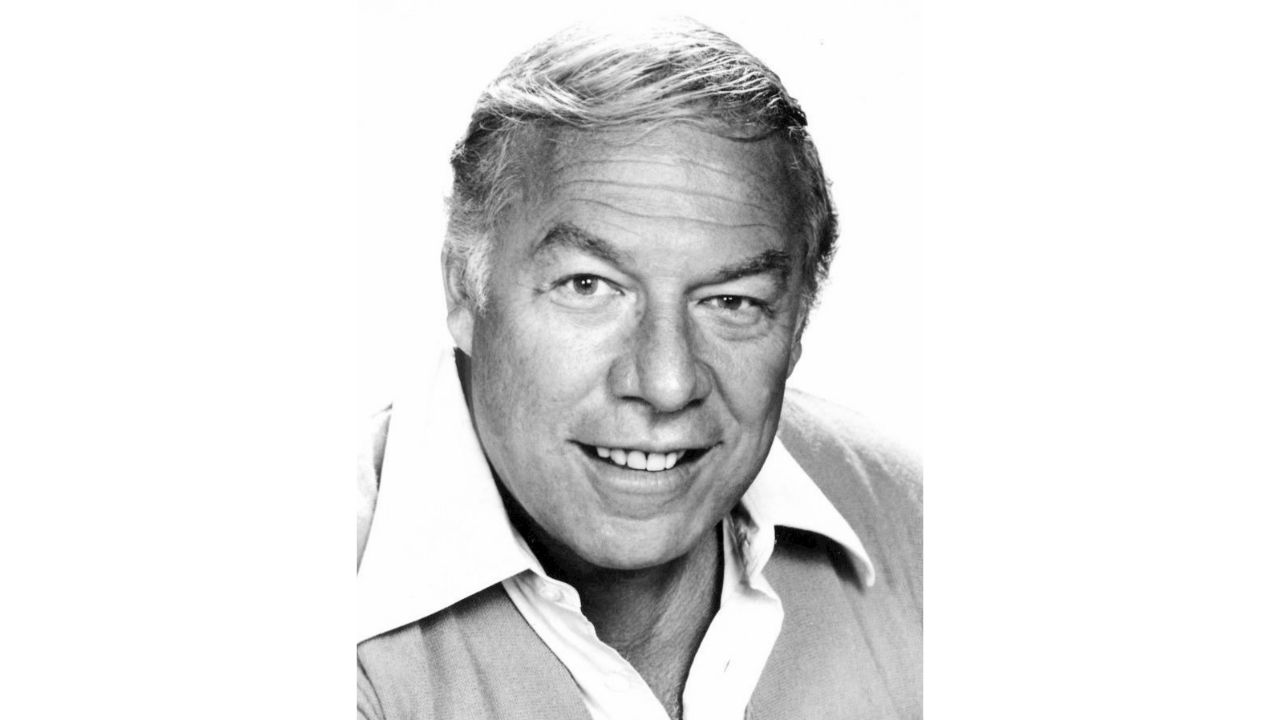
Long before audiences saw him collect an Academy Award, George Kennedy had already survived some of the harshest fighting in Europe as a young soldier under Gen. George Patton in World War II. His journey from freezing foxholes to Hollywood soundstages shaped not only the roles he chose, but also the grounded authority he carried into every performance. His story is a reminder that some of the most memorable faces on screen learned their craft only after facing very real life and death stakes.
By tracing Kennedy’s path from New York childhood to Patton’s formations and finally to the Oscars stage, it becomes possible to connect the grit of his wartime experience with the quiet intensity that defined his acting. The same man who later bantered with Paul Newman in a prison yard drama first learned discipline, loyalty and resilience while marching through Europe with the United States Army.
From New York City to a life in uniform
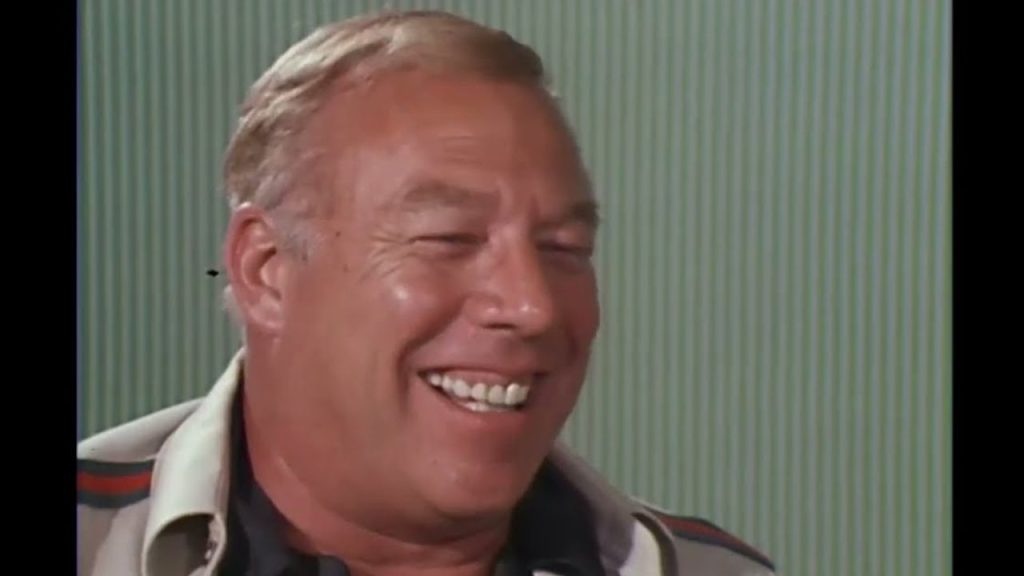
George Harris Kennedy, Jr. arrived in the world in New York City, the son of performers who already lived close to the spotlight. Biographical material describes how he was born to Helen Kieselbach, a ballet dancer, and a bandleader father, which meant that from the start he understood the pressures and uncertainties of show business. Growing up in that environment, he absorbed stagecraft and timing, but he also saw how unstable an entertainment career could be, a lesson that would later make the relative structure of the military feel almost reassuring.
Accounts of his early years explain that Kennedy’s family background in performance set a foundation for his later work, yet the path from New York City theater circles to Hollywood was anything but direct. As global conflict intensified, the young George Kennedy watched the United States move toward war and decided that his first adult commitment would be service, not stardom. According to a detailed Biography, George Harris Kennedy, Jr. would eventually earn recognition not just for acting, but for valor on the battlefield.
Enlisting at 18 and choosing the Army Air Corps
When World War II reached full intensity, Kennedy did not wait for the draft. During World War II Kennedy enlisted in the Army as soon as he turned 18, a decision that reflected both a sense of duty and a teenager’s impatience to prove himself. I read that he initially set his sights on the Army Air Corps, the branch that attracted many young men who dreamed of flying and saw aviation as the cutting edge of modern warfare. That choice fit a kid who had grown up around performers, since pilots were often portrayed as glamorous figures.
Later recollections suggest that his time with the Army Air Corps did not unfold in the straightforward way he expected. Training, reassignments and the shifting needs of a global conflict pulled him away from the path he had imagined. One profile explains that he opted for the Air Corps but, as he would later recall, the realities of war sent his service in a different direction, into the hard marching and close combat of Patton’s ground forces. I found that context in a detailed account of how, during World War II Kennedy joined the Army Air Corps before his role on the front lines changed.
Serving under George Patton in Europe
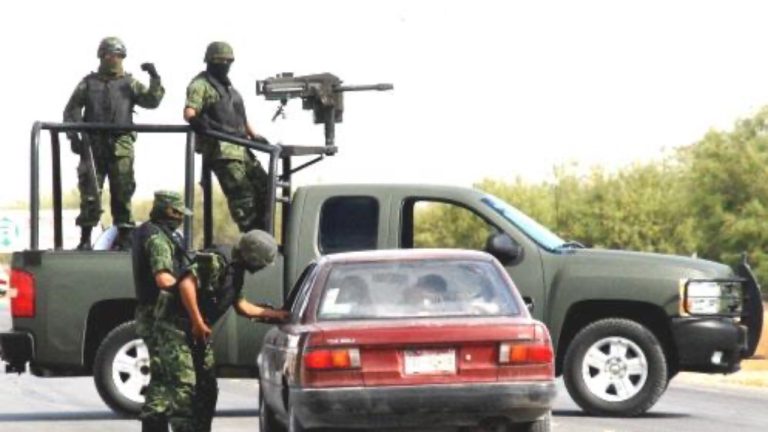
The turning point in Kennedy’s military story came when he moved from the relative distance of air operations into the mud and danger of Patton’s advancing formations. Reports describe how he served under Gen. George Patton, one of the most aggressive American commanders in Europe, whose units pushed through German defenses with relentless speed. That meant Kennedy’s daily life shifted from technical tasks and training fields to long marches, sudden artillery barrages and the constant uncertainty of front line service.
One retrospective on his wartime experience explains that instead of remaining in the Air Corps, Kennedy enlisted as an infantryman and found himself in Patton’s forces, where he and his fellow servicemen faced harsh conditions and life threatening combat. Another profile on his World War II years invites readers to “Please take a moment to learn a little more about US Army veteran George Kennedy who portrayed Major Max Armbruster,” and notes that he had been part of Patton’s Army in Europe. That same piece connects his later portrayal of Major Max Armbruster to his real service under Patton, linking the fictional officer to the young soldier who once marched with the Army across Europe.
Combat, Bronze Stars and the cost of service
Service under Patton meant that Kennedy did not simply wear a uniform in quiet sectors; he saw real combat and paid a physical price for it. Detailed biographical records describe him as a World War II veteran who earned two Bronze Stars and four rows of combat and service ribbons, a level of decoration that signals repeated engagement with enemy forces. Those same records explain that he eventually left the Army due to a back injury, a reminder that his time in uniform left lasting marks that he carried for the rest of his life.
In one summary of his military career, the line “He won two Bronze Stars and four rows of combat and service ribbons” appears as a matter of record, not embellishment. That short sentence captures both the intensity of his experience and the recognition he received for it. I rely on that description from the Bronze Stars and service ribbons entry, which presents Kennedy as a decorated soldier first and a performer second. The combination of honors and injury meant that by the time he returned to civilian life, he had already lived through extremes of danger and responsibility that few actors could match.
From Army discharge to early entertainment work
Once Kennedy’s back injury forced him out of active duty, he faced a transition that many veterans recognize: figuring out how to translate military experience into civilian work. For him, that meant circling back to the world he had known as a child, the business of performance. Biographical sketches describe how, after the war, he began taking on roles in entertainment, drawing on his family’s background and his own comfort around stages and cameras. The discipline and presence he had developed in uniform helped him project authority even in small early parts.
One retrospective on his service notes that Kennedy would serve the Army through one horrendous surprise after another, language that hints at the shocks of combat and the emotional weight he carried home. That same account then pivots to his eventual success in film and television, framing his acting career as a second chapter built on the foundation of his wartime years. I see a through line from the soldier who endured “one horrendous surprise after another” to the actor who could anchor a scene with a single steady look, a connection that appears in the way sources pair his Army service with his later acting success.
“Cool Hand Luke” and the performance that changed everything
Kennedy’s breakthrough arrived when he stepped into a dusty prison yard alongside Paul Newman in the film Cool Hand Luke. That same year, he delivered the performance that defined his career in Cool Hand Luke opposite Paul Newman, playing a fellow inmate with a mix of menace and loyalty. His portrayal of Drag, the character often spelled Dragline in other sources, gave him room to channel both the toughness and the underlying compassion he had seen in real soldiers. Viewers saw a man who understood hierarchy, camaraderie and quiet defiance, all traits that had been part of his life under Patton.
One widely shared remembrance of his life puts it plainly: George Kennedy enlisted in the United States Army during World War II and went on to win an Oscar for his work in Cool Hand Luke. That same social media tribute highlights how his portrayal of Drag involved big lumps to eat up, a colorful reference to the film’s famous egg eating scene and the larger than life appetites of his character. I connect that vivid description to the way he dominated the screen alongside Newman, something that becomes clear when revisiting the film through resources linked to Cool Hand Luke.
The 1968 Academy Award and what it meant to a veteran
The industry formally recognized Kennedy’s power in Cool Hand Luke when he received the Academy Award for Best Supporting Actor at the 1968 ceremony. Official records of that event list the winners across categories, including the Thalberg Award for Alfred Hitchcock presented by Robert Wise, the Film Editing award for In the Heat of the Night and the acting honors that placed Kennedy alongside some of the era’s most respected performers. His Oscar win put a former infantryman from Patton’s ranks on the same stage where Gregory Peck and other Hollywood figures gathered that year.
Archival footage held in a Bay Area collection captures George Kennedy on winning an Oscar, with notes that place the film date in Apr and label the material as part of a Bay Area TV Search. The catalog entry even specifies that the item is KTVU news footage from April, identified with a film reference number and a graphic designed by Carrie Hawks, and that it dates from 68. I see that record, which appears under the heading George Kennedy on winning an Oscar and is listed in a Bay Area TV, as a bridge between his battlefield past and his public recognition as an artist.
War on screen: “Brass Target” and Major Max Armbruster
As his career developed, Kennedy did not leave war stories behind; instead, he returned to them on screen with a credibility that came from lived experience. One prominent example is his role as Major Max Armbruster in the World War II thriller Brass Target, which imagines a conspiracy around the theft of Nazi gold and the assassination of a senior Allied commander. In that film, he plays a determined officer investigating the crime, a part that lets him wear a uniform again and embody the kind of responsibility he once shouldered as a young soldier.
A social media post that encourages readers to “Please take a moment to learn a little more about US Army veteran George Kennedy who portrayed Major Max Armbruster” explicitly links that performance to his real service under Patton. The same post places Brass Target in a lineage of war themed films and notes that Kennedy shared the screen with stars like Cary Grant and Audrey Hepburn in other projects, underlining how his military background coexisted with mainstream Hollywood success. When I look up Brass Target through film databases connected to Brass Target, I see how his portrayal of Major Max Armbruster continues to stand out among his many roles.
How his World War II service shaped a Hollywood legacy
Across all of these stages of his life, from New York City childhood to Patton’s Army to the Oscars, Kennedy’s World War II service did more than fill out a biography line. It gave him a sense of authority that directors trusted whenever they needed a character who felt real in uniform, whether in war dramas or in tough minded contemporary stories. A detailed entry on his life notes that Kennedy enlisted in the United States Army during World War II, served in combat and returned with decorations, then went on to a long acting career that included his signature role in Cool Hand Luke. That arc, from enlistment to stardom, is not an accident; it is a story of how discipline and resilience can carry over from one high pressure field to another.

Leo’s been tracking game and tuning gear since he could stand upright. He’s sharp, driven, and knows how to keep things running when conditions turn.