Florida’s “prepared citizen” movement grows as civilians seek military-style training for deterrence
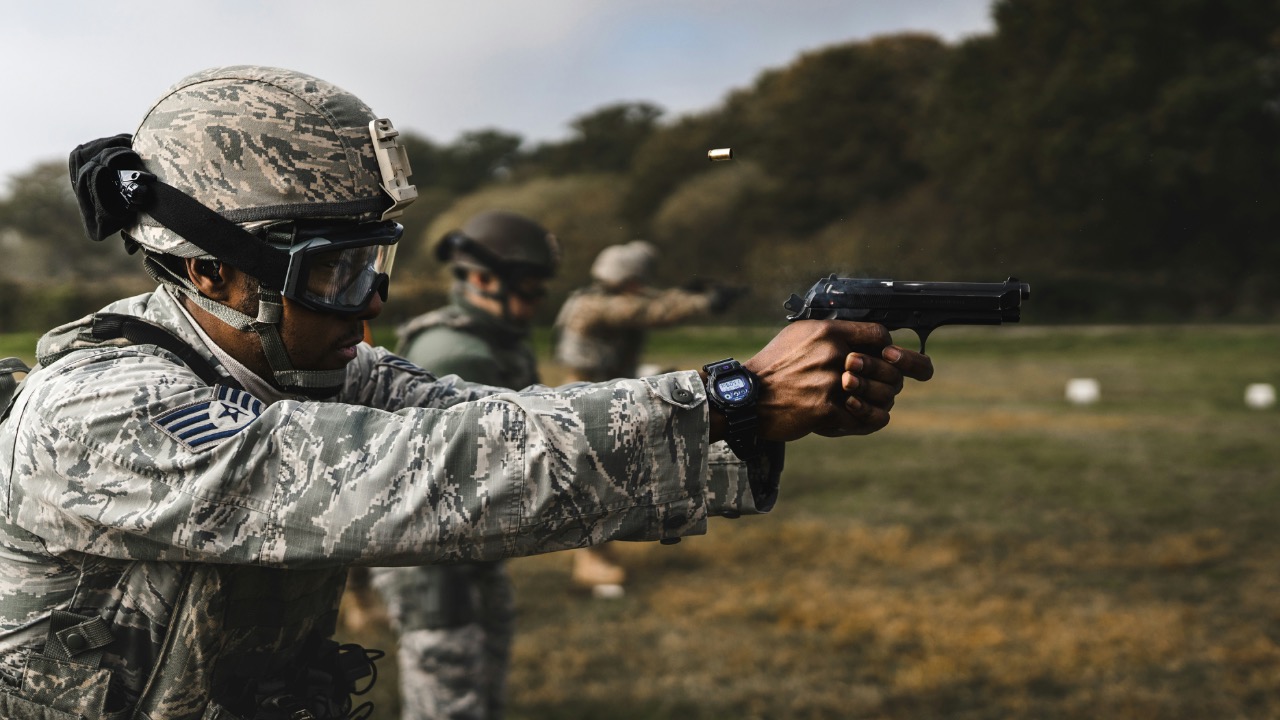
Across Florida, a quiet shift is happening among gun owners, hunters, and everyday folks who used to be content with a concealed carry permit and a few range days a year. You’re seeing more civilians step into structured training environments that borrow heavily from military and law-enforcement playbooks—but with a civilian mindset. This isn’t cosplay or weekend bravado. It’s about competence, awareness, and the belief that visible preparedness can discourage trouble before it starts. The movement is less loud than social media makes it seem, but it’s real, and it’s changing how Floridians think about personal security, responsibility, and deterrence in public and private life.
Why Deterrence, Not Conflict, Is the Goal
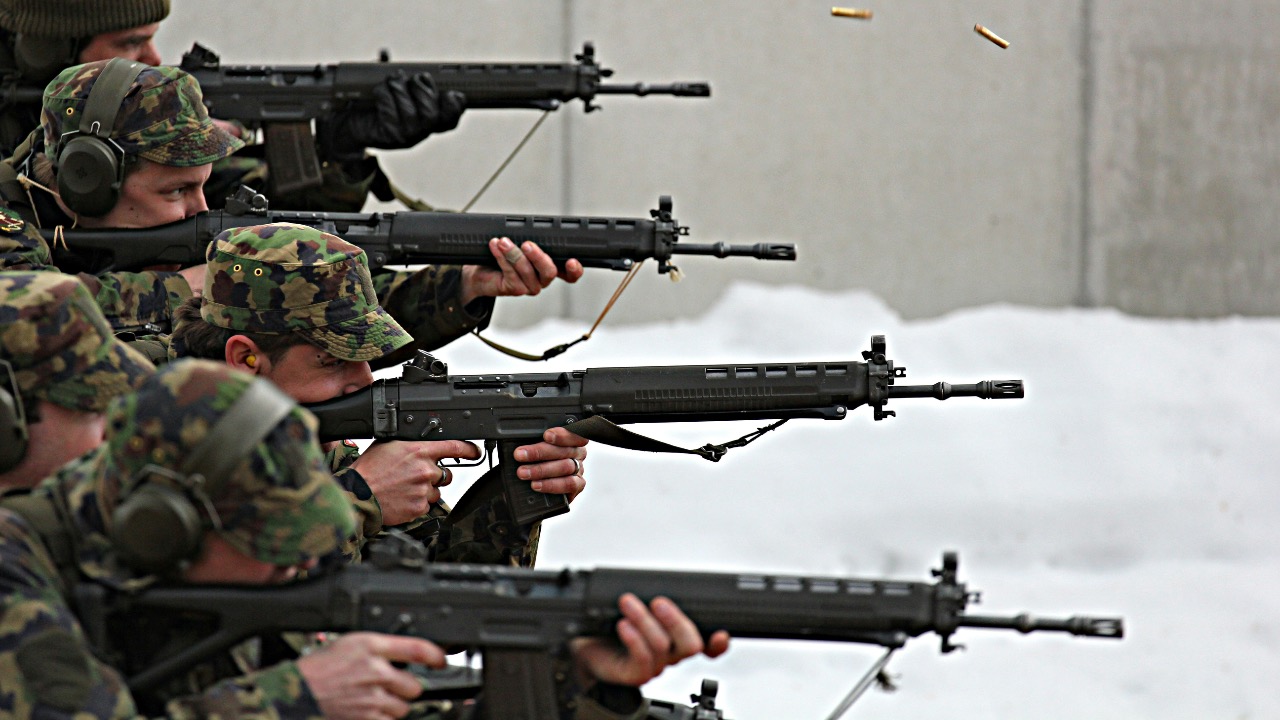
If you talk to people involved, they’re quick to tell you this isn’t about looking for trouble. The core idea is deterrence—being capable enough that problems never materialize. You’re seeing a mindset shaped by hurricanes, evacuations, and long response times, not fantasies of confrontation.
Many participants focus on posture, decision-making, and avoidance first. Firearms and tactics sit further down the list. The training emphasizes reading environments, recognizing escalation early, and disengaging cleanly. That approach attracts people who don’t want drama, only options. For them, preparedness is insurance. You hope you never file a claim, but you still want the policy in place.
Training Environments Look Different Than You Expect
These classes aren’t always held at traditional gun ranges. You’ll find them on private land, shoot houses, and rural properties far from public view. Instructors often cap class sizes to keep things controlled and deliberate.
What surprises newcomers is the pace. You’re not running around burning ammo all day. There’s a lot of standing, watching, and talking through scenarios. You learn where civilians tend to make bad calls and how to slow yourself down. That structure appeals to people who already understand firearms and want judgment sharpened, not adrenaline spikes.
Florida’s Geography Shapes the Curriculum
Florida’s terrain plays a role in how this movement trains. Dense vegetation, tight urban sprawl, and flat sightlines force different thinking than wide-open Western states. You learn to account for humidity, heat stress, and limited visibility.
Training often includes movement in confined spaces and low-light conditions, reflecting real environments like parking garages and residential areas. It’s practical, not cinematic. That realism keeps expectations grounded. You’re learning how your body and gear behave in swampy air at 95 degrees, not in ideal conditions that only exist on brochures.
The Influence of Storms and Disruptions
Hurricanes changed the conversation long before national headlines did. Power outages, empty shelves, and delayed emergency services pushed people to think beyond normal routines. Preparedness became less abstract.
For many, this movement grew out of storm response, not crime fears. You see crossover between disaster readiness and defensive training. Medical skills, navigation, and communications get equal time. Firearms training sits alongside planning how to move family members safely or secure property without outside help. That broader focus keeps the culture practical and rooted in lived experience.
Who’s Signing Up Might Surprise You
This isn’t dominated by one demographic. You’ll find small business owners, retirees, contractors, and professionals who wear polos during the week. Many already hunt or shoot recreationally.
A lot of participants come from mentoring backgrounds—coaches, instructors, or former volunteers—people comfortable with responsibility. They’re not chasing status. They want to be harder to victimize and less likely to panic. That quiet competence is the draw, not attention or online approval.
The Role of Civilian Credentialing Groups
Organizations like United States Concealed Carry Association have helped normalize ongoing education beyond permit requirements. You’re seeing civilians treat training like continuing education, not a one-time box to check.
That structure provides guardrails. It emphasizes legal boundaries, aftermath responsibilities, and restraint. The presence of civilian credentialing helps separate serious students from people looking for thrills. It also reassures families and communities that this movement has standards, not loose edges.
How This Changes Public Perception Over Time
As the movement matures, it’s becoming less visible but more accepted. Participants don’t advertise it. They blend in. That’s intentional. Preparedness works best when it’s unremarkable.
Over time, this quiet competence may shift how communities think about self-reliance. Not as a rejection of public safety, but as a supplement to it. You end up with citizens who are calmer under stress and harder to intimidate. That kind of presence rarely makes headlines, but it shapes outcomes in ways most people never notice—and that’s exactly the point.

Asher was raised in the woods and on the water, and it shows. He’s logged more hours behind a rifle and under a heavy pack than most men twice his age.