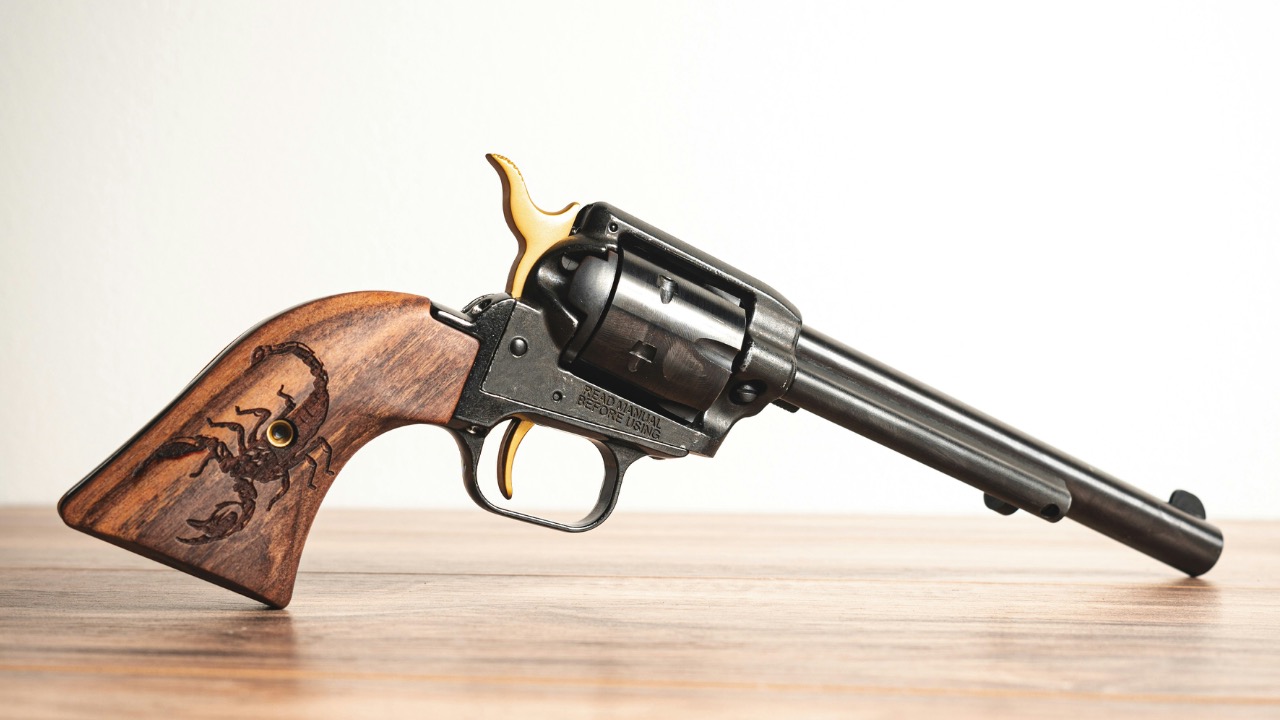
Old-School Revolvers That Still Outperform Budget Semi-Autos
There’s a reason old revolvers stick around in conversations among experienced shooters. Mechanical simplicity, strong steel construction, and predictable operation often beat newer budget semi-autos that sacrifice feel for price. You might find yourself surprised at how a well-maintained classic wheelgun keeps delivering consistent accuracy and reliability even decades after release.
Many older revolvers were built during an era when durability mattered more than manufacturing shortcuts. While modern entry-level pistols often chase features and capacity, these revolvers focus on function. In the field or at the range, you may notice that confidence in the shot matters more than magazine size or marketing claims.
Colt Python — Smooth Precision That Budget Pistols Rarely Match
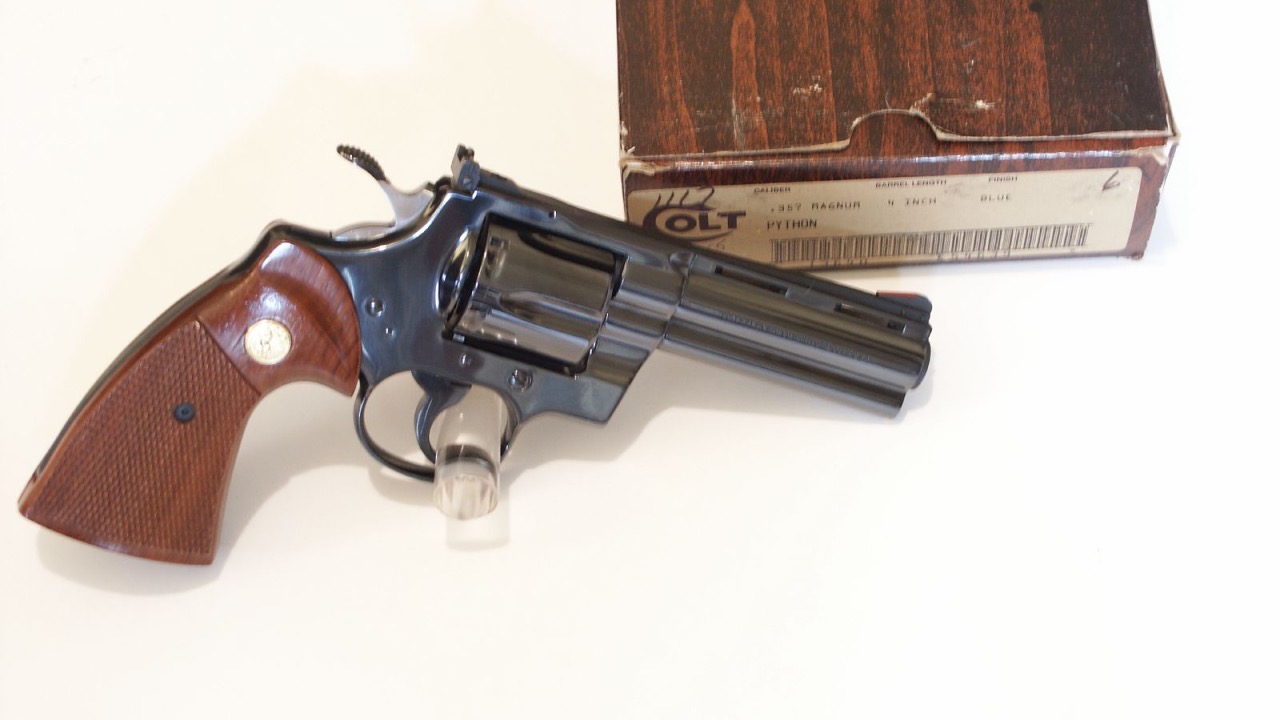
The Colt Python earned its reputation through exceptional machining and a famously smooth double-action trigger. When you squeeze the trigger slowly, the internal mechanics feel almost polished and deliberate. That level of refinement is something many entry-level semi-automatic pistols never achieve, especially those built to meet lower price targets.
Accuracy potential is another reason this revolver stays respected. The tight barrel tolerances and solid lockup help maintain consistent point-of-impact performance. While newer shooters sometimes underestimate revolvers, experienced hands know that the Python’s shooting feel can make controlled fire surprisingly natural.
Smith & Wesson Model 10 — The Workhorse That Keeps Going
The Smith & Wesson Model 10 is one of the most historically proven service revolvers ever made. Police departments once relied on this .38 Special revolver because it could function in harsh conditions without constant maintenance. Even today, well-kept Model 10s often outperform cheap semi-autos in reliability drills.
Recoil is manageable, and the fixed sights are simple but effective. While it lacks modern tactical features, simplicity works in its favor. Shooters who value consistency over gadgetry often find this revolver easier to trust than budget pistols with complex cycling systems.
Ruger GP100 — Built Like a Tank for Heavy Use
The Ruger GP100 is famous for durability. Its frame design was engineered to handle high-pressure loads without loosening over time. Many shooters use it for extended practice because the revolver tolerates rough handling better than many entry-level semi-automatic pistols.
Trigger feel improves after break-in, and the lockwork is known for holding adjustment longer under stress. When budget pistols begin showing feeding or spring tension issues, the GP100 often keeps running. That reliability matters if you want a firearm that doesn’t demand constant attention.
Smith & Wesson Model 27 — Classic Magnum Performance
The Smith & Wesson Model 27 was built for serious .357 Magnum shooting. It carries heavier steel construction, which helps absorb recoil energy better than lightweight budget autos. Many experienced shooters still respect this revolver for controlled magnum performance.
The trigger system is traditionally tuned for smooth double-action use. That predictability helps maintain shot placement during rapid defensive shooting or range practice. While modern polymer pistols are lighter, the Model 27’s mass and balance can actually help stabilize aiming under recoil.
Ruger Security-Six — Underrated Strength From the Old Production Era
The Ruger Security-Six series never received the fame of some competitors, but it earned respect for toughness. These revolvers were designed during a time when manufacturers expected heavy field use. The internal components were built to handle long shooting sessions without rapid wear.
Shooters often notice the solid cylinder lockup and dependable ignition system. While not fancy, the Security-Six performs consistently with standard defensive loads. Many owners still prefer it over budget semi-autos that may require break-in periods or magazine tuning.
Heavy Frame Revolvers Handle Recoil Better Than Cheap Semi-Autos
Older revolvers often use more steel mass than modern budget pistols. That weight helps soak up recoil impulse during firing. Cheap semi-autos sometimes rely on lighter frames, which can increase perceived recoil and reduce shooting comfort.
When shooting .38 Special or .357 Magnum, the difference becomes obvious during longer practice sessions. Experienced shooters sometimes prefer the steadiness of a revolver platform when training fundamentals. The gun moves less unpredictably, allowing focus on sight alignment and trigger control instead of fighting slide mechanics.
Simple Mechanics Mean Fewer Failure Points
Revolvers operate on straightforward mechanical cycles. Pull the trigger, rotate the cylinder, release the hammer, and fire. There are fewer springs, feeding ramps, or magazine pressures involved compared to semi-automatic designs.
Budget semi-autos sometimes struggle with ammunition sensitivity, break-in requirements, or magazine quality. Revolvers generally ignore those concerns. As long as chambers stay clean and components remain lubricated, these older designs keep working. That reliability is why many experienced shooters still trust classic wheelguns for defensive backup or field carry.
Why Old Revolvers Often Outshoot Cheap Modern Pistols
Accuracy consistency plays a big role in the revolver versus budget semi-auto debate. Many older revolvers were manufactured with tight barrel alignment and durable lock mechanisms. That helps maintain point-of-impact stability over time.
Cheap semi-autos sometimes trade machining precision for production speed and cost reduction. While they function well enough for casual use, they may not always match the steady performance of a well-maintained classic revolver. Skilled shooters appreciate firearms that reward good fundamentals without demanding constant mechanical troubleshooting.

Asher was raised in the woods and on the water, and it shows. He’s logged more hours behind a rifle and under a heavy pack than most men twice his age.